
How to Clean Mold Off a Baby Stroller
The quickest way to clean mold off a baby stroller involves using a mild soap and water solution. For tougher spots, a diluted vinegar solution can be very effective. You want to tackle mold promptly to protect your baby’s health and keep the stroller in good condition. Remember, you’re aiming for a clean and safe stroller.
Mold can grow surprisingly fast, especially in damp conditions. You might notice it on fabric or even plastic parts if moisture lingers. Addressing it quickly prevents it from spreading and becoming a bigger problem. Many parents worry about their baby’s exposure, so keeping it mold-free is important for peace of mind and your baby’s well-being.
- Mix soap with warm water for light mold.
- Use diluted white vinegar for stubborn mold patches.
- Always test cleaning solutions on an inconspicuous spot first.
- Ensure the stroller is completely dry after cleaning.
Ready to get your stroller looking and smelling fresh again? Let’s walk through exactly how to tackle that mold, step by step.
“`htmlTackling Mold on Your Baby’s Stroller
Mold on a baby stroller can be a real worry. You want to ensure your little one is safe. Dealing with mold promptly is key. We’ll walk you through how to get your stroller clean and germ-free again.
Understanding Stroller Mold and Why It Happens
Mold loves damp, dark places. Your stroller can easily become one of those spots. Think about spilled drinks, rain, or even just humid air. Moisture can get trapped in fabrics and crevices.
Where Mold Likes to Hide
You might find mold in a few common areas. Check the fabric seats and canopies first. Look under the padding or any removable cushions. Don’t forget the wheels and frame, especially if they’ve been exposed to puddles. Even straps can harbor mold if they get wet and don’t dry properly.
The Health Risks of Mold Exposure
Mold spores can cause allergic reactions and respiratory problems. For babies, whose immune systems are still developing, this is a greater concern. The Centers for Disease Control and Prevention (CDC) notes that mold can trigger asthma symptoms in children.
It’s important to remove mold as soon as you spot it. This prevents further growth and potential health issues for your child. Protecting your baby’s health is always the top priority.
Gathering Your Cleaning Supplies
Before you start, make sure you have everything you need. This makes the cleaning process much smoother. You don’t want to stop halfway through to find a missing item.
Essential Cleaning Agents
Most of the time, simple household items work best. You likely already have these on hand.
- Mild Dish Soap: This is your first line of defense for general cleaning.
- White Vinegar: A fantastic natural disinfectant that kills mold spores.
- Rubbing Alcohol (Isopropyl Alcohol): Can be used for tougher spots or disinfecting.
Tools for the Job
Having the right tools will make cleaning easier and more effective.
- Soft cloths or microfiber towels
- A soft-bristled brush (an old toothbrush works well for crevices)
- A spray bottle
- Gloves to protect your hands
- A bucket for mixing solutions
- Clean water for rinsing
Step-by-Step Guide to Cleaning Mold Off Your Stroller
Let’s get down to business! Following these steps will help you effectively remove mold and prevent its return.
Step 1: Prepare the Stroller and Your Workspace
First, take your stroller to an outdoor area or a well-ventilated space. This helps prevent mold spores from spreading indoors. Remove any toys, blankets, or accessories from the stroller. This ensures you can access all parts.
Step 2: Initial Wipe-Down and Inspection
Use a dry cloth to gently brush away any loose mold or debris. This prevents spreading it around during the wet cleaning process. Now, take a good look for all the affected areas.
Step 3: Cleaning Fabric Parts
For fabric, start with the mild soap and water solution. Mix a few drops of dish soap in a bucket of warm water. Dampen a cloth with this solution and gently wipe down the affected fabric areas. Don’t saturate the fabric; just a good wipe is usually enough.
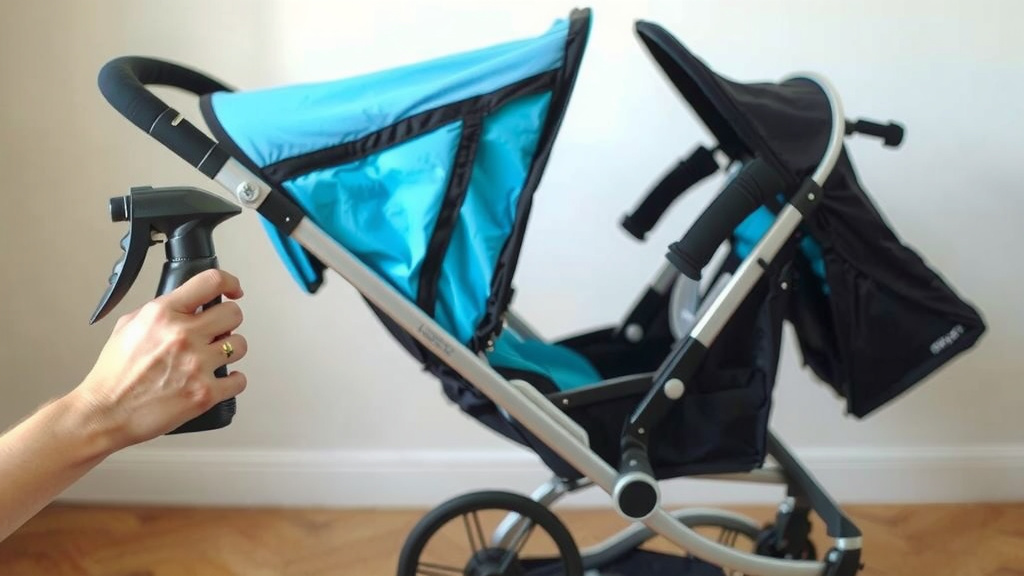
If the mold is more stubborn, it’s time for the vinegar. Mix equal parts white vinegar and water in your spray bottle. Lightly spray the moldy spots. Let it sit for about 10-15 minutes. Then, gently scrub with your soft brush or cloth. Rinse the area with a clean, damp cloth. You want to remove any vinegar residue.
Important Tip: Always test your cleaning solution on a small, hidden area of the fabric first. This ensures it won’t cause discoloration or damage. You can find a spot under the seat or on the underside of a strap.
Step 4: Cleaning Plastic and Metal Components
Plastic and metal parts can usually be cleaned with the same mild soap and water solution. For tougher mold spots on plastic, the diluted vinegar solution is also effective. You can also use rubbing alcohol on a cloth for these areas. This helps disinfect thoroughly.
Pay attention to wheels, buckles, and the frame. These parts often accumulate moisture. Scrub gently with your soft brush to get into any nooks and crannies. Rinse thoroughly with a damp cloth.
Step 5: Thorough Rinsing and Drying
This is a critical step. After cleaning with soap or vinegar, you must rinse everything very well. Use a clean cloth dampened with plain water to wipe down all cleaned areas. This removes any cleaning product residue that could attract dirt or mold later.
Then comes the drying. You need to make sure the stroller is completely dry. Leave it outside in the sun if possible, as sunlight can help kill mold spores. Open up all parts of the stroller to allow air circulation. You can use clean, dry towels to pat down any remaining damp spots. Ensure all fabric is bone dry before folding or storing it.
Quick Mold Prevention Tips for Your Stroller
Once it’s clean, you’ll want to keep mold away. A few simple habits can make a big difference.
Keep It Dry
Never store a wet stroller. If you get caught in the rain, wipe it down as soon as you get home. If a drink spills, clean it up immediately and dry the area. Air it out regularly, especially after use in humid conditions.
Regular Inspections
Make it a habit to quickly check your stroller for any signs of moisture or mold. A quick look each week can catch small issues before they become big problems.
Proper Storage
Store your stroller in a dry, well-ventilated area. Avoid basements or garages that might be damp. If you have to store it in a less-than-ideal spot, consider covering it with a breathable fabric cover rather than plastic, which can trap moisture.
Cleaning Checklist for Mold-Free Stroller
Here’s a handy checklist to guide you through the cleaning process:
- Gather all your cleaning supplies.
- Test cleaning solutions on an inconspicuous fabric spot.
- Wipe down affected fabric with mild soap and water.
- Use diluted white vinegar for stubborn mold.
- Clean plastic and metal parts thoroughly.
- Rinse all cleaned areas completely.
- Ensure the stroller is entirely dry before storage.
Conclusion
You’ve learned how to effectively tackle mold on your baby’s stroller, ensuring a safe and healthy environment for your little one. Remember, prompt action with simple solutions like soap, water, and diluted vinegar can make all the difference. Keeping your stroller dry and giving it regular check-ups are your best defenses against future mold growth. Now that you know the steps, take a moment this week to inspect and clean your stroller thoroughly. You’ve got this – a clean stroller means peace of mind for you and a healthier ride for your baby!
Frequently Asked Questions
Can mold on a stroller make my baby sick?
Yes, mold spores can trigger allergic reactions and respiratory issues, especially in babies with developing immune systems. The CDC highlights that mold can aggravate asthma symptoms in children. It’s why tackling mold promptly is essential for your baby’s well-being.
Is white vinegar safe to use on baby stroller fabric?
Yes, white vinegar is generally safe when diluted with water and used as directed. Research shows it’s an effective natural disinfectant that kills mold spores. Always test on a hidden spot first to ensure no discoloration occurs.
How often should I inspect my stroller for mold?
It’s a good practice to give your stroller a quick look-over weekly. Make it a habit to check after rainy days or spills. Catching potential moisture or mold early makes it much easier to clean.
What should I do if mold appears on the stroller straps?
Strap mold can be cleaned using the same methods as other fabric parts. Use a mild soap and water solution for light mold, or a diluted vinegar-and-water spray for tougher spots. Ensure the straps are thoroughly rinsed and completely dry afterward.
Can I use bleach to clean mold off the stroller?
It’s generally not recommended to use bleach on baby stroller fabrics, as it can damage the material and leave harsh fumes. Mild soap, water, and diluted white vinegar are effective and safer alternatives for cleaning stroller mold.
![10 Best Baby Jogging Stroller [2026]](https://bestbabystrollerjudge.com/wp-content/uploads/2026/08/10-best-baby-jogging-stroller-2026-featured-768x432.jpg)



![10 Best Baby And Toddler Stroller [2026]](https://bestbabystrollerjudge.com/wp-content/uploads/2026/09/10-best-baby-and-toddler-stroller-2026-featured-768x432.jpg)
![10 Best Walking Stroller For Baby [2026]](https://bestbabystrollerjudge.com/wp-content/uploads/2026/08/10-best-walking-stroller-for-baby-2026-featured-768x432.jpg)