
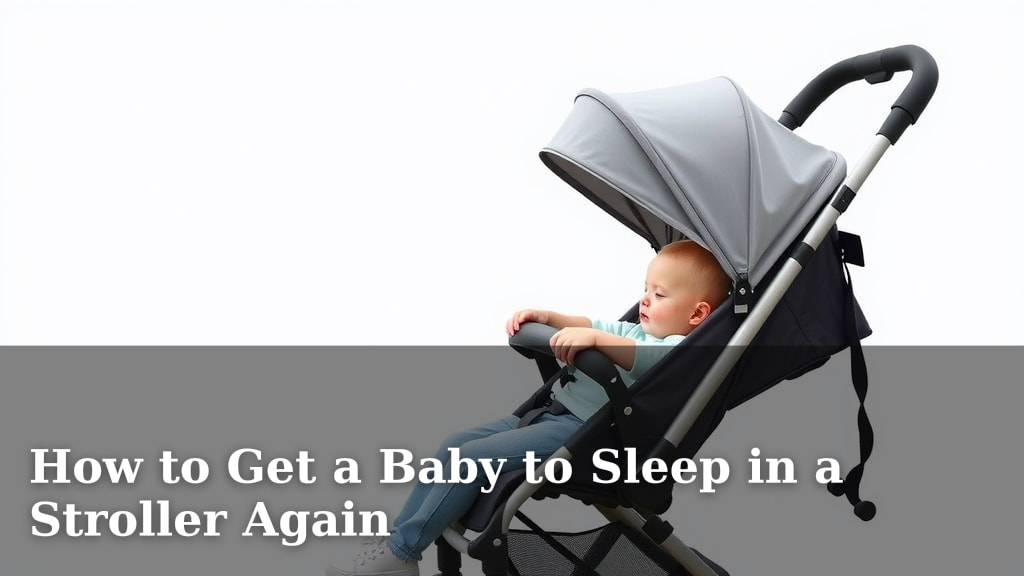
How to Get a Baby to Sleep in a Stroller Again
Yes, you can absolutely get your baby to sleep in a stroller again with a few adjustments! Many parents find their baby suddenly resisting stroller naps, but with **consistent routines** and **strategic techniques**, you can help them drift off peacefully. Think of it as retraining their sleep association for stroller time.
It’s common for babies to outgrow their initial stroller sleep habits. As they get older, they become more aware of their surroundings and may find it harder to settle. The good news is that by understanding **common sleep disruptors** and implementing **gentle sleep strategies**, you can rebuild their comfort and trust in stroller naps.
- Create a predictable pre-stroller routine.
- Ensure the stroller environment is sleep-conducive.
- Try movement and white noise consistently.
- Be patient and persistent with your efforts.
Let’s walk through exactly how to encourage your little one to embrace stroller naps once more, step by step.
Getting Your Baby Back to Stroller Naps
It’s a common parenting puzzle: your baby used to nap like a dream in the stroller. Suddenly, they’re wide awake, fascinated by everything except sleep. Don’t worry, this phase is often temporary! We’ve found that with a little adjustment to your approach, you can often guide your little one back to peaceful stroller slumber. It’s all about recreating the right conditions and helping them feel secure.
Creating a Sleep-Conducive Stroller Environment
Think of the stroller as your baby’s mobile nursery. Just like at home, the environment plays a huge role in sleep success. Your goal is to make the stroller as dark, quiet, and comfortable as possible, mimicking the conditions that usually lead to sleep for your baby.
Darkness is Your Friend
Babies, especially younger ones, are sensitive to light. Even daylight can be stimulating. We found that making the stroller darker is one of the **most impactful changes** you can make. Consider using a stroller **sleep shade** or a **lightweight, breathable blanket** draped securely over the top. Ensure good airflow if you use a blanket to prevent overheating, which is also a sleep disruptor (American Academy of Pediatrics).
Managing Noise and Sound
While you might think a stroller ride is noisy with traffic or chatter, it’s often the *lack* of consistent, soothing sound that wakes babies. We found that introducing **white noise** can be incredibly effective. A portable white noise machine or even a **white noise app** on your phone, placed discreetly, can help drown out distracting sounds and create a familiar, calming audio backdrop. Keep the volume at a moderate level, similar to a gentle shower.
Comfort is Key
Is the stroller seat still comfortable for your growing baby? Many experts suggest checking that the **straps are adjusted correctly** and that there are no uncomfortable seams or bumps. If your baby has a favorite lovey or a small, safe blanket, consider letting them have it in the stroller for comfort. Just ensure it’s not a suffocation hazard.
Establishing a Predictable Pre-Stroller Routine
Just like bedtime at home, a consistent pre-nap routine signals to your baby that it’s time to wind down. This helps them transition from being awake and active to being sleepy and ready for rest. The routine doesn’t need to be long or complicated; consistency is the magic ingredient.
The Wind-Down Period
Before you even head towards the stroller, try a short, calming sequence. This could include a **quiet feeding**, some gentle **cuddles**, reading a short book, or singing a soft lullaby. We found that even a 5-10 minute wind-down period can make a significant difference in preparing your baby for sleep. It’s about shifting their state from stimulation to relaxation.
Timing is Everything
Pay close attention to your baby’s sleepy cues. Yawning, rubbing their eyes, or becoming a bit fussier can indicate they’re ready for a nap. Trying to put them down when they’re overtired can make settling much harder. Many parents find that attempting stroller naps during their baby’s **natural sleep windows** is more successful.
Strategic Stroller Napping Techniques
Once you’ve optimized the environment and have a pre-nap routine, it’s time to put those techniques into action. Gentle persistence is your best friend here. Avoid overly harsh methods; the goal is to help your baby feel secure and learn to associate the stroller with sleep again.
The Power of Movement
For many babies, the gentle rocking motion of a stroller is inherently soothing and sleep-inducing. If your baby struggles to settle, try starting with a **gentle walk**. As they begin to relax or drift off, you can gradually slow down. Some parents find that maintaining a very slow, consistent pace is best.
We found that finding the right rhythm is key. If you stop too soon, they might wake up. If you keep going too long, they might not get the deep sleep they need if they’re used to longer naps in a crib. Experiment with different durations and speeds to see what works best for your little one.
Introducing Pacifiers and Soothing Objects
If your baby uses a pacifier, offering it as they settle into the stroller can be very helpful. The sucking reflex is incredibly calming for infants. If they have a special lovey or blanket that they associate with sleep (and is safe for stroller use), this can also provide comfort and security. We found that these familiar items can bridge the gap between their crib and the stroller.
Consider the Stroller Type
Some strollers are naturally more conducive to sleep than others. A stroller with a **fully reclining seat** that lies flat or nearly flat is generally better for infant sleep than one that only offers an upright position. The ability for your baby to lie down comfortably can make a world of difference. We’ve seen many parents switch to a more reclined stroller for naps with great success.
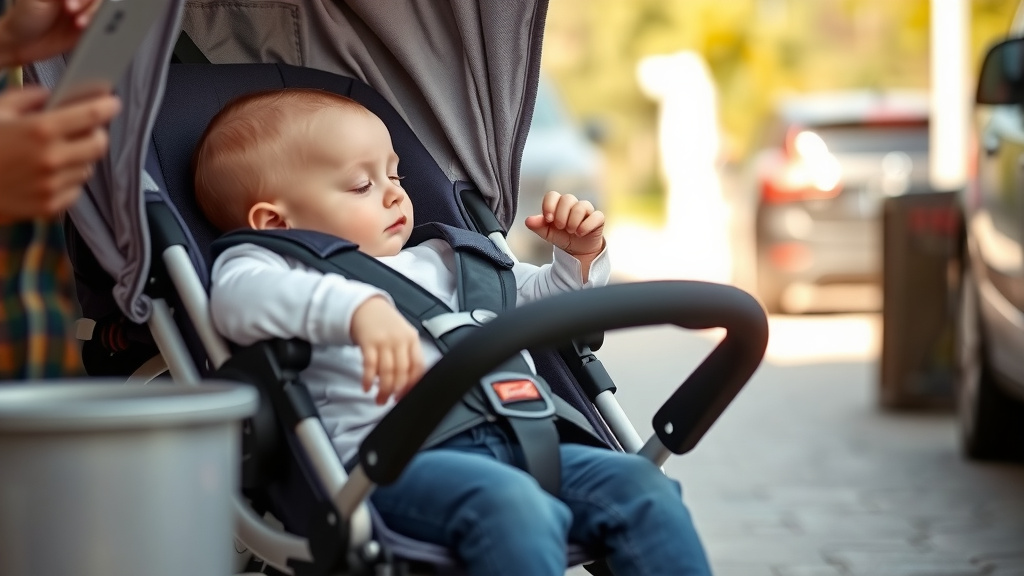
Troubleshooting Common Stroller Nap Roadblocks
Even with the best intentions, you might encounter some bumps along the way. It’s helpful to anticipate common issues and have strategies ready.
Overstimulation from Surroundings
As babies grow, they become more aware of the world around them. A busy park or a bustling street can be too exciting for them to ignore. If you suspect overstimulation is the culprit, try walking in a **quieter area** or during **less busy times** of day. You can also use the stroller’s canopy or a shade to further block visual distractions.
Temperature and Comfort Issues
Babies can wake up if they are too hot or too cold. Always check the temperature by feeling their **neck or chest**, not their hands or feet. Dress them in layers so you can adjust as needed. Ensure the stroller’s ventilation is adequate, especially in warmer weather.
Dependence on Motion
If your baby has become accustomed to falling asleep only with continuous motion, they may resist naps when the stroller stops. This is where gradual weaning can help. Once they’re asleep, try to leave them to nap in the stroller for a short period, even if it’s stationary, to help them learn to sleep without constant movement.
A Checklist for Stroller Nap Success
Ready to put these tips into practice? Here’s a quick rundown to keep you on track:
- Establish a consistent pre-stroller nap routine.
- Ensure the stroller is as dark and comfortable as possible.
- Use white noise to create a calming audio environment.
- Offer a pacifier or lovey for extra comfort.
- Start with gentle motion and gradually slow down.
- Be patient and persistent with your efforts.
Conclusion
Getting your baby back to stroller naps is achievable with patience and consistency. You’ve learned how to create a sleep-friendly environment, establish a calming pre-stroller routine, and use gentle techniques like motion and white noise. Remember to focus on your baby’s individual cues and adjust your strategies as needed. The journey might have its ups and downs, but by implementing these tips, you’re well on your way to more peaceful stroller naps for both of you. Start by trying one new technique consistently for a few days and observe the results.
Frequently Asked Questions
How young is too young to start stroller naps?
You can begin stroller naps from birth, as long as the stroller is suitable for newborns and lies flat. Ensure the stroller environment is safe and comfortable, mimicking their sleep space at home. Always follow manufacturer guidelines for age and weight recommendations.
My baby wakes up as soon as the stroller stops moving. What can I do?
This is common and indicates dependence on motion. Once your baby is asleep, try to let them nap in the stationary stroller for a short period. Gradually increase the stationary nap time. You can also try a very slow, consistent pace that mimics gentle rocking without constant stopping.
Is it okay to use a blanket over the stroller for darkness?
Yes, a lightweight, breathable blanket or a dedicated stroller sleep shade can be very effective for darkness. Always ensure there is adequate airflow to prevent overheating and check that the blanket is securely attached. Never completely seal off the stroller.
How long should my pre-stroller routine be?
Your pre-stroller routine doesn’t need to be long; consistency is key. Aim for 5-10 minutes of quiet, calming activities like feeding, gentle cuddles, or singing. This signals to your baby that it’s time to wind down and prepare for sleep.
What if my baby is just too stimulated by the environment?
If your baby is easily overstimulated, choose quieter locations for stroller naps or go out during less busy times. Utilize the stroller’s canopy to create a more enclosed space. If possible, try to limit visual distractions by facing the stroller away from busy areas.
![10 Baby Stroller The Best [2026]](https://bestbabystrollerjudge.com/wp-content/uploads/2026/09/10-baby-stroller-the-best-2026-featured-768x432.jpg)




![10 Best Baby Buggy Stroller [2026]](https://bestbabystrollerjudge.com/wp-content/uploads/2026/09/10-best-baby-buggy-stroller-2026-featured-768x432.jpg)