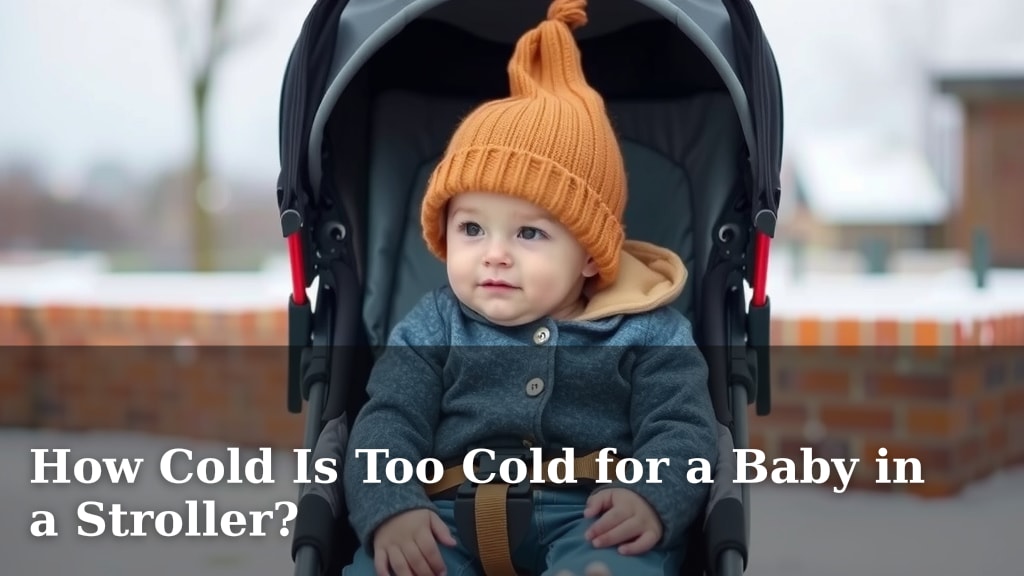
How Cold Is Too Cold for a Baby in a Stroller?
Deciding how cold is too cold for a baby in a stroller can feel like a frosty puzzle. Generally, if the temperature drops below 20°F (-7°C), it’s considered too cold for most babies to be outside in a stroller for extended periods, especially newborns. Always check your baby’s cues – they can’t tell you they’re cold, so you need to be their temperature reporter! Dress your baby in layers and monitor them closely for any signs of discomfort, like shivering or lethargy.
Keeping your little one warm and safe during chilly weather outings is a top priority for parents. It’s about finding that sweet spot between enjoying the crisp air and ensuring your baby isn’t getting too cold. Research suggests that babies are more vulnerable to cold than adults because their bodies are smaller and they can’t regulate temperature as effectively. Think of it like this: hypothermia can set in quickly if proper precautions aren’t taken. We want your baby to be cozy, not concerned!
- The general rule: below 20°F (-7°C) is often too cold for stroller time.
- Newborns are extra sensitive to the cold.
- Watch your baby for signs they are getting too cold.
- Layers are your best friend for staying warm.
- Keep stroller trips short in very cold weather.
Let’s walk through exactly how to keep your baby comfortable and protected when the temperatures plummet.
Navigating Cold Weather Stroller Outings with Your Baby
Wondering just how cold is too cold for your little one in their stroller? It’s a question many parents grapple with as the mercury drops. We’ve found that a good general guideline is to keep stroller trips brief if the temperature is below 20°F (-7°C). This is especially true for newborns, as their tiny bodies are still developing their temperature regulation. Always remember that your baby can’t tell you they’re freezing, so you are their ultimate thermostat!
Understanding Baby’s Temperature Sensitivity
Babies are not just miniature adults. Their bodies are much smaller, meaning they lose heat more quickly. This makes them far more susceptible to the cold than older children or adults. Many experts point out that babies have a larger surface area relative to their body mass, which contributes to this faster heat loss (CDC). This is why it’s so important to be extra cautious when venturing outdoors in winter.
Why Newborns Need Extra Protection
Newborns are particularly vulnerable to cold temperatures. Their ability to generate heat is still developing. This means they can lose body heat much faster and struggle to replace it. Experts often advise keeping newborns inside during extremely cold weather, especially if the temperature is near or below freezing. If you must go out, keep the outing very short and ensure they are bundled up head to toe (American Academy of Pediatrics).
Recognizing Signs of Cold Discomfort
Since your baby can’t verbally express their discomfort, you need to become a master observer. Watch for physical cues that indicate they’re too chilly. This is your most important tool for keeping them safe and happy.
Physical Cues to Watch For
Shivering is a clear sign the body is trying to generate heat. While occasional shivers might be okay, persistent shivering means your baby is getting too cold. Also, look for:
- Cold hands or feet (check their core if unsure).
- Lethargy or unusual sleepiness.
- A pale or ruddy complexion.
- Fussiness or crying that seems different from their usual.
Layering: Your Best Defense Against the Cold
Dressing your baby in layers is the golden rule of winter clothing. Think of it like an onion – several thin layers trap air and provide much better insulation than one bulky item. This approach also makes it easy to adjust their clothing if they start to overheat, which can be just as uncomfortable for them. We found that this method is universally recommended by pediatricians.
The Essential Layers for Stroller Rides
Start with a base layer that wicks away moisture. Cotton is often recommended for comfort, but synthetic materials can be better for wicking if your baby tends to sweat. The middle layer should be insulating, like fleece or down. For the outer layer, choose something windproof and water-resistant. This protects them from the elements.
Don’t Forget the Extremities!
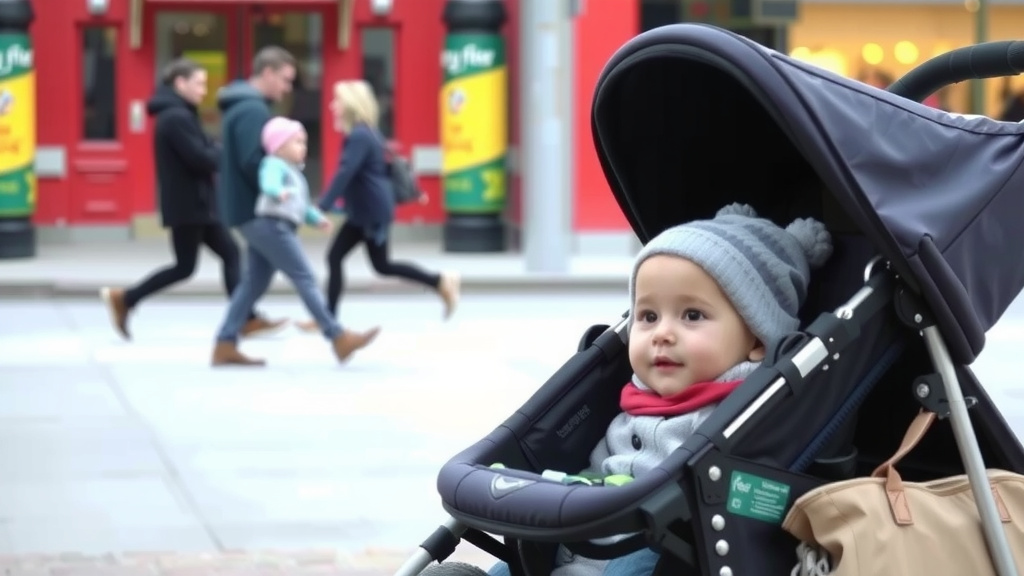
Little hands, feet, and heads lose heat rapidly. Always ensure your baby has warm mittens, insulated booties or socks, and a snug-fitting hat that covers their ears. A hat is essential, even if they are wearing a hooded stroller cover.
Creating a Cozy Stroller Environment
The stroller itself can be a microclimate for your baby. With a few smart additions, you can make it a warm haven, even on a brisk day.
Stroller Covers and Inserts
A well-fitting stroller cover can block wind and some precipitation. Look for one that zips up securely. Insulated stroller liners can add an extra layer of warmth to the seat. Many parents find these make a huge difference in keeping their little ones comfortable.
Managing the Stroller Canopy
Keep the stroller canopy up to create a barrier against the wind. However, be mindful of ventilation. You don’t want to create a stuffy environment where moisture can build up. Some experts suggest leaving a small gap for air circulation.
What About Blankets?
While blankets seem like an obvious choice, there are some safety considerations. Loose blankets can pose a suffocation risk, especially for younger infants. If you use a blanket, tuck it securely around your baby. A stroller bunting or sleeping bag is often a safer and warmer alternative. These are designed to fit snugly and keep your baby toasty without the entanglement risk.
Temperature Guidelines and Safety Tips Checklist
While there’s no single magic number for every baby, here’s a quick guide to help you make informed decisions. Remember, always trust your instincts and observe your baby closely.
| Temperature Range | Recommendations for Stroller Outings |
|---|---|
| Above 40°F (4°C) | Generally safe for short outings. Dress in a couple of layers. |
| 20°F to 40°F (-7°C to 4°C) | Use multiple warm layers, windproof outer gear. Keep outings shorter (30-60 minutes). Monitor closely. |
| Below 20°F (-7°C) | Limit time outdoors significantly, ideally to less than 30 minutes. Consider indoors if possible. Extreme caution advised. |
| Wind Chill Below 20°F (-7°C) | Treat as if the air temperature is that low, regardless of the actual thermometer reading. Wind chill can make it feel much colder. |
Your Winter Stroller Outing Checklist
Before you head out, do a quick mental check. This ensures you haven’t forgotten anything vital for your baby’s comfort and safety.
- Dress baby in layers: base, middle, and outer.
- Warm hat covering ears and mittens/booties.
- Use a stroller cover or bunting bag.
- Check baby’s temperature cues periodically.
- Plan for shorter outings in colder weather.
- Have a warm indoor space ready to retreat to.
Conclusion
Keeping your baby warm and comfortable during stroller outings in cold weather is all about preparation and observation. You’ve learned that temperatures below 20°F (-7°C) require significant caution, especially for newborns. Remember to prioritize dressing your baby in smart, breathable layers, protect their extremities, and utilize stroller accessories like covers and bunting bags. By closely monitoring your baby’s cues and adjusting your outing as needed, you can confidently enjoy crisp winter air while ensuring their safety and coziness. Your attentiveness is your baby’s best defense against the cold!
Frequently Asked Questions
How long is too long for a baby to be in a stroller in the cold?
Generally, if the temperature is below 20°F (-7°C), limit your stroller time to under 30 minutes. For temperatures between 20°F and 40°F (-7°C to 4°C), aim for outings between 30 to 60 minutes. Always assess your baby’s comfort and bring them inside if they show any signs of being too cold.
Is it okay for a newborn to be in a stroller in cold weather?
Newborns are more sensitive to cold temperatures because their bodies are still developing the ability to regulate heat. It’s often best to keep newborns indoors during very cold weather, especially when temperatures are near or below freezing. If you must go out, ensure they are extremely well-bundled and keep the outing very brief.
What are the best layers for a baby in a stroller in winter?
Start with a moisture-wicking base layer, add an insulating middle layer like fleece or down, and finish with a windproof and water-resistant outer layer. Don’t forget a warm hat that covers the ears, mittens, and insulated booties.
Can I use a regular blanket in the stroller to keep my baby warm?
Loose blankets can pose a suffocation risk for babies. If you use a blanket, tuck it in securely around your baby. A stroller bunting bag or a stroller-specific sleeping bag is often a safer and warmer alternative designed to fit snugly and prevent entanglement.
How can I tell if my baby is too cold in the stroller, even if they aren’t shivering?
Besides shivering, watch for other cues like cold hands or feet (check their core if unsure), lethargy or unusual sleepiness, a pale or ruddy complexion, and unusual fussiness or crying. If you observe any of these signs, it’s time to head indoors immediately to warm up.
![10 Best Baby Stroller Reviews [2026]](https://bestbabystrollerjudge.com/wp-content/uploads/2026/08/10-best-baby-stroller-reviews-2026-featured-768x432.jpg)