
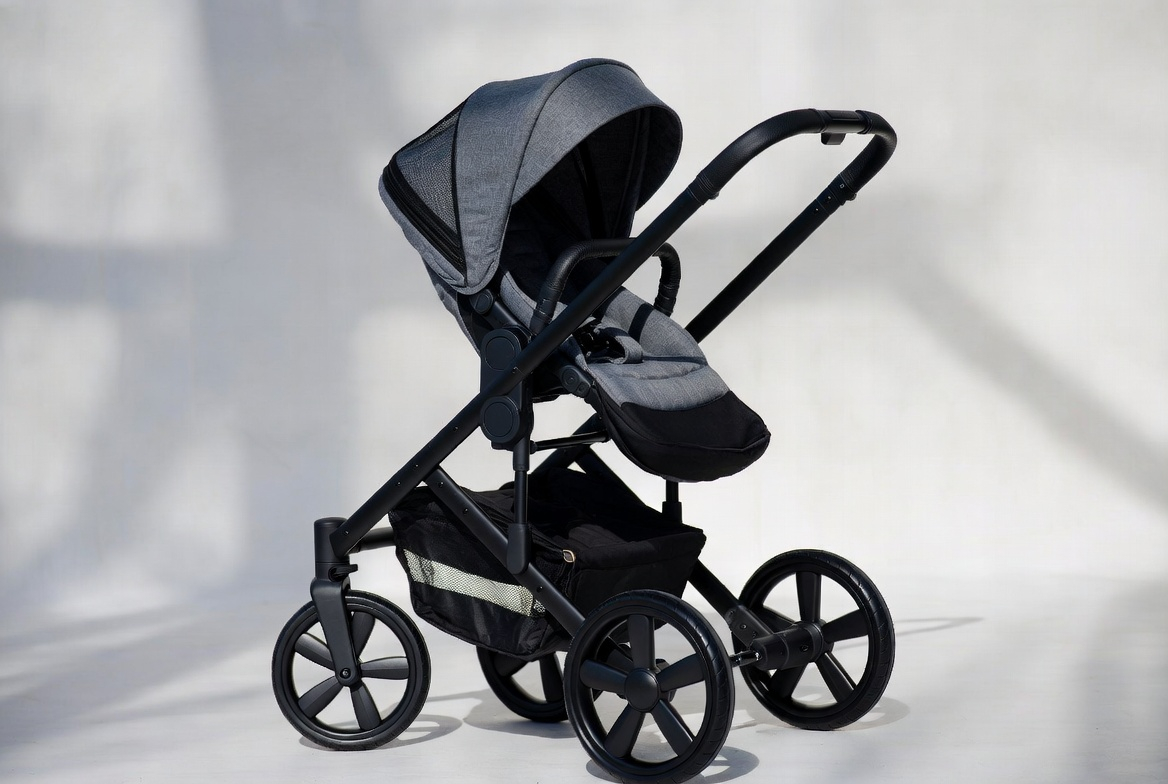
How to Clean Baby Stroller Fabric Without Damaging It: A Complete Guide
Your baby’s stroller is one of those essential pieces of equipment that gets a real workout. Between spilled juice, sticky fingers, muddy wheels, and the occasional accident, the fabric on your stroller takes quite a beating. If you’re like most parents, you’ve probably wondered how to get those stubborn stains out without ruining the material or, worse, exposing your little one to harsh chemicals.
I get it. You want your stroller looking fresh and clean, but you also want to be sure you’re doing it safely. The good news? Cleaning your baby stroller fabric doesn’t have to be complicated or risky. With the right approach, you can tackle almost any stain and keep your stroller in tip-top shape for years to come.
Understanding Your Stroller’s Fabric: The First Step to Proper Care
Before you grab the nearest cleaning solution and start scrubbing away, let’s talk about what you’re actually working with. Not all stroller fabrics are created equal, and that matters more than you might think.
Different Types of Stroller Fabrics
Most modern strollers use one of several fabric types. You’ve got polyester, which is super common and fairly durable. Then there’s nylon, which is lightweight and water-resistant. Some premium strollers use cotton blends, which feel nice but can be trickier to clean. And then you have the specialty fabrics like microfiber or canvas that pop up on higher-end models.
Why does this matter? Because each fabric type has different cleaning tolerances. Polyester can generally handle more aggressive cleaning than delicate cotton. Water-resistant fabrics need different approaches than natural fibers. The key is knowing what you’re dealing with before you start cleaning.
Reading Your Manufacturer’s Care Label
I know, I know. Care labels aren’t exactly thrilling reading. But seriously, check yours. Most stroller manufacturers include specific cleaning instructions, and they know their products better than anyone else. You’ll often find helpful hints about which cleaning agents to avoid or whether your stroller fabric is machine washable.
Why Regular Maintenance Beats Emergency Deep Cleaning
Here’s something I wish someone had told me when my first child was born: a little prevention goes a long way. Think of stroller fabric maintenance like brushing your teeth. Daily brushing prevents cavities better than any emergency root canal ever will.
The Power of Quick Spot Cleaning
When something spills on your stroller, don’t wait. A quick wipe-down with a damp cloth within minutes of the accident can prevent a permanent stain from setting in. The longer a stain sits there, the deeper it penetrates the fabric fibers, making it exponentially harder to remove.
Keep a small pack of baby wipes or a microfiber cloth in your diaper bag. Seriously. It takes thirty seconds to dab up a spill, and it’ll save you hours of frustration later.
Weekly Vacuuming and Dusting
Once a week, grab your handheld vacuum or even just a soft brush and go over your stroller’s fabric surfaces. This removes dust, crumbs, and debris that can work their way into the fabric weave. It’s like giving your stroller a little spa day, and it keeps things fresher between deeper cleanings.
Essential Supplies You’ll Need for Stroller Fabric Cleaning
Before you start any cleaning project, gather your supplies. Having everything ready means you can work efficiently and won’t be tempted to reach for harsh chemicals just because they’re convenient.
The Gentle Cleaning Arsenal
- Mild dish soap or baby shampoo
- White vinegar (nature’s miracle worker)
- Baking soda (deodorizing and gentle abrasive)
- Soft-bristled brushes
- Microfiber cloths or soft cotton cloths
- Spray bottle for applying solutions
- Warm water (but not boiling)
- Enzyme-based stain remover (optional but helpful)
Notice what’s not on this list? Bleach, acetone, harsh solvents, or any chemical that would make you nervous to have on your baby’s skin. You don’t need them, and they’ll only cause problems.
Step-by-Step Guide to Cleaning Your Baby Stroller Fabric
Now for the practical stuff. Let’s walk through how to actually clean your stroller without causing damage.
The Initial Assessment and Preparation
First, look at what you’re dealing with. Is it a general dirt accumulation, or are there specific stains? Is the fabric wet or dry? Fresh stain or old one? Understanding the situation helps you choose the right approach.
Next, prepare your stroller for cleaning. Detach any removable fabric pieces if your stroller allows it. Remove loose debris with a vacuum or dry brush. If the fabric is wet, let it air dry first. Working with wet fabric makes cleaning harder and increases the risk of water stains.
Creating Your Cleaning Solution
Mix one tablespoon of mild dish soap with two cups of warm water. This is your go-to solution for most cleaning jobs. The warmth helps break down grease and grime, while the mild soap does the heavy lifting without being aggressive.
For tougher stains, try adding a tablespoon of white vinegar to the mixture. The vinegar is acidic enough to break down stubborn spots but gentle enough that it won’t harm your fabric. Plus, it helps eliminate odors naturally.
Testing Before Full Application
Here’s a step too many people skip, and then they regret it. Test your cleaning solution on a hidden area of the stroller first. Try an inconspicuous spot like the underside or a section that’s normally hidden from view. Wait a few minutes, then check for any discoloration or damage. If everything looks good, you’re safe to proceed.
The Actual Cleaning Process
Dip your soft cloth into your cleaning solution. Wring it out well so it’s damp but not dripping. Gently scrub the stained or dirty area using circular motions. Don’t scrub aggressively like you’re trying to remove a layer of paint. You’re coaxing the stain out, not attacking it.
Work from the outside edges of the stain toward the center. This prevents the stain from spreading to clean fabric. For stubborn spots, you might need to repeat the process several times, allowing the solution to sit for a minute or two between applications.
Tackling Specific Types of Stains
Different stains require slightly different approaches. Let’s break down some of the most common culprits you’ll encounter as a parent.
Food and Juice Stains
These are probably the most frequent stains you’ll deal with. Orange juice, apple sauce, chocolate—they all seem to find their way onto your stroller. The good news is that most food stains respond well to your basic soap and water solution.
For especially sticky residue, let your damp cloth sit on the stain for a minute before wiping. This gives the soap time to break down the sticky stuff. If it’s really stubborn, add a drop of white vinegar to your cloth and try again.
Grass and Dirt Stains
These are actually easier than you might think because they’re not really staining in the traditional sense—they’re just particles sitting on top of the fabric. A good scrub with your soap solution usually does the trick. If you’re dealing with dried mud, let it dry completely, then brush it off with a soft brush before wet cleaning.
Vomit or Spit-Up
I know, not pleasant, but it happens. These stains have both protein and acid components. Mix one tablespoon of white vinegar with one cup of water, apply it to the area, let it sit for five minutes, then scrub gently. The vinegar neutralizes the acid while breaking down the proteins.
After cleaning, sprinkle a little baking soda on the area to absorb any lingering odors. Let it sit for fifteen minutes, then vacuum it up. Your stroller will smell fresh again.
Ink or Pen Marks
Kids love pens. They also love drawing on the stroller. Rubbing alcohol is safe for stroller fabrics and works wonders on ink. Dab a little on a cloth and gently rub the mark. Check your care label first if you’re concerned, but alcohol usually evaporates quickly and doesn’t damage fabric.
Stubborn or Set-In Stains
Sometimes you inherit a stroller from a friend, or you discover a stain you’d forgotten about. These old stains have had time to bond with the fabric fibers, making them harder to remove. For these situations, an enzyme-based stain remover can be helpful. These products use naturally occurring enzymes to break down the molecular bonds of the stain. Follow the product instructions carefully, and always test on hidden fabric first.
Drying Your Stroller After Cleaning
How you dry your stroller is just as important as how you clean it. Improper drying can lead to mildew, water stains, or fabric damage.
Air Drying is Your Best Friend
Never put your stroller in a dryer. Never use a heat gun or blow dryer on high heat. The best way to dry your stroller fabric is to let nature do the work. Position your stroller in a well-ventilated area, ideally in indirect sunlight. If you live somewhere humid, consider setting up a fan nearby to improve air circulation.
If you’ve done a thorough wet cleaning, it might take several hours for the fabric to dry completely. That’s okay. Patience here prevents problems later. Make sure the fabric is completely dry before using the stroller again to prevent mildew growth.
Preventing Future Stains: Protective Measures
An ounce of prevention really is worth a pound of cure when it comes to stroller fabric.
Fabric Protectant Sprays
There are various fabric protectant sprays designed specifically for upholstery. These create an invisible barrier that repels liquids and helps prevent stains from setting in. Apply them to clean, dry fabric according to the product instructions. Many parents find that using a protectant every few months significantly reduces staining issues.
Strategic Use of Stroller Covers and Accessories
Consider using a stroller seat protector for the areas where your baby sits. There are waterproof covers specifically designed for this purpose. Similarly, attach a stroller organizer or caddy to keep snacks and drinks contained rather than rattling around loose in the fabric compartments.
Establishing Good Habits
Keep food and drinks away from the stroller when possible. I know that’s not always realistic with a busy family, but eating lunch in the car and then going for a stroller walk is better than eating and strolling simultaneously. Encourage older siblings not to use the stroller as a drawing canvas. These simple habits prevent most stains from ever happening.
When to Call in Professional Help
Some stains are beyond the scope of home cleaning, and that’s okay. If you’ve tried multiple approaches and the stain persists, or if you’re worried about damaging a particularly nice stroller, professional upholstery cleaners can help.
Finding the Right Professional Cleaner
Look for cleaners who have experience with baby gear and who use non-toxic, child-safe cleaning methods. Call ahead and describe your stroller and the stain situation. Good cleaners will be honest about whether they can help and what the results might be.
Special Considerations for Different Stroller Types
Jogging strollers, travel systems, convertible strollers—they all have slightly different fabric configurations and challenges.
Jogging Strollers
These often have more robust, technical fabrics designed to handle intense use. They’re usually more forgiving with cleaning, but still follow the gentle approach. The mesh panels common on jogging strollers need special care to avoid snags.
Lightweight Travel Strollers
These compact strollers often have delicate fabrics that demand gentler handling. They might be less water-resistant, so extra care with drying is important to prevent mildew.
Maintaining Your Stroller for Longevity
Beyond just cleaning, there are maintenance practices that keep your stroller fabric in good condition for years.
Regular Inspection and Care
Check your stroller fabric monthly for any damage, loose stitching, or areas needing attention. Address small problems before they become big ones. Small tears can be sewn up easily, preventing unraveling. Loose seams can be reinforced. This ongoing care extends your stroller’s life significantly.
Store your stroller in a clean, dry place when not in use. Avoid storing it in damp basements or hot attics, which can damage the fabric and create an environment for mildew growth.
Conclusion
Cleaning your baby stroller fabric doesn’t have to be stressful or complicated. By understanding your stroller’s fabric type, acting quickly on spills, using gentle cleaning solutions, and following the steps outlined in this guide, you can keep your stroller looking great and maintain a safe environment for your baby.
Remember that the combination of regular maintenance and quick spot cleaning beats emergency deep cleaning every single time. Keep those baby wipes handy, learn your stroller’s care instructions, and don’t hesitate to test your solutions on hidden areas first. Your future self will thank you for taking care of your stroller now, and your baby will continue to enjoy a clean, fresh ride through the neighborhood for years to come.
Frequently Asked Questions
Can I machine wash my stroller fabric seat cover if it’s removable?
Many removable stroller fabric covers can be machine washed on a gentle cycle in cold water, but always check your manufacturer’s instructions first. Some covers have special coatings or padding that can be damaged by machine washing. If machine washing is approved, use mild detergent, skip the fabric softener, and air dry completely before reattaching. When in doubt, hand wash using the methods described in this guide to be safe.
Is white vinegar safe to use on all stroller fabrics?
White vinegar is generally safe for most stroller fabrics because it’s a mild acid that doesn’t damage fibers. However, it’s always wise to test it on a hidden area first, especially on darker fabrics where the smell might be more noticeable. The vinegar smell dissipates as it dries. If you have a premium stroller or are unsure about your fabric type, stick with the mild soap and water solution as your primary cleaner and save vinegar for stubborn stains.
How often should I deep clean my stroller fabric?
The frequency depends on how much your stroller gets used and what kinds of messes you’re dealing with. Generally, a light cleaning every two weeks and a deeper clean once a month keeps most strollers in good condition. If you do lots of outdoor activities in dusty or muddy environments, you might need to clean more frequently.
![10 Seat Baby Stroller [2026]](https://bestbabystrollerjudge.com/wp-content/uploads/2026/09/10-seat-baby-stroller-2026-featured-1-768x432.jpg)
![10 Best Baby Travel Stroller [2026]](https://bestbabystrollerjudge.com/wp-content/uploads/2026/08/10-best-baby-travel-stroller-2026-featured-768x432.jpg)