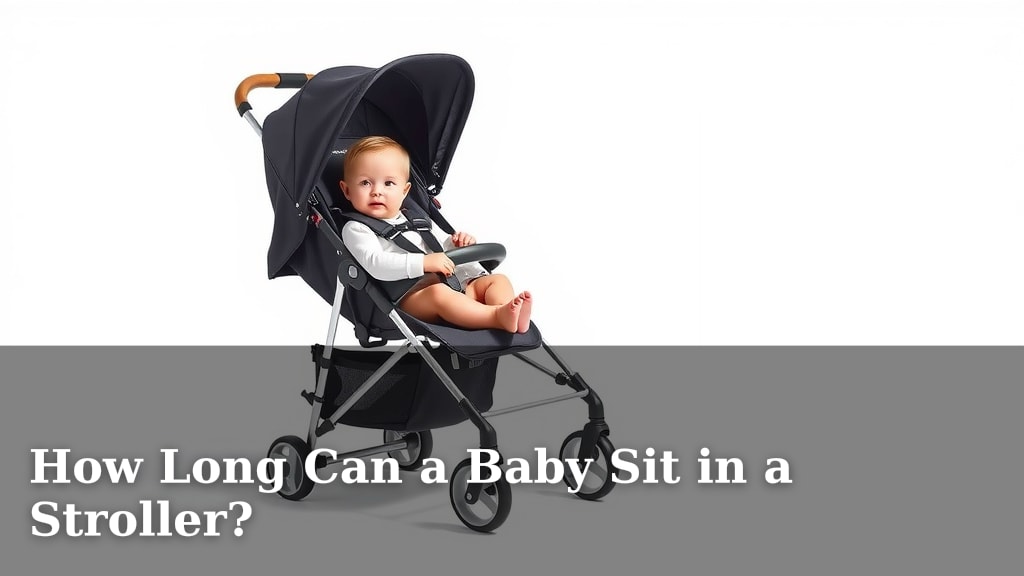
How Long Can a Baby Sit in a Stroller?
Generally, babies can sit in a stroller for **extended periods**, often for **several hours a day**, as long as the stroller provides proper support and safety. The key isn’t a strict time limit but ensuring your baby is comfortable, well-rested, and safe in their stroller. Always check the stroller’s weight and height limits for your child’s age and development stage.
It’s important to understand that strollers are designed for convenience and safe transport, not as a primary sleeping or resting space. While many babies can nap or relax in a stroller for a good chunk of time, it’s wise to offer variety in their environment. We found that frequent breaks from the stroller help with their overall development and comfort.
- Babies can generally stay in a stroller for hours if supported safely.
- Focus on comfort and safety, not just a strict time limit.
- Always check stroller limits for your baby’s age and size.
- Breaks from the stroller are beneficial for your baby.
Ready to learn more about stroller safety and best practices? Let’s walk through exactly what you need to know to keep your little one happy and secure on the go.
Understanding Your Baby’s Time in the Stroller
So, how long can your little one safely enjoy a ride in the stroller? The good news is, there’s no single, hard-and-fast rule that applies to every baby. Generally, babies can spend **several hours** in a stroller throughout the day, provided it’s a safe and comfortable experience for them. Think of the stroller as a helpful tool, not a babysitter that keeps your child confined all day.
Developmental Stages and Stroller Use
Your baby’s age and developmental stage play a big role. Newborns, for example, need a stroller that can fully recline. This is because they don’t have the muscle strength to hold their head up. We found that strollers with a near-flat recline are **essential for infants** to support their spine and airway. As your baby grows, they’ll gain more control and can handle sitting up for longer periods.
Newborns (0-6 Months)
For the tiniest passengers, stroller time should be supervised closely. Many pediatric experts suggest that newborns should not spend more than an hour or two at a time in a car seat that’s attached to a stroller. This is due to concerns about their developing lungs and airway. Always ensure the stroller offers plenty of support and a lie-flat position (Mayo Clinic). We learned that many parents opt for a bassinet attachment for their newborns, which offers a safe and cozy environment.
Older Infants (6-12 Months)
Once your baby can sit up independently, they can likely tolerate sitting in a stroller for longer stretches. However, it’s still wise to limit continuous stroller time. Aim for periods of around 1-2 hours. This allows them to explore different positions and engage with their surroundings outside the stroller. Many parents find that outings of 2-3 hours, with breaks, work well for this age group.
Toddlers (12+ Months)
By the time they are toddlers, your child has more energy and curiosity. They might get restless in the stroller after an hour or so. They often want to walk, run, and play! It’s great that they’re developing their independence. While a toddler might happily sit in a stroller for a longer nap or a short walk, regular breaks are still key. Think of it as giving them a chance to stretch their legs and burn off some of that toddler energy.
Safety and Comfort: Your Top Priorities
Regardless of how long your baby is in the stroller, safety and comfort are **non-negotiable**. A well-designed stroller will provide good support. This includes a secure harness and appropriate padding. Your baby should not be slumping or struggling to breathe.
Ensuring Proper Support
Look for strollers with a supportive seat that cradles your baby. For newborns, a fully reclining seat or a bassinet is crucial. As they grow, ensure the seat allows them to sit upright without slouching. We found that many stroller manufacturers provide specific guidelines on how to adjust the seat for different ages and developmental stages. Always check your stroller’s manual.
The Importance of Breaks
Taking your baby out of the stroller regularly is incredibly beneficial. It allows for tummy time, crawling, or simply walking around. These breaks encourage physical development and exploration. We found that even short breaks of 15-30 minutes every hour can make a big difference. It helps prevent your baby from becoming overtired or fussy.
What to Look for in a Safe Stroller
Beyond general time limits, a safe stroller has specific features. Ensure it has a **five-point harness** that is correctly adjusted. This keeps your baby secure and prevents them from falling out. The stroller should also be stable and not prone to tipping. Research indicates that strollers should meet current safety standards set by organizations like the Consumer Product Safety Commission (CPSC).
Signs Your Baby Needs a Break from the Stroller
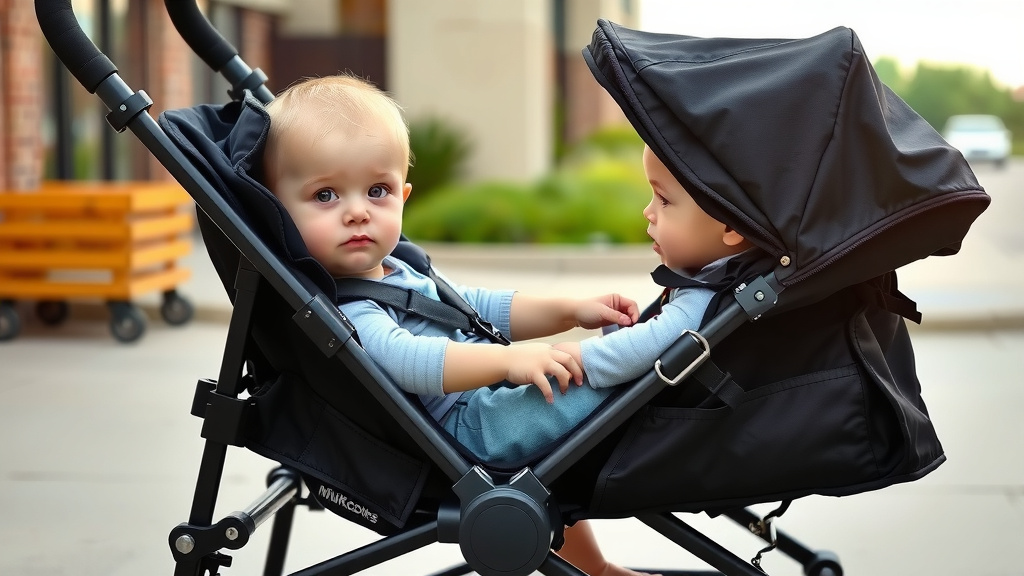
Your baby will tell you when they’ve had enough stroller time. Watch for subtle cues. Fussiness, increased crying, or trying to climb out of the harness are clear indicators. They might also seem restless or bored. Don’t push it if they’re clearly uncomfortable. It’s time for an adventure outside the stroller!
Reading Your Baby’s Cues
Babies are great communicators, even without words. We’ve learned to pay close attention to their body language. Arching their back, wiggling excessively, or becoming generally irritable are signs they need a change of scenery. A happy baby in the stroller is often relaxed and looking around. A fussy baby might be overstimulated or simply need to move.
Creating a Stroller Routine
You can create a routine that incorporates stroller time with plenty of active play. For example, a morning walk in the stroller could be followed by floor time at home. An afternoon outing might include a stop at a park for some exploration. Balancing stroller use with other activities supports your baby’s overall well-being. We believe this balance is key to a happy baby!
Stroller Use vs. Other Seating
It’s important to remember that strollers are different from car seats or baby carriers. While a car seat is for safe travel in a vehicle, and carriers keep your baby close, strollers are designed for longer outings. However, none of these should replace floor time or active engagement with you. We found that varied seating and movement options are best for a baby’s development.
Quick Checklist for Stroller Safety and Comfort
- Ensure the stroller seat provides adequate head and body support.
- Always use the stroller’s five-point harness properly adjusted.
- Check that the stroller is on a stable surface when occupied.
- Take your baby out for frequent breaks to play and move.
- Monitor your baby for signs of discomfort or restlessness.
- Consult your stroller manual for age and weight recommendations.
Conclusion
Ultimately, your baby’s time in the stroller is about comfort, safety, and development. There’s no magic number for how long they can sit, but focusing on their cues and providing proper support is key. Remember to offer plenty of breaks for movement and exploration outside the stroller. By being attentive to your baby’s needs and checking stroller guidelines, you can ensure happy and safe outings for both of you. Make stroller time a positive part of your routine, and you’ll both enjoy your adventures together!
Frequently Asked Questions
Can my baby sleep in the stroller for long periods?
While your baby might nap in the stroller, it’s not recommended as a primary sleeping space for extended durations. Continuous stroller sleep can be less supportive than a crib or bassinet. Always ensure the stroller is in a near-flat position for safe sleep and monitor them closely.
How often should I take my baby out of the stroller?
Aim for breaks roughly every hour, or more often if your baby shows signs of discomfort. Even 15-30 minutes out of the stroller allows them to stretch, explore, and get different sensory input. These breaks are vital for their physical development and mood.
Is it okay for my newborn to be in a stroller for a couple of hours?
For newborns, stroller time, especially when using an attached car seat, should generally be limited to 1-2 hours at a time. This is due to concerns about their developing airways and spine. A lie-flat bassinet attachment is often a better option for longer outings with infants.
What if my toddler gets fussy after just 30 minutes in the stroller?
That’s perfectly normal! Toddlers have a lot of energy and a strong desire to move. If your toddler is fussy after a short period, it’s a clear sign they need to get out and play. Let them walk, run, or explore. Their need for movement increases with age.
Are there specific strollers better for longer stroller times?
Yes, strollers with adjustable seats that recline to a near-flat position are best for younger babies. For older infants and toddlers, look for comfortable padding, good ventilation, and features that allow for upright sitting and easy access to snacks or toys. Proper support throughout the duration is what matters most.
![10 Best Newborn Baby Stroller [2026]](https://bestbabystrollerjudge.com/wp-content/uploads/2026/08/10-best-newborn-baby-stroller-2026-featured-768x432.jpg)