
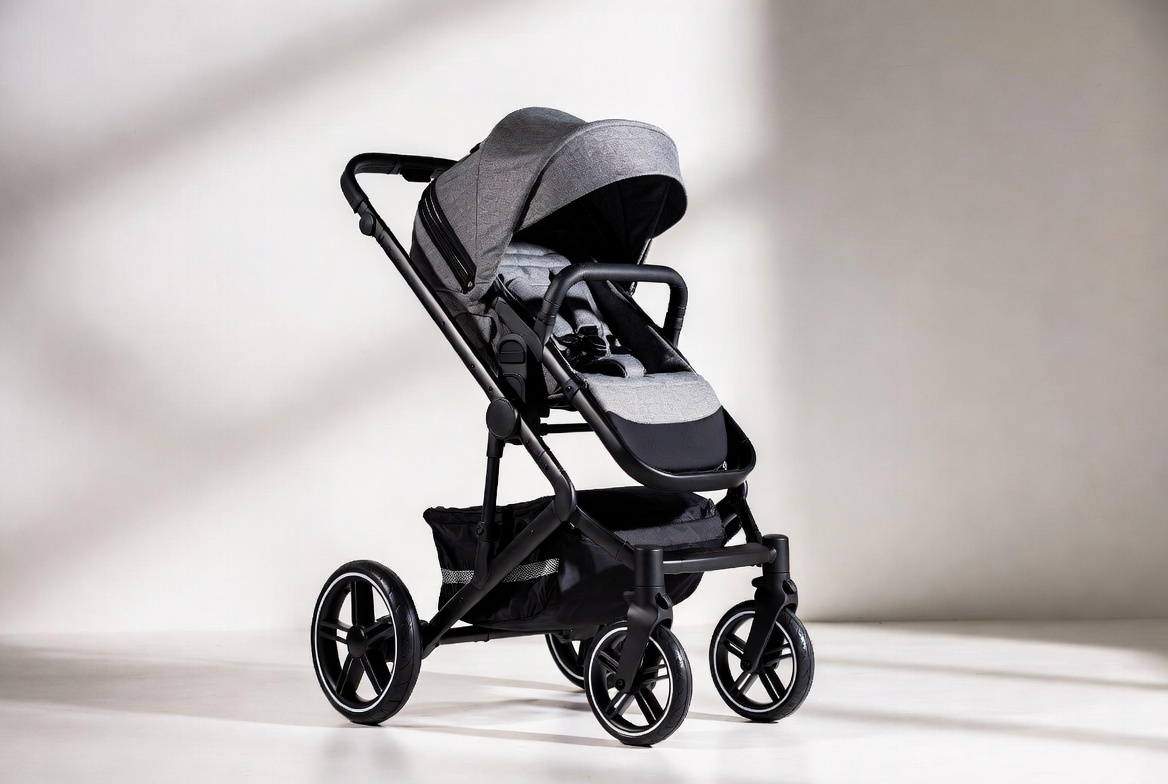
At How Many Months Can Baby Sit in Stroller: A Complete Parent’s Guide
If you’re a new parent, you’ve probably asked yourself this question more than once: when can my baby actually sit up in a stroller? It’s one of those milestones that seems simple on the surface but actually involves quite a bit of nuance. The truth is, there’s no magic age where babies suddenly become stroller-ready. Instead, it’s a gradual process that depends on your individual child’s development, strength, and readiness.
In this guide, I’m going to walk you through everything you need to know about when your baby can safely sit in a stroller. We’ll cover the developmental milestones, safety considerations, and practical tips to make your stroller experience comfortable for both you and your little one.
Understanding Your Baby’s Physical Development
Before we dive into specific ages, let’s talk about what actually needs to happen for a baby to sit in a stroller. It’s not just about age—it’s about whether your baby’s body is physically capable of supporting itself in an upright position.
Think of your baby’s development like building a house. You can’t put the roof on until the walls are sturdy enough to support it. Similarly, babies need to develop sufficient neck strength, core stability, and trunk control before they can comfortably and safely sit upright for extended periods.
The Role of Neck Control
One of the first milestones babies achieve is neck control. This typically happens around 1 to 3 months of age. When your baby can hold their head steady without it flopping around, that’s a sign their neck muscles are getting stronger. However, neck control alone isn’t enough to sit in a stroller safely.
Core Strength Development
Your baby’s core muscles—the muscles in their back, abdomen, and sides—are crucial for sitting. These muscles develop gradually over the first several months of life. By around 4 to 6 months, most babies start showing signs of improved core strength, though it varies significantly from baby to baby.
Typical Age Guidelines for Stroller Sitting
So here’s the real answer: most babies can begin sitting in a reclined position in a stroller around 3 to 4 months old, provided their neck has adequate control. However, fully upright stroller sitting typically doesn’t happen until around 6 months or older, depending on the individual child.
That said, many pediatricians recommend waiting until closer to 6 months before transitioning to a fully upright stroller position. This gives your baby’s spine and core muscles adequate time to develop properly.
Birth to 3 Months: Lie-Flat Position
During the first three months, your baby should be lying completely flat in the stroller. This position is safest because it provides full support for their developing spine and neck. Even though it might seem boring to you, this is exactly what your newborn needs.
Many modern strollers come with a bassinet or fully flat recline option specifically for this reason. If you’re looking for a stroller for a newborn, make sure it has this capability.
3 to 6 Months: Semi-Reclined Positioning
As your baby approaches 3 to 4 months, you might notice they’re developing better head and neck control. At this point, a semi-reclined position—usually around 45 degrees—can be appropriate. This allows your baby to see the world a bit better while still providing significant support for their developing spine.
Many stroller manufacturers design their recline mechanisms to offer multiple positions, giving you flexibility as your baby grows.
6 Months and Beyond: Upright Sitting
Around 6 months of age, many babies have developed enough core strength and trunk control to sit in a more upright position. If your baby can sit with some support (not independently, but with a little help), they’re likely ready for a more upright stroller position.
By around 9 months, most babies are ready for fully upright stroller seating, especially if they’re showing signs of being able to sit up with minimal support or even independently.
Signs Your Baby Is Ready to Sit Up in a Stroller
Rather than relying solely on age, it’s better to watch for specific developmental signs that indicate your baby is ready for upright stroller seating. These signs are more reliable than a calendar date because every baby develops at their own pace.
- Strong neck control: Your baby can hold their head steady without it flopping backward or to the sides
- Improved core strength: When you hold your baby upright, they’re not completely slouching or leaning heavily to one side
- Interest in the surroundings: Your baby seems interested in looking around and observing the world, which suggests they want a more upright view
- Reduced need for recline: Your baby seems uncomfortable in a fully reclined position and wants to be more upright
- Tripod sitting: Your baby can sit up with hand support (using their hands in front of them for balance), which typically happens around 6 months
- Independent sitting attempts: Your baby is attempting to sit independently or maintain a sitting position with minimal assistance
Safety Considerations for Stroller Sitting
Safety should always be your top priority when it comes to your baby’s stroller. Even if your baby seems developmentally ready to sit upright, there are still important safety precautions you should take.
Using the Five-Point Harness
A proper five-point harness is essential regardless of your baby’s age or sitting position. This harness includes straps over both shoulders, around the waist, and between the legs. Make sure the harness is snug but not uncomfortably tight, and that it’s properly adjusted for your baby’s size.
Never skip the harness or loosen it too much, even if your baby seems stable or complains about it. The harness is your baby’s safety net, and it’s one of the most important features of any stroller.
Monitoring Your Baby’s Comfort
Just because your baby can sit in a stroller doesn’t mean they should sit in the same position for hours on end. Babies need position changes, just like we do. If your baby seems uncomfortable, is crying excessively, or appears to be sliding down in the seat, it’s time to adjust the position or take a break.
Checking for Proper Support
Make sure your baby’s head, neck, and back are properly supported. Even if your baby is developmentally ready to sit more upright, they should still have cushioning and support in the stroller seat. Many strollers come with cushioned inserts that provide extra comfort and support for younger babies.
Choosing the Right Stroller for Your Baby’s Stage
Not all strollers are created equal when it comes to accommodating babies at different developmental stages. Here are some things to look for when selecting a stroller for your baby.
Multi-Position Recline Features
Look for a stroller that offers multiple recline positions. Ideally, it should recline completely flat for newborns and offer several intermediate positions as your baby grows. This versatility means you can use the same stroller for several years without needing to upgrade.
Adequate Cushioning and Support
The stroller seat should have enough cushioning to be comfortable but firm enough to provide proper support. Overly soft padding can actually make it harder for your baby’s developing spine to maintain proper alignment.
Proper Harness System
Make sure the stroller has a secure, adjustable harness system. A three-point harness is the bare minimum, but five-point harnesses offer better security, especially as your baby gets more mobile and curious.
Age and Weight Recommendations
Always check the manufacturer’s age and weight recommendations for any stroller you’re considering. These guidelines are based on safety testing and engineering, and they exist for good reason.
Transitioning From Bassinet to Seat
If you start with a stroller that includes a bassinet for newborns, at some point you’ll need to transition to the regular seat. This transition typically happens around 5 to 6 months, but it depends on your baby’s size and your stroller model.
Make the transition gradually if possible. Let your baby spend short periods in the seat during your walks, gradually increasing the time as they become more comfortable. This helps them adjust to the new position without causing discomfort.
Common Mistakes Parents Make
In my experience talking with parents, there are several common mistakes people make when it comes to stroller positioning. Let me share some of these so you can avoid them.
Forcing Upright Positioning Too Early
The biggest mistake I see is parents trying to put their babies in upright stroller seats before they’re developmentally ready. Just because other people’s babies are doing it doesn’t mean your baby is ready. Forcing your baby into an upright position before their core strength has developed can cause discomfort and potentially strain their developing spine.
Ignoring the Harness
Some parents think the harness is optional or unnecessary, especially if their baby is very young and immobile. This is a dangerous assumption. The harness is critical for safety, even for the youngest babies, in case of sudden stops, accidents, or if the stroller tips.
Leaving the Stroller in One Position
Another common mistake is leaving the stroller in one position for extended periods. Even if your baby is comfortable, changing positions occasionally helps prevent pressure points and keeps them more comfortable overall.
Tips for Making Stroller Time Comfortable
Here are some practical tips to make your baby’s time in the stroller as comfortable as possible at every stage of development.
- Use stroller inserts: Many stroller manufacturers sell cushioned inserts designed to provide extra support and comfort for younger babies
- Dress appropriately: Make sure your baby isn’t too hot or too cold. Stroller blankets can help regulate temperature without causing overheating
- Avoid excessive time: Babies shouldn’t spend excessive amounts of time in strollers. They need floor time for proper development
- Keep it clean: Regularly clean your stroller’s seat and cushions to maintain hygiene
- Check for recalls: Stay informed about any safety recalls related to your specific stroller model
- Adjust as needed: Don’t be afraid to adjust the position, add or remove cushions, or make other changes if your baby seems uncomfortable
The Importance of Floor Time
While we’re talking about strollers, I want to emphasize something important: stroller time should not replace floor time. Your baby needs regular time on the floor to develop strength, coordination, and motor skills. Even if your baby can sit in a stroller, they still need plenty of supervised floor time for optimal development.
Pediatricians generally recommend that babies spend at least some time each day on their backs, bellies, and in supported sitting positions on the ground. This variety of positions helps them develop all the muscle groups they need.
When to Consult Your Pediatrician
If you have concerns about your baby’s development or if you’re unsure whether your baby is ready to sit in a stroller, don’t hesitate to consult your pediatrician. They can assess your baby’s individual development and provide personalized recommendations.
Some situations where you should definitely talk to your doctor include:
- Your baby seems significantly delayed in reaching developmental milestones
- Your baby has difficulty holding their head up past 3 or 4 months
- You notice unusual positioning or asymmetrical development
- Your baby experiences pain or discomfort when positioned in a stroller
- Your baby seems unusually floppy or has low muscle tone
Different Types of Strollers and Positioning
Different stroller designs offer different positioning options, and some work better for younger babies than others.
Travel Systems
Travel systems that combine an infant car seat with a stroller base are popular with new parents. These systems allow you to keep your newborn in the car seat, which provides excellent support for very young babies. However, you’ll eventually need to transition to a seat that offers more positioning variety as your baby grows.
Full-Feature Strollers
Traditional full-feature strollers with reversible seats and multiple recline positions are often better for growing babies because they offer more flexibility and adjustment options.
Lightweight and Umbrella Strollers
Lightweight strollers are typically designed for older babies who can already sit independently. They’re not ideal for younger babies who need more support and recline options.
Environmental Factors and Stroller Positioning
The position you choose for your baby might vary depending on environmental factors. For example, on a sunny day, you might want a more reclined position to better protect your baby from the sun. On a cooler day, a slightly more upright position might help with airflow if your baby tends to get warm.
Always use the stroller canopy or a sunshade to protect your baby from direct sunlight, regardless of positioning. Babies’ skin is delicate and vulnerable to UV damage.
Conclusion
So, at how many months can your baby sit in a stroller? The answer is that it depends on your individual baby’s development, but generally speaking, babies can begin sitting in a semi-reclined position around 3 to 4 months and fully upright by 6 months or older. Rather than focusing solely on age, pay attention to your baby’s developmental milestones and signs of readiness.
Remember that your baby’s safety and comfort should always come first. Use the proper harness system, watch for signs of discomfort, and don’t hesitate to adjust positions or consult your pediatrician if you have concerns. Every baby develops at their own pace, and there’s no rush to move to upright seating before your little one is truly ready.
By understanding your baby’s developmental needs and choosing the right stroller with appropriate positioning options, you can ensure that stroller time is both safe and enjoyable for your baby. Happy strolling!
Frequently Asked Questions
Can I put my 2-month-old baby in an upright stroller seat?
No, a 2-month-old baby should not sit in an upright stroller position. At this age, your baby still needs a completely flat or nearly flat position to properly support their developing spine and neck. A fully reclined bassinet-style position or a completely flat stroller seat is what your baby needs at 2 months. Putting your baby upright too early can cause discomfort and potentially strain their developing musculature. Wait until your baby shows clear signs of neck and core strength development before transitioning to more upright positions.
What if my baby seems uncomfortable in a reclined stroller position?
If your baby seems uncomfortable, first check that the stroller is properly adjusted and that your baby isn’t too hot or cold. Sometimes discomfort is related to temperature or clothing rather than positioning. You can also try small adjustments to the recline angle—moving from completely flat to a slight angle might help your baby see more while still providing proper support. If your baby continues to seem uncomfortable after checking these factors, cons
![10 Best Double Baby Stroller For Twins [2026]](https://bestbabystrollerjudge.com/wp-content/uploads/2026/08/10-best-double-baby-stroller-for-twins-2026-featured-768x432.jpg)