Baby Center: How to Choose a Stroller That Lasts Through Every Adventure
When you’re expecting or already have a little one, choosing the right stroller can feel like you’re trying to solve a puzzle with a thousand pieces. There are so many options out there, and honestly, it’s easy to get overwhelmed. But here’s the thing: picking a stroller isn’t just about grabbing the first one you see at the store. It’s about finding a companion that will grow with your child, fit your lifestyle, and stand up to the demands of real-world parenting.
I’ve talked to countless parents who wish they’d spent more time thinking about their stroller choice before making the purchase. Some bought fancy models that didn’t fit in their cars. Others invested in lightweight options that fell apart after a year. The good news? With the right guidance, you can avoid these mistakes and find a stroller that truly works for your family.
Understanding Your Lifestyle and Needs
Before you even look at a single stroller, you need to be honest with yourself about how you’ll actually use it. Are you someone who takes your baby everywhere—hiking trails, coffee shops, shopping centers? Or do you mostly use it for quick trips around the neighborhood? Your lifestyle is the foundation of a smart stroller choice.
Think about where you spend most of your time. If you’re always on the go and living in an urban environment, you might need something compact and nimble. City dwellers often struggle with strollers that are too bulky to navigate crowded sidewalks or fit into tiny apartment storage spaces. On the other hand, if you live in a suburban area and drive everywhere, storage space in your car matters more than portability.
Consider Your Climate and Terrain
Where you live plays a huge role in stroller selection. Are you dealing with harsh winters where you need excellent weatherproofing? Do you live in a warm climate where ventilation becomes critical? And what about the terrain? Smooth city streets are completely different from rough park paths or sandy beaches.
I know parents who bought beautiful strollers only to realize they couldn’t handle the gravel paths near their home. One mom in Minnesota told me she wish she’d considered how heavy snow would affect her stroller’s wheels. These aren’t trivial concerns—they directly impact how much you’ll actually enjoy using your stroller.
Types of Strollers: Finding Your Perfect Match
The stroller market has exploded in recent years, and there are now strollers for just about every situation you can imagine. Let me break down the main categories so you can figure out what might work best for you.
Full-Size Traditional Strollers
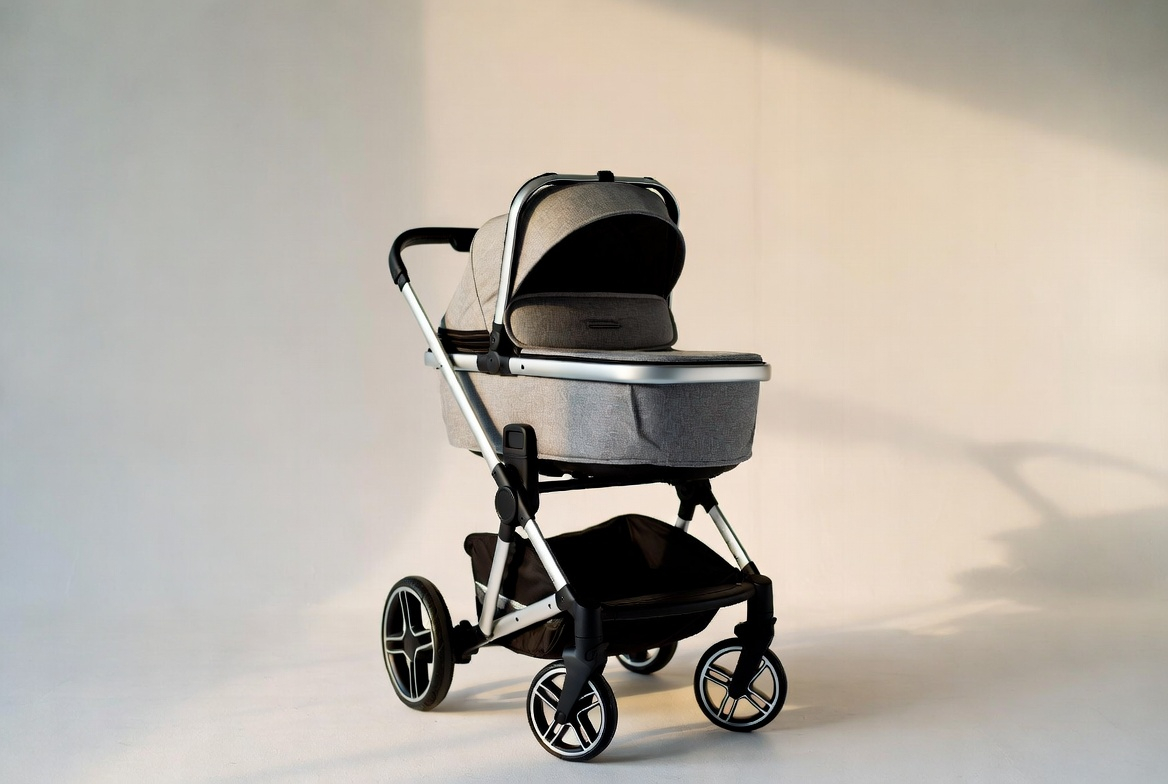
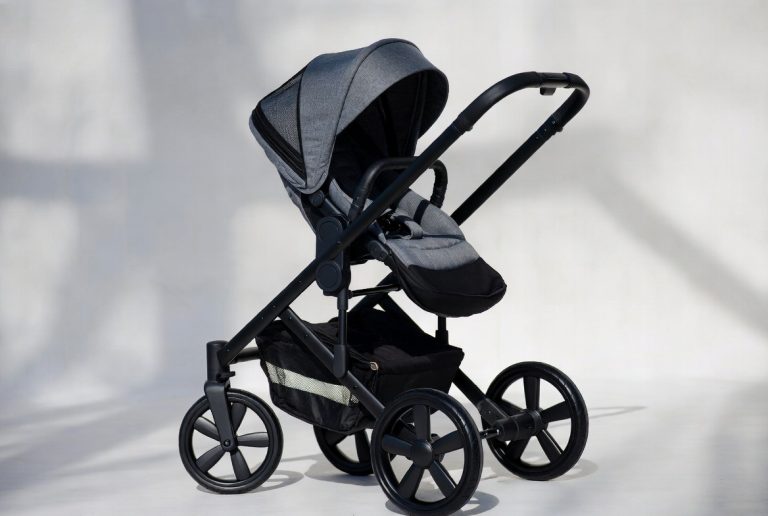
Full-size strollers are the workhorses of the stroller world. They typically offer plenty of storage space, smooth rides for your baby, and a comfortable recline position. These are great if you’re planning to use your stroller as your primary mode of transportation for your little one.
- Generous storage baskets for groceries and baby gear
- Smooth suspension systems that handle bumps well
- Often work with multiple car seat adapters
- Can be quite large and heavy to transport
- Usually the most durable option for long-term use
Lightweight and Umbrella Strollers
If you’re constantly on the move and need something easy to carry, lightweight strollers might be calling your name. These are perfect for travel, quick errands, or as a second stroller option. However, don’t mistake lightweight with cheap—there’s a big difference between an affordable lightweight stroller and a quality one.
Umbrella strollers earned their name because they fold up compactly, kind of like an umbrella. They’re fantastic for vacations and situations where you’re moving between cars or public transportation frequently. The trade-off is that they usually have smaller storage areas and simpler suspension systems.
Jogging Strollers for Active Families
Are you someone who can’t imagine giving up your morning runs just because you have a baby? A jogging stroller might be your answer. These specialized strollers feature larger wheels, superior suspension, and a design that handles uneven surfaces gracefully.
I should mention that jogging strollers are typically heavier and bulkier than regular options, and they’re not ideal for everyday shopping trips. But if you’re an active parent who loves the outdoors, the investment in a quality jogging stroller pays dividends in terms of convenience and your sanity.
Travel Systems: The All-in-One Solution
Travel systems combine a stroller frame with a car seat, creating a convenient all-in-one solution for new parents. The benefit is obvious: you can transfer your sleeping baby from the car directly into the stroller without waking them. The downside is that you’re locked into using that specific car seat brand.
Travel systems work brilliantly during those early newborn months when you’re making frequent trips in and out of the car. But as your child grows, you might find yourself wanting flexibility that travel systems don’t always provide.
Key Features That Actually Matter
Now let’s talk about the specific features that separate a decent stroller from a truly great one. These aren’t just marketing buzzwords—they make a real difference in your daily experience.
Wheel Quality and Suspension
Have you ever noticed how some strollers glide smoothly over bumps while others jolt with every crack in the sidewalk? That’s all about wheels and suspension. Quality strollers feature wheels that are appropriately sized for their intended use and suspension systems that absorb impact.
Larger wheels generally handle rough terrain better, but they also make the stroller bulkier. Smaller wheels are fine for smooth city streets. The suspension system is equally important—it’s what ensures your baby gets a comfortable ride even when you’re navigating less-than-perfect surfaces.
Recline Options and Seating Comfort
Can the seat recline completely flat? This matters more than you might think, especially for newborns who need to be flat for safety reasons. As your baby grows, you’ll appreciate having multiple recline positions.
The seat padding and fabric quality also contribute to your child’s comfort during long outings. Some strollers use breathable materials that help prevent overheating, while others prioritize plushness. Think about your climate and your baby’s needs.
Fold Size and Storage Capacity
When you’re buying a stroller, imagine yourself at the grocery store with one hand full of bags and a toddler holding the other. Can you fold that stroller one-handed? How much space does it take up when folded? These practical questions matter more than you’d expect.
Similarly, evaluate the storage basket. A small basket forces you to carry a diaper bag on your shoulder, while a generous basket means you can carry snacks, extra clothes, and supplies without feeling like a pack mule.
Handlebar Height and Parent Comfort
This is something many parents overlook, and it’s a shame because you’re going to be pushing this stroller for hours. If the handlebar is too low or too high for your height, you’ll end up with back pain and discomfort.
Some strollers offer adjustable handlebars, which is fantastic if your partner is significantly taller or shorter than you. Even if yours doesn’t adjust, you should test it out in person to ensure it feels comfortable.
Durability: Investing in Quality
A stroller is a significant investment, and you want it to last. The cheapest option isn’t always the worst choice, but you do get what you pay for in the stroller market.
Frame Construction Materials
Look for aluminum frames or high-quality steel. These materials hold up better over time than plastic frames. A sturdy frame is essential—this is what everything else hangs on, and a weak frame compromises the entire stroller’s safety and performance.
Wheel Durability and Replacements
Eventually, your stroller’s wheels will wear out or need replacement. Quality stroller manufacturers make replacement parts easily available and reasonably priced. Cheap brands sometimes discontinue products within a year, leaving you unable to find replacement wheels when you need them.
Fabric and Seating Longevity
Real talk: stroller fabrics take a beating. They’re exposed to weather, food spills, and the general wear and tear of parenthood. Quality strollers use durable, stain-resistant fabrics that can be wiped clean or even washed.
Check whether the seat padding is wrapped in fabric that can be removed and laundered. This simple feature can extend the life of your stroller by years.
Budget Considerations
How much should you spend on a stroller? That depends entirely on your situation. Let me break down the price ranges and what you can expect.
Budget Options: $100-$300
You can find decent basic strollers in this range. They’ll get the job done, but you might experience some durability concerns over time. These are good options if you’re planning to have more children and want to pass the stroller down, or if you only use it occasionally.
Mid-Range Strollers: $300-$800
This is where most quality strollers live. You’re paying for better materials, smoother suspension, and features that actually improve your daily experience. Most parents find this range offers the best value for their money.
Premium Strollers: $800 and Up
High-end strollers offer luxury finishes, premium materials, and sometimes unique features you won’t find elsewhere. If you’re having multiple children or you value top-tier quality and aesthetics, these might be worth the investment.
The Cost Per Use Calculation
Here’s a helpful way to think about stroller costs: calculate the cost per use. If you spend six hundred dollars on a stroller and use it five times a week for four years, you’re looking at less than fifteen cents per use. Suddenly that mid-range stroller seems incredibly reasonable.
Safety Features You Can’t Ignore
Your baby’s safety is paramount, so let’s discuss the safety features that matter most.
Harness Systems and Restraints
A good harness keeps your child securely seated. Five-point harnesses offer better security than three-point options. Make sure the harness is easy to adjust as your child grows and that it’s simple to buckle and unbuckle.
Brake Systems
Quality brakes are essential, especially if you live in a hilly area or frequently navigate sloped surfaces. Test the brakes before purchasing—they should engage smoothly and hold the stroller firmly in place.
Wheel Locks and Swivel Options
Many strollers feature both locking and swiveling wheels. Locked wheels provide stability when you’re standing still, while swiveling wheels make maneuvering easier. The best strollers let you switch between these options depending on your needs.
Testing Before You Buy
Never buy a stroller online without testing it first, if you can help it. Visit a store and actually push the stroller around. Open and close the fold mechanism. Sit your child in the seat if you have one with you. These real-world tests reveal issues that pictures and descriptions can’t capture.
What to Test in the Store
- How smoothly does it turn and maneuver?
- Does the handlebar height feel comfortable for you?
- Is the fold mechanism intuitive and one-handed?
- Does the storage basket feel adequately sized?
- How does the seat feel when you sit your child in it?
- Can you easily adjust the recline?
- Do the wheels feel responsive and smooth?
Reading Reviews and Gathering Opinions
Online reviews can provide valuable insights, but take them with a grain of salt. One parent’s deal-breaker might not bother you at all. Look for patterns in reviews rather than focusing on individual complaints.
Parent forums and local parenting groups are goldmines of information. These real parents will give you honest feedback about which strollers work well in your specific climate and terrain. They’ll also tell you which brands have great customer service if you need to contact them with issues.
New vs. Used Strollers
Buying a used stroller can save significant money, but you need to inspect it carefully. Check for cracks in the frame, damaged wheels, torn fabric, and malfunctioning mechanisms. Make sure all safety features work properly.
The advantage of buying used is that you can afford a higher-quality stroller for the same price as a cheaper new one. The disadvantage is you won’t have a warranty, and if something breaks, it’s on you to fix it.
Adapting Your Stroller for Growth
Your stroller needs will change as your child grows. A newborn needs a completely flat position for safety, but a toddler might prefer sitting upright to see the world. Some strollers handle this transition better than others.
From Newborn to Toddler
Full-size strollers with excellent recline options work well from birth through the toddler years. Some parents pair a travel system for the newborn phase with a lightweight stroller for later, which works if you have the budget.
Sibling Considerations
If you’re planning to have more children, look for strollers designed to accommodate a second seat or ride-along board. This saves you from needing to buy a completely different stroller when your second child arrives.
Conclusion
Choosing the right stroller is one of those parenting decisions that actually pays dividends over time. It’s not just about getting from point A to point B—it’s about comfort, safety, and maintaining your sanity during those busy early parenting years.
Start by honestly assessing your lifestyle and needs. Consider the different stroller types and decide which features matter most to you. Set a realistic budget and remember that quality usually means fewer headaches down the road. Always test strollers in person when possible, read multiple reviews, and don’t be afraid to ask other parents in your community for recommendations.
The perfect stroller won’t suddenly make parenting easy, but the right choice will make your days smoother and more enjoyable. You’ll spend hours pushing that stroller, so investing time in selecting the best option for your family is absolutely worth it. Trust your instincts, do your research, and you’ll find a stroller that serves your family well for years to come.
Frequently Asked Questions
At what age can babies use a stroller?
Newborns can use a stroller from birth, but they need a completely flat recline position for the first few months to protect their airways and spine. Most newborns transition to a more upright position around four to six months old, though many parents prefer to keep them flat longer. Always check that your stroller provides a fully flat option if you’re bringing a newborn home from the hospital. If you’re buying a travel system, make sure the infant car seat and stroller base are compatible and safety-approved.
How long will my child use a stroller?
Most children use strollers until they’re between three and five years old, though some kids continue using them longer depending on family preferences and circumstances. A three-year-old who walks a lot might not need the stroller as much, while another three-year-old might still use it regularly for longer outings. The good news is that a quality st
![10 Best Affordable Double Stroller For Baby And Toddler [2026]](https://bestbabystrollerjudge.com/wp-content/uploads/2026/09/10-best-affordable-double-stroller-for-baby-and-toddler-2026-featured-768x432.jpg)
![10 Best All Terrain Baby Stroller [2026]](https://bestbabystrollerjudge.com/wp-content/uploads/2026/08/10-best-all-terrain-baby-stroller-2026-featured-768x432.jpg)