
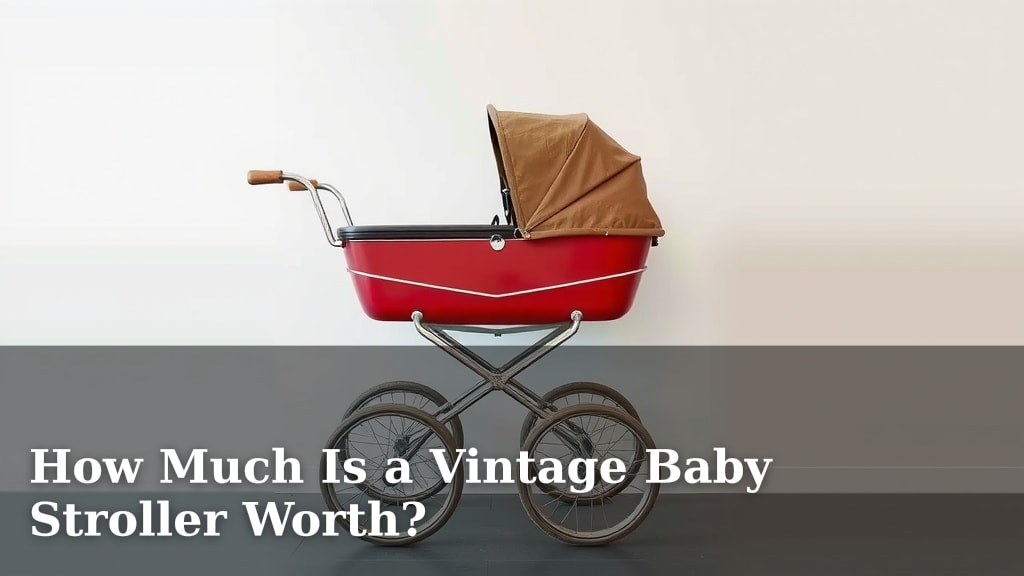
How Much Is a Vintage Baby Stroller Worth?
The worth of a vintage baby stroller can range wildly, from under $50 for common models to well over $1,000 for rare, antique finds. Your stroller’s value depends on its age, condition, brand, and overall rarity. Think of it like a classic car; a pristine 1920s Silver Cross is worth much more than a slightly worn 1970s Graco.
Many collectors search for vintage baby strollers for their historical charm and unique craftsmanship. These aren’t just baby carriers; they’re pieces of history. Some are incredibly ornate, while others represent iconic designs from past eras. The market for these items is smaller than for new strollers, but enthusiasts will pay a premium for the right piece.
- Vintage stroller value depends heavily on age and condition.
- Rare brands and antique models command the highest prices.
- Condition is key: look for rust, tears, and missing parts.
- Authenticity and originality add to the stroller’s worth.
So, how do you figure out what your specific vintage baby stroller might be worth? Let’s look at the factors that really make a difference.
“`htmlUnderstanding Your Vintage Stroller’s Market Value
So, you’ve got a vintage baby stroller sitting around. Maybe it’s a family heirloom, or perhaps you found a gem at an antique shop. You’re probably wondering, “What is this thing actually worth?” The truth is, its price tag can swing wildly.
We found that a stroller’s worth isn’t just about how old it is. It’s a mix of factors, kind of like dating a classic car. A super rare model in mint condition can fetch a pretty penny, while a more common one with a few bumps might be worth much less. Let’s break down what makes one stroller more desirable than another to collectors and potential buyers.
Age and Era: A Blast from the Past
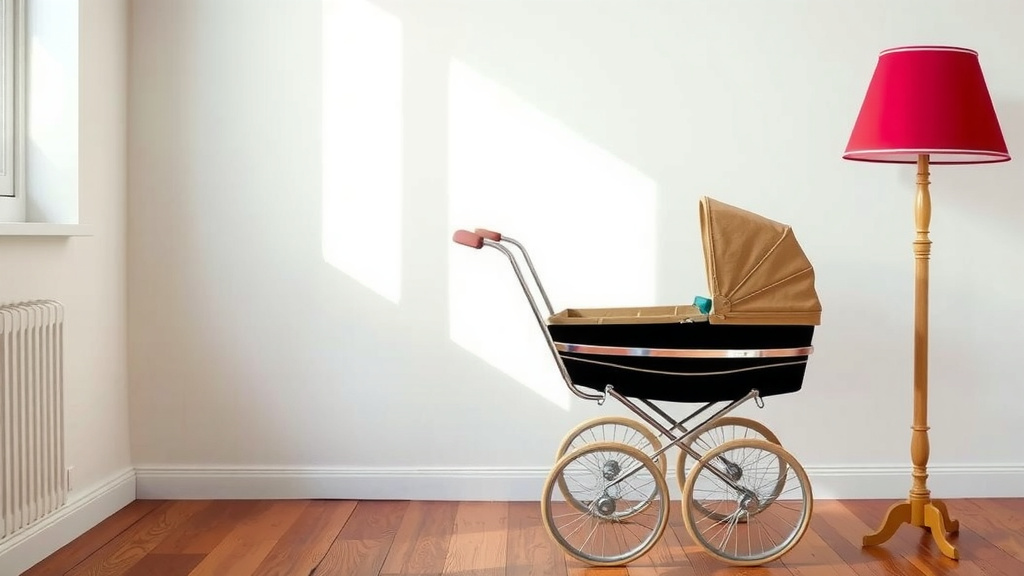
The earlier a stroller was made, the more likely it is to be a collector’s item. Think pre-World War II models. These often feature unique designs and materials that just aren’t made anymore. For instance, ornate metalwork and intricate wicker are hallmarks of older, more valuable pieces.
Mid-century strollers (think 1950s and 1960s) also have their fans. These often represent a shift towards more functional, yet still stylish, designs. Chrome accents and bolder colors were popular then. Strollers from the 1970s and 1980s might be considered vintage by some, but they tend to be less sought-after by serious collectors unless they have a truly iconic design or are in pristine condition.
Brand Name: Does It Ring a Bell?
Just like with modern baby gear, certain brand names carry more weight in the vintage market. Some manufacturers have a long history of producing high-quality, stylish strollers that are now considered collectible.
Brands like Silver Cross are legendary. They’ve been making luxury prams since the early 1900s. A vintage Silver Cross in good shape can easily be worth hundreds, if not thousands, of dollars. Other names that might command attention include Emmaljunga, Maclaren (especially their earlier models), and even some less common European brands.
If your stroller has a well-known, reputable brand name from its era, you’re likely in a better position. We found that collectors often seek out these brands because they’re associated with quality and a certain prestige.
Condition is King: What to Look For
This is arguably the most critical factor in determining a stroller’s worth. Even the rarest stroller won’t fetch much if it’s falling apart.
Here’s a checklist of things to inspect:
- Rust: Check the metal frame, wheels, and any hardware. Heavy rust can be a dealbreaker.
- Fabric Tears and Stains: The upholstery, canopy, and any padding should be in decent condition. Minor wear is expected, but significant rips, holes, or indelible stains will lower the value.
- Missing Parts: Are all the wheels there? Is the brake mechanism functional? Are there any decorative elements missing? Complete strollers are always more desirable.
- Wheels and Movement: Do the wheels turn smoothly? Are they wobbly or damaged? A stroller that rolls well is much more appealing.
- Originality: Has it been restored? While restoration can make a stroller usable, original parts and finishes are often preferred by serious collectors.
We found that a stroller that’s been kept indoors and away from the elements will almost always be in better condition. If yours looks like it spent years in a damp shed, it might require significant restoration, which eats into its potential market value.
Minor Repairs vs. Major Overhauls
Small fixes are one thing. If you can easily clean up some grime or tighten a loose screw, that’s great! However, if the frame is bent, the fabric is shredded, or the wheels are seized, it’s a much bigger job. Such extensive damage significantly reduces the stroller’s appeal to most buyers.
Rarity and Uniqueness: Standing Out from the Crowd
Some strollers are rare simply because not many were made. Others might be unique due to a special design feature, a limited edition run, or an unusual color. Think of a stroller that looks like a miniature carriage or one with an exceptionally elaborate canopy.
We found that anything that makes a stroller stand out can increase its desirability. Was it a prototype? Did it belong to someone famous? While hard to prove, such provenance can dramatically boost value. More commonly, rarity comes down to design quirks or unusual manufacturing.
The Market for Vintage Strollers: Who’s Buying?
The market for vintage baby strollers isn’t as vast as for, say, vintage clothing or furniture. However, there are dedicated collectors out there.
Who are these collectors?
- Nostalgic Buyers: People who had a similar stroller as a child, or whose parents did. They seek it for sentimental reasons.
- Design Enthusiasts: Individuals who appreciate the aesthetic and craftsmanship of a bygone era. They might use it as a decorative piece or for photography props.
- Re-enactors or Period Enthusiasts: People involved in historical re-enactments who need authentic accessories.
- Parents Seeking Unique Gear: A small segment of new parents might opt for a restored vintage stroller for a unique look, though practicality is often a concern here.
The price you can ask often depends on finding the right buyer. A stroller that seems unremarkable to one person might be exactly what another collector has been searching for.
Estimating Your Stroller’s Worth: Putting It All Together
To get a ballpark figure, you need to do a little detective work. Start by identifying the brand and approximate age of your stroller. Then, assess its condition honestly.
Here’s a simple way to think about it:
Factors Influencing Value
| Factor | Impact on Value | Notes |
|---|---|---|
| Age (Antique – Pre-1950s) | High | Older models often more desirable if in good condition. |
| Brand Recognition | Medium to High | Well-known brands like Silver Cross add significant worth. |
| Condition (Excellent) | Very High | Minimal rust, tears, or missing parts. Rolls smoothly. |
| Condition (Fair) | Low to Medium | Visible wear, some minor damage, may need cleaning. |
| Rarity/Unique Design | Medium to High | Unusual features or limited production can boost price. |
| Completeness | Medium | All original parts present. |
Next, do some online research. Look for similar strollers being sold on platforms like eBay, Etsy, or specialized vintage collector sites. Pay attention to both the asking price and the actual selling price. Many items are listed for one price but sell for much less.
We found that comparing your stroller to sold listings gives you the most realistic idea of its market value. Remember, a stroller in near-perfect, original condition from a top-tier brand will command the highest prices. Strollers needing significant work or those from less-known manufacturers will fall at the lower end of the spectrum.
“`
Conclusion
So, you’ve learned that your vintage baby stroller’s worth hinges on a few key things: its age, brand, and condition. Rare, well-preserved models from respected manufacturers like Silver Cross can be quite the find, fetching hundreds or even over a thousand dollars. Less common or well-worn strollers will naturally be on the lower end. The market exists, filled with nostalgic buyers and design lovers.
Your next step? Do your research. Take clear photos and search online marketplaces for similar strollers that have actually sold. This will give you the most realistic idea of what you can expect.
Frequently Asked Questions
How do I know if my stroller is truly antique?
Generally, strollers made before 1950 are considered antique. Look for materials like ornate metalwork, wicker, or unique wooden components, as these often indicate an older piece. Your stroller’s design and construction style can also offer clues to its era.
Is it worth restoring a vintage stroller?
Restoring a stroller can increase its appeal, but it depends on the extent of the work. Minor cleaning and repairs are usually beneficial. However, extensive restoration, especially if using non-original parts, might decrease its value to serious collectors who prefer originality.
Where is the best place to sell a vintage baby stroller?
Online marketplaces like eBay and Etsy are popular choices for vintage items. Consider specialized antique or collector forums as well. If your stroller is particularly rare or valuable, consigning it with an antique dealer might be an option.
What if my stroller is missing a few small parts?
Missing parts will generally lower a stroller’s value, especially if they are essential for its function or original appearance. If the missing parts are common or easily replicated, you might still find a buyer. However, complete strollers are always more desirable to collectors.
Can vintage strollers be used for actual babies today?
While some restored vintage strollers might be functional, it’s generally not recommended for safety reasons. Modern strollers undergo rigorous safety testing that older models did not. Most buyers seek vintage strollers for decorative purposes, display, or photography props.
![10 Best Luxury Baby Stroller [2026]](https://bestbabystrollerjudge.com/wp-content/uploads/2026/08/10-best-luxury-baby-stroller-2026-featured-768x432.jpg)
![10 Baby Bargains Best Jogging Stroller [2026]](https://bestbabystrollerjudge.com/wp-content/uploads/2026/08/10-baby-bargains-best-jogging-stroller-2026-featured-768x432.jpg)
![10 Best Baby Stroller And Car Seat Combo [2026]](https://bestbabystrollerjudge.com/wp-content/uploads/2026/08/10-best-baby-stroller-and-car-seat-combo-2026-featured-768x432.jpg)
![10 Best Baby Stroller Travel System [2026]](https://bestbabystrollerjudge.com/wp-content/uploads/2026/08/10-best-baby-stroller-travel-system-2026-featured-768x432.jpg)