
How Much Should a Baby Weigh for a Front Facing Stroller?
Most front-facing strollers have a weight limit between 40 to 50 pounds. Your baby should be able to support their own head and sit up unassisted before transitioning to a front-facing stroller. Always check your specific stroller’s manufacturer guidelines for the exact weight and age recommendations.
Making sure your little one meets the stroller’s weight and developmental milestones is key for safety. It ensures they can sit properly and are comfortable in the seat. Many parents wonder about this transition, wanting to give their child more freedom to see the world. We found that understanding these limits helps you choose the right time for this exciting step.
- Weight Limit: Typically 40-50 lbs.
- Developmental Stage: Baby should sit up unassisted.
- Check Your Stroller: Always consult the manual.
- Safety First: These guidelines ensure a secure ride.
Let’s walk through what to consider when deciding if your baby is ready for a front-facing stroller, covering weight and developmental cues.
When Can Your Baby Use a Front-Facing Stroller?
The transition to a front-facing stroller is an exciting milestone! You’re likely wondering about the specific weight requirements and developmental cues. Generally, a front-facing stroller is suitable for babies who can sit up unassisted and meet the stroller’s weight limit, often around 40 to 50 pounds.
Understanding Stroller Weight Limits
Every stroller has a maximum weight capacity. This isn’t just a suggestion; it’s a critical safety feature. Exceeding this limit can compromise the stroller’s stability and braking system. This can lead to dangerous situations when you’re out and about.
Typical Weight Ranges for Front-Facing Strollers
Most standard front-facing strollers are designed to hold children up to 40 or 50 pounds. Some heavier-duty models might go higher, up to 65 pounds. It’s always best to check the specific manufacturer’s label on your stroller. This label is usually found on the frame or in the user manual.
Why Weight Matters for Safety
A stroller’s design accounts for a certain amount of weight. This includes the child, any added accessories, and perhaps a diaper bag. When the stroller is overloaded, it can become wobbly. It might be harder to steer and brake effectively. Research shows that proper weight distribution is key to stroller stability (Consumer Product Safety Commission).
Developmental Milestones: More Than Just Weight
While weight is a big factor, your baby’s development plays an equally important role. A front-facing position offers a different experience than a rear-facing one. Your baby needs to be ready for it!
The Importance of Sitting Up Unassisted
The biggest developmental cue is your baby’s ability to sit up independently. This means they can maintain an upright posture without support. This usually happens around 6 to 9 months of age. Why is this so important? In a front-facing stroller, your baby is sitting more upright.
If your baby isn’t quite steady, they might slump. This can make it hard for them to breathe comfortably. It also increases the risk of them falling out. They need good core strength to handle this position securely. Many pediatricians recommend waiting until your baby has mastered sitting unassisted before moving to a front-facing setup.
Head and Neck Control
Before they can sit up well, babies need strong head and neck control. If your baby still has a “bobble head” or needs constant support for their head, they aren’t ready. Front-facing seats offer less head and neck support than infant car seats or bassinet-style stroller attachments.
Cognitive and Social Readiness
As babies grow, they become more curious about the world. A front-facing stroller lets them see everything! They can watch people, notice sights, and engage more with their surroundings. If your baby is constantly trying to look around and seems easily bored when facing you, they might be ready for the world to come to them.
When to Consult Your Stroller’s Manual
We can’t stress this enough: always check your stroller’s manual. Every stroller is different. The manufacturer knows their product best. They provide specific guidelines for age, weight, and even height for both rear-facing and front-facing modes.
Finding the Manual
If you can’t find the physical manual, a quick search online should do the trick. Look for the stroller’s brand and model name. Most manufacturers have a support section on their website with downloadable manuals.
What to Look For in the Manual
Pay close attention to sections detailing:
- Weight limits for each seating mode (rear-facing, front-facing).
- Recommended age or developmental stage for each mode.
- Safety warnings and best practices.
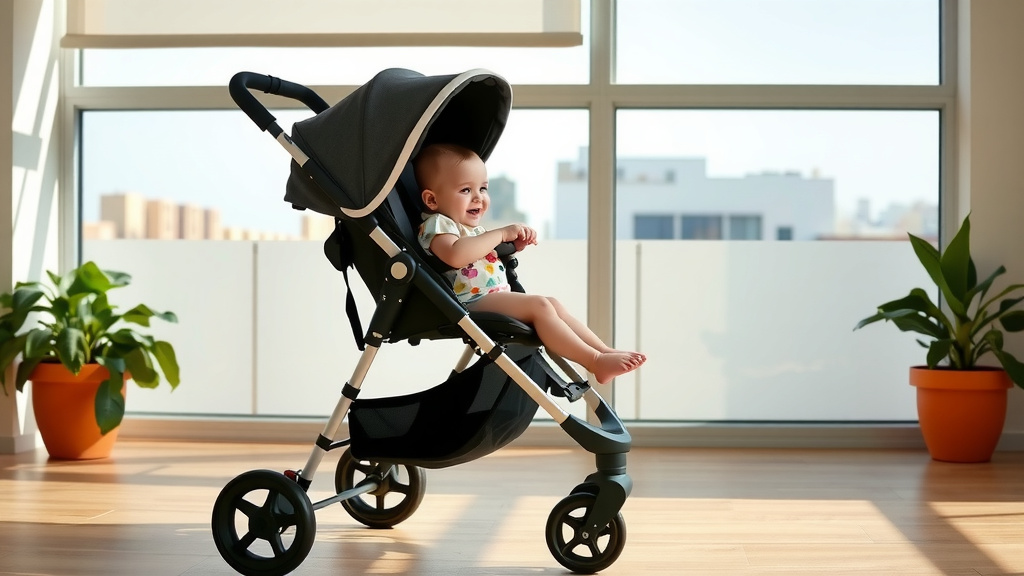
Comparing Stroller Types and Their Suitability
Not all front-facing strollers are created equal. Some are designed for newborns with full recline options, while others are for older babies and toddlers.
Strollers with Full Recline Features
Many strollers offer a multi-position recline. This means the seat can go almost flat. These are often suitable for younger infants, even before they can sit up perfectly. In a fully reclined position, the baby is more supported. However, you should still check the manual to ensure this mode is appropriate for your infant.
Standard Front-Facing Seats
These are typically for babies who can sit up well. The seat has a more upright position. The harness system is designed to keep a sitting child secure. If your baby can’t hold themselves upright in this position, this type of seat might not be the best fit yet.
A Quick Checklist for Readiness
Before you switch your little one to a front-facing stroller, ask yourself these questions:
- Can my baby sit up completely unassisted for extended periods?
- Does my baby have good head and neck control?
- Has my baby reached the minimum weight requirement for the front-facing mode?
- Does my stroller manual approve of front-facing use for my baby’s current stage?
- Is my baby showing signs of wanting to see more of the world?
Making the Transition Safely
Your baby’s safety and comfort are your top priorities. By understanding both weight limits and developmental cues, you can make an informed decision. Don’t rush the process. Enjoy each stage of your baby’s growth!
Conclusion
You’ve learned that transitioning your baby to a front-facing stroller involves more than just hitting a weight milestone. While most strollers have limits around 40 to 50 pounds, your baby’s ability to sit up unassisted and maintain good head and neck control are just as important for safety and comfort. Always trust your stroller’s manual for the most accurate guidelines tailored to your specific model. When you feel confident your baby meets these developmental and weight criteria, you can confidently let them explore the world face-forward. Take this step when you’re both ready for a new adventure!
Frequently Asked Questions
What if my baby is under the weight limit but can’t sit up yet?
If your baby can’t sit up unassisted, they are likely not ready for a standard front-facing stroller. Their core muscles aren’t developed enough to maintain a stable, upright position. You should continue using a rear-facing option or a stroller with a bassinet attachment until they reach this developmental milestone.
Can I use a front-facing stroller if my baby meets the weight limit but is still a bit wobbly when sitting?
A bit of wobbliness can still be risky. Your baby needs to be able to sit securely without constant support to prevent slumping, which can affect breathing and posture. It’s best to wait until they can sit confidently and for longer periods. Always prioritize their stability over just the weight limit.
Are there special front-facing strollers for younger babies?
Yes, some strollers offer multi-position recline seats that can go nearly flat. These seats are designed to provide more support for younger infants who may not yet sit up perfectly. However, you still need to check the stroller’s manual to confirm its suitability and weight recommendations for this mode.
How do I know if my baby is showing signs of wanting to see the world more?
You might notice your baby constantly trying to crane their neck to look around, especially when they’re in a stroller or carrier facing you. They may seem more engaged and curious about their surroundings when they have a clear view of what’s ahead, rather than just seeing your face.
What’s the main difference between a rear-facing and a front-facing stroller for the baby?
In a rear-facing stroller, your baby faces you, offering a sense of security and allowing you to easily interact. A front-facing stroller allows your baby to look outwards, stimulating their curiosity and allowing them to engage with their environment. The main physical requirement for front-facing is the ability to sit up securely.
![10 Best Affordable Baby Stroller Travel System [2026]](https://bestbabystrollerjudge.com/wp-content/uploads/2026/09/10-best-affordable-baby-stroller-travel-system-2026-featured-768x432.jpg)
![10 The Best Stroller For Baby [2026]](https://bestbabystrollerjudge.com/wp-content/uploads/2026/08/10-the-best-stroller-for-baby-2026-featured-768x432.jpg)

![10 Best All In One Baby Car Seat And Stroller [2026]](https://bestbabystrollerjudge.com/wp-content/uploads/2026/09/10-best-all-in-one-baby-car-seat-and-stroller-2026-featured-768x432.jpg)