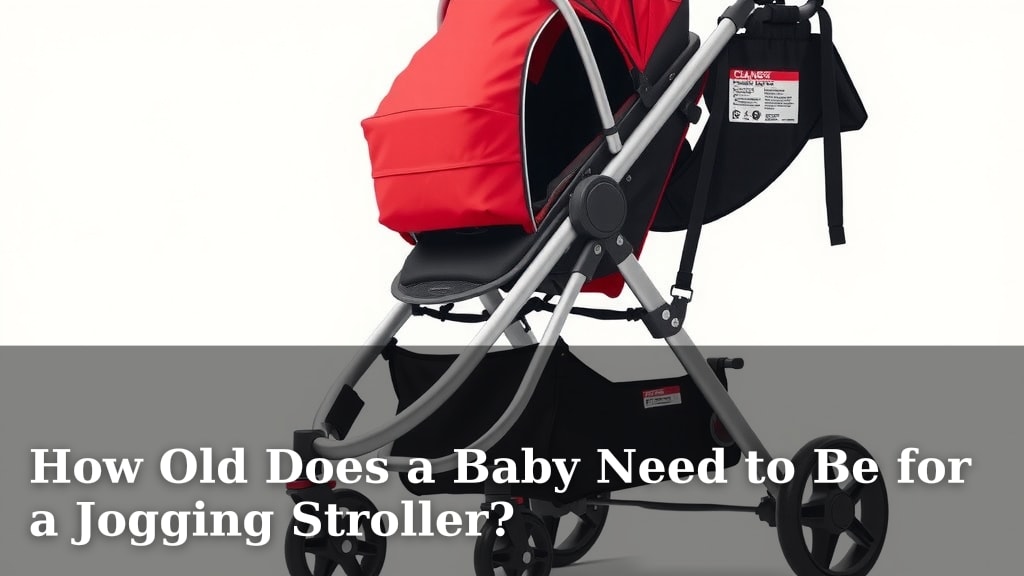
How Old Does a Baby Need to Be for a Jogging Stroller?
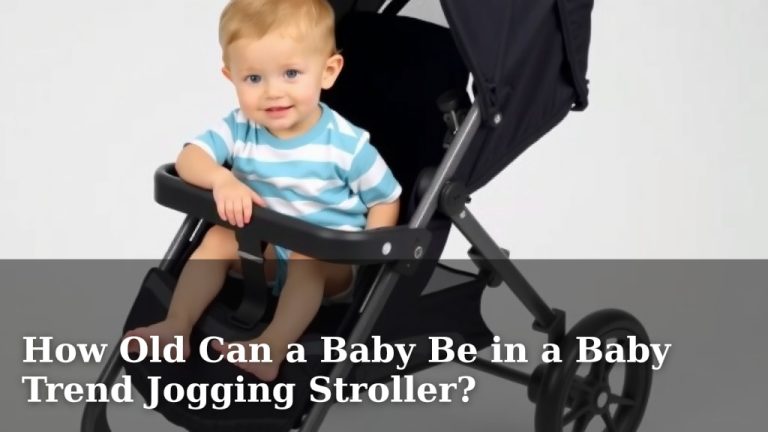
You’re probably wondering, “How old does my baby need to be for a jogging stroller?” Most experts agree that babies should be at least six months old before riding in a jogging stroller. This is because a baby’s neck muscles need to be strong enough to support their head and withstand the bouncing motion of jogging.
Before six months, your little one may not have the necessary head and neck control. Even then, it’s important to ensure the jogging stroller is specifically designed for infants and offers proper support. Always check the stroller manufacturer’s guidelines for age and weight recommendations before you start running with your baby.
- Babies generally need to be at least 6 months old.
- Their neck muscles must be strong enough for support.
- Look for strollers with infant recline features.
- Always follow the stroller’s specific guidelines.
Below, we’ll walk you through exactly when it’s safe to introduce your baby to your jogging adventures and what to look for in a jogging stroller.
When Can Your Baby Ride in a Jogging Stroller?
So, you’re eager to hit the pavement and enjoy some fresh air with your little one? It’s a fantastic way to stay active and bond. But before you strap your baby into a jogging stroller, you need to know the right time. Most pediatricians and safety organizations agree that babies should be at least **six months old** before they can safely ride in a jogging stroller.
Why the Six-Month Rule? Understanding Baby’s Development
This age recommendation isn’t arbitrary. It’s all about your baby’s physical development, specifically their **head and neck control**. Babies’ neck muscles are still developing in the early months. They need to be strong enough to hold their head up independently and to withstand the jolts and vibrations that come with running. Imagine trying to hold your head steady while someone shakes you gently – it’s not comfortable, right? For a baby, it can be even more challenging.
Many experts, including those at the American Academy of Pediatrics, suggest that a baby’s ability to sit upright with minimal support is a key indicator. Before this, their spine and neck aren’t quite ready for the dynamic movements of jogging. A baby’s head is also quite large in proportion to their body, making it harder for those underdeveloped neck muscles to support it, especially on uneven terrain.
Signs Your Baby is Ready for a Jogging Stroller
How can you tell if your little one has reached this milestone? Look for these signs:
- Your baby can sit up unsupported for extended periods.
- They can hold their head up steadily, without bobbling.
- They can look around and shift their gaze without their head falling back or forward.
- They seem comfortable and engaged when sitting in an upright position.
If your baby exhibits these signs, they are likely getting close to being ready for stroller rides. However, always remember the six-month benchmark as a general guideline. Your pediatrician can offer personalized advice based on your baby’s specific growth and development.
Choosing the Right Jogging Stroller for Your Infant
Once your baby is old enough, selecting the right jogging stroller is crucial. Not all jogging strollers are created equal, especially when it comes to accommodating infants. You need a stroller that offers **maximum support and safety**.
Features to Look For in an Infant-Friendly Jogging Stroller
When you’re shopping, keep an eye out for these essential features:
- Reclining Seat: This is perhaps the most critical feature. Look for a stroller with a deeply reclining seat that can go almost flat. This allows your baby to lie down comfortably, which is better for their developing spine. Some strollers have a full recline, while others may require a separate infant car seat adapter.
- Five-Point Harness: A secure harness is non-negotiable. A five-point harness distributes pressure evenly across your baby’s shoulders, hips, and between their legs, keeping them safely secured.
- Suspension System: A good suspension is vital for a smooth ride. It absorbs bumps and vibrations from the pavement, making the journey more comfortable for your baby and reducing stress on their developing body. Think of it like shock absorbers on a car.
- Adjustable Handlebar: While this is more for your comfort, it contributes to better stroller control, which indirectly benefits your baby’s safety.
- Large Sun Canopy: Protect your baby from the sun’s rays with a generous canopy that offers good coverage.
Infant Car Seat Compatibility
Many jogging strollers are designed for older toddlers who can sit upright. However, some manufacturers offer **infant car seat adapters**. These adapters securely attach your compatible infant car seat to the stroller frame. This is an excellent option for newborns and younger infants who aren’t yet ready for the upright seat but whose parents still want to get out and about. Always ensure the adapter is specifically designed for your stroller model and car seat brand.
Using an infant car seat with a jogging stroller is a great way to transport very young babies. The car seat provides excellent head and neck support. However, it’s important to note that some safety experts advise against prolonged periods in an infant car seat, especially if your baby is not yet sitting upright independently. Always consult your pediatrician about the best practices for your baby.
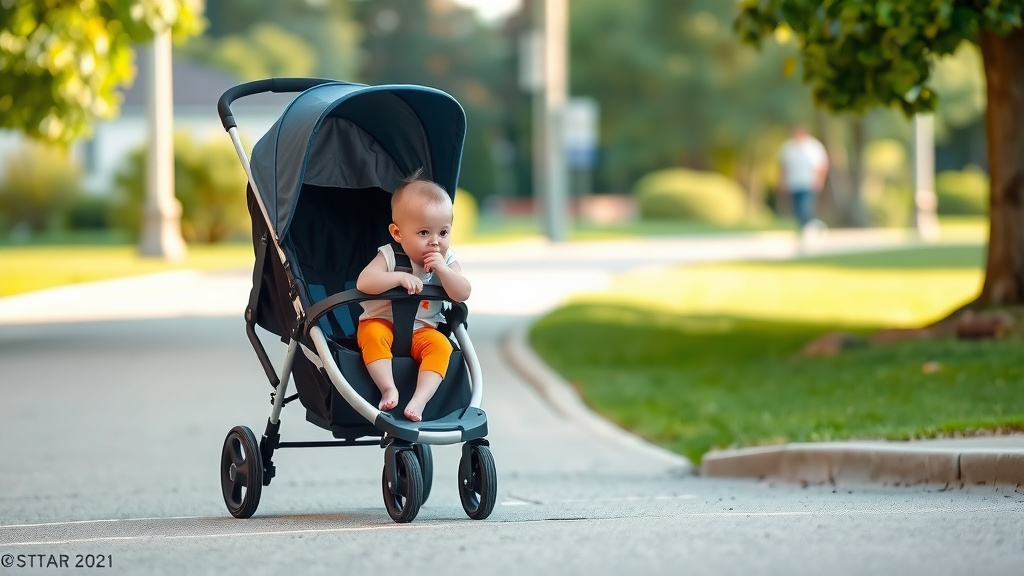
Safety First: Best Practices for Jogging with Your Baby
You’ve got the right stroller, and your baby is ready. Now, let’s talk about making your runs as safe and enjoyable as possible.
Easing Into It: Gradual Introduction to Jogging
Don’t go from zero to marathon on your first outing. Start with **short, slow walks** on smooth, paved surfaces. As you and your baby get accustomed to the motion, you can gradually increase your speed and the length of your runs. Pay close attention to your baby’s cues. If they seem fussy or uncomfortable, it’s time to slow down or stop.
We found that many parents also benefit from a practice run or two without the baby first. This helps you get a feel for how the stroller handles with weight and allows you to adjust the harness and recline settings properly. It’s like a test drive for your jogging routine.
What to Avoid: Common Jogging Stroller Pitfalls
To keep your adventures safe, be aware of these common mistakes:
- Running on Rough Terrain: Stick to paved paths, sidewalks, or smooth, packed trails. Uneven surfaces can cause the stroller to bounce excessively, potentially harming your baby.
- Exceeding Weight Limits: Always check the stroller’s weight limit for both the child and any accessories you might be using.
- Not Using the Harness: The five-point harness should always be used, even for short trips.
- Distracted Running: Keep your focus on the path ahead and your baby. Avoid using your phone or getting too caught up in your music.
Your Jogging Stroller Checklist
Before you head out for your first jog with your little one, run through this quick checklist:
- Is the harness securely fastened?
- Is the seat reclined appropriately for your baby’s age and comfort?
- Are the brakes engaged when you stop?
- Is the sun canopy providing adequate shade?
- Are the tires properly inflated?
Taking these simple steps ensures a safer and more enjoyable experience for both you and your baby. Remember, the goal is to build healthy habits and create happy memories, so patience and preparation go a long way!
Conclusion
You’re ready to hit the trails with your little one! Remember, the six-month mark is your general guideline, but always trust your baby’s development and check for their ability to hold their head up steadily. Choosing a jogging stroller with good suspension and a deep recline is key for comfort and safety. Start with short walks on smooth surfaces and gradually increase your pace. Your baby’s safety and comfort are your top priorities, so a little preparation goes a long way in making your jogging adventures enjoyable for both of you.
Frequently Asked Questions
Can I use my regular stroller for jogging?
No, it’s not recommended. Regular strollers aren’t built for the speed and uneven terrain of jogging. They lack the suspension and safety features needed to protect your baby from bumps and jolts. Jogging strollers are specifically designed with robust frames, better suspension, and secure harnesses for this purpose.
What if my baby is under six months but has good head control?
Even with good head control, it’s generally advised to wait until around six months. A baby’s neck and spine are still very delicate. Some jogging strollers offer infant car seat adapters, which provide better support for younger babies if used for short, careful outings, but direct jogging with infants under six months is usually discouraged by experts.
How do I know if the jogging stroller’s recline is good enough for an infant?
Look for a seat that reclines almost flat, similar to a bassinet. This position is best for a baby’s developing spine. If the stroller doesn’t have a full recline, check for compatibility with an infant car seat or a specific infant insert that offers ample head and neck support.
Is it okay to jog on a gravel path with a jogging stroller?
It’s best to stick to smoother surfaces. While jogging strollers have suspension, rough terrain like gravel can still cause significant jarring. This can be uncomfortable for your baby and put undue stress on their developing body. Paved paths or smooth, packed trails are ideal for jogging with an infant.
What should I do if my baby seems fussy during a jog?
If your baby becomes fussy, it’s a sign they might be uncomfortable or overstimulated. Slow down your pace, check their harness and seating position, or take a break. If the fussiness continues, it might be best to cut your jog short and try again another day. Pay attention to their cues.