
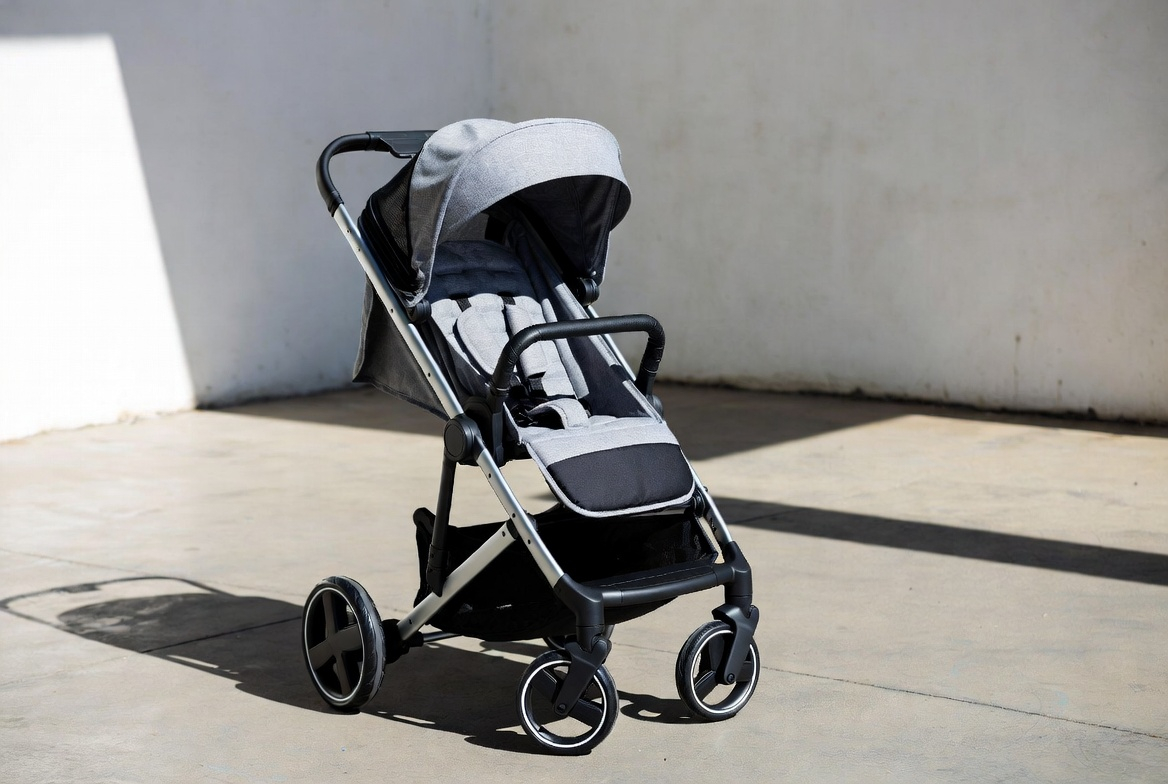
How Long Can Baby Be in Stroller Without a Break? A Complete Parent’s Guide
If you’re a parent, you’ve probably found yourself wondering whether your little one can spend an entire afternoon in the stroller while you run errands or enjoy a leisurely day out. It’s a question that doesn’t have a one-size-fits-all answer, and honestly, that’s what makes parenting so interesting, right? Every baby is different, and understanding the right balance between stroller time and active movement is crucial for your child’s development and comfort.
Let me be straight with you—there’s no magic number of hours that applies to every baby. However, there are definitely guidelines, developmental considerations, and practical tips that can help you make the best decision for your little one. In this comprehensive guide, we’re going to explore everything you need to know about how long babies can safely spend in strollers, what factors influence this timeframe, and how to recognize when your baby needs a break.
Understanding Your Baby’s Development Stage
Before we dive into specific time recommendations, it’s important to recognize that your baby’s age plays a significant role in determining how long they can comfortably stay in a stroller. Think of it like this—just as you wouldn’t expect a toddler to run a marathon, you shouldn’t expect a newborn to handle the same stroller time as a three-year-old.
Newborns (0 to 3 Months)
When your baby is brand new, they’re essentially adjusting to life outside the womb. Newborns spend most of their time sleeping, and honestly, a stroller can be a wonderful tool for this. Many parents find that the gentle motion of the stroller actually helps their newborns drift off to sleep. For newborns, short stroller trips of 30 minutes to an hour are typically plenty, especially in the early weeks. Your main focus should be on feeding schedules and comfort rather than extended outings.
Young Infants (3 to 6 Months)
As your baby enters the three to six-month range, they’re becoming more alert and interactive with their surroundings. This is when you might notice your baby actually enjoying the sights and sounds around them during stroller walks. You can gradually extend stroller time to about one to two hours, keeping in mind that your baby still needs frequent feeding and diaper changes.
Older Infants (6 to 12 Months)
Between six and twelve months, babies develop stronger necks, better sitting posture, and increased curiosity about the world. This is typically when you can confidently extend stroller sessions to two to three hours without major concerns. However, keep in mind that babies at this age are also starting to explore, so they might get restless if confined too long.
Toddlers (1 to 3 Years)
Once your child reaches toddler age, they have bundles of energy and a strong desire to explore independently. While they can technically stay in a stroller for longer periods, they might not want to. Many toddlers can manage two to four hours in a stroller, but they’ll likely need breaks to walk, climb, and play during that time.
Recommended Time Guidelines by Age
So what does the research actually tell us? Pediatricians and child development experts have provided some helpful guidelines, though remember these are recommendations rather than strict rules.
The General Rule of Thumb
A commonly cited guideline suggests that babies should spend no more than one to two hours at a time in a stroller, particularly during their first year. This isn’t because strollers are inherently harmful, but rather because babies benefit from varied positions, physical movement, and the chance to explore their environment in different ways.
- Newborns to 3 months: 30 minutes to 1 hour per outing
- 3 to 6 months: 1 to 2 hours per outing
- 6 to 12 months: 1.5 to 3 hours per outing
- 12 months and older: 2 to 4 hours per outing, with breaks
Physical Health Considerations When Baby Is in Stroller
Spending time in a stroller isn’t just about comfort—it actually affects your baby’s physical development. Understanding these considerations can help you make informed decisions about stroller time.
Spinal Development and Posture
When your baby is in a stroller, especially a reclining one for younger infants, their spine is in a supported but relatively fixed position. Extended periods in this position can potentially affect spinal development, which is why variation matters so much. Your baby’s spine develops best when they experience different positions—lying on their back, their stomach, being held, and eventually moving independently.
Hip and Leg Development
Babies need space to move their legs freely to develop proper hip and leg muscles. A stroller, by its nature, restricts this movement. This doesn’t mean strollers are bad—they’re incredibly practical tools—but it means they shouldn’t be your baby’s only environment for extended periods. Think of it like this: you wouldn’t ask an adult to sit in the same position for four hours straight, right?
Muscle Strength and Motor Skills
Babies develop strength and motor skills through movement and exploration. When they’re confined to a stroller, they can’t practice rolling, reaching, crawling, or walking. While a couple hours in a stroller won’t harm development, prolonged daily stroller time can potentially delay the achievement of developmental milestones.
Signs Your Baby Needs a Movement Break
- Your baby seems fussy or restless
- They’re straining against the harness or trying to move around excessively
- They’ve been in the stroller for more than two hours
- They’re showing signs of back or neck discomfort
- They’re overstimulated from sights and sounds
Environmental and Comfort Factors to Consider
Beyond age and development, several environmental factors should influence how long your baby spends in a stroller during any given outing.
Weather Conditions
I can’t stress this enough—weather matters tremendously. On a hot summer day, your baby can overheat in a stroller much faster than you might realize. The enclosed space, even with good ventilation, can trap heat. Conversely, in cold weather, your baby loses body heat quickly. Limit stroller time during extreme weather, and always dress your baby appropriately for the conditions.
Sun Exposure
Even with a canopy, extended sun exposure isn’t ideal for babies. Babies under six months shouldn’t have direct sun exposure, and older babies need sun protection. If you’re planning a long outdoor outing, aim to do it during times of day with less intense sun, or plan breaks in the shade.
Noise and Stimulation Levels
Some environments are incredibly stimulating for babies—think busy shopping malls, crowded festivals, or noisy restaurants. In these settings, your baby might become overwhelmed more quickly and need breaks sooner than they would during a quiet park walk.
Feeding and Diaper Schedules
This is practical stuff that affects stroller time significantly. A hungry baby won’t be happy in a stroller, no matter how comfortable it is. Similarly, a baby with a full diaper needs attention sooner rather than later. Plan your stroller outings around feeding and diaper change schedules, especially with younger babies.
Is Prolonged Stroller Time Harmful to Babies?
Let’s address the elephant in the room—you might have heard concerns about babies spending too much time in strollers. Is there actual research behind these concerns, or is it just another parenting worry to lose sleep over?
What Research Shows
The good news is that occasional extended stroller time isn’t inherently harmful. Babies who spend two or three hours in a stroller on certain days while getting plenty of floor time, carrying, and free movement on other days develop just fine. The concern arises when stroller use becomes the primary environment for a baby throughout their entire day.
Some studies have suggested that excessive stroller time—meaning consistent, prolonged daily use over extended periods—might be associated with delayed motor development. However, other factors usually play a role in these cases, such as limited tummy time, reduced carrying, and overall reduced physical activity.
The Balance is Key
Rather than worrying about whether a single long stroller trip will harm your baby, focus on overall patterns. Does your baby spend most days in varied environments and positions? Do they get floor time for movement and exploration? Are they getting carried and held regularly? If you answered yes to these questions, then your baby is getting what they need developmentally, regardless of occasional longer stroller rides.
Signs Your Baby Might Need a Stroller Break
Your baby can’t tell you in words when they’re uncomfortable or overstimulated, so you need to learn their cues. Here are signs that a break is needed:
Behavioral Indicators
- Increased fussiness or crying without an obvious cause
- Arching their back or trying to climb out
- Becoming very quiet and withdrawn, suggesting overstimulation
- Repetitive movements like rocking or head banging
- Difficulty sleeping despite appearing tired
Physical Signs
- Red marks or indentations from harness or seat
- Visible sweating or signs of being too warm
- Seeming uncomfortable or constantly adjusting position
- Signs of needing a diaper change or feeding
Making Stroller Time More Comfortable
If you do need to spend extended time with your baby in a stroller, there are ways to make it more comfortable and beneficial for them.
Optimize the Stroller Setup
Ensure your stroller is adjusted properly for your baby’s age and size. The seat should support their back adequately, and they shouldn’t be slouching or positioned awkwardly. Use age-appropriate inserts for younger babies, and regularly check that harnesses and straps aren’t too tight.
Keep Your Baby Entertained
Attach toys or mirrors to the stroller so your baby has something to look at and interact with. However, avoid overwhelming them with too many toys. A few well-chosen items that can be rotated work better than a cluttered stroller.
Provide Sensory Experiences
Point out interesting things during your walk—birds, trees, other people. Narrate what you’re seeing. Engage your baby’s senses with varied environments rather than just parking them in the stroller.
Include Movement Breaks
Even during longer outings, plan breaks where your baby can get out of the stroller. Let them crawl on a grass area, walk while you hold their hands, or simply be held and cuddled. These breaks are essential, not indulgences.
Stroller Use and Child Development
Let’s look at the bigger picture—how does stroller use fit into your baby’s overall development story?
Motor Development Milestones
Babies achieve motor milestones—rolling, sitting, crawling, walking—through practice and exploration. While stroller time doesn’t prevent these milestones from happening, extensive stroller use without sufficient floor time might slow down their achievement. The key is balance. Your baby should spend significant portions of their day in positions where they can practice these skills.
Cognitive and Social Development
Stroller time actually offers benefits for cognitive and social development. When you’re walking with your baby in a stroller, you’re exposing them to new environments, sounds, and sights. You’re also frequently talking to them and pointing out things, which supports language development. The social aspect of outings—seeing other people, being greeted by neighbors—contributes to social awareness.
Parent-Child Bonding
Stroller walks can be wonderful bonding time. You’re spending one-on-one time with your baby, and you can engage them throughout the walk. This isn’t time wasted; it’s relationship building.
Tips for Managing Long Outings with Your Baby
If you need to be out and about for extended periods, here are practical strategies to make it work:
Plan Around Your Baby’s Schedule
Schedule long outings after your baby has eaten and you’ve changed their diaper. Plan shorter trips during times when your baby typically naps, so they can sleep naturally during part of the outing.
Pack Strategically
Bring snacks, water, diapers, wipes, and a change of clothes. Being prepared means you won’t be stuck unable to meet your baby’s needs during your outing.
Build in Rest Stops
If you’re planning a long day out, identify parks, benches, or indoor spaces where you can take breaks. Let your baby out of the stroller periodically to move around.
Don’t Feel Guilty
Using a stroller for extended periods occasionally doesn’t make you a bad parent. Strollers are tools that allow parents to get things done while keeping babies safe and close by. That’s actually pretty amazing when you think about it.
Frequently Asked Questions About Stroller Time
Is it bad if my baby sleeps in the stroller for hours?
Not at all. If your baby is sleeping comfortably and safely in the stroller, that’s fine. Sleep is valuable, and many babies genuinely prefer the gentle motion of the stroller for napping. What matters more is that outside of stroller sleep time, your baby gets varied positions and movement opportunities during their waking hours.
Can a baby stay in a stroller all day?
Technically, a baby can survive a day mostly in a stroller, but it’s not ideal for their development. Extended daily stroller time without breaks for movement, floor time, and varied positions could potentially impact motor development and comfort. Aim for balance—some stroller time combined with plenty of other activities.
What’s the difference between a pram and a stroller for time limits?
Prams are typically more reclined and designed for younger babies to lie flat, while strollers sit babies more upright. Lying flat is actually better for newborns’ spinal development, so pram time for younger babies is less of a concern than upright stroller time, as long as the pram is well-designed and properly supports the baby.
Does stroller time prevent my baby from reaching milestones?
Occasional or moderate stroller use won’t prevent milestone development. However, if a baby spends the vast majority of their time in a stroller without sufficient floor time, tummy time, or opportunities to move freely, it could delay milestones. Think of it as one factor among many influencing development.
How do I know if my stroller is causing my baby discomfort?
Watch for signs like excessive fussiness, avoiding eye contact, seeming withdrawn, or trying to escape the stroller. Also check for physical signs—red marks from harness, sweating, or awkward posture. If you notice these
![10 Best Airline Baby Stroller [2026]](https://bestbabystrollerjudge.com/wp-content/uploads/2026/09/10-best-airline-baby-stroller-2026-featured-768x432.jpg)
![10 Baby Gizmo Best Stroller [2026]](https://bestbabystrollerjudge.com/wp-content/uploads/2026/09/10-baby-gizmo-best-stroller-2026-featured-768x432.jpg)
![10 Best Baby Jogging Stroller [2026]](https://bestbabystrollerjudge.com/wp-content/uploads/2026/08/10-best-baby-jogging-stroller-2026-featured-768x432.jpg)