
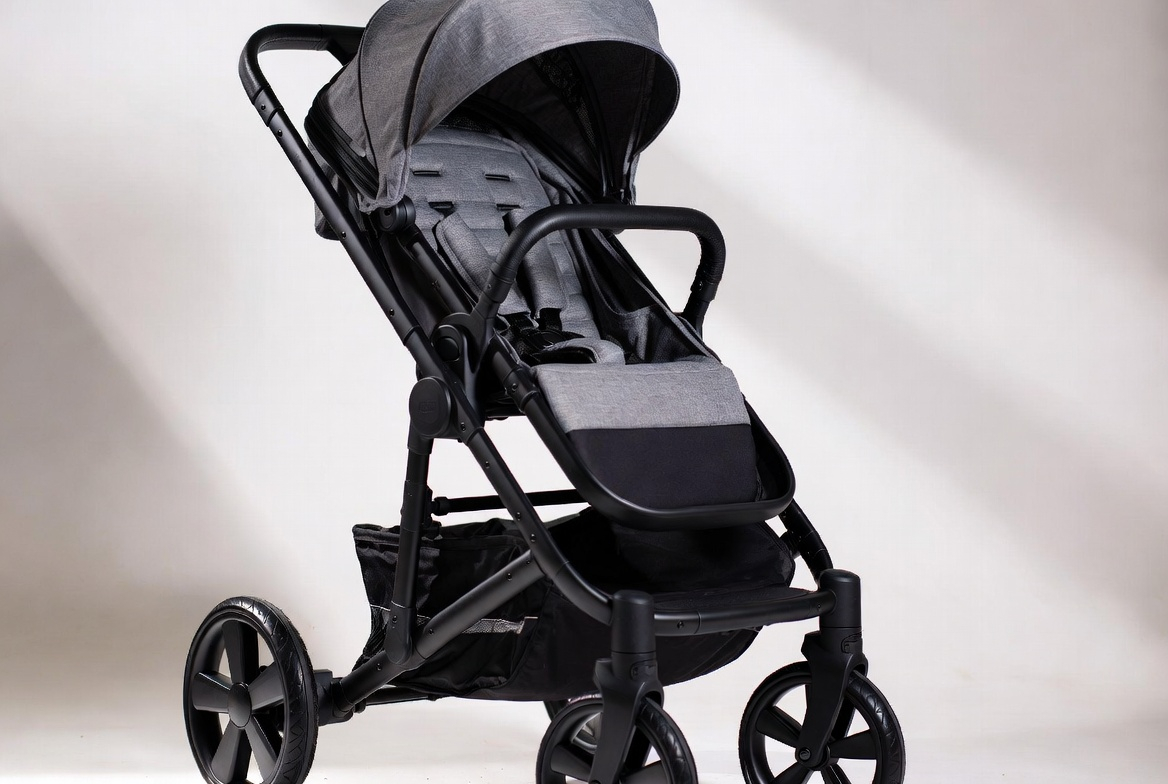
The Ultimate Guide: How to Choose the Right Baby Stroller for Your Lifestyle
Becoming a parent is like embarking on a journey without a map. You’re figuring things out as you go, learning what works and what doesn’t, and making decisions that will impact your daily life in ways you never imagined. One of those crucial decisions? Choosing the right baby stroller. It sounds simple enough, but when you’re standing in a store surrounded by dozens of options—each with different features, price tags, and promises—suddenly it feels overwhelming.
I get it. I’ve been there. That’s why I’m writing this guide. Over the next few minutes, you’re going to learn exactly how to navigate the stroller selection process like a pro. You’ll understand what features actually matter for your situation, how to avoid common mistakes, and most importantly, how to pick a stroller that fits your lifestyle perfectly.
Understanding Your Lifestyle First: The Foundation of Smart Stroller Selection
Before you even think about looking at specific stroller models, you need to step back and honestly assess your lifestyle. Think of this as building a house—you wouldn’t pick out furniture before understanding the layout of your rooms, right?
Ask yourself these questions: Are you an urban parent who relies on public transportation? Do you drive everywhere and need something that fits easily in your car trunk? Are you an active parent who loves hiking and exploring nature trails? Maybe you’re juggling multiple kids at different ages? Perhaps you work from home or spend most of your time in your local neighborhood?
Your answers to these questions are the compass that will guide every stroller decision you make going forward.
Urban Living vs. Suburban and Rural Environments
If you’re navigating busy city streets, your stroller needs to be nimble and compact. Imagine maneuvering a massive stroller through crowded sidewalks, up subway stairs, or into small shops—it’s a nightmare. Urban parents typically benefit from lightweight, narrow designs that can pivot easily and fit into tight spaces.
Suburban and rural parents, on the other hand, often have more room to work with. You might have a driveway, a car, and wider sidewalks. This means you can prioritize comfort features, storage capacity, and durability over compactness.
How Often You’ll Actually Use It
Are you planning to use your stroller daily, or just for occasional outings? This matters more than you might think. A daily-use stroller needs to be built tough and intuitive to operate, since you’ll be doing it half-asleep at 7 AM. An occasional-use stroller can prioritize other features.
Breaking Down the Essential Stroller Types: Finding Your Perfect Match
The stroller market is segmented into several distinct categories, each designed for different purposes and family situations. Let’s explore them.
Standard Full-Size Strollers: The Versatile Workhorse
Full-size strollers are like the sedan of the baby world—reliable, spacious, and capable of handling most situations. They typically come with large wheels, ample storage underneath, and seats that recline for napping babies. They’re excellent for newborns through toddlers and usually accommodate children up to 35 pounds or more.
The trade-off? They’re bulkier and heavier, which can be challenging if you’re frequently lifting them in and out of cars or navigating crowded spaces. But if you’re a parent with a car and stable routines, a full-size stroller is often your best friend.
Lightweight Strollers: Perfect for On-the-Go Parents
These nimble companions weigh significantly less than full-size models—sometimes as little as eight pounds. They’re the choice for frequent travelers, public transportation users, and parents who value portability above all else.
However, there’s a catch. Lightweight strollers typically have less recline, smaller storage baskets, and may not be suitable for newborns who can’t sit up independently. They’re usually designed for babies six months and older.
Jogging Strollers: For the Active Parent
If you’re someone who runs regularly or enjoys pushing a stroller at athletic speeds, a jogging stroller is your answer. These specialized strollers have three wheels (instead of the typical four), suspension systems to absorb impact, and fixed front wheels for stability at speed.
That said, jogging strollers often sacrifice versatility. They’re not ideal for everyday errands, and the design that makes them great for running makes them less comfortable for leisurely strolls. Most experts recommend jogging strollers only if you genuinely plan to jog with your baby.
Umbrella Strollers: Compact and Convenient
These are the minimalist’s choice. Umbrella strollers are incredibly light, fold down to a tiny size, and fit easily in car trunks or under airplane seats. Many grandparents and daycare providers love them for backup use.
The downside? They offer minimal recline, little storage, and aren’t suitable for newborns. They’re more of a supplementary stroller than a primary one for most families.
Travel Systems: The All-in-One Solution
Travel systems combine an infant car seat with a stroller frame. This means you can click your sleeping baby directly from the car seat into the stroller without waking them. It’s a game-changer for new parents with newborns.
The catch? Travel systems tend to be expensive, and you’re locked into using compatible car seats and frames. Also, once your child outgrows the infant car seat, you’re dealing with a bulkier setup.
Key Features to Evaluate: The Details That Matter
Now that you understand the main stroller types, let’s dig into the specific features you should evaluate. Think of these as the ingredients in a recipe—each one contributes to the final result.
Wheel Quality and Size
Wheels are like the foundation of a house. If they’re not solid, nothing else matters much. Larger wheels (typically 7+ inches) roll over bumps and uneven surfaces more easily than smaller wheels. They’re great if you frequently encounter rough sidewalks, gravel paths, or grass.
Check whether the wheels are fixed, swivel, or have a lock option. Swiveling front wheels make turning easier in tight spaces, but locked wheels provide better stability when walking in straight lines.
Weight and Portability
A stroller that you love but hate carrying up stairs will quickly become a source of frustration. Consider where you’ll be lifting and carrying it. If stairs, car trunks, or plane aisles are in your regular routine, prioritize lighter models.
However, don’t confuse “light” with “flimsy.” Some lightweight strollers are incredibly durable, while some heavier models use materials that feel cheap. You want something that’s light without sacrificing quality.
Seat Recline and Baby Comfort
Newborns and very young babies need nearly flat reclines for proper spinal support. If you’re planning to use your stroller from birth, the recline feature is non-negotiable. Look for strollers that recline nearly flat—around 170 degrees or more.
As your baby grows into a toddler, partial recline becomes less critical, but it’s still nice for nap time.
Storage Space
New parents always underestimate how much stuff they need to carry. Diapers, wipes, a change of clothes, snacks, a blanket, sunscreen—the list goes on. A stroller with a decent-sized basket underneath is incredibly convenient.
Some strollers also have parent trays or cup holders, which might seem trivial until you’re desperately needing to hold your coffee and your baby’s toy at the same time.
Braking System
This is a safety feature that deserves attention. Look for strollers with reliable foot brakes that engage easily but require intentional pressure to release. A brake that engages too easily might activate accidentally, while one that’s too stiff could lead to you forgetting to use it.
Some premium strollers have dual braking systems—one for each wheel—which provides extra safety on hills.
Canopy Coverage
Sun protection is more important than many parents realize. A large, extendable canopy protects your baby from harmful UV rays and keeps them more comfortable in hot weather. Look for canopies that extend low and wide, with a viewing window so you can keep an eye on your child.
One-Handed Operation
While this might seem like a luxury feature, it’s actually quite practical. You might need to open doors, handle older siblings, or manage groceries with one hand while steering the stroller with the other. Strollers with smooth, easy-to-operate hand brakes and fold mechanisms make your life significantly easier.
Considering Your Budget: Quality vs. Price
Baby strollers range from around $100 to over $1,000. That’s a significant price range, and the jump doesn’t always correlate to proportionally better quality. Here’s how to think about it.
Budget-Friendly Options (Under $300)
You can absolutely find functional, safe strollers in this range. Many budget brands offer decent-quality options, especially if you’re primarily looking for basic transportation. The trade-off is usually in durability, materials, and premium features.
Mid-Range Strollers ($300-$700)
This is where you’ll find many excellent stroller options. Most well-regarded brands fall into this category, offering good balance between quality, features, and price. If you’re going to splurge anywhere, this range often provides the best value.
Premium Strollers ($700+)
Premium strollers justify their cost through superior materials, exceptional durability, and often, beautiful design. If you plan to have multiple children and want something that looks good and lasts a decade, premium brands might be worth the investment.
The Hidden Costs of Stroller Ownership
Don’t forget to account for additional expenses. Some strollers require specific car seat adapters, replacement parts might be expensive, and accessories like cup holders or rain covers add up. Factor these potential costs into your decision.
Special Considerations: Multiple Children and Unique Situations
Your family situation might require specialized stroller solutions.
Double Strollers for Two Children
Double strollers come in two main configurations: side-by-side (where children sit next to each other) and tandem (where one sits behind the other). Side-by-side strollers are wider but easier to push, while tandem strollers are narrower but heavier and sometimes harder to maneuver.
Consider the age gap between your children. If they’re close in age, you might need two full seats. If there’s a bigger gap, a stroller with one full seat and one jump seat might work better.
Strollers for Active Parents
If your lifestyle involves hiking, trail walking, or off-road adventures, you need a stroller built for rough terrain. Look for all-terrain strollers with large, rugged wheels and excellent suspension. These aren’t cheap, but they’re worth it if they’ll genuinely be used regularly.
Air Travel Considerations
If you travel frequently by plane, consider how your stroller will fit in overhead bins or gate-check areas. Many airlines have specific size restrictions. Lightweight, compact strollers are easier to manage in airports.
Reading Reviews and Doing Your Research: Don’t Skip This Step
In the age of the internet, you have access to thousands of parent reviews. Use them strategically.
- Read multiple reviews from different sources to get a balanced perspective
- Pay special attention to long-term reviews from parents who’ve owned the stroller for a year or more
- Look for patterns in complaints—if multiple reviewers mention the same issue, it’s probably a real problem
- Consider the reviewer’s lifestyle and priorities—are they similar to yours?
- Watch YouTube videos of people actually using the stroller
Testing in Person: The Importance of Hands-On Experience
If possible, visit a store and actually push the stroller around. Does it feel comfortable at your height? Is it easy to fold? Can you operate the brakes smoothly? How does it handle? These things matter more than you might expect from reading a product description.
Common Mistakes to Avoid When Choosing a Stroller
Let me share some pitfalls I’ve seen parents fall into repeatedly.
Prioritizing Looks Over Functionality
Yes, a beautiful stroller is nice. But you know what’s nicer? A stroller that actually works well for your daily life. Don’t choose a stroller primarily because it looks Instagram-worthy if it doesn’t meet your actual needs.
Buying Based on What Others Have
Just because your friend loves her stroller doesn’t mean it’s right for you. Your lifestyles, priorities, and budgets might be completely different. Choose based on your needs, not her recommendations.
Assuming Expensive Means Better
Price and quality don’t always correlate perfectly in the stroller world. A $300 stroller from a reliable brand might outperform a $800 model that prioritizes aesthetics over function.
Neglecting the Test Run
Never buy a stroller without testing it if you can help it. A stroller that seems perfect online might feel awkward when you’re actually using it. Return policies exist for a reason—use them if necessary.
Forgetting About Future Needs
Consider whether you might have more children. If you might expand your family, buying a stroller now that won’t accommodate a second child could mean buying another one later. Sometimes a more versatile option saves money in the long run.
Making Your Final Decision: A Step-by-Step Process
Now let’s bring everything together. Here’s how to make your final decision.
Step One: List Your Non-Negotiables
Write down the features that are absolutely essential for your lifestyle. This might be lightweight design, full recline for newborns, large wheels for rough terrain, or excellent maneuverability in tight spaces. Having this list will eliminate options that simply won’t work for you.
Step Two: Identify Your Top Three to Five Contenders
Based on your non-negotiables, research and identify a few strollers that seem to fit. Don’t try to compare dozens of options—it’s paralysis by analysis. Narrow it down to a manageable number.
Step Three: Research and Read Reviews
Dive deep into reviews for your top contenders. Look for patterns. Check return rates if available. Watch videos. Get a clear picture of how real parents feel about these choices.
Step Four: Test When Possible
If you can visit a store or borrow a friend’s stroller for comparison, do it. Push it. Fold it. See how it feels in your hands and how it handles on various surfaces.
Step Five: Make Your Decision
After all this research, trust your instincts. You’ve done the work. You know what you need. Choose the option that best fits your lifestyle and your budget, then commit to
![10 Best Airline Baby Stroller [2026]](https://bestbabystrollerjudge.com/wp-content/uploads/2026/09/10-best-airline-baby-stroller-2026-featured-768x432.jpg)
![10 Best Baby Stroller With Car Seat [2026]](https://bestbabystrollerjudge.com/wp-content/uploads/2026/08/10-best-baby-stroller-with-car-seat-2026-featured-768x432.jpg)
![10 Best Baby Car Seat Stroller Combo [2026]](https://bestbabystrollerjudge.com/wp-content/uploads/2026/08/10-best-baby-car-seat-stroller-combo-2026-featured-768x432.jpg)
![10 Best Baby Stroller Sage Green [2026]](https://bestbabystrollerjudge.com/wp-content/uploads/2026/08/10-best-baby-stroller-sage-green-2026-featured-768x432.jpg)
One Comment