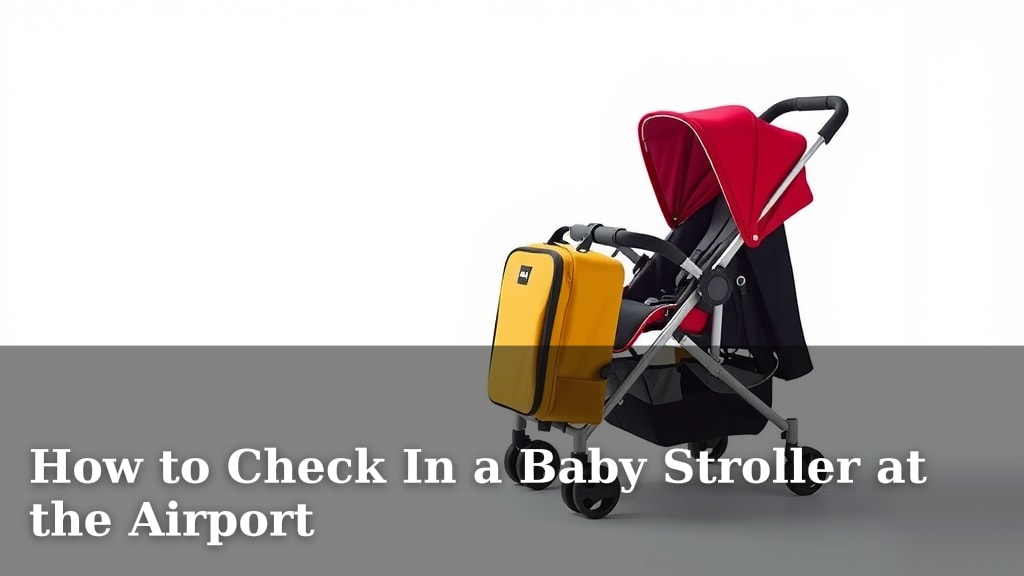
How to Check In a Baby Stroller at the Airport
Yes, you can check in your baby stroller at the airport. Most airlines allow you to do this right at the departure gate. You’ll then pick it up at the arrival gate or a designated carousel. This means you won’t have to carry your little one through the entire airport alone.
Navigating airports with a baby can feel like a huge challenge. Knowing the stroller policy makes a big difference. You’ll want to understand the rules to avoid unexpected costs or hassle. We found that many parents worry about this. So, let’s get your stroller sorted.
- Yes, you can gate-check your stroller.
- Look for a gate agent to tag it.
- Pick it up at your destination gate.
- Some airlines have size or weight limits.
Let’s walk through exactly how this works step by step to make your journey as smooth as possible.
Bringing Your Stroller Through Airport Security and to the Gate
Yes, you absolutely can bring your baby stroller all the way to the departure gate. This is wonderful news for parents! It means you don’t have to navigate security lines or the entire terminal with a tired little one in tow. Think of it as your mobile command center for the airport.
Getting Your Stroller Ready Before You Arrive
Before you even leave for the airport, there are a few things to consider. Many airlines have specific guidelines regarding the size and weight of strollers that can be checked at the gate. While most umbrella strollers are fine, larger, heavier travel systems might have restrictions.
We found that it’s always best to check your airline’s specific policy online before your travel day. Look for their “traveling with children” or “infant baggage” section. This will save you any surprises at the airport. Some airlines may ask you to check larger strollers with your main luggage, which isn’t ideal.
Navigating Airport Security with a Stroller
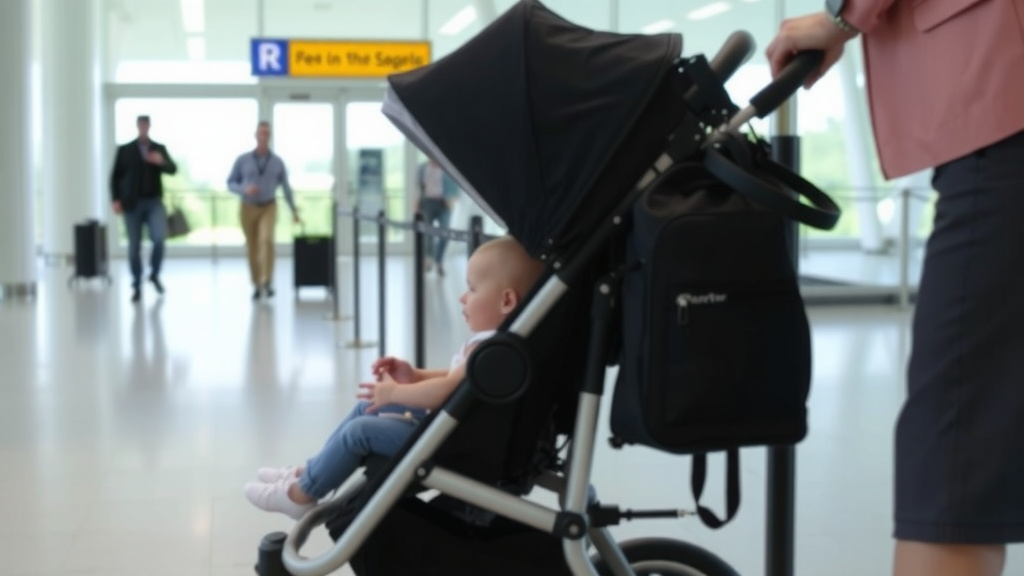
Airport security can feel a bit overwhelming with a baby. The good news is that you can usually bring your stroller through the security checkpoint. You’ll need to fold it and place it on the X-ray belt. This might require a bit of coordination, especially if your child is still in it.
Security officers are generally used to families. They will guide you on how to best get your stroller through the screening process. Sometimes, they might do a quick manual inspection of the stroller itself. Just follow their instructions patiently. It’s always a good idea to have essentials like diapers and snacks easily accessible in a separate bag.
At the Departure Gate: The Final Stroller Hand-off
Once you’ve cleared security and reached your departure gate, this is where the magic happens. You’ll see other parents with their strollers. A gate agent will be available to assist you. They will typically ask you to fold your stroller.
The gate agent will then attach a special gate-check tag to your stroller. This tag helps the airline staff identify it for return at your destination. Don’t hesitate to ask the agent if you’re unsure where the tag goes. Once tagged, you can wheel your stroller right up to the door of the plane.
What to Do Right Before Boarding
As the flight crew opens the aircraft door, you’ll hand over your stroller. A ramp agent or flight attendant will take it from you. They usually place it in a designated area near the plane’s entrance. Make sure you have everything you need from the stroller compartment, like blankets or toys, before you hand it over. Double-check pockets and storage areas.
Picking Up Your Stroller After Your Flight
The best part is that most of the time, you’ll get your stroller back right at the arrival gate. This is a huge convenience, especially when you’re tired and have a baby. It means you can immediately put your child in the stroller and make your way through the airport without needing to carry them or find alternative transport.
Gate-Checked Stroller Retrieval
When your plane lands, you’ll usually be directed to exit the aircraft. Look for your stroller waiting for you just outside the plane door, or sometimes a little further down the jet bridge. The ground crew will have placed it there for easy access.
This is the most common scenario and the one most parents hope for. It’s like a little welcome back gift from the airline. Having your stroller ready means you can get your little one settled and navigate baggage claim or your onward journey much more smoothly.
When Your Stroller Isn’t at the Arrival Gate
Occasionally, especially with larger airports or if there are operational challenges, your stroller might not be waiting at the gate. In these cases, your stroller will likely be brought to the baggage claim area. You’ll find it with the rest of the checked luggage.
Look for signs indicating “oversized baggage” or “special items” at the baggage claim. Airport staff will direct you to the correct carousel or counter. It’s good to be prepared for this possibility, though we found that most airlines prioritize returning gate-checked items directly to the gate.
What If Your Stroller Is Damaged or Missing?
While rare, damage or a missing stroller can happen. If you notice any damage upon retrieval, report it immediately to the airline’s baggage service office located in the baggage claim area. Take photos of any damage before you leave the airport.
If your stroller is missing, the airline will file a report. They will work to locate it for you. Keep your gate-check tag receipt handy, as this is important documentation. Most major airlines have processes in place to handle these situations. We found that prompt reporting is key.
Tips for a Smoother Stroller Airport Experience
Making your airport experience with a stroller as stress-free as possible involves a little planning. Here are some quick tips we found helpful.
Stroller Checklist for Travel Day
- Airline Policy Check: Confirm size/weight limits.
- Gate-Check Tag: Ensure it’s clearly attached.
- Essential Items: Pack a small bag with diapers, wipes, snacks, and a change of clothes for easy access.
- Cleanliness: Wipe down your stroller before you go.
- Secure Loose Parts: Ensure no straps or accessories dangle.
- Identification: Consider a luggage tag with your contact info.
Understanding Stroller Size and Weight Restrictions
Airlines do have limits, and these can vary. You’ll often find that they are more lenient with strollers compared to other types of luggage. However, it’s crucial to know the specifics for your chosen airline.
Many airlines allow gate-checked strollers up to a certain weight, often around 20-30 lbs. Some might also have dimension limits for folded strollers. If your stroller is exceptionally large or heavy, you might need to check it as regular baggage. This is why that pre-travel check is so important. You wouldn’t want to be surprised at the check-in counter.
Consider a Travel Bag or Cover
To protect your stroller from scuffs, dirt, and damage during transit, consider using a stroller travel bag or cover. Many companies sell these specifically for air travel. Some travel systems even come with their own dedicated travel bags.
While not always required for gate-checking, a good bag can provide peace of mind. It helps keep your stroller looking its best. It also makes it easier for baggage handlers to manage. Remember to check if your airline has any specific requirements for stroller bags if you plan to use one.
Alternative: Checking Your Stroller at the Check-in Counter
If your stroller is too large for gate-checking or if you prefer to have it handled with your other luggage, you can check it at the airline’s check-in counter. They will tag it there and send it to the cargo hold.
The main difference is that you won’t have access to it during your time in the airport or on the plane. You would then pick it up at the baggage claim carousel at your destination, along with your other checked bags. This method is less convenient for getting through the airport with your baby but can be an option for larger, heavier strollers.
Conclusion
You’ve got this! Checking in your baby stroller at the airport is much simpler than you might think. Remember, most airlines let you take it right to the departure gate and often return it there upon arrival. This keeps your little one comfortable throughout your journey. Always check your airline’s specific rules regarding size and weight beforehand. This small step can prevent any last-minute surprises.
Our research shows that being prepared makes all the difference. So, pack smart, know the process, and get ready for smoother travels. Your next step is to visit your airline’s website and confirm their stroller policy for your upcoming flight.
Frequently Asked Questions
Can I bring a double stroller to the gate?
Yes, most airlines allow you to bring a double stroller to the departure gate. Just like a single stroller, it will need to be tagged by a gate agent. Ensure it meets any size or weight restrictions your airline may have for gate-checked items.
What if my stroller is too large for gate-checking?
If your stroller exceeds the airline’s size or weight limits for gate-checking, you can check it at the main check-in counter with your luggage. It will then be available at the baggage claim carousel at your destination.
How do I know where to pick up my stroller after the flight?
Typically, your stroller will be waiting for you just outside the plane door or down the jet bridge. If it’s not there, look for signs for “oversized baggage” or “special items” in the baggage claim area, where it will be with other checked luggage.
Should I put my stroller in a travel bag before checking it?
Using a stroller travel bag is a great idea to protect it from damage and dirt, especially if you’re checking it at the counter. For gate-checking, it’s not always required but can still offer good protection. Check if your airline has any specific guidance on travel bags.
What should I do if my stroller is damaged after flying?
If you find your stroller is damaged, report it immediately to the airline’s baggage service office at the airport. Take clear photos of the damage before you leave the airport. Keep your gate-check tag receipt as it will be needed for your claim.

![10 Best Stroller Wagon For Baby And Toddler [2026]](https://bestbabystrollerjudge.com/wp-content/uploads/2026/08/10-best-stroller-wagon-for-baby-and-toddler-2026-featured-768x432.jpg)