
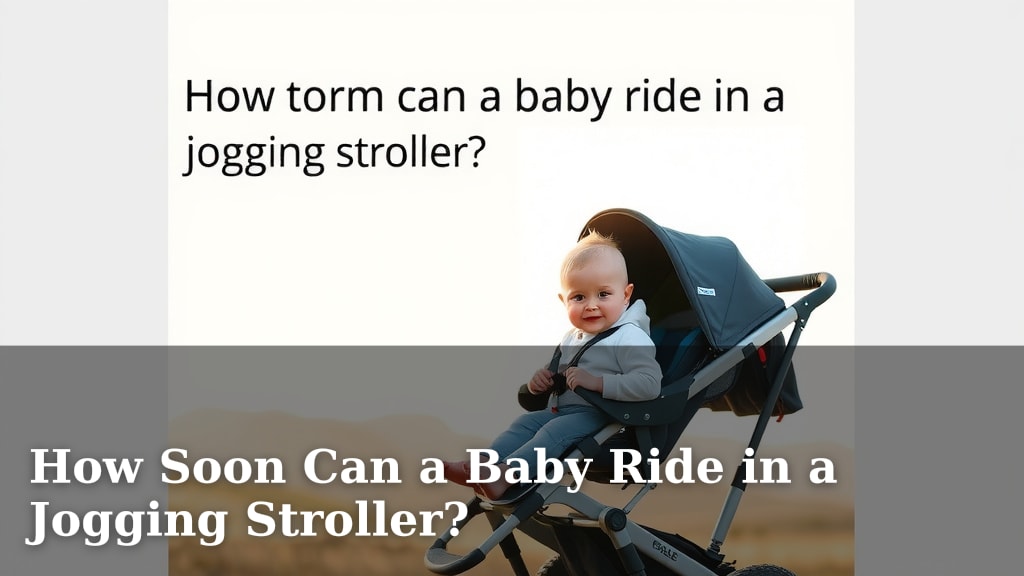
How Soon Can a Baby Ride in a Jogging Stroller?
You’re eager to get back to your runs and want to bring your little one along. When can a baby safely ride in a jogging stroller? Generally, babies can ride in a jogging stroller once they can sit up unassisted, which is typically around 6 months old. However, the specific age depends on your baby’s development and the stroller’s features, especially suspension and recline options.
Jogging strollers offer a smoother ride than standard ones. This is thanks to their larger wheels and suspension systems. But even with these features, newborns lack the neck strength to handle the bouncing and jolting. Many parents wonder about premature babies or those who are slightly behind on milestones, and it’s wise to consider individual readiness. Always consult your pediatrician if you have any concerns.
- Most babies can ride in a jogging stroller around 6 months.
- This is when they can sit up without help.
- Look for a stroller with good suspension.
- Always check with your doctor first.
- Newborns are too young for jogging strollers.
We know you’re looking for the best and safest options for your baby. Below, we’ll break down what to look for in a jogging stroller and how to ensure your little one is ready for the ride.
When Can Your Baby Safely Ride in a Jogging Stroller?
You’re probably itching to get back to your fitness routine. Bringing your baby along in a jogging stroller seems like the perfect solution! But when is the right time? Research suggests that most babies can safely ride in a jogging stroller when they can sit up unassisted. This usually happens around the 6-month mark.
Understanding Baby’s Readiness: More Than Just Age
While 6 months is a general guideline, it’s really about your individual baby’s development. Can your little one hold their head up steadily? Do they have good trunk control? These are the real indicators. Before they can sit up on their own, their neck and core muscles just aren’t strong enough to handle the bumps and jostles of a run.
Think of it like this: imagine trying to hold yourself up without your strong core muscles. It would be exhausting and wobbly! Babies are the same. Their developing bodies need to be ready for the motion. Many experts agree that this milestone is key for stroller safety (American Academy of Pediatrics).
The Importance of Sitting Up Unassisted
Sitting up independently means your baby has developed enough core strength and balance. This helps them stay upright and stable, even when the stroller moves. If they slump or need constant support, they aren’t ready.
Newborns and Jogging Strollers: A Definite No-Go
We know it’s tempting to want to get out and about with your tiny infant. However, newborns simply do not have the necessary head and neck support for a jogging stroller. The jarring movements can be dangerous for their underdeveloped spine and neck.
Jogging strollers are designed for speed and rugged terrain. They have larger wheels and often a more upright seating position compared to traditional strollers. Even with advanced suspension systems, the motion is too much for a baby who can’t support their own head. For the first few months, a baby carrier or a traditional stroller with a full recline might be a better choice.
Features to Look For in a Jogging Stroller for Older Babies
Once your baby is ready, choosing the right jogging stroller is vital. Not all jogging strollers are created equal. You want one that prioritizes safety and comfort for your little passenger.
Suspension Systems: The Key to a Smooth Ride
This is arguably the most important feature. A good suspension system absorbs shocks and vibrations. It makes the ride much smoother, reducing the impact on your baby. Look for strollers with independent wheel suspension. This means each wheel can move separately, handling bumps more effectively.
Recline Options: Comfort for Napping
Even older babies can get tired and nap on the go. A stroller with multiple recline positions is a big plus. A near-flat recline option is ideal for when your baby falls asleep. This ensures they can rest comfortably and safely. Some strollers offer a full recline that can accommodate infants, but always check the manufacturer’s age and weight recommendations.
Five-Point Harness: Secure and Safe
A secure harness is non-negotiable. A five-point harness keeps your baby snug and safe. It secures at the shoulders, hips, and between the legs. Make sure the straps are easily adjustable as your baby grows. This prevents them from slouching or trying to climb out.
Canopy Coverage: Protection from the Elements
A large, adjustable canopy provides much-needed shade. It protects your baby from sun, wind, and light rain. Look for a canopy with UV protection. Some even have a peek-a-boo window so you can check on your little one without stopping.
Preparing Your Baby for Their First Jogging Stroller Ride
Even when your baby meets the age and developmental milestones, a gradual introduction is best. Start with short, slow walks on smooth surfaces. This helps your baby get used to the motion and sound of the stroller.
Pay attention to their cues. Are they fussy or distressed? If so, it might be too much for them. You can stop and comfort them. Gradually increase the duration and intensity of your outings as they become more comfortable.
Using Accessories Wisely
Some jogging strollers have infant inserts. These can provide extra support for babies who are close to the minimum age requirement. However, always ensure the insert is specifically designed for that stroller model. Check the stroller’s manual for guidelines on using accessories with younger babies.
We found that many parents use a lightweight, padded insert for added comfort. This can help older babies who are still a bit wobbly. It’s like giving them a little extra pillow support. Just remember, this is not a substitute for the ability to sit up independently.
Checklist: Is Your Baby Ready for the Jogging Stroller?
Here’s a quick rundown to help you decide:
- Can your baby hold their head up steadily without support?
- Does your baby have good trunk control and sit up straight for extended periods?
- Is your baby generally comfortable with new experiences and motion?
- Have you consulted your pediatrician about your baby’s readiness for stroller rides?
- Does the jogging stroller have adequate suspension and recline features?
- Is the stroller equipped with a secure five-point harness?
Consulting Your Pediatrician: Always a Good Idea
When in doubt, always talk to your pediatrician. They can assess your baby’s individual development and provide personalized advice. They know your baby best! They can confirm if your little one has the necessary strength and readiness for jogging stroller adventures.
Conclusion
Getting back to your runs with your baby is an exciting step. Remember, the key is your baby’s readiness, not just the calendar. Focus on whether they can sit up unassisted and hold their head steady. Look for a jogging stroller with excellent suspension and a secure harness for safety. When in doubt, always trust your pediatrician’s advice for personalized guidance. Your baby’s comfort and safety are the top priorities as you embrace this new adventure together.
Frequently Asked Questions
Can I use an infant car seat adapter with a jogging stroller for my newborn?
Some jogging strollers offer adapters for infant car seats. However, these are typically for very short, slow walks on smooth paths, not actual jogging. Always check the stroller manufacturer’s specific guidelines and consult your pediatrician before using an adapter for a newborn.
What if my baby is a preemie or slightly behind on milestones?
If your baby is a preemie or behind on typical developmental milestones, you’ll need to wait longer. Focus on when they can sit unsupported with good head and neck control. Your pediatrician can offer the best advice tailored to your baby’s individual development.
How can I tell if my baby is uncomfortable in the jogging stroller?
Watch for signs like fussiness, crying, arching their back, or slumping over. If your baby seems distressed, it’s a sign they might not be ready or comfortable. Take breaks and adjust the ride, or consider stopping if they remain unhappy.
Are there specific types of jogging strollers better for babies?
Look for jogging strollers with advanced suspension systems and multiple recline positions. A nearly flat recline can help a sleeping baby stay comfortable. A stroller that can accommodate a good infant insert or allows for a near-flat recline might be suitable sooner, but always prioritize head and neck support.
How long should my baby’s first rides in a jogging stroller be?
Start with very short outings, perhaps 10-15 minutes, on flat, smooth terrain. Gradually increase the time and introduce gentle inclines as your baby gets accustomed to the motion. Always monitor your baby for signs of fatigue or discomfort during and after the ride.

![10 Best Baby Stroller With Bassinet [2026]](https://bestbabystrollerjudge.com/wp-content/uploads/2026/08/10-best-baby-stroller-with-bassinet-2026-featured-768x432.jpg)
![10 Best Toddler And Baby Stroller [2026]](https://bestbabystrollerjudge.com/wp-content/uploads/2026/08/10-best-toddler-and-baby-stroller-2026-featured-768x432.jpg)