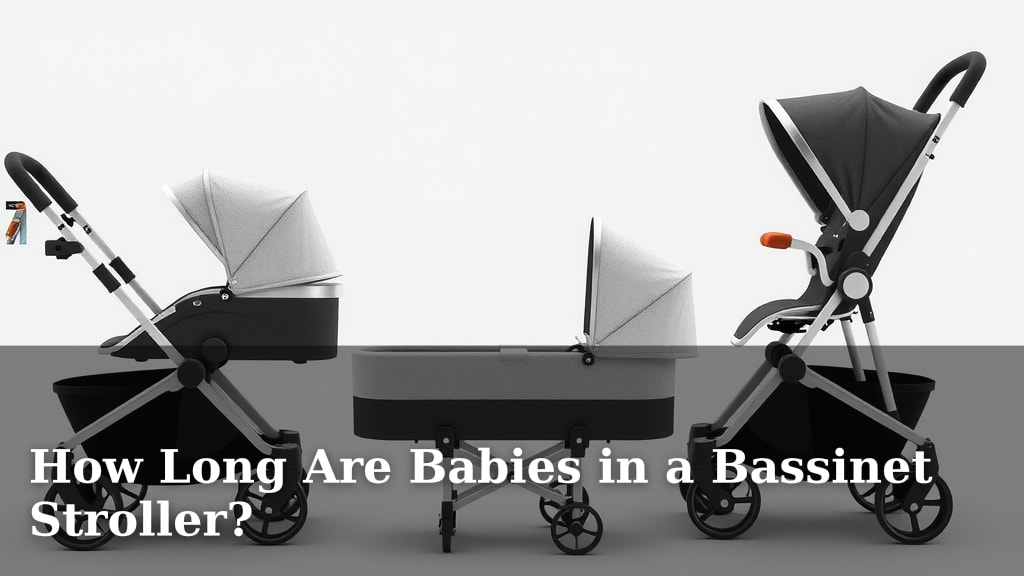
How Long Are Babies in a Bassinet Stroller?
Babies typically stay in a bassinet stroller for about 6 to 9 months. This timeframe can vary based on your baby’s weight and mobility. Most bassinets have a weight limit, usually around 20 pounds, and your baby will likely outgrow it when they can push up on their hands and knees.
Choosing the right stroller is a big decision for new parents. A bassinet stroller offers a flat, cozy surface that’s perfect for newborns. It allows them to sleep comfortably and safely, mimicking their crib. You’ll want to keep your little one in this safe space until they are ready for a seat that reclines or faces forward.
- Babies use bassinets for around 6-9 months.
- It depends on baby’s weight (usually 20 lbs limit).
- Babies outgrow bassinets when they become mobile.
- Look for signs they can push up or sit.
- It’s time to switch when baby’s head is near the edge.
We know you want the best for your little one. Let’s dive into the specifics of when it’s time to transition your baby from their bassinet stroller.
When to Transition Your Baby Out of the Bassinet Stroller
You’re likely wondering how long your adorable little one will get to enjoy that cozy bassinet on your stroller. The good news is, it’s a phase filled with sweet, sleepy strolls!
Research and manufacturer guidelines suggest most babies use a bassinet stroller for approximately 6 to 9 months. However, this isn’t a hard and fast rule. Your baby’s individual development plays a much bigger role than the calendar. Think of it as a gentle timeline rather than a strict deadline.
Key Factors Determining Bassinet Stroller Lifespan
You’ve probably already noticed how quickly your baby is growing and changing. This rapid development is precisely why the bassinet phase is temporary. Several factors will signal it’s time for a change.
Baby’s Weight and the Bassinet’s Limit
Every bassinet stroller has a weight limit. This is usually printed on the stroller itself or in the manual. For most bassinets, this limit is around 20 pounds. Always check your specific stroller’s specifications. Exceeding this limit isn’t safe for your baby or the stroller’s structure. It’s crucial to monitor your baby’s weight as they grow to ensure they stay within the safe range.
The Mobility Milestone: When Your Baby Starts Moving
This is often the biggest indicator that the bassinet days are numbered. Babies are naturally curious and want to explore their surroundings. When your little one starts to gain strength and begin moving independently, the bassinet might not be the safest option anymore. Many experts suggest transitioning when your baby shows signs of becoming more mobile.
Signs Your Baby Is Becoming Mobile
What does “becoming mobile” look like? It’s quite adorable, really. Your baby might start pushing up on their hands and knees. They might also be able to sit up unsupported for short periods. These are clear signals that they have the strength and desire to move more. The bassinet, with its flat, contained surface, becomes less suitable when they’re actively trying to shift their position or look around more actively.
Visual Cues: What to Look For
Beyond weight and general mobility, there are specific visual cues to watch for. Is your baby’s head getting close to the edge of the bassinet when they stretch or roll? Do they seem a bit cramped? These are practical indicators that the bassinet is becoming too small. Safety is always the top priority, and an overflowing bassinet isn’t ideal. You want them to have plenty of room to stretch out comfortably and safely.
When Exactly Is It Time to Switch?
So, you’re looking at your little one, and they’re hitting those developmental milestones. When is that precise moment to make the switch from the bassinet to the stroller seat?
The “Push-Up” Test
A common recommendation from many parenting resources is to stop using the bassinet once your baby can push up on their hands and knees. This action shows they have the strength and coordination to potentially roll over or shift their weight in ways that could be unsafe in a bassinet. Think of it as their way of saying, “I’m ready for more!”
The “Sitting” Signal
Similarly, if your baby can sit up independently, even for a few moments, they are likely outgrowing the bassinet’s design. While many stroller seats recline flat, the upright nature of sitting suggests they are ready for a different kind of support and view. This stage often coincides with a desire to see more of the world around them.
The “Head Near the Edge” Concern
As we mentioned, if your baby’s head is consistently nearing the top edge of the bassinet, it’s a clear sign they’re outgrowing its dimensions. This is a safety concern, as it increases the risk of them accidentally tumbling out if they roll or shift unexpectedly. You want them to have ample headroom.
Understanding Bassinet Stroller Features and Your Baby’s Needs
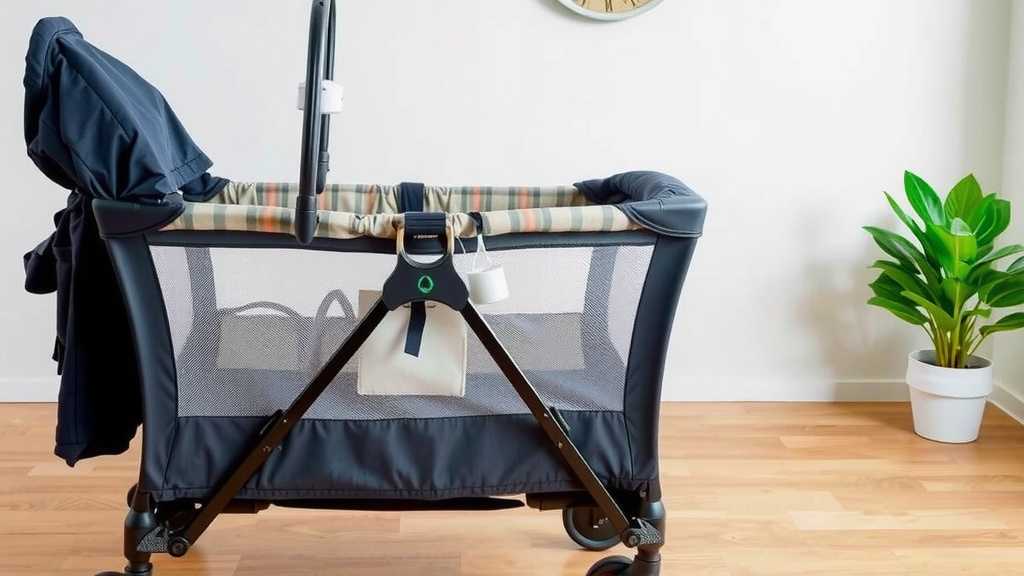
It’s helpful to remember why you chose a bassinet in the first place. It offers a flat, supportive surface ideal for newborns who can’t hold their heads up. This mimics a crib environment, promoting safe sleep and comfortable naps on the go. However, as your baby grows, their needs change.
The Shift to a Toddler Seat
Once your baby meets the transition criteria, you’ll typically move them to the stroller’s regular seat. Most modern strollers offer seats that can recline to a near-flat position, providing a comfortable spot for napping. These seats also allow for more movement and can face forward so your little one can see their surroundings.
What to Look for in the Next Stage
When choosing a stroller seat, consider its recline options, harness system, and overall comfort. A five-point harness is standard and offers the best security. Look for padding and adjustable footrests for added comfort as your child grows. Many parents find a seat that can be used both parent-facing and world-facing offers the most versatility.
Making the Transition Smoothly
Transitioning your baby from one stage to another can sometimes feel like a big step. But remember, it’s a sign of their healthy development!
A Checklist for When It’s Time to Move On
Here’s a quick rundown of what to look for:
- Your baby weighs close to the bassinet’s weight limit (often 20 lbs).
- Your baby can push up on their hands and knees.
- Your baby can sit up independently.
- Your baby’s head is consistently near the edge of the bassinet.
- Your baby seems cramped or too large for the bassinet space.
- Your baby is showing a strong desire to look around more.
Prioritizing Safety and Comfort
The goal is always to ensure your baby is safe and comfortable. The bassinet serves a wonderful purpose for those early months. When it’s time to move on, the stroller seat offers a new way for your growing baby to explore the world while still providing a secure and comfortable ride. You’re doing a great job navigating these parenting milestones!
Conclusion
You’ve learned that your baby will likely use their bassinet stroller for about 6 to 9 months. This timeframe is really guided by your baby’s growth and development, not just the calendar. Keep an eye on their weight limits and watch for those exciting signs of mobility, like pushing up or sitting unassisted. When you notice these changes, or if their head is nearing the bassinet’s edge, it’s time for a safe switch to the stroller seat. You’re doing a wonderful job ensuring your little one is always safe and comfortable on your adventures!
Frequently Asked Questions
Can my baby sleep overnight in a bassinet stroller?
While a bassinet stroller offers a flat surface, it’s generally designed for daytime naps and short outings. For overnight sleep, it’s best to use a crib or bassinet that meets all safety standards for extended sleep. Stroller bassinets are not typically tested or regulated for unsupervised overnight use.
What if my baby is under 20 lbs but can push up?
If your baby is under the weight limit but can push up on their hands and knees or sit independently, it’s time to transition out of the bassinet. Their newfound mobility means they could potentially roll over or become unstable in the bassinet, creating a safety risk.
My baby’s head is near the edge, but they haven’t rolled over. Is it still time to switch?
Yes, it’s a good idea to switch. When your baby’s head is consistently close to the edge, it indicates they are outgrowing the bassinet’s dimensions. This is a safety concern, as it increases the risk of them accidentally falling out if they shift or stretch.
How do I know if the stroller seat is safe for my newborn if I skip the bassinet?
If your stroller seat can recline to a completely flat position and has a secure five-point harness, it may be safe for a newborn. Always check your stroller’s manual for specific age and weight recommendations for using the seat from birth. Ensure the harness fits snugly to keep your baby secure.
Will my baby miss the cozy bassinet when we switch to the stroller seat?
Your baby will likely adapt quickly to the stroller seat, especially if it reclines flat for naps and has soft padding. Many babies actually enjoy the stroller seat more because they can see more of their surroundings, which is stimulating and exciting for them as they grow.