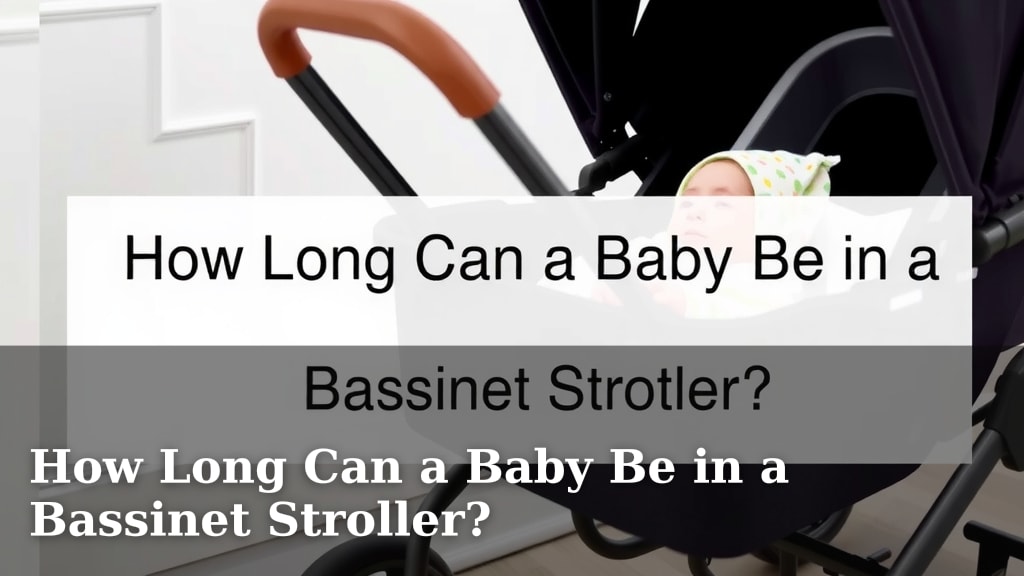
How Long Can a Baby Be in a Bassinet Stroller?
The answer to how long a baby can be in a bassinet stroller is typically up to 6 months or until they can push up on their hands and knees. This is because a bassinet offers a flat, secure sleeping space. For safety, it’s important to follow the manufacturer’s weight and developmental guidelines to ensure your baby remains safe and sound.
When considering your baby’s first stroller, the bassinet attachment is a wonderful feature. It lets your little one lie down completely flat, which is ideal for newborns. We found that most bassinets are designed for infants who haven’t yet reached mobility milestones. Keeping your baby in the bassinet as long as it’s safe helps them get comfortable and secure on outings.
TL;DR:
- Babies can use a bassinet stroller typically up to 6 months.
- Stop using the bassinet when your baby can push up on hands and knees.
- Always check the stroller’s weight limit and safety instructions.
- The flat surface is great for newborns’ healthy development.
Now, let’s walk through exactly what that means for your baby and when it might be time to switch to a different stroller seat. We’ll cover the key milestones to watch for.
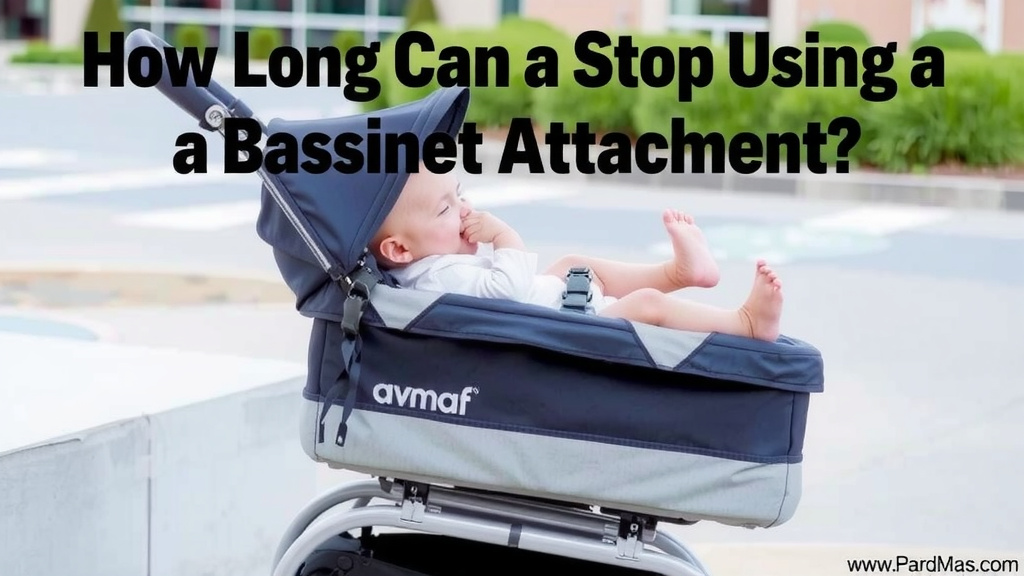
When Can You Stop Using a Bassinet Stroller Attachment?
The good news is that most babies can enjoy a bassinet stroller for several months. We found that the typical timeframe is up to 6 months of age. This is a generous period that allows your little one to rest comfortably on outings. It provides a safe, flat surface that’s just right for their developing bodies. Think of it as their cozy, portable bed on the go!
Understanding the Bassinet Stroller’s Purpose
A bassinet stroller attachment is designed to mimic a crib or Moses basket. Its primary benefit is offering a fully reclined, flat surface. This is super important for newborns. Medical experts often recommend a flat sleep surface for infants to support healthy spinal development and ease breathing (American Academy of Pediatrics).
Why a Flat Surface Matters
When your baby is very young, they lack the muscle control to hold their head up. A bassinet prevents their chin from falling onto their chest. This could potentially restrict their airway. So, the flat design isn’t just about comfort; it’s a key safety feature for your newborn’s well-being. It also helps prevent them from getting too warm, which is another important safety consideration for infants.
The Weight and Size Considerations
Beyond developmental milestones, manufacturers set specific weight and size limits for bassinets. These are not arbitrary numbers. They are based on engineering and safety testing to ensure the bassinet remains stable and secure. Always check the stroller manual for these exact specifications. Exceeding these limits could compromise the stroller’s structural integrity and put your baby at risk.
Key Developmental Milestones That Signal a Switch
The most common reason to transition away from a bassinet stroller is your baby’s own growth and development. As they get stronger and more aware of their surroundings, they start to develop new skills. These skills, while exciting to watch, also mean it’s time to consider a different seating option.
The “Pushing Up” Milestone
This is the big one! Most experts agree that the moment your baby can push up on their hands and knees, or even just their hands, it’s time to move on from the bassinet. Why? Because they might accidentally tip themselves over or try to crawl out. This developmental stage means they are getting ready for crawling, and their newfound strength needs a more secure seating position. We found this is the most frequently cited reason for discontinuing bassinet use.
Sitting Up and Arching Backs
Similarly, if your baby can sit up independently or starts to arch their back vigorously while lying down, they are outgrowing the bassinet. Arching their back can lift their body and potentially lead to instability within the bassinet. Even if they aren’t pushing up on hands and knees yet, these signs indicate they are becoming too mobile for the confined, flat space of a bassinet.
Increased Awareness and Frustration
As babies get older, usually around 4-5 months, they become much more interested in the world around them. They want to see things, interact, and won’t want to lie flat down all the time. If your baby seems frustrated or restless in the bassinet, it might be a sign they are ready for a seat that allows them to sit up and look around. This is also around the time they can start to benefit from forward-facing or parent-facing stroller seats.
When to Consult Your Stroller’s Manual
We cannot stress this enough: always refer to your specific stroller’s manual. Every model is designed a little differently. The manual will provide the most accurate information regarding weight limits, usage duration, and any specific safety warnings for your bassinet attachment.
Checking the Weight Limit
Most bassinets have a weight limit somewhere between 15 to 20 pounds. This is a critical piece of information. You’ll need to know your baby’s approximate weight and keep an eye on it. A growing baby can quickly reach this limit. Exceeding it can strain the stroller’s frame and make it unstable, which is never a good thing for safety.
Understanding the Age Recommendation
While many manufacturers will say “up to 6 months,” this is a guideline. Your baby’s individual development is the true deciding factor. Some babies might outgrow the bassinet at 4 months, while others might comfortably use it until closer to 7 months if they are smaller and less mobile. It’s about watching your baby, not just the calendar.
Transitioning to the Toddler Seat
Once your baby has outgrown the bassinet, the next step is usually the stroller’s toddler seat. Most stroller systems offer a seat that can be used in a forward-facing or parent-facing position. Many of these seats also recline, offering a comfortable spot for naps.
Types of Stroller Seats
You’ll typically find two main types of seats: those that fully recline to a flat-ish position (great for naps) and those that only offer upright seating with multiple recline angles. For babies who are transitioning from a bassinet, a seat that offers a good recline is often preferred. This still allows for comfortable napping while providing the necessary support and security they need now that they are more mobile.
Safety Features of Toddler Seats
Toddler seats come with harnesses, usually a 5-point harness, which is much more secure than anything a bassinet offers. This harness is designed to keep your older baby safely in place, even when they’re wiggling and exploring. Ensure the harness is always properly buckled and adjusted snugly whenever you are using the stroller seat.
A Quick Checklist for Your Bassinet Transition
When you’re wondering if it’s time to switch, consider these points:
- Has your baby started pushing up on their hands and knees?
- Can your baby sit up independently without support?
- Do they arch their back significantly when lying down?
- Are they frequently trying to lift themselves up?
- Does your baby seem bored or frustrated in the bassinet?
- Has your baby reached or exceeded the weight limit specified in the manual?
If you answered “yes” to any of these, it’s likely time to explore the toddler seat option. This ensures your growing adventurer has the safest and most comfortable ride possible!
Conclusion
You’ve learned that a bassinet stroller attachment is a fantastic, safe spot for your newborn. Generally, your baby can use it until about 6 months old, or when they begin showing mobility signs like pushing up on their hands and knees. Always remember to check your specific stroller’s manual for weight limits and safety guidelines. Transitioning to the toddler seat is a natural next step, offering more security as your little one grows. Keep an eye on your baby’s development – it’s the best indicator for when it’s time for a change, ensuring their continued safety and comfort on every adventure.
Frequently Asked Questions
Can my baby sleep overnight in a bassinet stroller?
While bassinets offer a flat surface ideal for newborns, they are generally not designed for unsupervised overnight sleep. It’s best to use them for naps and outings. Always ensure your baby is in a safe sleep environment, like a crib or bassinet specifically designed for overnight use, when they are sleeping for extended periods.
What if my baby is smaller than average? Can they stay in the bassinet longer?
If your baby is smaller and less mobile, they might comfortably use the bassinet slightly longer than the typical 6 months. However, the primary indicator is still their developmental stage, particularly their ability to push up or sit independently. Always prioritize their mobility milestones over their age or size when deciding to transition.
Are there safety concerns if my baby can sit up but not push up yet?
Yes, if your baby can sit up independently, they have developed enough core strength to potentially tip themselves or become unstable in the bassinet. Even if they aren’t pushing up on hands and knees, the ability to sit up means they are outgrowing the secure confines of a flat bassinet. It’s time to consider a more supportive seating option for safety.
My stroller manual says “up to 15 lbs.” What if my baby is close to that?
If your baby is approaching the stroller’s weight limit, it’s wise to plan the transition. Even if they haven’t hit the mobility milestones yet, exceeding the weight limit can affect the stroller’s stability and safety. Weigh your baby and compare it to the manual’s specifications to make an informed decision.
What should I look for in a stroller seat for a baby transitioning from a bassinet?
Look for a stroller seat that offers a good recline option, allowing your baby to lie back comfortably for naps. A secure 5-point harness is also essential for safety as your baby becomes more mobile. Some seats can be adjusted to face you or the world, which can also be engaging for your growing baby.

![10 Best Baby Stroller With Car Seat [2026]](https://bestbabystrollerjudge.com/wp-content/uploads/2026/08/10-best-baby-stroller-with-car-seat-2026-featured-768x432.jpg)