
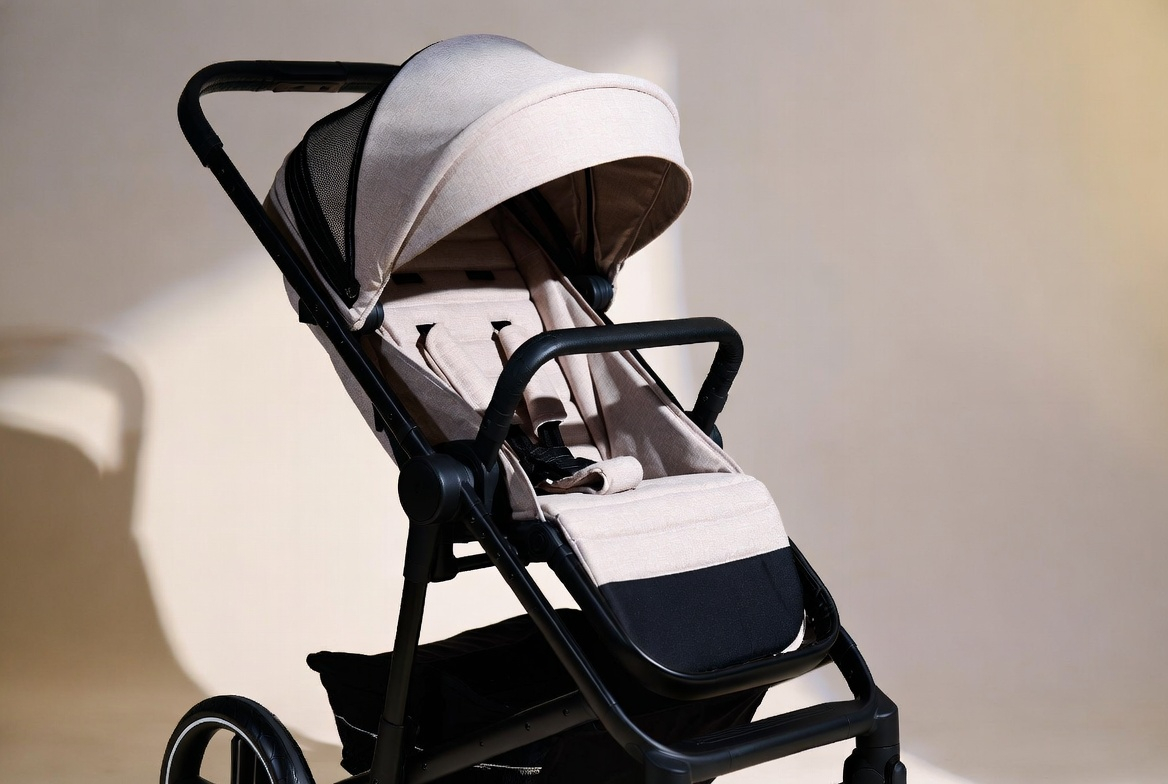
Beat the Heat: How to Keep a Baby Cool in a Stroller This Summer
Summer is here, and if you’re a parent, you know exactly what that means—long days outdoors, sticky temperatures, and the constant worry about whether your little one is comfortable in their stroller. I’ve been there myself, watching my baby’s cheeks get rosy in the afternoon heat while trying to figure out if they’re too warm. It’s a challenge that every parent faces, and frankly, it’s one that deserves real, practical solutions.
The good news? Keeping your baby cool while strolling through the neighborhood or the local park doesn’t have to be complicated. With the right strategies and a bit of preparation, you can ensure your child stays comfortable, happy, and safe during those hot summer months. Let me walk you through everything you need to know.
Why Keeping Your Baby Cool in Summer Matters More Than You Think
Here’s something I didn’t fully appreciate until I became a parent: babies regulate their body temperature differently than adults do. Their cooling systems aren’t fully developed, which means they heat up faster and struggle to cool down on their own. When your baby is sitting in a stroller under the blazing sun, they’re essentially trapped in a small microclimate with limited escape routes.
Overheating isn’t just uncomfortable—it can be genuinely dangerous. Heat exhaustion in infants can sneak up on you quietly, sometimes without obvious warning signs. That’s why understanding how to manage temperature in the stroller becomes absolutely essential during those warm months.
The Reality of Stroller Temperature
Did you know that the temperature inside a stroller can actually exceed the ambient outdoor temperature? It’s true. The combination of direct sunlight, limited airflow, and the stroller’s protective canopy can create a mini-oven effect. I once took my daughter out on what seemed like a mild seventy-five-degree day, only to discover the stroller interior was significantly warmer. It was eye-opening, to say the least.
Selecting the Perfect Stroller for Hot Weather
What Features Matter in Summer Strollers?
Not all strollers are created equal when it comes to heat management. If you’re shopping for a new stroller or evaluating your current one, look for certain features that promote airflow and sun protection.
- Mesh panels that allow air circulation without sacrificing protection
- Fully reclining seats that can be adjusted to various positions
- Large, extendable canopies with UPF protection
- Lightweight frames that don’t absorb and radiate heat
- Wide wheelbases that create more shade underneath
Material Matters: What to Look For
The material of your stroller plays a surprising role in temperature control. Lighter colored fabrics reflect heat better than darker ones, while breathable materials promote better air circulation. I learned this the hard way when I noticed my dark-colored stroller felt noticeably hotter than my friend’s light gray one. If you’re choosing a new stroller, consider those lighter shades—not just for cooling purposes, but they also hide dirt better during summer adventures.
Mastering Sun Protection Techniques
The Right Canopy Setup
Your stroller’s canopy is your first line of defense against the sun’s harsh rays. The trick is positioning it correctly to maximize shade while maintaining airflow. I typically extend the canopy as far as possible and angle it so that it shields my baby from direct sunlight without completely blocking ventilation.
If your stroller’s built-in canopy isn’t quite cutting it, don’t hesitate to add extra layers. An additional shade cloth or pop-up tent attachment can make a remarkable difference in temperature control.
Using Stroller Covers and UV Shields
There are several aftermarket covers specifically designed to provide extra UV protection. These mesh covers allow you to enclose the stroller while still maintaining airflow—think of them as protective bubbles that let in the breeze but keep out the direct heat. They’re particularly useful when you’re stationary, like when you’re sitting at a cafe or waiting for an appointment.
Installation Tips for Maximum Effectiveness
When installing any additional covers, make sure there’s still adequate ventilation. You want air to flow freely around the baby while the direct sun exposure is minimized. It’s a balancing act, but once you get it right, you’ll notice the difference immediately.
Optimizing Ventilation and Airflow
Creating Breathing Room in Your Stroller
Ventilation is absolutely crucial for keeping your baby cool. The goal is to maximize air circulation without compromising sun protection or safety. Start by checking if your stroller has mesh windows or panels—these are your friends in summer.
Make sure nothing is blocking these ventilation areas. I’ve seen parents cover their strollers completely, not realizing they were trapping hot air inside. That’s counterproductive. Instead, use covers that incorporate mesh panels or have openings that allow air to move through.
The Importance of Proper Positioning
How you position your stroller matters more than you might think. When you’re stationary, try to position the stroller so that it gets some shade from nearby trees or structures. Movement also helps—while walking, the forward motion creates natural air circulation that keeps things cooler. If you have to stop, finding a shaded spot is ideal.
Choosing Appropriate Clothing for Summer Outings
Lightweight Fabrics and Loose Fits
What your baby wears can dramatically impact their comfort level. During summer, I always opt for lightweight, breathable fabrics like cotton or moisture-wicking blends. Loose-fitting clothing allows air to circulate around their body, which helps with temperature regulation.
Here’s something counterintuitive that I discovered: sometimes dressing your baby in light, loose clothing actually keeps them cooler than dressing them minimally. A lightweight long-sleeved shirt can protect from sun while allowing sweat to evaporate, keeping them more comfortable than bare skin that gets sunburned.
Protection Without Overheating
- Lightweight, long-sleeved clothing for sun protection
- Light-colored garments that reflect rather than absorb heat
- Breathable hats or bonnets with adequate ventilation
- Lightweight blankets or sleep sacks that won’t trap heat
- Moisture-wicking layers that prevent sweat buildup
Hydration Strategies for Your Little One
When and How to Offer Fluids
Proper hydration is essential during hot weather outings. If your baby is exclusively breastfed, they’re getting their hydration through milk. However, if you’re out for extended periods, offering occasional water can help. For formula-fed babies, always have extra bottles prepared and keep them as cool as possible.
I use insulated bottle holders that keep drinks cool for hours. It’s a simple investment that pays dividends when you’re out and about on a hot day.
Managing Feeding in Hot Weather
Feeding a baby during summer requires some adjustments. If you’re bottle feeding, keep bottles in an insulated cooler bag with ice packs. For breastfeeding mothers, finding shaded, relatively cool spots to nurse makes the experience more comfortable for both you and your baby. I’ve found that nursing under a tree or in a shaded pavilion makes a tremendous difference.
Strategic Timing: When to Head Outdoors
Avoiding Peak Heat Hours
The sun is strongest between 10 AM and 4 PM. Whenever possible, I schedule our outdoor adventures outside of these hours. Early morning walks or evening strolls are not only cooler but often more pleasant overall. There’s something nice about being out when the world is quieter anyway.
Checking Weather and Planning Accordingly
Before heading out, I always check the weather forecast and pay attention to heat advisories. On particularly hot days, I adjust my plans or shorten outdoor time. There’s no shame in staying indoors with good air conditioning when conditions are extreme.
Cooling Accessories and Tools That Actually Work
Portable Fans for Active Cooling
A small, clip-on fan designed for strollers can be a game-changer. These fans create active air circulation around your baby, which helps with temperature regulation. They’re battery-operated, compact, and surprisingly effective. I clip mine to the stroller canopy, and it makes a noticeable difference.
Cooling Packs and Gel Pads
Special gel packs designed for strollers can be frozen and placed strategically to cool the environment without direct contact with your baby’s skin. Some parents use cooling pads under the mattress, which radiates coolness gently upward. Just make sure any cooling element isn’t so cold that it causes discomfort.
Misting Bottles and Water Sprays
A simple spray bottle filled with water can provide quick cooling relief. A light mist on the canopy or a few spritzes near (but not directly on) your baby can help lower the temperature. It’s low-tech, but it works.
Pro Tips for Using Misting Bottles
- Use filtered or distilled water to prevent mineral deposits
- Keep the bottle in an insulated holder to maintain cool water
- Spray the stroller fabric rather than directly onto your baby
- Have a small towel handy to wipe away excess moisture
Recognizing Signs of Overheating in Your Baby
Warning Signs You Can’t Ignore
As a parent, knowing what to look for is crucial. I always watch for these indicators that my baby might be getting too hot:
- Excessive flushed or red skin
- Rapid or labored breathing
- Unusual lethargy or lack of responsiveness
- Vomiting or refusal to eat or drink
- Hot to the touch, particularly the back of the neck
- Excessive sweating or, conversely, a lack of sweating
- Unusual fussiness or crying
What to Do If Your Baby Overheats
If you notice any concerning signs, move your baby to a cool environment immediately. If you’re outdoors, find shade or get indoors as quickly as possible. Use cool (not cold) water to gently cool their skin. Offer fluids if they’re old enough. If symptoms don’t improve quickly or seem severe, contact your pediatrician or seek medical attention.
Environment-Specific Cooling Strategies
At the Beach or Lakeside
Water environments present both opportunities and challenges. While proximity to water can feel cooler, the sun’s reflection off water intensifies UV exposure. I use extra sun protection at the beach—higher SPF sunscreen for exposed skin, additional canopy coverage, and I never leave the stroller in direct sun even briefly.
In Urban Environments
Cities often have less shade and more heat radiating from concrete and asphalt. When strolling downtown, I seek out parks, tree-lined streets, and areas with tall buildings that provide natural shade. Planning routes strategically can make outdoor time more comfortable.
Hiking and Nature Trails
Tree cover provides natural cooling, making forested trails excellent for summer outings with a stroller. However, the uneven terrain might limit your options depending on your stroller type. All-terrain strollers are better suited for these adventures.
Budget-Friendly Cooling Solutions
DIY Approaches That Save Money
You don’t need to spend a fortune to keep your baby cool. Some of my most effective strategies cost virtually nothing:
- Using lightweight blankets or muslin cloths to create shade
- Positioning the stroller strategically to take advantage of natural shade
- Freezing wet cloths and placing them strategically (not touching baby)
- Creating a makeshift sunshade from a light-colored sheet
- Using a basic spray bottle instead of expensive misting systems
Where to Find Affordable Cooling Gear
Many cooling accessories are reasonably priced at major retailers. Check online marketplaces, baby stores, and even general merchandise retailers for stroller fans, cooling packs, and sun covers. You don’t need the most expensive options—often the simple solutions work just as well.
Combining Strategies for Maximum Effectiveness
Creating Your Personal Cooling System
The real magic happens when you combine multiple strategies. I don’t rely on just one cooling method. Instead, I use a combination: a well-positioned canopy, lightweight clothing, occasional misting, a small fan, and strategic timing. Together, these create a comfortable environment for my baby during summer outings.
Think of it like layering your defenses. Each strategy contributes to the overall goal of temperature management, and together they’re more effective than any single solution.
Conclusion
Keeping your baby cool in a stroller during summer doesn’t require complicated solutions or expensive equipment. What it does require is awareness, preparation, and a willingness to adapt your routine to the season. From choosing the right stroller setup and maximizing sun protection to understanding when to head outdoors and recognizing warning signs of overheating, you now have a comprehensive toolkit for managing summer heat.
Remember, every baby is different, and what works perfectly for one child might need adjustment for another. Give yourself grace as you figure out what works best for your family. Pay attention to your baby’s comfort, stay vigilant about warning signs, and don’t hesitate to modify your plans on exceptionally hot days. Your instincts as a parent are valuable—trust them.
Summer should be a time of joy and exploration with your little one, not a source of anxiety about temperatures. With the strategies outlined in this guide, you can enjoy outdoor adventures confidently, knowing you’re doing everything right to keep your baby safe, comfortable, and cool. Now get out there and enjoy those summer days!
Frequently Asked Questions
At what temperature should I stop taking my baby out in a stroller?
While there’s no exact cutoff temperature that applies to every baby, most pediatricians recommend being extra cautious when it’s above
One Comment