
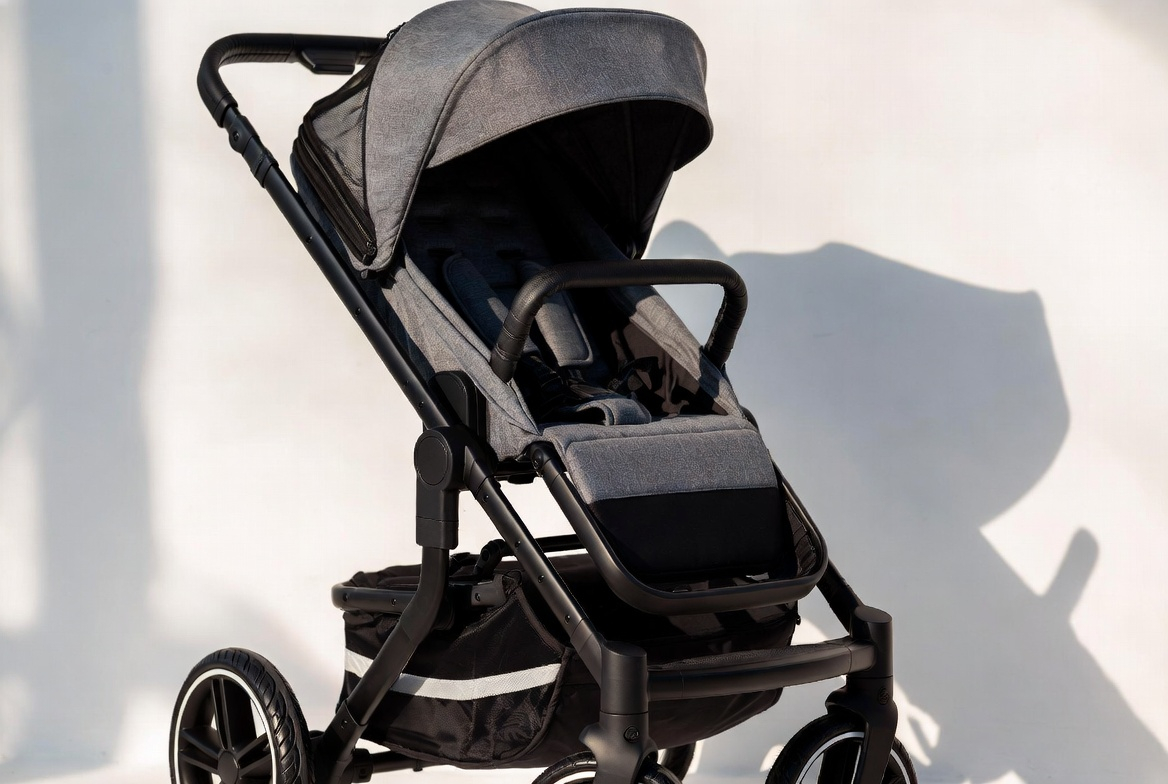
How to Keep Baby Warm in Bassinet Stroller: A Complete Parent’s Guide
When you’re pushing your little one around in a bassinet stroller, there’s nothing quite like the peace of mind that comes from knowing they’re cozy and comfortable. But keeping your baby warm during outdoor adventures isn’t always straightforward, especially when the weather turns chilly or unpredictable. You want your baby to stay toasty without overheating, and that’s where the real challenge lies.
In this guide, I’m going to walk you through everything you need to know about maintaining the perfect temperature for your baby in their bassinet stroller. Whether you’re a first-time parent or you’ve been through this before, you’ll find practical, actionable advice that actually works in real-world situations.
Understanding Your Baby’s Temperature Needs
Before we dive into the specific strategies, let’s talk about why temperature regulation matters so much for infants. Babies are like little thermostats that haven’t quite learned to regulate themselves yet. Their bodies struggle to maintain consistent body heat, which means they’re more susceptible to both cold and heat compared to adults.
Think of it this way: if you’re comfortable in a light jacket, your baby might actually need three layers. That’s because babies lose heat more quickly through their heads, hands, and feet. They also can’t tell you when they’re uncomfortable, so you’ve got to become a bit of a detective, checking their temperature and comfort level regularly.
Why Temperature Control Matters More Than You Think
When babies get too cold, they use energy to generate warmth, which means they’re burning calories they should be using for growth and development. On the flip side, overheating increases the risk of heat-related illnesses. Getting the balance right isn’t just about comfort—it’s genuinely important for your baby’s health and wellbeing.
Layering: The Golden Rule of Baby Warmth
Layering is your best friend when it comes to keeping a baby warm in a bassinet stroller. Rather than relying on one thick, heavy blanket, multiple light layers give you flexibility and better temperature control. You can easily add or remove layers as conditions change throughout your outing.
The Base Layer Strategy
Start with moisture-wicking clothing against your baby’s skin. Cotton or merino wool blends work wonderfully because they keep moisture away while providing insulation. A long-sleeved bodysuit or a lightweight thermal underneath their regular clothes creates that crucial first barrier against the cold.
The Middle Layer Approach
This is where you add actual warmth. A fleece jacket, a knit sweater, or a quilted vest serves as your middle layer. These materials trap warm air without being bulky. The beauty of this layer is that it’s easy to remove if your baby gets too warm or you head indoors where it’s heated.
The Outer Layer Protection
Your outermost layer should protect against wind and moisture. A waterproof jacket or a high-quality stroller cover does this job perfectly. This layer doesn’t need to be thick—it just needs to block those elements that steal heat away from your baby.
Choosing the Right Blankets and Covers for Your Bassinet Stroller
The type of blanket you use makes a tremendous difference in how warm your baby stays. Not all blankets are created equal, and some options work far better than others in a stroller setting.
Wool Blankets: Nature’s Insulator
Merino wool is absolutely fantastic for stroller use. It’s lightweight but incredibly warm, it regulates temperature naturally, and it resists moisture. Even when it gets damp, wool continues to provide insulation. Plus, quality wool is soft enough for a baby’s delicate skin, though you’ll want to check that it’s genuinely baby-safe before purchasing.
Fleece Options: Convenience Meets Warmth
Fleece blankets offer excellent warmth-to-weight ratio. They’re machine washable, durable, and relatively affordable. The downside? They can’t regulate moisture as well as natural fibers, so if your baby sweats, the blanket stays damp. That said, they’re still a solid choice for cooler months when sweating isn’t as likely.
Stroller-Specific Covers: The Game Changer
Dedicated stroller covers that attach to your bassinet stroller are genuinely worth considering. These covers create a protective microclimate around your baby, blocking wind while allowing proper airflow. Many are designed to work with most stroller models and provide excellent temperature control without overheating risks.
What About Traditional Quilts and Duvets?
I’d actually recommend avoiding heavy quilts or duvets in your stroller. They’re bulky, they’re hard to manage, and they can create overheating risks if not carefully monitored. Save those for home—your stroller needs something more practical.
The Importance of Proper Stroller Positioning
How you position your baby in the bassinet actually affects their temperature significantly. It’s not just about throwing a blanket over them and hoping for the best.
Keeping Extremities Protected
Your baby’s hands, feet, and head are like heat escape routes. These areas are disproportionately important for maintaining core body temperature. A good pair of mittens and socks is essential, and never skip the hat. In fact, babies lose an enormous amount of heat through their heads—I’m talking up to 40 percent of their body heat. That’s why a quality baby hat is non-negotiable in cold weather.
Tucking Blankets Properly
When you drape blankets over the stroller, tuck them in so they don’t drag on the ground and get damp. Secure them so wind won’t blow them away. The goal is a snug, enclosed environment that’s still breathable. You want air circulation for your baby’s safety, but you’re creating a windbreak and insulating layer.
Seasonal Adjustments: Adapting to Different Weather
Temperature management isn’t one-size-fits-all throughout the year. Different seasons demand different approaches.
Winter Strategies for Extra Cold Months
In genuine winter conditions, you’re working with several layers of clothing, heavy blankets, and stroller covers. Don’t hesitate to use thermal leggings under regular pants, or invest in those all-in-one snowsuit options. Limit outdoor time on extremely cold days—your baby doesn’t need hours outside when it’s dangerously cold. Shorter, more frequent outings work better anyway.
Autumn and Spring Considerations
These transitional seasons are tricky because temperatures fluctuate wildly. This is where layering really shines. Start with slightly heavier layers, but bring extras to remove if needed. Pack a lightweight blanket that you can easily add or take away.
Summer Baby Stroller Tips
Summer seems like it would be straightforward, but overheating is actually a real concern. Use a lightweight breathable blanket that provides sun protection without trapping heat. Consider a stroller shade or UV-blocking canopy instead of heavy coverings. Your baby still needs protection from direct sun, but you’re doing this through shade, not layers.
Monitoring Your Baby’s Temperature: Signs of Comfort
Knowing when your baby is the right temperature requires learning to read their signals. There’s no thermometer you can stick in their mouth while you’re walking, so you need to develop a feel for what’s normal.
Checking if Your Baby is Warm Enough
A warm baby has warm extremities. Feel their hands, feet, and the back of their neck. They should be pleasantly warm, not ice cold. A baby who’s too cold might seem fussy or restless, though this could indicate other issues too. Look for shivering, though genuine shivering is rare in infants—they’re more likely to just seem uncomfortable.
Recognizing Overheating Warning Signs
An overheated baby might have flushed cheeks, be sweating noticeably, or seem overly sleepy. They might breathe faster than usual. These are red flags that you’ve overdone the layers. Remove some blankets and get to a cooler environment. Overheating is a genuine safety concern that shouldn’t be ignored.
The Chest Temperature Check
Gently place your hand inside your baby’s clothing, against their chest. This area should feel warm but not hot. This is your most reliable indicator of whether your baby is at a good temperature. Do this check every 20-30 minutes during an outing, especially when you’re still learning your baby’s needs.
Accessory Solutions for Extra Warmth
Beyond clothing and blankets, several accessories can make keeping your baby warm significantly easier.
Stroller Muffs and Hand Warmers
Muffs that attach to your stroller handle keep your hands warm, which matters because you’re not wearing mittens while pushing. Hand warmers designed specifically for stroller use can provide supplemental warmth without overheating your baby. These are particularly useful in transitional seasons.
Hot Water Bottles: Old School, Still Effective
A hot water bottle placed under the bassinet (never directly against your baby) can provide gentle, sustained warmth. Make sure the bottle has a cover and verify it’s not too hot before placing it near your baby. This method requires careful attention but works beautifully on extremely cold days.
Footmuffs Specifically Designed for Bassinets
These specialized accessories zip onto your stroller and create an insulated cocoon for your baby’s lower body. They’re like a wearable blanket that won’t slide off or become a safety hazard. Many parents swear by these, and honestly, they’re worth the investment if you live in a cold climate.
Indoor-Outdoor Transitions: Managing Temperature Changes
One of the trickier situations is moving from cold outdoor air into heated indoor spaces. This rapid temperature change can be uncomfortable and disorienting for your baby.
Gradual Layer Removal
Don’t immediately strip away all the blankets when you enter a store or someone’s home. Instead, remove outer layers gradually. Let your baby adjust to the new temperature over a few minutes. This prevents the shock of sudden warmth while avoiding overheating in the heated indoor space.
The Timing of Clothing Adjustments
When you know you’ll be going in and out of buildings, dress your baby in layers that are easy to adjust. Avoid all-in-one snowsuits that take five minutes to remove. Choose outfits where you can quickly pull off a jacket or add a fleece without completely undressing your baby.
Special Considerations for Different Stroller Types
Not all bassinet strollers are created equal, and different models present different challenges for temperature management.
Convertible Stroller-Pram Combinations
These versatile options often have excellent ventilation but might not enclose your baby as snugly as a dedicated bassinet. You might need heavier blankets to compensate. The advantage is that many of these strollers come with their own fitted covers that work beautifully for temperature control.
Lightweight Travel Strollers
Travel strollers can be challenging because they’re minimal by design. They often don’t accommodate heavy blankets well. For these, focus on excellent clothing layers and a lightweight stroller cover rather than relying on blankets.
Full-Featured Luxury Prams
High-end prams often come with fantastic built-in covers and exceptional insulation. Take advantage of what your pram offers. Many luxury options include thoughtful design features specifically for temperature management.
Safety First: Avoiding Common Temperature-Related Mistakes
While keeping your baby warm is important, certain approaches create safety risks you absolutely want to avoid.
Never Use Plastic Bags or Non-Breathable Covers
I understand the temptation to use plastic sheeting in rainy weather, but this suffocates proper airflow. Your baby needs to breathe fresh air, even when they’re bundled up. Always choose breathable materials for any cover or barrier.
Loose Blankets Create SIDS Risks
Never drape loose blankets directly over your baby’s face or allow them to bunch up around their head. These pose genuine suffocation risks. Use fitted blankets or covers that are designed to stay in place, or tuck regular blankets securely away from your baby’s face.
Avoid Overheating in Your Enthusiasm
It’s easy to go overboard with layers because you’re worried about your baby getting cold. But overheating carries real health risks. When in doubt, err on the side of slightly cooler rather than too warm. You can always add a layer, but you can’t undo heat damage quickly.
Budget-Friendly Warmth Solutions
Keeping your baby warm doesn’t require spending a fortune. There are plenty of affordable strategies that work just as well as expensive options.
Repurposing What You Already Own
Do you have lightweight blankets from home? They work in strollers. Old sweaters that still fit? Perfect for layering. Your grandmother’s wool shawl? Excellent stroller cover if it’s clean and baby-safe. Get creative with what you already have before buying new items.
Shopping Sales and Off-Season Deals
Buy winter stroller gear in spring when stores are clearing inventory. Purchase warm clothing in summer. This timing strategy means you’re buying quality items at fraction of original prices. Plan ahead, and your budget stretches much further.
Conclusion
Keeping your baby warm in a bassinet stroller boils down to understanding their unique needs, using smart layering, and staying attentive to their comfort throughout your outings. There’s no single perfect approach—what works beautifully for your friend’s baby might need tweaking for yours. That’s completely normal, and it’s part of learning your baby as a parent.
The core principles are simple: layer thoughtfully, protect those extremities, choose breathable materials, and regularly check your baby’s temperature by feeling their chest and extremities. Use accessories designed for strollers rather than improvising with household items. Pay attention to seasonal changes and indoor-outdoor transitions. Most importantly, stay alert to signs that your baby is either too cold or too warm, and adjust accordingly.
Remember, you’re building your parental intuition here. Every outing teaches you something about what your baby needs. Before long, you’ll instinctively know exactly how to bundle up your little one for any weather condition. You’ve got this, and your baby is lucky to have a parent who cares this much about their comfort.
Frequently Asked Questions
At what temperature should I worry about my baby getting too cold in a stroller?
Generally, once outdoor temperatures drop below 50 degrees Fahrenheit, you should increase your baby’s layering and consider a stroller cover. However, this depends on wind chill, humidity, and your baby’s individual sensitivity. Below 32 degrees, most experts recommend limiting stroller time significantly and ensuring your baby is very well insulated. Wind chill matters more than actual temperature—a breeze can make a 40-degree day feel like 20 degrees for your baby.
![10 Baby Bargains Best Jogging Stroller [2026]](https://bestbabystrollerjudge.com/wp-content/uploads/2026/08/10-baby-bargains-best-jogging-stroller-2026-featured-768x432.jpg)
![10 Baby Stroller Best Rated [2026]](https://bestbabystrollerjudge.com/wp-content/uploads/2026/09/10-baby-stroller-best-rated-2026-featured-768x432.jpg)
![10 Travel System Best Baby Stroller [2026]](https://bestbabystrollerjudge.com/wp-content/uploads/2026/08/10-travel-system-best-baby-stroller-2026-featured-768x432.jpg)
2 Comments