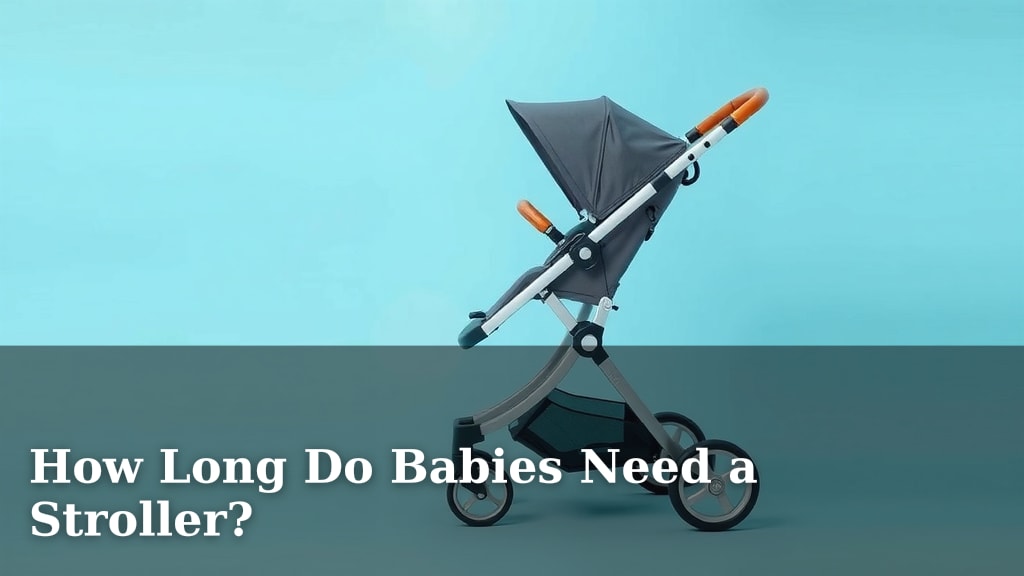
How Long Do Babies Need a Stroller?
Your baby likely won’t need a stroller for longer than 3 to 4 years. Most parents find strollers become less necessary when a child can walk and keep up independently. It’s less about a strict age and more about your child’s development and mobility.
While some babies might outgrow their strollers sooner, others may continue to use them for shorter trips or naps up to age five. Think of it as a tool for convenience and comfort, not a strict rule. You’ll know when it’s time to store it away.
- Most kids use strollers until around 3-4 years old.
- It depends on your child’s walking ability and independence.
- Some parents use them for naps or short trips longer.
- Think about your child’s needs, not just the age.
Let’s dive into the details and help you figure out the perfect timeline for your family’s stroller needs.
When Do Toddlers Stop Needing Strollers?
The age your child outgrows a stroller isn’t set in stone. It’s a flexible timeline that depends on your child’s individual development. Most parents find they transition away from strollers between 3 and 4 years old. This is when children typically gain the independence and stamina to walk longer distances.
Factors Influencing the Stroller Timeline
Several factors play a role in how long you’ll use a stroller. Think about your child’s physical abilities and their general temperament. Are they an energetic walker or do they tire easily? This will give you clues.
Child’s Walking Ability and Stamina
Can your child walk for extended periods? Do they get tired quickly on walks? If they’re a confident walker, you might need the stroller less. Children who tire easily may still benefit from a stroller for longer outings. Research suggests that children develop walking confidence at different rates (CDC).
Child’s Independence and Attention Span
A child’s desire for independence also matters. Do they want to run ahead or explore on their own? If they’re easily distracted, they might wander off without a stroller to keep them secure. However, some children are happy to walk alongside you, even with distractions.
Your Lifestyle and Daily Routines
Your family’s routine is a big piece of the puzzle. Do you live in a city with lots of walking? Or do you primarily drive everywhere? If your daily life involves a lot of walking, a stroller might be useful for longer than for families who drive more often. Consider your commute and travel habits.
Developmental Milestones and Stroller Use
As your child hits certain developmental milestones, you might notice a shift in stroller necessity. These are just general guideposts, and every child is unique. You know your child best!
The Walking Milestone
Most babies start walking independently around 12-18 months. However, this doesn’t mean they can walk everywhere immediately. It takes time for their stamina and coordination to develop. You might find yourself using the stroller for shorter trips initially.
Preschooler Independence
By the time your child is 3 or 4, they often have much better control over their bodies. They can manage curbs, uneven surfaces, and longer distances. This is often when parents start leaving the stroller at home more often. It’s a gradual process, not an overnight switch.
When to Consider Storing the Stroller
Deciding when to stop using a stroller is a practical decision for many parents. It’s about convenience and practicality, rather than a strict age limit. You’ll probably feel it when it’s time.
Signs Your Child Is Ready to Ditch the Stroller
Watch for these cues from your little one. They often signal that the stroller is becoming more of a hindrance than a help. Your child’s independence is growing!
- Your child actively refuses to get into the stroller.
- They can walk or run for extended periods without getting overly tired.
- They can stay close by your side when walking in public spaces.
- They show a strong desire to walk and explore on their own two feet.
The “Stroller Strike” Phenomenon
Sometimes, children will simply refuse to use the stroller. This is often called a “stroller strike.” It’s a clear sign they want to be on their own two feet. While it can be frustrating, it’s a positive sign of development. You might need to keep the stroller handy for emergencies or longer outings initially, even if they protest.
Practical Considerations for Storage
When you do decide to store the stroller, think about where it will live. Do you have space in the garage? A closet? Having a designated spot makes it less tempting to pull out for every little walk. It helps create a new routine for you and your child.
Adapting to Life Without a Stroller
Transitioning away from a stroller can be a big change. It requires a bit more planning and patience, but it also opens up new possibilities. You’re entering a new phase!
Alternative Mobility Options
As your child becomes more independent, other options might be useful. These can help bridge the gap or provide alternatives for different situations.
- Push cars or tricycles: These offer a fun way for children to exert some independence while still being controlled to some extent.
- Scooters: For older toddlers and preschoolers, scooters can be a great way to cover ground.
- Kid-friendly backpacks with leashes: While some parents have mixed feelings, these can offer a safety net in crowded areas if your child is prone to darting off.
Planning for Longer Outings and Naps
What about trips to the zoo or a day at the park? Your child might still need a break. Consider bringing a portable blanket or allowing for stroller-free rest periods. You can also reintroduce the stroller for very long days or when you know naps will be essential, even for a 4-year-old. Many parents keep it around for such occasions.
Making the Transition Smooth
To make this transition easier, try short walks without the stroller first. Celebrate your child’s walking milestones. Offer lots of praise and encouragement. Make walking fun by playing games or singing songs. If your child gets tired, have a plan to carry them or take a short break. It’s a journey, and everyone adapts at their own pace.
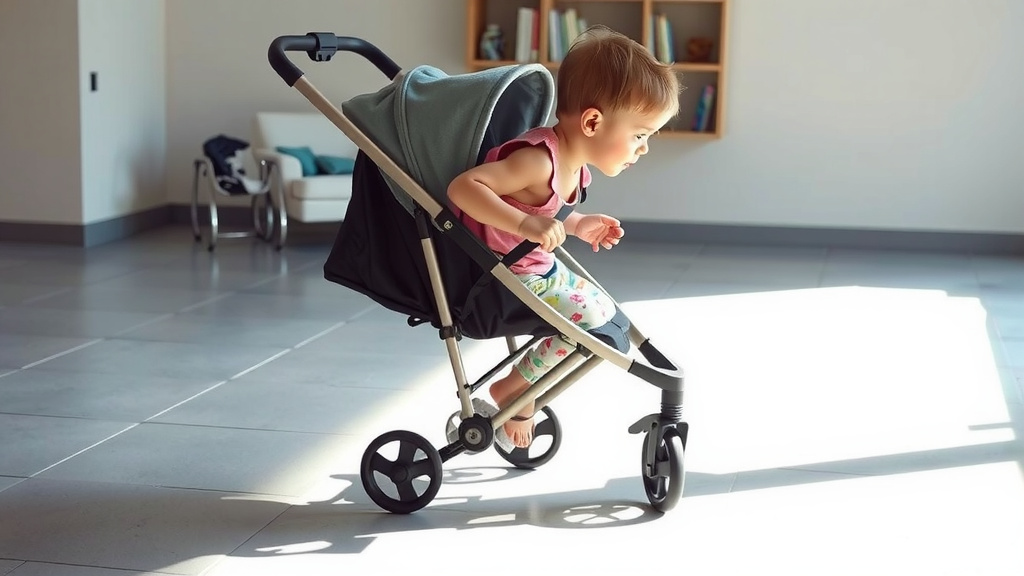
A Quick Checklist for Your Stroller Transition
Here’s a handy checklist to help you gauge when you might be nearing the end of your stroller days:
- Your child can walk a mile or more without excessive fatigue.
- They can follow simple directions while walking (e.g., “stay close”).
- They show a consistent preference for walking over being in the stroller.
- You find yourself using the stroller less and less for everyday trips.
- Your child is actively engaged in exploring their surroundings on foot.
- You feel confident managing short outings without stroller support.
Conclusion
You’ve learned that your child’s stroller journey is unique. Most families find strollers are useful for about 3 to 4 years. It’s less about age and more about your child’s walking ability and independence. Watch for signs like your child refusing the stroller or walking confidently for longer distances. Transitioning away takes patience, but it opens up new adventures for your growing little one. When you feel ready, take that step and celebrate their new found freedom on foot!
Frequently Asked Questions
Can I still use a stroller for a 4-year-old?
Yes, absolutely! While many 4-year-olds are walking independently, some may still benefit from a stroller for longer outings or when they’re tired. It’s perfectly fine to keep it handy for days at the zoo, theme parks, or when you know you’ll be on your feet all day.
What if my child has a “stroller strike”?
A stroller strike is a common sign of your child wanting more independence. While it can be challenging, try not to force them into the stroller if they resist. Keep it nearby for emergencies or tired moments, but encourage walking and celebrate their efforts to be on their own.
How do I know if my child has enough stamina to walk everywhere?
Observe your child on walks. Do they tire quickly and ask to be carried after a short distance? Or can they walk for 30 minutes or more without significant fatigue? If they can keep up with your pace and are not constantly complaining about being tired, their stamina is likely developing well.
Are there alternatives to a stroller for tired toddlers?
For younger preschoolers, a scooter or a tricycle can be a fun alternative for covering ground. For very young toddlers who still need a break but resist strollers, a child-friendly backpack with a leash can offer a safety net in crowded areas, though it’s a personal choice for parents.
When is it okay to completely store the stroller away?
You can consider storing the stroller permanently when your child consistently refuses to use it, can walk distances comfortably without tiring, and stays close to you in public spaces. It’s when the stroller feels more like a burden than a help for your daily routine.
![10 The Best Baby Car Seat And Stroller [2026]](https://bestbabystrollerjudge.com/wp-content/uploads/2026/08/10-the-best-baby-car-seat-and-stroller-2026-featured-768x432.jpg)
![10 Best Double Baby Stroller [2026]](https://bestbabystrollerjudge.com/wp-content/uploads/2026/08/10-best-double-baby-stroller-2026-featured-768x432.jpg)