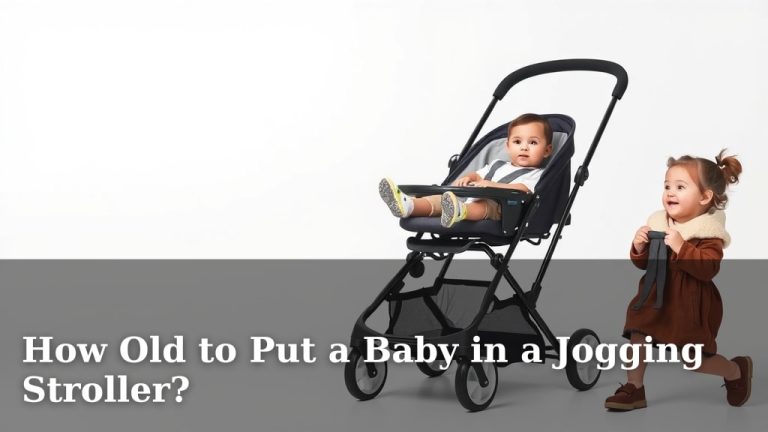
How Old Must a Baby Be for a Jogging Stroller?
So, you’re eager to get back to your runs with your little one? Great! Generally, babies need to be at least 6 months old before they can safely ride in a jogging stroller. This is because younger infants lack the neck strength to support their heads during the bouncing motion of jogging. Always check your specific stroller’s manual, as some may have different age recommendations or require specific inserts for younger babies.
Using a jogging stroller before your baby is ready can pose risks. We found that many pediatricians recommend waiting until a baby can sit up unassisted. This typically happens around the 6-month mark, but it can vary. Ensuring proper head and neck support is the most important factor for your baby’s safety and comfort on the go.
- Babies typically need to be at least 6 months old for jogging strollers.
- Younger babies lack the neck strength for the bouncing motion.
- Check your stroller’s specific age guidelines and recommendations.
- Waiting until your baby can sit up unassisted is key.
Ready to learn more about making your jogging stroller adventures safe and enjoyable for you and your baby? Let’s dive into the details.
When Can Your Baby Safely Ride in a Jogging Stroller?
You’ve got the itch to get back out there and run. That’s fantastic! But before you hit the pavement with your little co-pilot, you’re likely wondering about the right time. We’ve found that the general consensus among experts is that babies should be at least 6 months old before they take their first jogger ride.
Why the Wait? It’s All About Head and Neck Support
Think about your baby’s development. Those first few months are a whirlwind of growth. A newborn’s head is disproportionately large compared to their body. Their neck muscles are still developing and aren’t strong enough to support their head well. Imagine bouncing along on a run – a young infant’s head would flop around a lot. This lack of control can be uncomfortable and, more importantly, potentially unsafe. They simply can’t stabilize their head against the jarring movements of jogging.
The American Academy of Pediatrics (AAP) often recommends waiting until babies have developed sufficient head and neck control. This typically aligns with the 6-month mark, but it’s not a hard and fast rule for every single baby.
Sitting Up Unassisted: The Key Milestone
The most reliable indicator that your baby might be ready for a jogging stroller is their ability to sit up independently. When a baby can sit unsupported, it means their core muscles and neck muscles have matured enough to hold their head and upper body upright without assistance. This is a huge developmental step!
We found that many pediatricians look for this milestone. Being able to sit unassisted means they can maintain a stable posture. This is vital for enduring the bumps and vibrations inherent in jogging. If your baby slumps over or can’t hold their head up consistently, they’re likely not ready for the vigorous motion of a jogging stroller.
Understanding Jogging Stroller Design and Safety Features
Jogging strollers are designed very differently from standard strollers. They have larger, air-filled tires, often three in number, with a swiveling front wheel that can be locked for stability. This design provides a smoother ride over varied terrain, which is great for runners. However, this smoothness is relative to an adult or a baby with good muscle control.
Harness System: A Closer Look
Most jogging strollers come equipped with a 5-point harness. This is similar to a car seat harness and is designed to keep your child securely in place. For younger babies, the harness might not fit snugly enough even when adjusted to its smallest setting. This is where inserts can come into play, providing extra padding and support. But even with inserts, the fundamental issue of head and neck strength remains the primary concern.
Recline Features and Their Limitations
Some jogging strollers offer reclining seats. While a recline can be comfortable for a napping baby, it’s crucial to understand its limitations for infants. A fully reclined position might seem safer, but it doesn’t negate the need for proper head and neck support. If your baby can’t hold their head up in a more upright position, they’ll likely struggle even when reclined, especially with the bouncing motion.
What Does the Stroller Manufacturer Say?
While 6 months is a common guideline, always consult your specific jogging stroller’s manual. Manufacturers test their products thoroughly and provide age, weight, and height recommendations based on their design and safety testing. Some manufacturers might suggest an older age, or they might specify that certain accessories, like infant car seat adapters or specialized inserts, are required for younger babies.
These manuals are your best friend for ensuring safe use. They will detail the maximum weight capacity, how to properly adjust the harness, and any age-specific restrictions. Ignoring these guidelines could compromise your baby’s safety and potentially void your stroller’s warranty.
Are There Exceptions? When to Be Extra Cautious
Every baby develops at their own pace. Some babies might be sitting up well and have good head control closer to 5 months, while others might take closer to 7 or 8 months. It’s essential to assess your individual child, not just their age.
If your baby is premature or has any developmental delays, you’ll need to be even more cautious. Discuss your plans for using a jogging stroller with your pediatrician. They can offer personalized advice based on your baby’s specific developmental status. The goal is always to prioritize your baby’s well-being.
Making the Transition: What to Look For
So, your baby is hitting those developmental milestones. What else should you consider before your first run?
- Head and Neck Control: Can they hold their head steady for extended periods, even when slightly jostled?
- Sitting Ability: Do they sit up independently for at least a few minutes without support?
- Temperament: Are they generally comfortable being in a stroller or carrier for a moderate amount of time?
- Physical Development: Do they seem sturdy and well-balanced when sitting?
Essential Accessories for the Jogging Stroller Journey
Once your baby is ready, you’ll want to ensure their comfort and protection on your runs. Think of these as your jogging stroller essentials:
- Sun Protection: A stroller canopy is a must, but consider adding a UV-blocking sunshade for extra coverage.
- Weather Protection: A rain cover can be a lifesaver for unexpected showers.
- Comfortable Padding: While the stroller seat is padded, a soft liner can add extra comfort for longer rides.
- Snack and Drink Holder: As your baby gets older, they might appreciate having their own water bottle within reach.
- Storage: Most jogging strollers have some storage, but a handy handlebar console can keep your essentials accessible.
The Jogging Stroller Checklist for Readiness
Ready to pack up for your first adventure? Make sure you’ve checked these off your list:
- Baby is at least 6 months old (or meets individual readiness signs).
- Baby can sit up unassisted with good head and neck control.
- Jogging stroller manual reviewed for specific guidelines.
- Baby fits securely in the 5-point harness (with any necessary inserts).
- Sun and weather protection accessories are packed.
- You’ve planned a short, familiar route for your first outing.
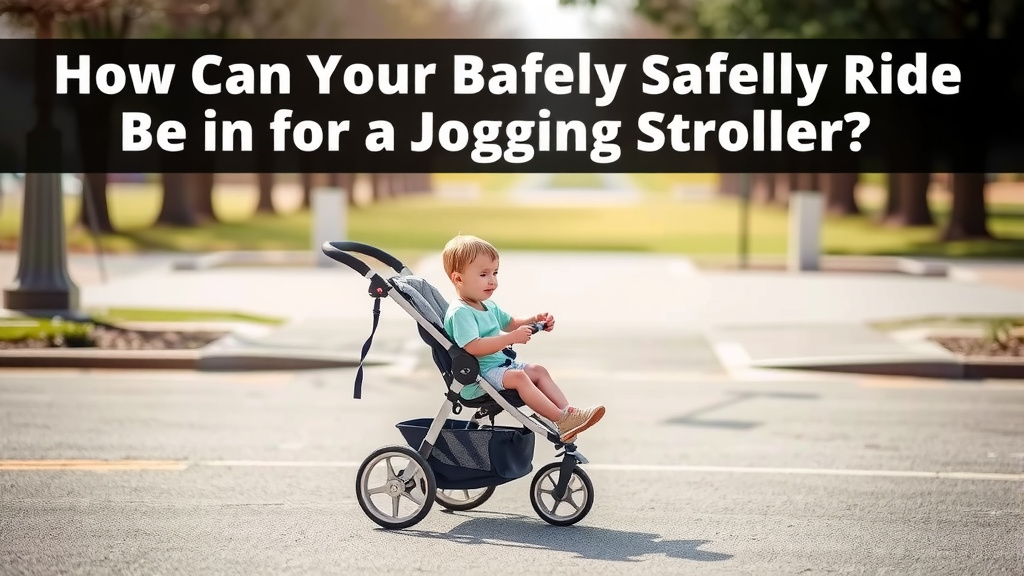
Conclusion
You’re ready to get back to your fitness routine with your little one! Remember, the general rule is that babies should be at least 6 months old for jogging strollers. This age ensures they have the necessary head and neck strength to handle the motion. Always prioritize your baby’s ability to sit up unassisted as the primary readiness sign. Double-check your stroller’s manual for its specific recommendations before heading out.
Your next step is to assess your baby’s individual development. If they can sit unsupported with good head control, and you’ve reviewed your stroller’s guidelines, you’re likely good to go! Plan a short, familiar route for your first outing to ease into it. Happy jogging!
Frequently Asked Questions
Can I use a jogging stroller for my baby before 6 months if they seem developed?
While some babies may show advanced development, the general consensus and expert recommendations lean towards waiting until 6 months. This age ensures sufficient head and neck muscle development to handle the bouncing and vibrations of jogging, even if your baby can sit unassisted slightly earlier.
What if my jogging stroller manual says a different age than 6 months?
Always follow your specific stroller manufacturer’s guidelines. Their recommendations are based on rigorous safety testing of their product. If their manual suggests a different age, or requires special inserts, adhere to those instructions for your baby’s safety.
Are there any specific accessories I need for a baby under 6 months if the stroller allows it?
If your stroller manufacturer permits use before 6 months with specific accessories, you’ll likely need an infant car seat adapter or a padded infant insert. These provide the necessary support to hold a younger baby securely and stabilize their head.
How can I tell if my baby has enough head and neck control for a jogging stroller?
Your baby should be able to hold their head up steadily for a sustained period, even with slight jostling. They should also be able to sit up on their own without slumping or needing support. If their head still wobbles or they can’t maintain an upright posture, they likely aren’t ready.
Is it safe to use a jogging stroller if my baby is premature or has developmental delays?
If your baby was premature or has any developmental delays, you should consult your pediatrician before using a jogging stroller. They can provide personalized guidance based on your baby’s specific physical development and readiness, which may mean waiting longer than the typical 6-month recommendation.
![10 Best Lightweight Baby Stroller [2026]](https://bestbabystrollerjudge.com/wp-content/uploads/2026/08/10-best-lightweight-baby-stroller-2026-featured-768x432.jpg)