
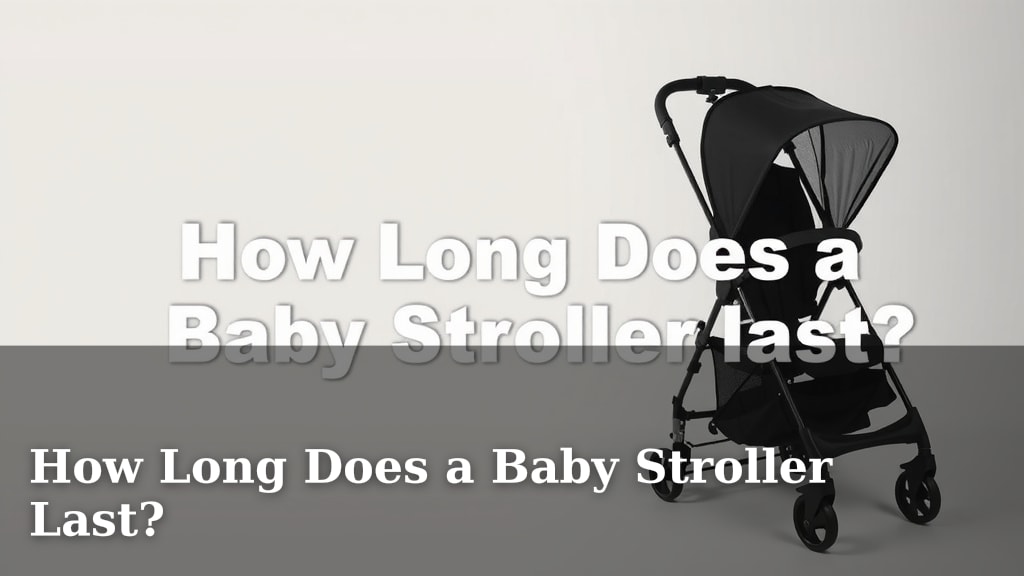
How Long Does a Baby Stroller Last?
A baby stroller can last anywhere from 3 to 10 years, depending on its quality, how often you use it, and how well you maintain it. Some strollers are built to last through multiple children, while others might only see you through the toddler years.
When you’re investing in a stroller, you’re probably wondering about its lifespan. You want something that will hold up to daily use and potentially grow with your family. Considering factors like durability and stroller type can help you make the best choice for your needs.
- Most strollers last 3-10 years.
- Quality and maintenance are key.
- Consider strollers built for multiple kids.
- Some models are better for specific ages.
- Check weight limits and safety features.
Let’s walk through what affects a stroller’s lifespan and how to get the most out of yours.
How Long Can You Expect a Baby Stroller to Last?
The lifespan of a baby stroller can vary quite a bit. Generally, you’re looking at a range of 3 to 10 years of use. This broad window is because so many things play a role. A high-quality stroller, used regularly and cared for properly, will naturally last much longer than a cheaply made one that’s put through its paces daily.
Think of it like buying a car. A basic model might get you around for a few years, but a luxury model, with proper maintenance, can serve you for a decade or more. The same principle applies to strollers. Understanding the factors that influence durability will help you make a choice that fits your family’s needs and budget for the long haul.
Factors Influencing Stroller Lifespan
Quality of Materials and Construction
The primary driver of a stroller’s lifespan is its construction. Strollers made with robust frames, durable fabrics, and high-quality wheels are built to withstand the rigors of daily use. You’ll often find that strollers from reputable brands, even at a higher price point, use superior materials. These materials resist wear and tear better over time.
We found that strollers with metal frames, rather than plastic, tend to be more durable. Look for reinforced stitching on the fabric and sturdy, reliable hinges. These are the components that often fail first in cheaper models. A well-made stroller is an investment that pays off in longevity.
Frequency of Use
How often you use your stroller significantly impacts how long it lasts. A stroller used for daily walks, trips to the park, and errands will experience more wear and tear than one used only for occasional outings. If you’re a parent who is always on the go, you’ll need a stroller built for heavy-duty use.
Think about your lifestyle. Are you navigating city sidewalks, rough park trails, or mostly smooth indoor floors? Each scenario presents different challenges. A stroller that’s constantly folded and unfolded, or subjected to bumps and jolts, will naturally wear out faster. This is why choosing a stroller appropriate for your typical environment is key.
Maintenance and Care
Just like any piece of equipment, strollers benefit greatly from proper care. Regular cleaning and simple maintenance can extend their life considerably. Keeping them clean prevents dirt and debris from damaging moving parts, like wheels and hinges.
We recommend wiping down the frame and fabric regularly. Periodically, check the wheels for any obstructions and lubricate moving parts if needed. Storing the stroller in a dry place, away from extreme temperatures, also helps preserve its condition. A little bit of attention goes a long way in keeping your stroller in top shape for years.
Type of Stroller
Different types of strollers are designed for different purposes and, consequently, have varying lifespans. A lightweight umbrella stroller might be perfect for quick trips but may not hold up as well to daily, heavy use as a more robust all-terrain stroller.
Travel Systems and Full-Size Strollers
Full-size strollers and travel systems are often built with durability in mind. They usually feature sturdier frames and more sophisticated suspension systems. These are designed to handle more weight and rougher terrain, making them suitable for longer-term use, sometimes even through multiple children. Many parents find these to be workhorses that last for many years.
Lightweight and Umbrella Strollers
Umbrella strollers are fantastic for portability and convenience, especially for travel or short outings. However, their simpler construction means they might have a shorter lifespan if used as a primary stroller for a very active family. Their lighter frames and less complex mechanisms are not always designed for the same level of intense, daily wear and tear.
Jogging Strollers
Jogging strollers are built for performance and durability, particularly for active parents. They often have robust frames, large, air-filled tires, and advanced suspension to handle speed and rough surfaces. These are typically designed to last many years and can withstand significant use. Their construction is geared towards longevity and tackling demanding activities.
When a Stroller Might Need Replacing
Even the best-made stroller will eventually show signs of wear. You’ll know it’s time for a replacement when certain issues arise. Safety is always the top priority, so any compromise in that area means it’s time to consider a new one.
Signs of Wear and Tear
Look out for a few key indicators. Are the brakes still functioning reliably? Do the wheels turn smoothly, or do they stick or wobble? If the frame feels loose or unstable, or if the fabric is significantly torn or frayed, it’s a sign the stroller is reaching the end of its useful life. We found that compromised brakes are a common reason for replacement, as they are a critical safety feature.
Exceeding Weight or Age Limits
Every stroller has specific weight and age limits, often detailed by manufacturers (CDC guidelines often inform these recommendations for child development stages). Using a stroller beyond these limits can damage it and, more importantly, compromise your child’s safety. As your child grows, they’ll get heavier and more active, eventually outgrowing the stroller’s capacity.
It’s vital to consult the stroller’s manual for these specifications. Pushing these limits isn’t just bad for the stroller; it can lead to accidents. Once your child reaches the stroller’s maximum height or weight, or becomes too old and independent, it’s usually time to transition to a different mode of transport.
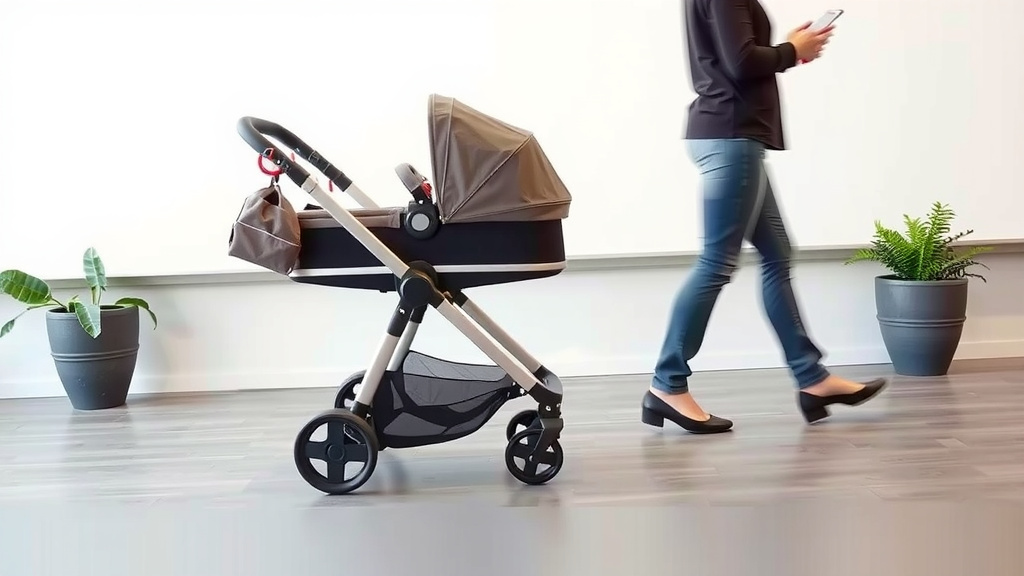
Tips for Maximizing Your Stroller’s Lifespan
Want to get the most out of your stroller? A few simple habits can make a big difference. Treating your stroller with care means it can serve you and your little one for longer, potentially even for future siblings!
- Clean it regularly: Wipe down the frame and fabric to keep it fresh.
- Check the wheels: Ensure they are free of debris and spin freely.
- Lubricate parts: A little oil can keep hinges and wheel mechanisms working smoothly.
- Store it properly: Keep it in a dry, safe place when not in use.
- Follow manufacturer guidelines: Always use within weight and age limits.
- Address minor issues promptly: Don’t let small problems become big ones.
Conclusion
You’ve learned that a baby stroller’s lifespan isn’t set in stone. It largely depends on the stroller’s quality, how often you use it, and how well you maintain it. You can expect most strollers to last between 3 and 10 years with proper care.
By choosing a well-made stroller and following simple maintenance tips, you can maximize its longevity. This ensures it can safely support your child for as long as needed. Your next step is to assess your lifestyle and choose a stroller built to match your family’s adventures.
Frequently Asked Questions
How can I tell if my stroller is still safe to use?
You should regularly check the brakes to ensure they engage firmly and that the wheels roll smoothly without wobbling. If the frame feels loose, the fabric is significantly torn, or any part seems unstable, it’s time to consider a replacement for safety.
Can I use a stroller for more than one child?
Yes, many strollers are designed for longevity and can be used for multiple children, especially if they are well-maintained and meet the weight requirements for each child. Choosing a durable, full-size model or a travel system often makes this possible.
Does storing my stroller indoors affect its lifespan?
Storing your stroller in a dry, indoor location away from extreme temperatures and direct sunlight helps protect its materials and mechanical parts. This kind of care can significantly extend its usable life compared to leaving it exposed outdoors.
What’s the difference in lifespan between an umbrella stroller and a full-size stroller?
Umbrella strollers are typically lighter and less robust, often lasting fewer years with heavy daily use. Full-size strollers and travel systems are generally built with sturdier frames and components, allowing them to last longer, sometimes through multiple children.
Should I worry about exceeding the stroller’s weight limit?
Absolutely. Exceeding the weight limit can damage the stroller’s frame and suspension, compromising its structural integrity and safety. It’s essential to always consult the manufacturer’s guidelines and stay within the specified limits.
![10 Best Baby Stroller Car Seat Travel System [2026]](https://bestbabystrollerjudge.com/wp-content/uploads/2026/08/10-best-baby-stroller-car-seat-travel-system-2026-featured-768x432.jpg)
![10 In 1 Baby Stroller [2026]](https://bestbabystrollerjudge.com/wp-content/uploads/2026/09/10-in-1-baby-stroller-2026-featured-768x432.jpg)
![10 Best Baby Travel Stroller [2026]](https://bestbabystrollerjudge.com/wp-content/uploads/2026/08/10-best-baby-travel-stroller-2026-featured-768x432.jpg)