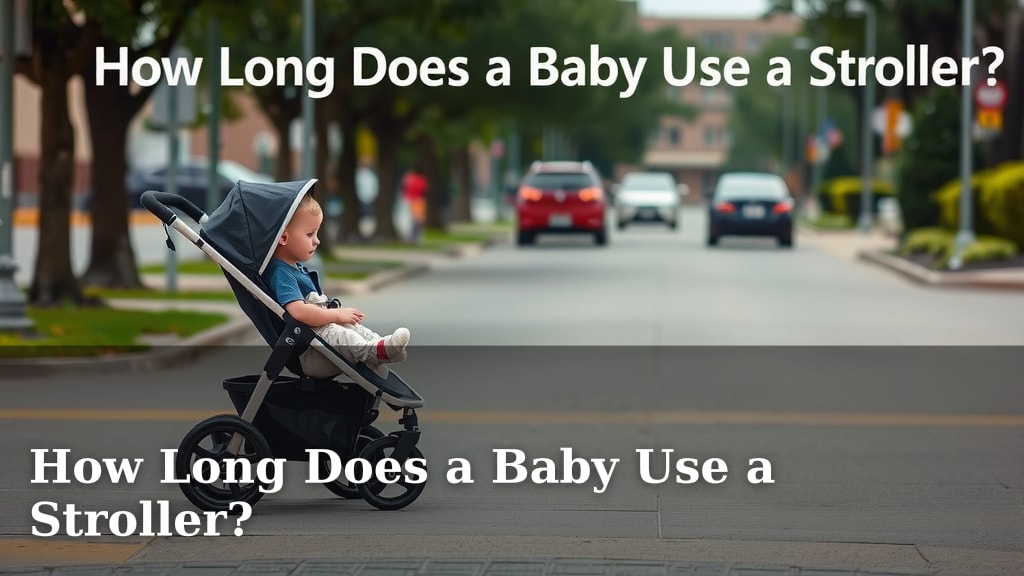
How Long Does a Baby Use a Stroller?
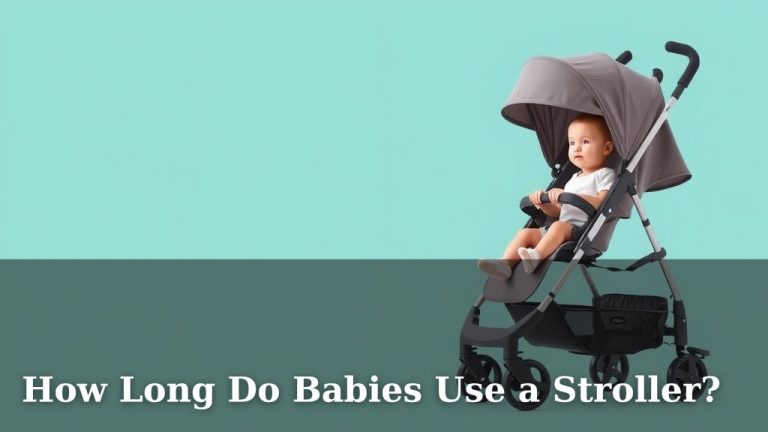
You’re probably wondering: how long does a baby use a stroller? Most babies use a stroller until they are around 3 to 4 years old. This age range can shift depending on your child’s development and your family’s lifestyle. It’s all about finding the right moment for your little one to transition.
Think of a stroller as a versatile tool for those early years. While newborns need something that reclines fully, older toddlers might prefer a seat that lets them see the world. We found that understanding these stages helps you choose the right stroller and know when it might be time to move on.
- Babies typically use strollers until 3-4 years old.
- Newborns need a stroller that reclines flat.
- Older toddlers might prefer a stroller they can easily get in and out of.
- Stroller use depends on your child’s growth and your family’s needs.
Let’s walk through the typical stroller journey and what to look for at each stage.
When Do Kids Outgrow Their Strollers?
Most parents find that their child uses a stroller until they are around 3 to 4 years old. This is a general timeframe, and your child might outgrow theirs a bit sooner or later. It really depends on your child’s individual development and your family’s specific needs and routines. Think of it as a tool that serves you for a good chunk of their early years.
The transition from stroller to walking can be a gradual one. Some days, your little one might be eager to walk everywhere. Other days, especially after a long outing or when they’re tired, they might still want to hop into their stroller. It’s about finding that balance that works for both of you.
Understanding Stroller Needs by Age
The Newborn Stage: Comfort and Safety First
For newborns, the stroller is more like a mobile bassinet. They can’t hold their head up or support their own weight. This means you’ll need a stroller that offers a fully reclining seat or can accommodate an infant car seat or a bassinet attachment. This allows them to lie flat, which is essential for their developing spines and for easy breathing.
Many parents opt for a travel system. This is a stroller that clicks securely with a compatible infant car seat. It’s super convenient for getting a sleeping baby from the car to the stroller without disturbing them. You’ll likely use this flat-recline or bassinet feature for the first 6 to 12 months, depending on your baby’s growth and comfort.
Infancy to Toddlerhood: Growing Independence
As your baby grows, they’ll start to sit up independently and become more curious about their surroundings. Around 6 months old, most babies can sit in a stroller seat that offers more upright positions. This is when they can really start to take in the world around them.
You might notice they prefer to face forward to see everything. However, some parents prefer to keep the seat facing them for interaction and to monitor their baby. The best strollers at this stage often offer adjustable seating positions, both forward and rear-facing. This gives you flexibility as your baby’s preferences change.
The Toddler Years: Mobility and Spontaneity
Once your child becomes a toddler, their desire for independence often surges. They want to walk, run, and explore. This is when stroller use starts to shift. They might use it for longer outings, when they’re tired, or when you need to cover a lot of ground quickly.
You’ll find that older toddlers often prefer a stroller where they can easily get in and out themselves. A stroller with a lower seat or a step-up board for a sibling can be appealing. They might also be less interested in being strapped in for extended periods. The key is a stroller that still offers a safe place to rest when needed, but also allows for easy transitions to walking.
Factors Influencing How Long You’ll Use a Stroller
Your Child’s Development and Temperament
Every child is different. Some children are naturally more inclined to walk and explore from an early age. Others might be happier to be carried or use a stroller for longer. We found that observing your child’s cues is the best guide. If your child is consistently eager to walk and can keep up on short trips, they might be ready to phase out stroller use sooner.
Growth spurts can also play a role. A taller child might feel cramped in their stroller before they reach the typical age limit. Conversely, a child who is a slower walker might benefit from stroller naps or resting stops longer than average. Research suggests that most children achieve the physical coordination needed for sustained walking between 18 months and 3 years old (Centers for Disease Control and Prevention).
Your Family’s Lifestyle and Routine
The way your family lives can greatly influence stroller usage. If you live in a city and do a lot of walking, a stroller might be a necessity for longer distances, even for a 3-year-old. It provides a safe space in busy environments and a place for naps on the go.
If you primarily drive everywhere and only use strollers for short trips or in specific locations like malls or parks, your child might outgrow it sooner. Families who enjoy hiking or long walks might find a sturdy, all-terrain stroller useful for a bit longer. Consider your typical outing: are you walking miles or popping in and out of the car?
The Type of Stroller You Have
The type of stroller you own can also impact how long it remains useful. A lightweight umbrella stroller might be less appealing to a toddler who wants to explore compared to a more robust stroller with features like a snack tray or a larger sun canopy.
If you have a convertible stroller that can adapt to different needs, like adding a glider board for an older sibling, it can extend its usability. Some strollers are designed with older children in mind, offering more space and comfort. We found that investing in a versatile stroller can often mean it lasts for the entire duration your child needs one.
When to Consider Saying Goodbye to the Stroller
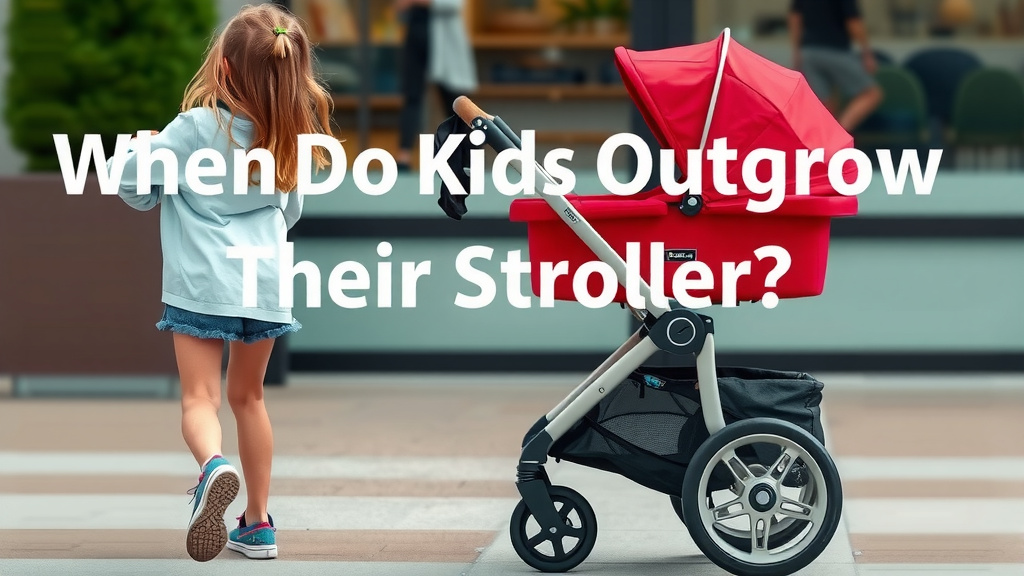
You’ll likely know it’s time to transition away from the stroller when your child consistently refuses to get in it. They might protest loudly when you try to put them in, preferring to walk or run beside you. This is a clear sign of their growing independence.
Another indicator is when your child can easily keep pace with you on most outings, even for moderate distances. They should be able to walk reliably without becoming excessively tired or frustrated. It’s also helpful if your child understands and responds to safety cues, like staying close when you’re near traffic.
Making the Transition Smoothly
Transitioning away from the stroller can be a big step. It’s often helpful to phase it out gradually. Start by using the stroller only for longer outings or when you know your child will likely get tired. For shorter trips, encourage walking.
You can also introduce a toddler backpack or a small ride-on toy for them to carry their own things or for fun. Sometimes, a simple conversation about how big they are getting and how they can walk like a “big kid” can make a difference. Celebrate their milestones and their new found mobility!
A Checklist for Stroller Transition Readiness
Here are a few things to consider when you’re thinking about transitioning your child away from the stroller:
- Is your child consistently able to walk for 20-30 minutes without excessive fatigue?
- Does your child express a strong desire to walk and explore independently?
- Can your child understand and follow basic safety instructions when walking?
- Are your typical outings manageable on foot for your child?
- Do you feel confident that your child can navigate safe walking environments without stroller support?
- Does your child seem to have outgrown the comfort or space of their current stroller?
Conclusion
You’ve learned that most children use a stroller until they’re around 3 to 4 years old. This journey is unique to your child’s development and your family’s lifestyle. From needing a flat recline for newborns to a more independent ride for toddlers, the stroller adapts. We found that paying attention to your child’s cues is your best guide for knowing when it’s time to transition. When they’re eager to walk and can keep up, you’re ready to embrace more walking adventures together. Start by phasing it out gradually and celebrate those big-kid steps!
Frequently Asked Questions
Can my 5-year-old still use a stroller?
While most children outgrow strollers by age 4, it’s not unheard of for older children to use them occasionally. This might be for very long days, when they are ill, or if they have special needs. If your 5-year-old still needs stroller support for specific situations, that’s perfectly okay.
What are the signs my child is ready to stop using a stroller?
Key signs include your child consistently refusing to get in the stroller, showing a strong desire to walk everywhere, and being able to walk reliably for moderate distances without becoming overly tired. They should also be able to follow safety instructions when walking.
How can I encourage my child to walk more and use the stroller less?
You can make walking fun by playing games, pointing out interesting things, or letting them “help” you navigate. Consider a toddler backpack for them to carry their own snacks or a small toy. Celebrating their walking milestones can also be motivating.
Should I still use a stroller if my child naps frequently?
If your child still needs stroller naps, it may be worth continuing stroller use for a while longer. Look for strollers that offer good recline options for comfortable napping. As they transition away from naps, their need for a stroller will likely decrease.
What if my child has mobility issues and might need a stroller longer?
For children with specific mobility challenges or medical conditions, a stroller can be essential for much longer. You may want to look into specialized strollers designed for accessibility and comfort. Consult with your pediatrician or a physical therapist for personalized advice.
![10 What Is The Best Baby Stroller And Car Seat [2026]](https://bestbabystrollerjudge.com/wp-content/uploads/2026/08/10-what-is-the-best-baby-stroller-and-car-seat-2026-featured-768x432.jpg)