
How Old Can a Baby Ride in a Jogging Stroller?
Most parents wonder about the right age for their little ones to join them on a jogging adventure. Generally, babies can ride in a jogging stroller once they can sit up unassisted, typically around 6 months old. However, it’s always best to check your stroller’s manufacturer guidelines, as some models have specific age or weight restrictions and may require a special infant insert for younger babies. Safety is your top priority!
Before hitting the trails, consider your baby’s developmental stage and the type of terrain you’ll be tackling. A smooth, paved path is very different from a bumpy trail. Many experts recommend waiting until your baby has better head and neck control to handle the motion of jogging. It’s a big step, and you want to make sure it’s the right one for both of you.
- Babies can typically use a jogging stroller around 6 months.
- Always check your stroller’s specific age and weight limits.
- Ensure your baby can sit up unassisted with good head control.
- Consider using an infant insert for extra support if needed.
- Paved surfaces are generally safer for younger babies in jogging strollers.
Ready to hit the ground running with your little one? Let’s dive into the specifics of when and how to introduce your baby to a jogging stroller safely.
When Can Your Baby Safely Ride in a Jogging Stroller?
You’re excited to get back to your running routine and want to bring your little one along for the ride. It’s a common question many parents have: when is the right time to introduce your baby to a jogging stroller? The general consensus among experts is that most babies can safely ride in a jogging stroller when they can sit up unassisted, which is typically around the 6-month mark. This milestone is important because it means they have developed enough core strength and head control to support themselves.
However, this is just a guideline. Your baby’s individual development plays a big role. Always check the manufacturer’s instructions for your specific stroller model. They will provide the most accurate information regarding age and weight limits, and any special accessories you might need. Safety always comes first when it comes to your little adventurer!
Understanding Your Baby’s Developmental Readiness
Before you even think about hitting the pavement, let’s talk about what “sitting up unassisted” really means for your baby. It’s not just about being able to plop them down and have them stay upright for a few seconds. We’re talking about a baby who can maintain a stable, upright posture for a prolonged period without slouching or needing constant support.
This usually coincides with good head and neck control. Can they hold their head up steadily when you carry them? Can they look around without their head wobbling? These are key indicators that their muscles are strong enough to handle the bumps and jostles of a jogging stroller. Many pediatricians suggest waiting until your baby can sit independently for at least a few minutes without support before considering a jogging stroller.
Why Six Months is Often the Magic Number
So, why six months? Around this age, many babies have gone through a growth spurt in their motor skills. They are typically starting to push themselves up during tummy time and can hold their heads quite steady. This increased strength is vital for preventing them from slumping forward or sideways in the stroller, which could restrict their breathing.
Think of it like this: when you’re running, the stroller is going to move. It will bounce, it will sway, and it will vibrate. A baby who can’t support their own torso will be subjected to much more jarring movement. We want to ensure they can comfortably handle this motion. Research shows that premature or unsupported sitting can put undue stress on a baby’s developing spine and can make it harder for them to breathe effectively (American Academy of Pediatrics).
Essential Safety Checks Before You Roll
You’ve got the green light from your pediatrician, and your baby seems ready. Great! But before you lace up your running shoes, there are a few more safety checks you absolutely must do. These aren’t just suggestions; they are crucial steps to ensure a safe and enjoyable experience for both of you.
Consulting Your Jogging Stroller’s Manual
This is non-negotiable. Every jogging stroller is designed differently. Some might be built for rougher terrain and have better suspension, while others are more suited for paved paths. Your stroller’s manual will have specific details about the minimum age and maximum weight for a child to ride. Don’t guess or assume; find that manual!
Sometimes, a stroller might say a baby can ride from birth, but this usually means with a special infant car seat adapter or a fully reclining bassinet attachment. These accessories are designed to provide the necessary support and recline for newborns who cannot sit up. Without these, a younger baby is simply not safe in a jogging stroller.
The Importance of an Infant Insert or Car Seat Adapter
For those babies who are borderline or still a bit wobbly, an infant insert can be a game-changer. These are padded cushions that provide extra support around your baby’s head, neck, and body. They help keep your baby snug and secure, mimicking the support of a car seat or bassinet. Many brands offer these as optional accessories, and they are well worth the investment for added peace of mind.
If your stroller is compatible, using an approved infant car seat adapter is another excellent option for younger babies. This allows you to securely click your existing infant car seat into the stroller frame. Just remember to check the weight and height limits for both the car seat and the adapter. Always ensure the car seat is installed correctly in the stroller according to both manufacturer’s guidelines.
Assessing the Terrain: Smooth Paths First
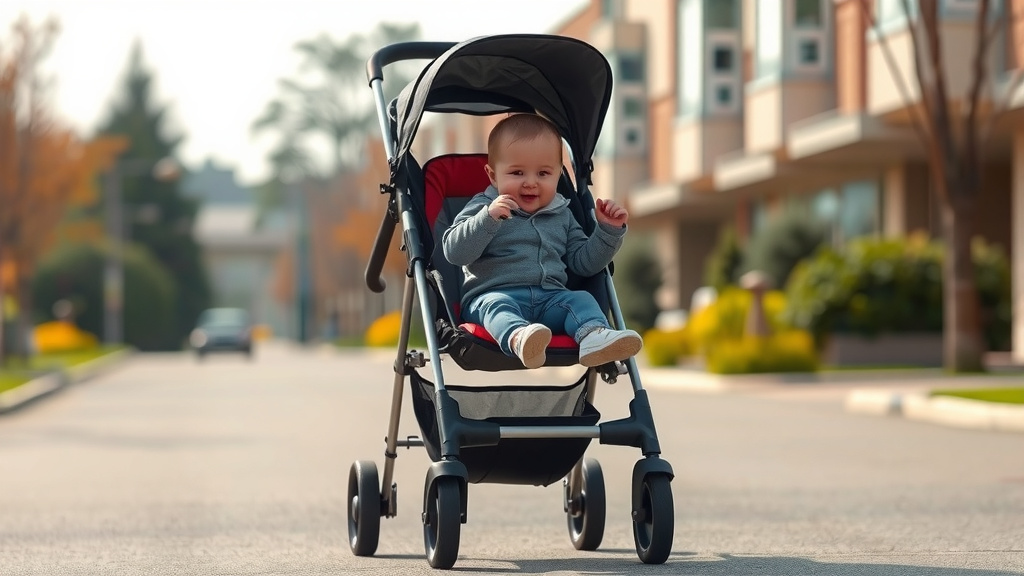
Where are you planning to run? This is a big consideration, especially when your baby is younger. Jogging strollers are designed to handle more varied terrain than traditional strollers, but the bumps and jolts can be amplified. For babies under 12 months, sticking to smooth, paved surfaces is highly recommended. Think paved park trails, sidewalks, or smooth, hard-packed dirt paths.
Avoid gravel roads, rocky trails, or very uneven surfaces. The excessive bouncing can be uncomfortable and potentially harmful for a baby still developing their core strength and balance. As your baby gets older and stronger, you can gradually introduce them to slightly more varied terrain, always observing how they react and ensuring they are comfortable and secure.
Making the First Few Rides Successful
Your baby is ready, the stroller is checked, and the path is clear. Now it’s time for the actual outing! Here’s how to make those initial trips smooth sailing (or smooth running, rather).
Start Slow and Short
Don’t plan a marathon for your baby’s first outing. Begin with short, easy runs around your neighborhood or a local park. Aim for 15-20 minutes. This allows your baby to get used to the motion and sounds of the stroller. It also gives you a chance to check how they are doing without overdoing it.
Pay attention to their cues. Are they fussy? Do they seem uncomfortable? If so, it might be too soon, or they might need more support. It’s always better to err on the side of caution and cut the ride short if your baby isn’t happy.
Use Sun Protection and Comfortable Gear
Babies have delicate skin and are more susceptible to sun and wind. Make sure your stroller has a good canopy that provides ample shade. Consider adding a stroller fan for warmer days, and always dress your baby in lightweight, breathable clothing. A sun hat with a brim is also a must. Remember to apply baby-safe sunscreen to any exposed skin.
For comfort, ensure the harness is snug but not too tight. Check that the straps are positioned correctly to keep your baby secure. A small blanket or lovey can also make them feel more secure and comfortable during the ride. A happy baby makes for a happy runner!
Checklist for Your First Jogging Stroller Adventure
- Confirm Age/Weight Limits: Double-check stroller manual for specifics.
- Baby’s Readiness: Can they sit up well with good head control?
- Proper Support: Use infant insert or car seat adapter if needed.
- Safe Terrain: Choose paved, smooth surfaces for initial rides.
- Short & Sweet: Begin with brief outings (15-20 mins).
- Comfort & Protection: Ensure sunshade, harness, and comfortable clothing.
Conclusion
You’re ready to hit the road with your little one! Remember, the general guideline is around 6 months, but your baby’s individual development is key. Always prioritize checking your stroller’s manual for specific age and weight limits. Ensure your baby has strong head and neck control and can sit up unassisted for comfort and safety. Start with short, gentle outings on smooth paths and always use proper sun protection. Prioritizing these safety steps will help you both enjoy your jogging adventures together!
Frequently Asked Questions
Is it safe for a newborn to ride in a jogging stroller?
Generally, newborns are not safe in a jogging stroller without specialized equipment. Many jogging strollers allow newborns if you use an approved infant car seat adapter or a fully reclining bassinet attachment. Always consult your stroller’s manual for birth-to-use capabilities.
What if my baby can sit up, but still seems a little wobbly?
If your baby can sit up but still seems a bit wobbly, it’s wise to wait a little longer or use extra support. An infant insert can provide much-needed padding and stability for their head and torso. Continue practicing sitting without support during playtime to build their core strength.
Are there specific terrains I should avoid with a baby in a jogging stroller?
Yes, for babies under 12 months, it’s best to stick to smooth, paved surfaces. Avoid bumpy gravel, rocky trails, or very uneven ground. These rough terrains can cause excessive jarring that might be uncomfortable or unsafe for a developing infant.
How can I tell if my baby is getting too much vibration in the stroller?
Watch your baby’s cues closely. If they seem fussy, agitated, or are struggling to stay upright despite your efforts, they might be experiencing too much vibration or jostling. Ensure your stroller’s suspension is working correctly and consider softer terrains or a more supportive insert.
What if my jogging stroller says it’s suitable from birth, but my baby is only 4 months old?
If your stroller’s manual states it’s suitable from birth, it likely requires a specific accessory for newborns. This usually means using a compatible infant car seat or a bassinet attachment designed to provide full support and a flat recline. Without these, a 4-month-old likely cannot safely use the stroller for jogging.
![10 Best All Terrain Baby Stroller [2026]](https://bestbabystrollerjudge.com/wp-content/uploads/2026/08/10-best-all-terrain-baby-stroller-2026-featured-768x432.jpg)
![10 Baby Gear Lab Best Jogging Stroller [2026]](https://bestbabystrollerjudge.com/wp-content/uploads/2026/09/10-baby-gear-lab-best-jogging-stroller-2026-featured-768x432.jpg)