How Long Do Babies Use a Stroller?
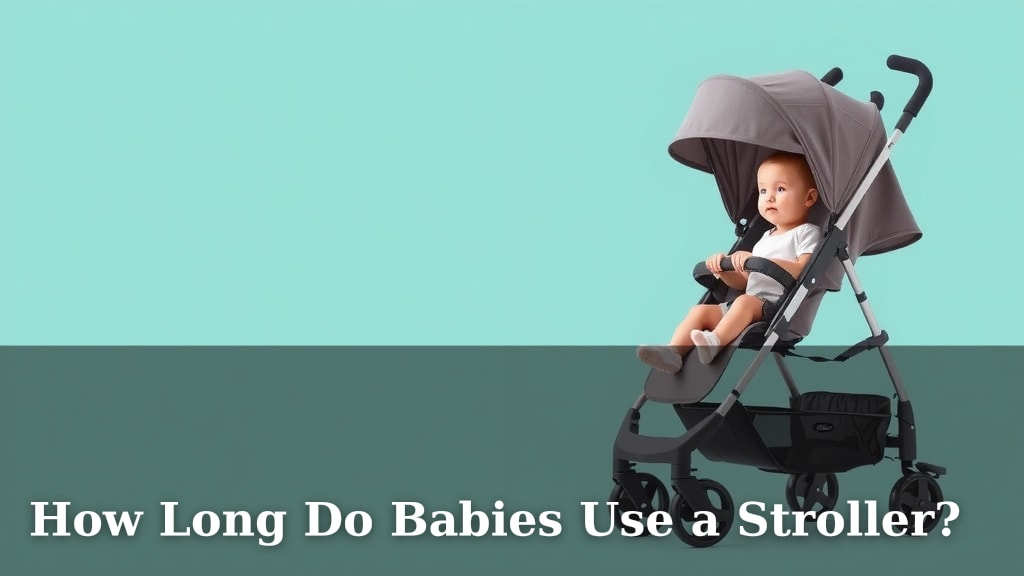
Most parents use a stroller for their baby until they are between 2 to 4 years old. This is when little ones typically develop enough independence and stamina for walking on their own. You might find your child outgrows their need for a stroller sooner or later, depending on their development and your lifestyle. Some kids are happy to walk everywhere by 18 months, while others still enjoy a ride even after turning three.
Understanding the typical stroller lifespan helps you plan your budget and make informed purchasing decisions. It’s a tool that grows with your child, offering convenience for different stages. We found that factors like stroller type and your family’s routine play a big role in how long it’s used. Keep in mind, the goal is to transition to walking as your child gains confidence and mobility.
- Babies usually stop needing a stroller around 2-4 years old.
- This depends on your child’s walking ability and desire to explore.
- Consider stroller type and your family’s daily routine.
- It’s a gradual transition to independent walking.
Let’s walk through the different factors that influence how long you’ll be pushing that stroller. We’ll cover what to look for as your child gets older.
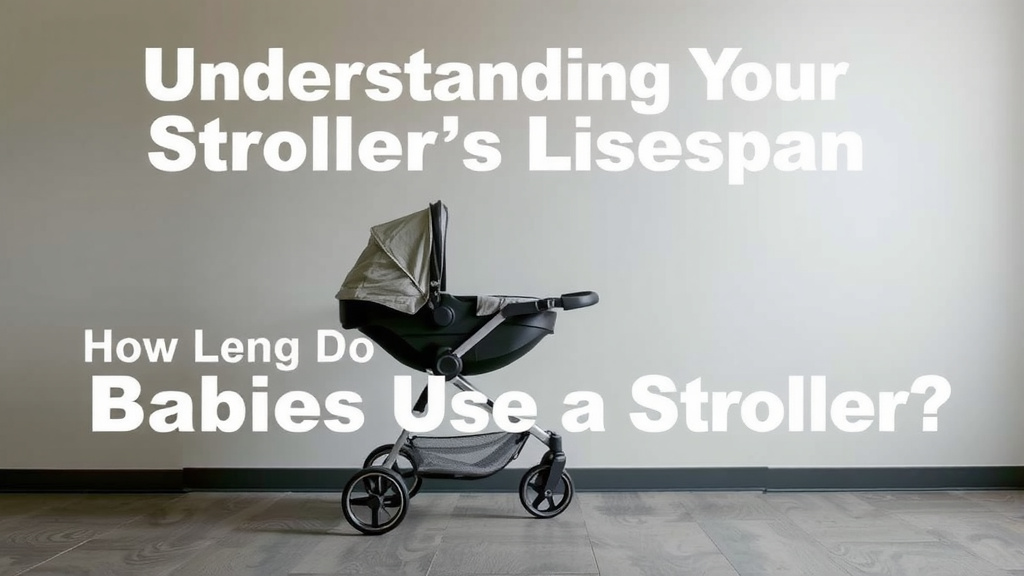
Understanding Your Stroller’s Lifespan
So, how long will your trusty stroller actually be in service? We found that most families use their strollers until their child reaches the 2 to 4-year mark. This timeframe is a general guideline, and your child’s individual development plays a starring role. Think of it as a spectrum rather than a hard stop. Some little adventurers are ready to ditch the stroller for walking adventures much earlier, while others might still appreciate a comfy ride a bit longer.
Your lifestyle and the types of outings you enjoy also influence this. Are you a frequent traveler or a daily park visitor? These factors can shift the timeline. We want to help you figure out when your child might be ready to transition and what to look for along the way.
When Does Your Child Outgrow the Stroller?
The Walking Milestone and Beyond
The biggest indicator is your child’s ability and willingness to walk independently. Most babies start taking their first steps around 12 months. By 18 months, many are walking fairly steadily. However, sustained walking for longer distances or through busy areas is different. We see that children often develop the stamina for these longer walks between 2 and 3 years old.
It’s not just about physical ability. It’s also about their interest! Does your child get frustrated sitting still, or are they eager to explore on their own two feet? Many toddlers start showing a strong desire for independence. They want to run, jump, and see everything up close. This growing curiosity often signals they’re ready to walk more than they ride.
Developmental Readiness for Walking
Consider your child’s coordination and balance. Are they walking confidently without much stumbling? Can they navigate uneven surfaces reasonably well? We found that children who are more physically confident tend to give up the stroller sooner. They feel secure exploring the world on foot. This doesn’t mean they’ll never need a break, but they won’t rely on the stroller for every outing.
It’s also about their cognitive development. As children become more aware of their surroundings, they want to interact with them directly. A stroller can feel like a barrier to that exploration. We’ve seen that by the time they are 3, many children have a much better understanding of safety and when they need to hold a hand versus when they can walk freely.
Factors Influencing Stroller Use
Your Family’s Lifestyle and Routine
Let’s talk about your daily life. Do you live in a city with lots of walking? Or perhaps you have a car and mostly drive to destinations? If you’re constantly on the go, walking or using public transport, a stroller might be a necessity for longer periods. It’s your mobile safe haven for naps, snacks, and carrying all the essentials.
Conversely, if your routine involves short trips or plenty of backyard play, you might find the stroller is used less. We found that families who prioritize daily walks and park visits might find their stroller gets more use, even with a toddler who can walk. It offers a way to cover more ground comfortably.
The Type of Stroller You Own
Not all strollers are created equal, and this impacts how long you’ll use them. A bulky, full-sized stroller might feel cumbersome once your child is walking more independently. You might switch to a lighter umbrella stroller for convenience. These are often used for shorter trips or when traveling.
Travel systems, which include a car seat that clicks into the stroller, are fantastic for newborns. However, you might find you stop using the car seat attachment much sooner than the stroller frame itself. Many parents continue to use the frame with a toddler seat for a while longer. We’ve researched that some lightweight strollers are designed for older toddlers and preschoolers, offering sun protection and a place to rest without being too bulky.
| Stroller Type | Typical Age Range of Use | Key Considerations |
|---|---|---|
| Full-Sized/Travel System | Birth to 2-3 years | Versatile, but can be bulky as child grows. |
| Lightweight/Umbrella Stroller | 6 months to 3-4 years | Portable, good for travel and short trips. |
| Jogging Stroller | 6 months to 3-4 years | Best for active families, offers smooth ride. |
Your Child’s Temperament and Needs
Every child is different. Some toddlers are naturally more cautious and might prefer the security of a stroller for a bit longer. Others are fearless explorers who want to be on the move constantly. We found that understanding your child’s individual personality is key.
Think about naps, too. If your child still takes naps on the go, a stroller can be a familiar and comfortable place for them to rest. This might extend its usefulness, especially on busy days. Even if they walk most of the time, a stroller can be a lifesaver for those moments when they get tired or overwhelmed.
Signs Your Child is Ready to Transition
Increased Walking Stamina and Confidence
You’ll notice your child wanting to walk more. They’ll start requesting to get out of the stroller. They might even start running ahead a little (with supervision, of course!). This increased desire to walk is a clear signal. We found that when a child consistently chooses to walk over riding, it’s a good sign they are ready.
Watch for how they handle longer distances. Can they walk to the end of the block and back without getting overly tired? Do they seem happy and engaged while walking? If so, you’re likely approaching the end of your stroller journey. Many parents observe this happening organically between 2 and 3 years old.
Less Need for Naps on the Go
As children get older, their nap schedules often change. They may transition to a single afternoon nap or even phase out of naps altogether. If your child no longer needs to nap during your outings, the stroller becomes less essential. We found that children who have dropped their stroller naps are often ready to walk for the duration of your trips.
This doesn’t mean they won’t get tired. It just means the stroller is no longer the primary solution for rest. You might find yourself using a carrier or simply taking breaks on a park bench instead. It’s about adapting to their changing needs.
Making the Transition to Walking
Gradual Introduction of Walking Time
You don’t have to go cold turkey. Start by using the stroller for shorter periods. Let your child walk more during familiar routes. For example, if you’re going to the park, let them walk the whole way there and then use the stroller for the journey home if they are tired. We found that this gradual approach helps them adjust.
Encourage walking by making it fun. Play games like “I Spy” or create scavenger hunts. Make the journey itself an adventure. This positive reinforcement can make them more enthusiastic about walking. It turns a potential struggle into an enjoyable experience.
Equipping Them for Independent Exploration
Consider getting your child some sturdy walking shoes. This can make a big difference in their comfort and confidence. Having their own “big kid” shoes can be a source of pride. We’ve found that proper footwear encourages them to walk more and makes longer distances easier on their little feet.
You might also consider a small backpack for them to carry their own water bottle or a favorite toy. This gives them a sense of responsibility and independence. It makes them feel like they are participating fully in the outing. This can be a fantastic motivator for walking.
Checklist: Is Your Child Ready to Walk More?
- Does your child walk confidently for at least 15-20 minutes?
- Do they frequently ask to get out of the stroller?
- Are they showing increased interest in exploring their surroundings on foot?
- Have they reduced or eliminated stroller naps?
- Do they have good stamina for walking during short outings?
- Do they understand basic safety commands like “stop” and “wait”?
Conclusion
You’ve learned that most children transition from strollers between 2 and 4 years old. This journey is guided by your child’s developing walking skills, their growing independence, and your family’s unique lifestyle. Pay attention to their cues—increased stamina, confidence on foot, and fewer stroller naps are clear signs they’re ready for more walking adventures. Use our tips for a gradual and fun transition. Enjoy watching your little one explore the world on their own two feet!
Frequently Asked Questions
Can I use a stroller for my child past age 4?
While most children are walking independently by 4, there might be exceptions. If your child has mobility challenges or requires frequent rest due to a medical condition, a stroller could still be beneficial. Always consult with your pediatrician for personalized advice.
What if my child wants to walk but gets tired quickly?
This is common! You can use a stroller as a “rest stop” rather than a constant ride. Let them walk for shorter distances and then offer the stroller when they show signs of fatigue. This helps build their stamina without completely abandoning the convenience.
How do I know if my stroller is too small for my older toddler?
Look for signs that your child is cramped. Their legs might be too long for the footrest, or their head might be close to the canopy. Check the stroller’s weight and height limits; exceeding these means it’s time to consider an upgrade or transition away from that specific model.
Is it okay to use a baby carrier instead of a stroller for older toddlers?
Absolutely! If your toddler still needs a break but you prefer not to use a stroller, a toddler-friendly carrier can be a great option. It keeps them close while allowing you to move more freely, especially on uneven terrain or crowded places.
How can I encourage my child to walk more and use the stroller less?
Make walking exciting! Plan outings to places they love, like parks or playgrounds, where they can run and explore. Offer small rewards for reaching walking milestones, and consider getting them fun, comfortable walking shoes that make them feel like a “big kid.”
![10 Baby Bargains Best Lightweight Stroller [2026]](https://bestbabystrollerjudge.com/wp-content/uploads/2026/09/10-baby-bargains-best-lightweight-stroller-2026-featured-768x432.jpg)