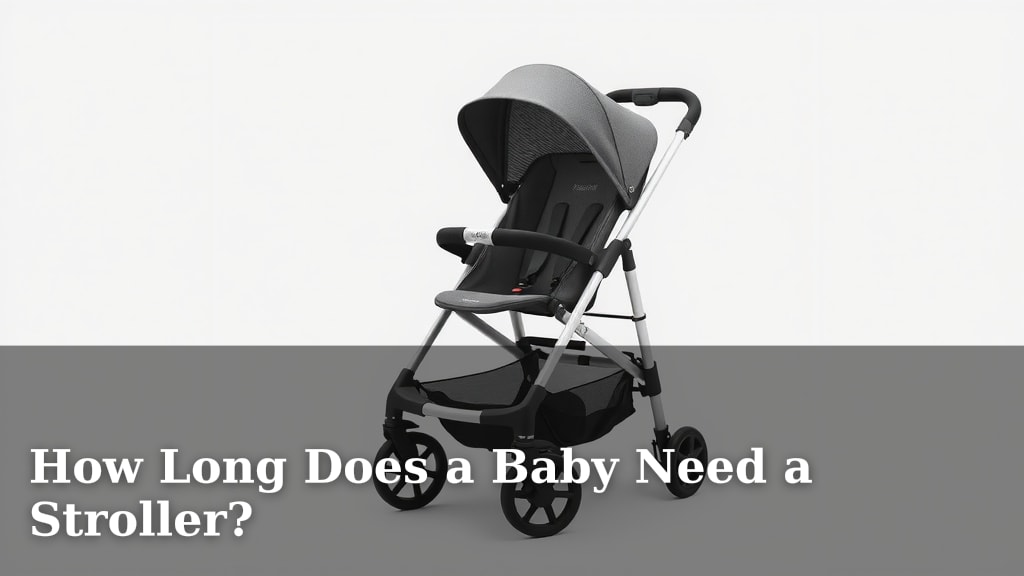
How Long Does a Baby Need a Stroller?
Most babies don’t need a stroller past 2 to 3 years old, though some might use one a bit longer. This age is often when toddlers gain more independence and prefer to walk or run. You’ll know it’s time to ditch the stroller when your child consistently wants to walk and gets frustrated being strapped in.
While the average age is around two, every child is different. Some toddlers are happy to ride until they’re almost four, especially for longer trips or when they’re tired. It’s important to consider your child’s development and your family’s lifestyle when deciding. Think about stroller weight limits and your own comfort, too.
- Babies typically outgrow strollers around 2-3 years old.
- This age is when toddlers gain independence and want to walk more.
- Some kids use strollers longer, especially for long outings or tired moments.
- Your child’s development and your family’s needs are key factors.
- Always check stroller weight limits and your own comfort.
Let’s walk through what factors influence this timeline and how you can tell when your little one is ready to graduate from the stroller.
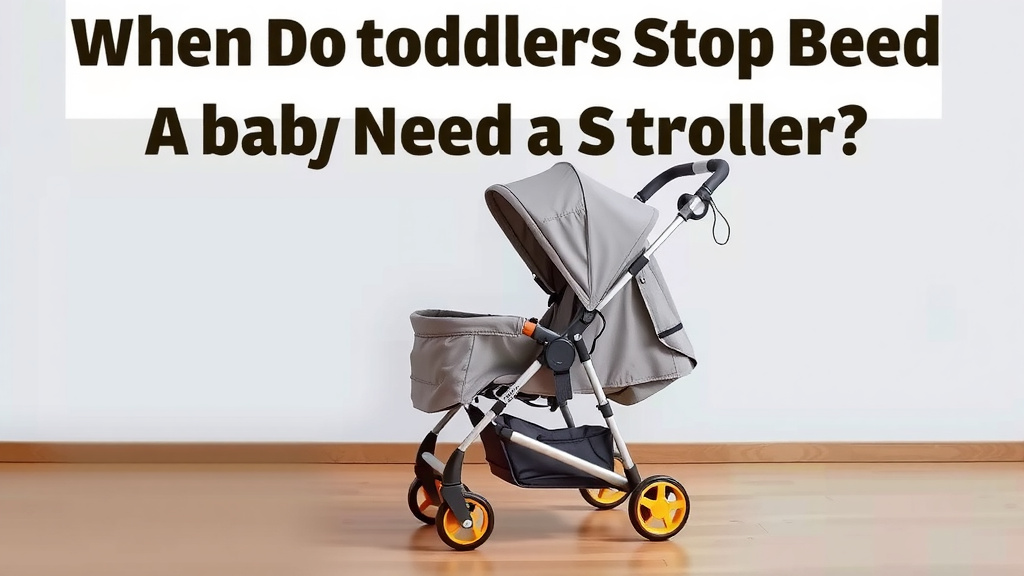
When Do Toddlers Stop Needing a Stroller?
Most toddlers naturally start moving away from strollers between 2 and 3 years old. This is a milestone often driven by their growing desire for independence and exploration. You’ll notice them wanting to walk more and more. It’s a really exciting stage to witness their budding mobility!
This age range is a general guideline, and your child might be ready a bit sooner or later. Think of it as a flexible window. The key is observing your child’s cues and understanding their individual pace of development. We’ll explore the signs to look for as your little one gets ready to graduate from stroller rides.
Understanding Toddler Development and Mobility
As children enter toddlerhood, their physical and cognitive development takes off. They learn to walk, then run, jump, and climb. This newfound mobility fuels their curiosity about the world around them. They want to touch, see, and interact with everything!
Their world expands beyond the controlled environment of a stroller. They want to be participants, not just passengers. This developmental leap is a primary reason why stroller use naturally declines. It’s a sign of their growing independence and confidence.
Key Developmental Milestones to Watch For
There are a few key things to look for in your toddler’s development that signal they might be ready to ditch the stroller. These are often related to their physical abilities and their desire to explore on their own two feet.
- Walking & Running Confidence: Can they walk and run steadily for reasonable distances without getting tired too quickly?
- Interest in Exploring: Do they actively try to get out of the stroller and explore their surroundings?
- Frustration with Restraint: Do they get upset or wiggly when strapped into the stroller, wanting freedom?
- Independent Play: Do they engage in more independent play and show less interest in passive activities?
The Drive for Independence
Toddlers are hardwired to assert their independence. They are testing boundaries and learning about their own capabilities. The stroller can start to feel restrictive for them as they discover the joy of moving at their own pace.
When your child starts to protest being put in the stroller or tries to climb out, it’s a strong indicator they’re ready for more freedom. This can happen even if they still need occasional help with distance or rest. It’s their way of saying, “Look what I can do!”
When to Reconsider Stroller Use for Longer Outings
Even when your toddler is mostly walking, there are still times when a stroller can be a lifesaver. Think about those longer excursions or days where a lot of walking is involved. Sometimes, even the most independent little legs need a break.
Longer Trips and Travel
Family vacations, trips to the zoo, or days at amusement parks can involve miles of walking. For these extended outings, a stroller can be a sanity-saver for both you and your child. It allows them to rest when they get tired, preventing meltdowns.
Plus, navigating busy places can be overwhelming for little ones. A stroller offers a sense of security and a designated space for them. Many parents find that a lightweight stroller is still useful for travel even after their child has mostly outgrown regular use.
When Your Child is Tired or Overstimulated
We all have days where we’re just plain exhausted, and toddlers are no different! After a long day of play or when they’re feeling unwell, they might lack the energy to keep up. A stroller provides a much-needed resting spot.
Overstimulation can also lead to fatigue and crankiness. If you’re in a noisy or crowded environment, a stroller can offer a calming retreat. It gives them a familiar and safe space to recharge before continuing their adventure.
Factors to Consider Beyond Age
While age is a general guide, several other factors can influence how long you’ll continue to use a stroller. Your family’s lifestyle and your child’s specific needs play a big role. It’s not a one-size-fits-all answer.
Child’s Physical Development and Stamina
Some children naturally have more stamina than others. A child who is a strong walker and enjoys long treks might outgrow the stroller earlier. Conversely, a child who tires easily or has specific physical needs might benefit from a stroller for longer.
Research suggests that toddlers generally develop the coordination for sustained walking and running between 18 months and 2.5 years (CDC). However, the ability to do this for extended periods varies greatly.
Family Lifestyle and Activities
Do you live in a city with lots of walking or a more spread-out suburban area? Are you frequent travelers or outdoor adventurers? Your typical activities will dictate your stroller needs.
For families who are constantly on the go, a stroller might remain useful for longer. It’s a practical tool for managing busy schedules. For those with a more relaxed pace, the transition away from a stroller might happen more quickly.
Stroller Weight Limits and Practicality
Every stroller has a weight limit, and it’s important to be aware of it. As your child grows, they’ll approach and eventually exceed this limit. For example, many umbrella strollers have a limit of around 40-50 pounds.
Beyond the weight limit, consider the stroller’s overall practicality for your needs. Is it easy to fold and lift? Can you manage it while also holding your child’s hand? Sometimes, the stroller itself becomes less convenient than walking.
Signs Your Child is Ready to Walk More
Observing your child is the best way to know when they are ready to transition. Their behavior will tell you loud and clear. Are they eager to explore on their own? Do they resist being contained?
The “I Wanna Walk!” Phase
You’ll likely hear this phrase often! It’s a clear signal of their burgeoning independence. They want to experience the world from ground level, at their own speed. They want to lead the way!
This phase typically starts subtly. They might fuss a little, wanting to be let out. Then, it escalates to outright protests or attempts to escape. This is their way of communicating their readiness.
Can They Keep Up (Mostly)?
Can your child walk or run for short to medium distances without becoming excessively tired or fussy? While they won’t keep pace with you perfectly, they should be able to cover some ground independently.
Consider a test run. Try walking a familiar route and see how they do. If they are mostly happy to walk and only need to be picked up for brief rests or to cross a busy street, you’re probably nearing stroller-free territory.
Transitioning Away from the Stroller
The move away from the stroller can be gradual. You don’t have to go from daily stroller use to never again overnight. A phased approach often works best for both you and your toddler.
Introduce a “Walking Only” Rule for Short Trips
Start by implementing a rule for short, familiar trips. For example, walks around the block or to a nearby park. Let them know beforehand, “We’re going to walk today!”
Having a stroller available in the car can still be helpful for longer outings. You can have the option if needed, but encourage walking first. This builds their confidence and stamina.
Offer Incentives and Make Walking Fun
Turn walking into a game! Who can walk like a robot? Who can make the loudest stomping sounds? Make it an adventure.
You can also use a small backpack for them to carry a special toy or snack. This gives them a sense of responsibility and purpose. Positive reinforcement goes a long way!
Consider Alternatives for Longer Distances
If long walks are still a challenge, think about alternatives. A toddler carrier or a backpack carrier can be a great option. These allow your child to be close to you while still having the option of being carried.
Another popular choice is a **scooter or balance bike**. Once they’re a bit older and have mastered walking, these can be fun ways to cover more ground independently. Many families find these a natural next step after the stroller.
The Checklist: Is Your Toddler Ready to Stroll Less?
- Your child consistently wants to walk or run.
- They can walk for at least 10-15 minutes without significant fatigue.
- They get frustrated or try to escape the stroller.
- They show enthusiasm for exploring independently.
- You’re starting to find the stroller cumbersome for everyday outings.
Conclusion
You’ve learned that most toddlers naturally transition away from strollers around 2 to 3 years old. This shift is driven by their growing independence and desire to explore the world on their own two feet. Remember to observe your child’s individual cues, considering their stamina and excitement for walking.
While regular stroller use may decline, they can still be handy for longer trips or when your child is tired. The key is to be flexible and adapt to your child’s developmental stage and your family’s lifestyle. When your child consistently wants to walk and shows frustration with being strapped in, it’s a clear sign they’re ready for more freedom. Consider making walking fun and gradually introducing stroller-free outings.
Frequently Asked Questions
How can I tell if my toddler is truly ready to stop using a stroller?
Look for consistent signs like your child eagerly wanting to walk and actively exploring their surroundings. If they get frustrated or try to climb out of the stroller frequently, these are strong indicators they’re ready for more independence. You’ll notice them wanting to keep up on shorter walks.
Is it okay to still use a stroller for occasional long outings even if my child prefers walking?
Absolutely! Many families find strollers remain useful for long days at theme parks, travel, or extended shopping trips. A stroller provides a safe space for your child to rest when they get tired, preventing meltdowns and making the outing more enjoyable for everyone.
What are some alternatives to a stroller for toddlers who are mostly walking but still need help with distance?
Consider a toddler carrier or a lightweight backpack carrier if you still need to transport your child occasionally. For slightly older toddlers, scooters or balance bikes can be fun alternatives for covering ground independently while still being close by.
My child wants to walk everywhere, but they get tired very quickly. What should I do?
This is common. You can start by implementing a “walking only” rule for short, familiar trips like walks around the block. Have the stroller available in the car for longer excursions or days when you anticipate they’ll need more rest. Celebrate their walking efforts!
Are there any safety concerns if my child is outgrowing their stroller’s weight limit?
Yes, it’s important to respect the stroller’s weight limit for safety and proper function. Exceeding it can make the stroller unstable and difficult to maneuver, increasing the risk of accidents. Check your stroller’s manual for its specific weight capacity.
![10 Best Baby Stroller Cooler Pad [2026]](https://bestbabystrollerjudge.com/wp-content/uploads/2026/08/10-best-baby-stroller-cooler-pad-2026-featured-768x432.jpg)
![10 Best Baby Stroller With Bassinet [2026]](https://bestbabystrollerjudge.com/wp-content/uploads/2026/08/10-best-baby-stroller-with-bassinet-2026-featured-768x432.jpg)
![10 Best Lightweight Baby Stroller [2026]](https://bestbabystrollerjudge.com/wp-content/uploads/2026/08/10-best-lightweight-baby-stroller-2026-featured-768x432.jpg)