
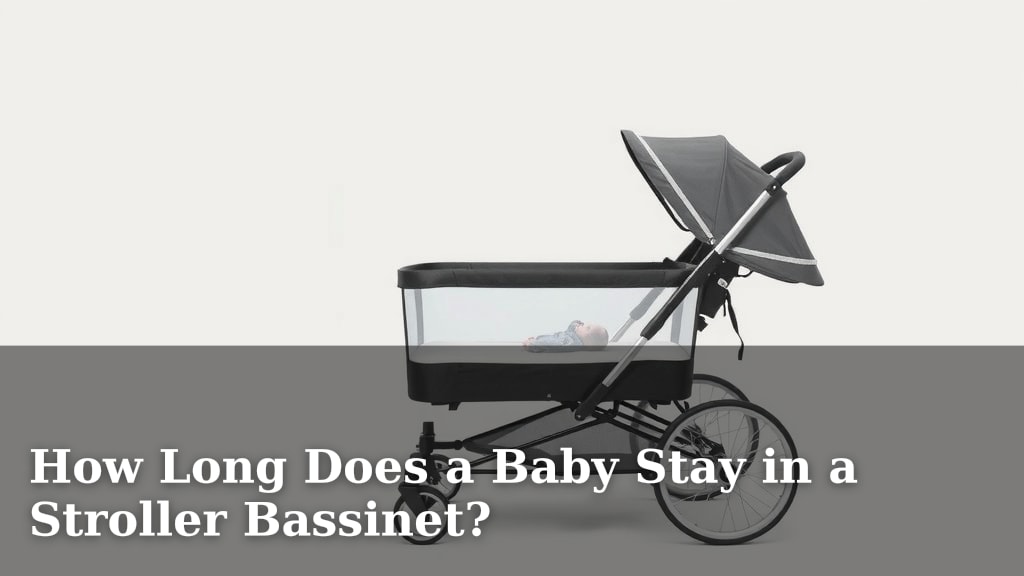
How Long Does a Baby Stay in a Stroller Bassinet?
Your baby will typically stay in a stroller bassinet for about 6 to 9 months, or until they can push up on their hands and knees. This is generally when they start becoming more mobile and may try to climb out. Always check the weight and height limits recommended by the manufacturer for your specific bassinet to ensure your baby’s safety.
Choosing the right time to transition your baby out of a bassinet is an important decision for parents. While the age range is a good guide, factors like your baby’s developmental milestones play a huge role. We found that watching for signs of increased activity is key to making this switch safely and comfortably for your little one.
- Babies usually outgrow bassinets around 6-9 months.
- Watch for signs they can push up or try to climb out.
- Always follow the bassinet’s weight and height limits.
- Transitioning is about readiness, not just age.
Let’s walk through exactly how long your little one might enjoy their cozy bassinet and what to look for when it’s time for a change.
“`htmlWhen to Transition Your Baby Out of a Stroller Bassinet
You’re probably wondering how long your little one will fit snugly in their stroller bassinet. It’s a common question for new parents! Generally, babies use a bassinet for about 6 to 9 months. This timeframe is a good guideline, but it’s not a hard and fast rule. Your baby’s individual development is the biggest factor.
Developmental Milestones: The Real Indicator
The most important sign that it’s time to move on from the bassinet is your baby’s mobility. As they grow stronger, they’ll start to reach new physical milestones. We found that these developmental leaps are the true cues for transitioning.
Pushing Up and Reaching Out
When your baby can push up on their hands and knees, it’s a clear signal. This shows increased strength and a growing desire to explore their surroundings. They might even start rocking back and forth or trying to crawl within the bassinet. This is your cue that they might soon try to climb out.
The “Climb Out” Attempt
If you notice your baby trying to hoist themselves over the sides of the bassinet, it’s definitely time for a change. This is a major safety concern. The bassinet simply won’t be secure enough for a determined little explorer anymore. Many experts at the American Academy of Pediatrics highlight that a baby’s ability to sit up or attempt to climb out means they have outgrown their bassinet for safety reasons.
Sitting Up Independently
Another key milestone is when your baby can sit up unassisted. This demonstrates improved balance and core strength. While they might not be actively trying to escape, sitting upright in a bassinet can be uncomfortable and unsafe as they are not designed for this position for extended periods. Stroller seats are much better suited for babies who can sit up.
Weight and Height Limits: Your Bassinet’s Guidelines
Every stroller bassinet comes with specific weight and height limits set by the manufacturer. These are not just suggestions; they are critical for ensuring your baby’s safety. Always check the manual that came with your stroller for these important details.
Understanding Manufacturer Recommendations
We found that different brands and models have different limits. Some bassinets might have a weight limit of 15 pounds, while others go up to 20 pounds. Similarly, height can be a factor. Exceeding these limits can compromise the structural integrity of the bassinet and the stroller frame.
What Happens If You Exceed the Limits?
Going over the recommended weight or height can put unnecessary strain on the bassinet and stroller. This could lead to instability or even breakage. It’s essential to follow these guidelines to prevent accidents and ensure your baby is always secure.
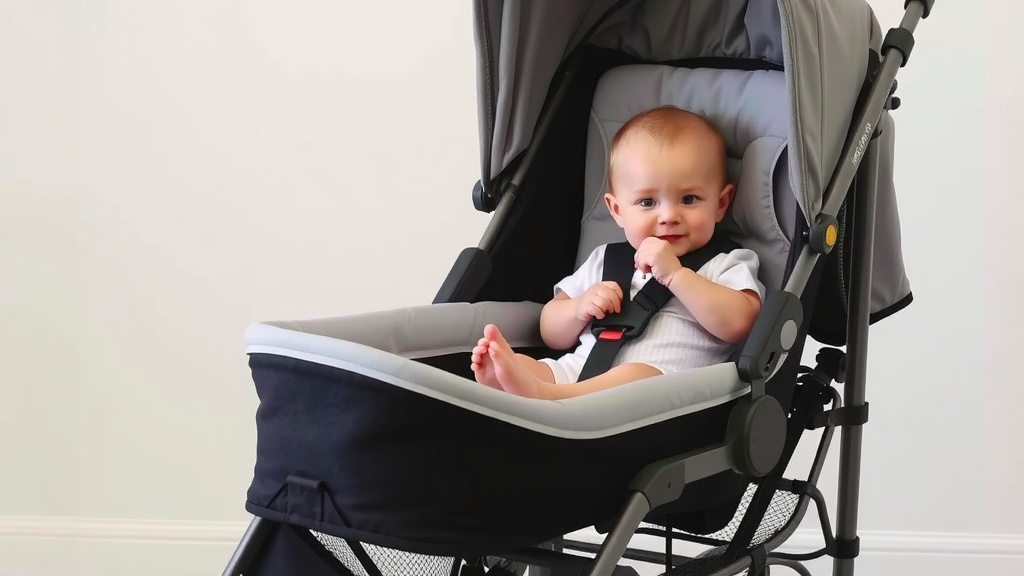
Making the Transition: Bassinet to Stroller Seat
Deciding when to move your baby from the bassinet to the regular stroller seat is a big step. It’s exciting to see them growing and developing, but it also means adjusting their gear. The good news is that most strollers offer both options for flexibility.
When the Bassinet No Longer Fits
If your baby is hitting those developmental milestones we talked about—pushing up, trying to climb, or sitting up—it’s time to switch. The stroller seat is designed to support these new abilities much better than a bassinet.
The Comfort Factor
Beyond safety, consider your baby’s comfort. As they become more aware of their surroundings, they’ll want to see more. A stroller seat, often allowing for multiple recline positions and better visibility, can be much more engaging for them than the enclosed bassinet.
| Indicator | When to Transition |
|---|---|
| Pushing up on hands/knees | Yes |
| Trying to climb out | Yes, immediately |
| Sitting up unassisted | Yes |
| Reaching bassinet weight limit | Yes |
| Baby seems bored/uncomfortable | Consider transitioning soon |
A Smooth Transition Checklist
Here’s a quick checklist to help you decide when your baby is ready to leave the bassinet behind:
- Baby can push up on their hands and knees.
- Baby attempts to climb out of the bassinet.
- Baby can sit up independently.
- Baby is nearing the bassinet’s weight limit.
- Baby seems restless or less content in the bassinet.
- Baby shows a keen interest in seeing more of the world around them.
Remember, every baby is different. You know your little one best! Trust your instincts and always prioritize their safety and comfort as you navigate these exciting stages of development.
“`Conclusion
You’ve learned that your baby’s stroller bassinet is a cozy spot for about 6 to 9 months. The real switch is triggered by your baby’s growth and mobility milestones, like pushing up or attempting to climb out. Always keep an eye on the manufacturer’s weight and height limits for safety. When your little one starts showing these signs of independence, it’s time to transition them to the stroller seat. Trust your instincts as you move to the next exciting stage!
Frequently Asked Questions
What if my baby seems a bit bored in the bassinet?
If your baby appears restless or less content in the bassinet, it could be a sign they’re ready for a change. This often happens around the 6-month mark when they become more aware of their surroundings. Consider transitioning to the stroller seat to offer them a better view and more engagement.
Can I use the bassinet past the recommended age if my baby seems fine?
While your baby might seem fine, it’s crucial to follow the guidelines for their safety. If your baby can push up on their hands and knees or attempts to climb, they have outgrown the bassinet’s secure environment. Continuing to use it poses a risk of them falling out.
Are there any safety risks if my baby is close to the bassinet’s weight limit?
Yes, exceeding the weight limit puts unnecessary strain on the bassinet and stroller frame, compromising stability and safety. Even if they haven’t reached the exact limit, if they are heavy and very mobile, it might be time to switch for added security.
How do I know if the stroller seat is safe for my baby if they can’t sit up perfectly yet?
Most stroller seats offer recline positions that are suitable for younger babies who cannot sit independently. Ensure the seat is reclined enough to support your baby’s head and back comfortably and securely, following the stroller manufacturer’s guidelines for its use.
What should I do if my baby tries to climb out of the bassinet?
If your baby attempts to climb out, you must stop using the bassinet immediately. This is a clear and present safety hazard. Transition your baby to the stroller seat right away to prevent any potential accidents or falls.

![10 Best Stroller For Baby [2026]](https://bestbabystrollerjudge.com/wp-content/uploads/2026/08/10-best-stroller-for-baby-2026-featured-768x432.jpg)


![10 Baby Stroller Best [2026]](https://bestbabystrollerjudge.com/wp-content/uploads/2026/08/10-baby-stroller-best-2026-featured-768x432.jpg)