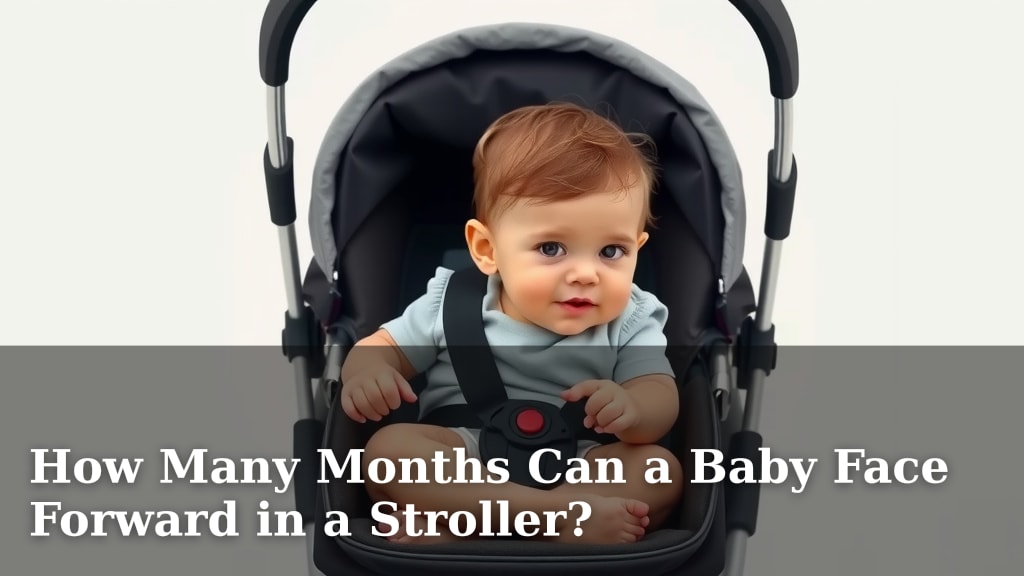
How Many Months Can a Baby Face Forward in a Stroller?
You can usually face your baby forward in a stroller when they have good head and neck control, which is typically around 6 months old. This milestone means they can support their own head effectively. Waiting until this point is key for their safety and development.
Once your little one can hold their head up, they might start showing more interest in the world around them. Facing forward allows them to see more of their surroundings, which can be exciting! However, it’s important to remember that some experts recommend facing them outward a little later, closer to 9-12 months.
- Babies can usually face forward around 6 months.
- This is when they gain good head and neck control.
- Facing forward lets them see the world more.
- Some recommend waiting until 9-12 months for this feature.
- Always check your stroller’s specific guidelines.
Let’s break down what the research says and what to watch for as you decide when your baby is ready for forward-facing stroller adventures.
“`htmlWhen Can Your Baby Face Forward in Their Stroller?
You’re probably eager for your little one to experience the world from their stroller seat. It’s a big step!
The general consensus among pediatricians and child development experts is that babies can typically face forward in a stroller once they have developed good **head and neck control**. This milestone usually happens around **6 months of age**.
This means your baby can hold their head up steadily without support. They can look around on their own. This is a key sign they are ready for a new perspective.
Understanding Head and Neck Control
Think of it like this: their head is no longer a heavy bowling ball that needs constant cradling. Your baby’s neck muscles have grown stronger. They can now manage that weight independently.
When babies are younger, their heads are proportionally larger and their neck muscles are still developing. Facing forward too soon puts too much strain on their delicate spine. It can also make it harder for them to regulate their temperature.
You’ll notice your baby can do this when they:
- Hold their head up strongly during tummy time.
- Can push themselves up with their arms during tummy time.
- Look around actively when you’re holding them upright.
If your baby can sit unassisted for short periods without slumping, that’s another excellent indicator. It shows their core strength is also developing.
Benefits of Facing Forward
Once your little explorer has mastered head control, facing forward offers a whole new world of discovery. Their curiosity is often piqued at this age.
Imagine seeing the world through your baby’s eyes! They can see more than just your face. They can watch people walk by, observe dogs, and notice birds flying overhead. This **visual stimulation** is fantastic for their developing brain.
It can lead to more engagement during stroller rides. Instead of fussing, they might be happily observing. This can make your outings much more enjoyable for both of you.
Expert Recommendations and Considerations
While 6 months is a common starting point, some experts suggest waiting a bit longer. Many recommend delaying forward-facing until your baby is closer to **9 to 12 months old**.
Why the difference?
One reason is that even with good head control, younger babies can still be easily overstimulated. The world is a very busy place! Facing you offers a sense of security and comfort.
There’s also a debate about the importance of **parent-facing time**. Some research suggests that keeping your baby facing you for longer can positively impact their language development and emotional regulation.
When they face you, they see your facial expressions. They hear your voice and the sounds of their environment. This constant interaction can be very beneficial.
A study published in the journal *Child Development* found that babies who spent more time facing their caregiver showed better emotional regulation skills. This isn’t to say you can never face them forward, but it’s worth considering.

When to Hold Off on Forward-Facing
Even if your baby hits the 6-month mark, think about their personality. Are they easily overwhelmed by new sights and sounds? Do they get fussy in busy environments?
If your baby seems anxious or overstimulated when facing outwards, it might be best to switch them back to parent-facing mode. You want stroller rides to be a positive experience.
Also, consider the stroller itself. Some strollers have limitations. Always check your **stroller’s manual** for specific guidelines. Some models might not be designed for forward-facing until a later age or a higher weight limit.
Stroller Features to Look For
Many modern strollers offer versatile seating options. You can often switch the seat between parent-facing and world-facing.
Look for strollers that have:
- Adjustable recline positions.
- A 5-point harness for security.
- Good canopy coverage for sun protection.
- Comfortable padding.
Some strollers even have bassinet attachments for newborns, which are always parent-facing. This allows you to use the stroller from day one.
The Developmental Window: 6 to 12 Months
The period between 6 and 12 months is a fascinating developmental stage. Your baby is learning so much!
At 6 months, they gain head control. By 9 months, they might be cruising or even taking a few steps. Their world is expanding rapidly.
Think about this developmental window. It’s not a strict rule, but a guideline. You have flexibility to choose what feels right for your baby.
Making the Decision: A Checklist
Here’s a quick checklist to help you decide if your baby is ready for forward-facing stroller adventures:
- Head & Neck Control: Can your baby hold their head up steadily?
- Sitting Ability: Can they sit up unassisted for a few minutes?
- Curiosity Level: Do they seem interested in looking around at their surroundings?
- Temperament: Are they generally calm or easily overwhelmed in busy places?
- Stroller Guidelines: Does your stroller manufacturer recommend this stage?
By considering these points, you can feel confident about the right time to let your baby explore the world from their stroller seat.
Navigating Your Stroller Seat Options
Most strollers offer two modes: parent-facing and world-facing.
Parent-facing is typically used from birth up to around 6 months, or until your baby has good head control. This mode keeps your baby looking at you. It provides comfort and allows you to easily monitor them.
World-facing, or forward-facing, is for when your baby is ready to engage with their surroundings. It’s a wonderful milestone that opens up new experiences for them.
Here’s a simple comparison:
| Feature | Parent-Facing Mode | World-Facing Mode |
|---|---|---|
| Best For | Newborns to ~6 months (or until head control) | ~6 months+ (with good head control) |
| Baby Sees | You (caregiver) | The world around them |
| Benefits | Security, easy monitoring, helps with language development | Visual stimulation, exploration, engagement with environment |
| Potential Downsides | Less external stimulation for baby | Can be overstimulating for some babies, harder to monitor |
Your baby’s development is unique. What works for one baby might not be perfect for another. Trust your instincts and observe your little one.
“` “`htmlConclusion
Deciding when to switch your baby to a forward-facing stroller is a thoughtful process. You’ve learned that while 6 months with good head and neck control is a common guideline, some experts suggest waiting until 9-12 months. This extra time can support your baby’s emotional regulation and language development. Pay close attention to your baby’s cues – do they seem overstimulated or secure? Always consult your stroller’s manual for specific safety recommendations. Your baby’s comfort and development are your best guides as you navigate this exciting step.
Frequently Asked Questions
Is it safe for my baby to face forward at 6 months old?
It can be safe if your baby has achieved good head and neck control. This means they can hold their head up steadily without support. However, some parents and experts prefer to wait longer, around 9-12 months, for added developmental benefits.
My baby seems easily overstimulated. Should I still face them forward?
If your baby easily gets overwhelmed by new sights and sounds, it’s best to continue with parent-facing mode for a bit longer. Facing you provides them with a sense of security and comfort. You can always try forward-facing again later to see how they react.
How can I tell if my baby has good head and neck control?
Your baby likely has good head and neck control if they can hold their head up strongly during tummy time, push up with their arms, and look around actively when you hold them upright. They should also be able to sit with minimal support.
Does the stroller type matter for forward-facing?
Yes, it does. Always check your stroller’s manual for specific weight and age recommendations for forward-facing use. Some stroller models have different requirements or design features that might influence when you can safely switch the seat.
What are the benefits of keeping my baby parent-facing for longer?
Keeping your baby parent-facing can enhance their language development by allowing them to see your facial expressions and hear your voice clearly. It also offers them a sense of security and helps with their emotional regulation in stimulating environments.
“`
![10 Baby Bargains Best Lightweight Stroller [2026]](https://bestbabystrollerjudge.com/wp-content/uploads/2026/09/10-baby-bargains-best-lightweight-stroller-2026-featured-768x432.jpg)
![10 Best Stroller To Grow With Baby [2026]](https://bestbabystrollerjudge.com/wp-content/uploads/2026/08/10-best-stroller-to-grow-with-baby-2026-featured-768x432.jpg)
![10 Best Baby And Toddler Stroller [2026]](https://bestbabystrollerjudge.com/wp-content/uploads/2026/09/10-best-baby-and-toddler-stroller-2026-featured-768x432.jpg)