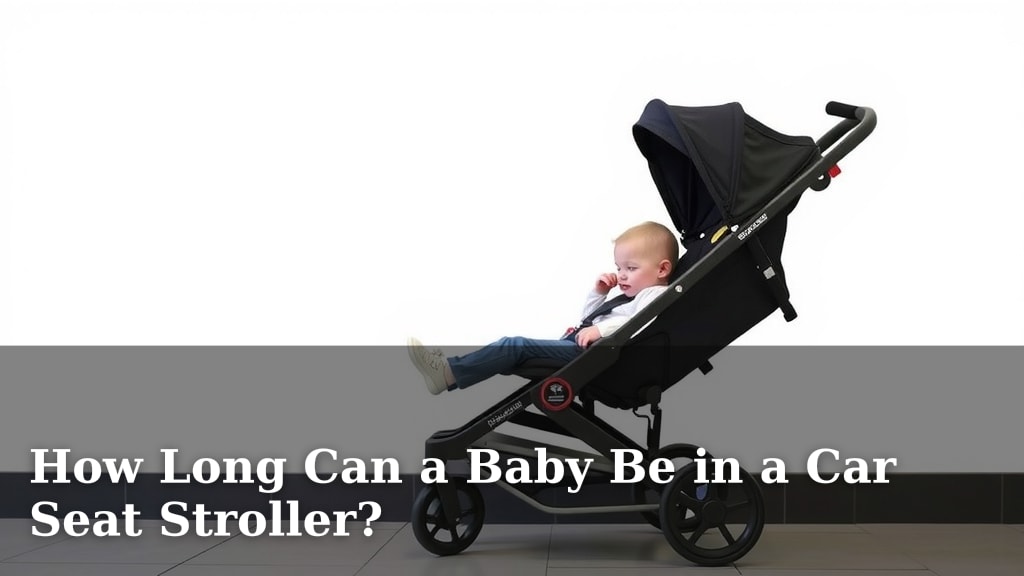
How Long Can a Baby Be in a Car Seat Stroller?
So, how long can your baby actually be in a car seat when it’s attached to a stroller? Generally, it’s recommended that babies spend no more than two hours in a car seat within a 24-hour period. This is because prolonged time in a car seat can impact their developing spine and breathing. We want to ensure your little one is both safe and comfortable!
Using a car seat attached to a stroller is super convenient for busy parents. It lets you move a sleeping baby from the car to a walk without waking them. But it’s important to balance this convenience with your baby’s well-being. We found that understanding these time limits helps you plan your outings better.
- Babies should spend a maximum of 2 hours in a car seat daily.
- Extended time can affect a baby’s spine development.
- It can also potentially restrict their breathing.
- Always check your baby’s position and comfort regularly.
Below, we break down why this two-hour limit is so important and what you can do to keep your baby safe and happy on the go.
You’ve got a fantastic travel system – a car seat that clicks right into a stroller! It’s like having a magic wand for moving a sleeping baby. But you’re probably wondering, “How long can my little one actually stay in that car seat when it’s attached to the stroller?” We’ve looked into this, and the general consensus is that babies should spend no more than two hours in a car seat within a 24-hour period.
Understanding Your Baby’s Car Seat Time Limits
This two-hour guideline isn’t just a random number. It’s based on important factors related to your baby’s health and development. We found that thinking of your car seat as a vehicle for travel, not a place for long naps, is key.
Why the Two-Hour Limit?
So, what’s the big deal about spending too much time in a car seat, even when it’s on a stroller? It mainly comes down to two critical areas: your baby’s spine and their breathing.
Spine Development Concerns
Babies have very soft, developing spines. When they sit in a car seat, they are in a reclined, somewhat slumped position. This position can put pressure on their spine. Experts suggest that prolonged periods in this position aren’t ideal for healthy spinal growth. We found that many pediatricians recommend limiting this time to give their spines a chance to develop naturally in different positions. Think of it like this: you wouldn’t want to spend all day in one slightly awkward chair, and neither does your baby’s developing body.
Breathing and Oxygen Levels
This is a really important one. When babies are in a car seat, especially those who are premature or have low muscle tone, their chin can sometimes fall forward onto their chest. This position can compress their trachea and reduce oxygen flow. Research has shown that babies in car seats can experience lower oxygen saturation levels. While this is a bigger concern in car travel due to potential jolts, it’s still something to be mindful of when the seat is on a stroller. We found that even slight inclines can affect their airway. Keeping their chest open and airways clear is a top priority.
When is a Car Seat Okay for Longer Periods?
The two-hour rule is a general guideline. There are times when a car seat is necessary and safe for longer stretches, especially during travel. The key is to ensure the baby is properly positioned and supervised. We found that the car seat’s primary function is safety in a moving vehicle. When attached to a stroller, it’s a convenience, but that convenience should always be balanced with your baby’s needs.
Making the Most of Your Car Seat Stroller Combo Safely
Your car seat and stroller combo is a lifesaver for parents on the go. You want to use it effectively without compromising your baby’s well-being. Here’s how to navigate it.
Practical Tips for Outings
When you’re out and about, planning is your best friend. Think about your trip duration. If you’re planning a long outing, consider how you’ll incorporate breaks. Many parents find that a two-hour limit works well for a single outing, followed by a break where the baby is taken out of the car seat.
Scheduled Breaks are Essential
We found that building in “out-of-seat” time is really beneficial. Every two hours, take your baby out of the car seat. Let them stretch and move in a different position, perhaps lying flat on a playmat or being held by you. This allows their spine to decompress and their breathing to be unrestricted. Even a short 15-20 minute break makes a difference. It’s like a mini-recess for your little one!
Observe Your Baby’s Cues
Your baby will often tell you when they’ve had enough. Are they fussy? Do they seem uncomfortable? These are signs to take them out and give them a break. Don’t rely solely on the clock; pay attention to your baby’s signals. We found that attentive parenting often means adjusting plans on the fly based on your baby’s mood and needs.
Choosing the Right Gear
Not all car seats are created equal, and neither are strollers. When you’re looking at travel systems, consider how well the car seat reclines and supports your baby’s head and neck. Some newer car seats are designed with better ergonomics. We found that checking reviews and recommendations from reputable child safety organizations can be very helpful.
| Item | Ideal For | Potential Concerns | Recommended Duration |
|---|---|---|---|
| Car Seat (on stroller) | Short trips, travel convenience | Spine pressure, breathing restriction | Max 2 hours/24 hours |
| Bassinet Stroller Seat | Longer naps, newborns | Less secure for older babies, can be bulky | Multiple hours (when baby is comfortable) |
| Regular Stroller Seat (upright) | Older babies, awake time | Needs good head/neck support for very young infants | Multiple hours (when baby is comfortable) |
| Baby Carrier/Sling | Close contact, hands-free mobility | Can be tiring for parent, needs proper fit | Varies, check baby’s comfort |
When to Transition to a Stroller Seat
As your baby grows, they can spend more time in a regular stroller seat. Most strollers have seats that can recline fully or partially, offering a more upright and ergonomic position than a car seat. Many experts suggest transitioning out of the car seat and into a stroller seat once your baby can hold their head up well and has better trunk control. This usually happens around 4-6 months. We found that a stroller seat offers more freedom for movement and better posture for older infants.
The Importance of Proper Installation and Fit
Even for short periods, ensuring your car seat is installed correctly and fits your baby properly is non-negotiable. The straps should be snug, not too loose. The chest clip should be at armpit level. We found that a well-fitting harness prevents slouching and keeps your baby secure. Always double-check your car seat manual and your stroller manual for specific guidelines on using them together.
A Quick Checklist for Car Seat Stroller Use:
- Check the two-hour limit for car seat use daily.
- Take breaks every two hours to remove baby from the seat.
- Observe your baby for signs of discomfort or fussiness.
- Ensure the car seat is properly installed and the harness is snug.
- Consider a bassinet stroller seat for longer naps.
- Transition to a regular stroller seat when your baby is ready.
Conclusion
You’ve learned that keeping your baby’s time in a car seat stroller limited to about two hours a day is vital for their spine and breathing. While the convenience of a car seat stroller combo is undeniable, your baby’s developing body needs variety in positions. Remember to build in regular breaks to let them stretch and move freely. By observing your baby’s cues and planning your outings thoughtfully, you can safely enjoy the benefits of your travel system. Make sure to transition to a stroller seat as your baby grows for continued comfort and healthy development.
Frequently Asked Questions
What if my baby falls asleep for longer than two hours in the car seat stroller?
If your baby sleeps longer, gently wake them after the two-hour mark. Take them out for at least 15-20 minutes to stretch and change positions. This helps prevent issues with their spine and breathing. Always prioritize their well-being over convenience when they are in the car seat.
Can I use a bassinet attachment for longer periods instead of the car seat?
Yes, a bassinet stroller seat is a great alternative for longer outings or naps. These lie-flat options are generally better for newborns as they allow for a more natural spine alignment and unrestricted breathing. They offer more freedom for your baby to move compared to a car seat.
Are there specific car seat models that are better for longer durations?
While no car seat is designed for extended sitting, some offer better ergonomic support and recline angles. Look for seats with good head and neck support. However, the two-hour rule still applies regardless of the car seat model. The key is varied positioning for your baby throughout the day.
When can my baby stop using the car seat on the stroller altogether?
Most babies can transition to a regular stroller seat when they can hold their head up well and have good trunk control, typically around 4-6 months. A stroller seat allows for a more upright and comfortable position. Always check your car seat and stroller manuals for age and weight recommendations.
What are the signs my baby needs to come out of the car seat stroller?
Watch for fussiness, squirming, or crying, as these indicate discomfort. Also, check if their chin is falling onto their chest, which can restrict breathing. If you notice any of these signs, take your baby out immediately for a break, even if it hasn’t been two hours yet.

![10 Best Stroller Wagon For Baby And Toddler [2026]](https://bestbabystrollerjudge.com/wp-content/uploads/2026/08/10-best-stroller-wagon-for-baby-and-toddler-2026-featured-768x432.jpg)