
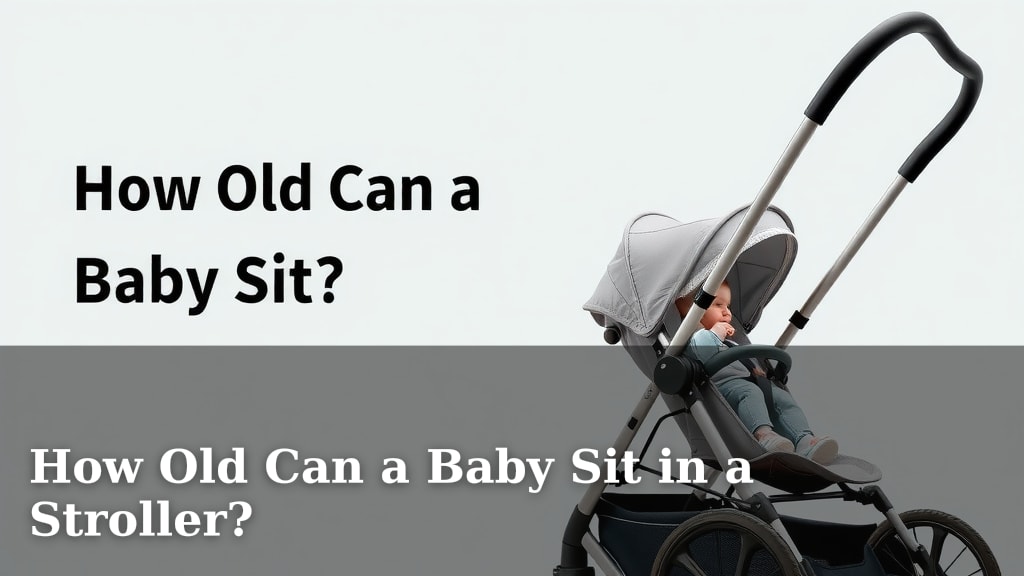
How Old Can a Baby Sit in a Stroller?
Your baby can sit in a stroller from birth, but it depends heavily on the type of stroller you’re using and whether it reclines fully flat. Many infant-specific strollers or those with compatible bassinet attachments are designed for newborns, providing a safe and supportive environment from day one. For standard strollers, you’ll typically need to wait until your baby develops enough neck and head control, usually around 4 to 6 months.
The key is ensuring your baby is in a position that supports their developing spine and airway. Strollers that offer a near-flat recline or a bassinet attachment are best for newborns. These options mimic the position they’d be in while lying down, offering the best comfort and safety. We’ve researched how different stroller types accommodate infants and found crucial safety considerations.
- Newborns can use a stroller from birth with a full recline or bassinet.
- Most standard strollers require babies to have good head and neck control (4-6 months).
- Always check the stroller’s weight and age limits.
- Ensure the seat offers proper support and safety features.
Let’s walk through exactly when and how your little one can enjoy stroller rides.
Understanding Stroller Age Recommendations for Your Baby
When can your baby actually start sitting up in a stroller? It’s a question many new parents ponder. The exciting news is that your little one can technically use a stroller from birth. But, this depends entirely on the type of stroller and its features. For newborns, safety and proper support are the top priorities. We’ve looked into what experts and manufacturers recommend, and it boils down to how the stroller positions your baby.
Newborns and Strollers: The Full Recline Advantage
For your tiniest passengers, the key is a stroller that lies completely flat. Think of it like a bassinet or a portable crib. This flat position is essential for newborns. It helps keep their airway open and supports their underdeveloped spine and neck muscles. Many strollers are designed with this in mind. They either come with a bassinet attachment or have a seat that reclines almost 180 degrees. This is why some strollers are labeled as suitable from day one.
Why Flat is Best for Infants
Imagine trying to hold your head up for an extended period when you’re very young. It’s tiring and difficult! Newborns have very little head and neck control. A semi-reclined or upright position can put pressure on their developing spine and potentially restrict their breathing. A flat surface mimics the safe sleeping position recommended by pediatricians. It allows them to lie down naturally, breathe easily, and rest comfortably.
Stroller Types That Welcome Newborns
You’ll often see specific types of strollers marketed for newborns. These include:
- Travel Systems: These combine an infant car seat with a compatible stroller. The car seat clicks securely into the stroller frame, providing a safe, contained space for your baby from birth.
- Bassinet Strollers: Some high-end strollers come with a separate bassinet attachment that sits on the stroller frame. This offers a cozy, flat bed for your infant.
- Full-Recline Stroller Seats: Many standard strollers have a seat that can be adjusted to a fully flat position. You’ll need to make sure it’s truly flat, not just a deep recline.
We found that choosing one of these options ensures your baby has the best start for stroller rides.
Transitioning to Standard Stroller Seats: Head and Neck Control
Once your baby starts to gain more strength and control, you might consider a more traditional stroller seat. But what’s the magic marker for this transition? It’s generally when your baby can hold their head and neck up steadily on their own. This usually happens between 4 to 6 months of age. You’ll notice them able to push themselves up during tummy time and look around with good stability.
Assessing Your Baby’s Readiness
How can you tell if your baby is ready for a more upright position? Watch them during playtime. Can they support their head and chest when lying on their tummy? Do they keep their head from wobbling when you hold them upright? If you can answer yes to these, they are likely developing the necessary strength. It’s always best to consult with your pediatrician if you’re unsure about your baby’s developmental milestones.
The Importance of Proper Support in Stroller Seats
Even when your baby can sit up, the stroller seat needs to offer adequate support. Look for seats that have good padding and a design that supports their back. A five-point harness is also a must. This system secures your baby at the shoulders, hips, and between the legs, preventing them from slumping or sliding down. We discovered that a seat that offers a recline option, even if not fully flat, is still beneficial. It allows you to adjust the angle for naps or when your baby gets tired.
Key Stroller Features for Different Ages
Different strollers cater to different stages of your baby’s development. Understanding these features helps you choose wisely. It ensures your child is always safe and comfortable on your outings.
Infant-Specific Stroller Features
For newborns, the emphasis is on creating a safe, womb-like environment. This means:
- Near-flat recline: As we’ve discussed, this is non-negotiable for infants.
- Infant head support: Some strollers offer extra padding or inserts to cradle a newborn’s head.
- Breathable fabrics: Good airflow is important to prevent overheating.
- Bassinet compatibility: This provides the safest and most comfortable option for the first few months.
Many parents find travel systems incredibly convenient during this phase, allowing a smooth transition from car to stroller.
Toddler-Ready Stroller Features
As your child grows, their needs change. Toddler-ready strollers often include:
- Adjustable seat positions: From upright for exploring to reclined for naps.
- Adjustable footrest: To accommodate longer legs.
- Larger canopies: For better sun protection.
- Removable bumper bar: For easier entry and exit.
We’ve seen that many strollers can adapt as your child grows, offering features for both infants and toddlers, which can be a great long-term investment.
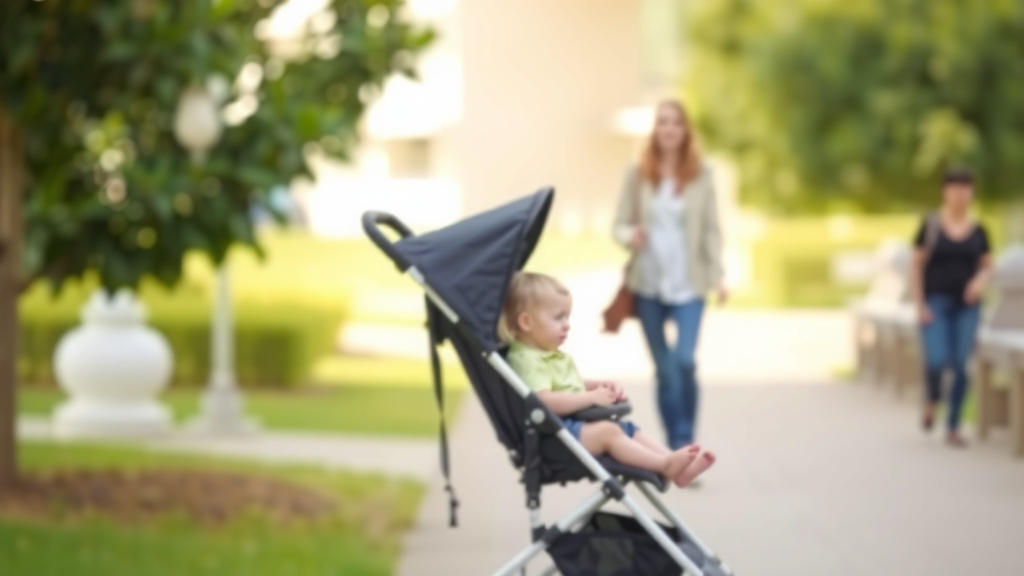
Safety Checklist for Stroller Use
No matter the age of your baby, safety is always the top concern. Here’s a quick checklist to ensure you’re using your stroller correctly:
- Always check the weight and height limits for your specific stroller model.
- Ensure the harness is properly fastened and snug on your child every time.
- Never hang heavy bags from the stroller handles, as this can cause it to tip over.
- Lock the brakes whenever you stop the stroller, even for a moment.
- Regularly inspect the stroller for any loose parts or damage.
- Read the manufacturer’s instructions carefully for assembly and use.
Following these simple guidelines will help ensure your baby has safe and enjoyable rides.
| Age Range | Recommended Stroller Type/Features | Key Considerations |
|---|---|---|
| Birth – 4 months | Full recline stroller seat, Bassinet attachment, Infant car seat with stroller frame (Travel System) | Supports spine and airway, completely flat or near-flat position required. |
| 4 – 6 months+ | Stroller with adjustable recline, Toddler seat with good head/neck support | Baby has developed head and neck control, can sit upright with support. |
| 6 months – 3 years | Standard stroller seat, Convertible stroller, Lightweight stroller | Focus on comfort, safety harness, adjustability for growing child. Always check weight limits. |
Conclusion
You’ve learned that your baby can enjoy stroller rides from birth with the right setup. The key is always proper support and safety. Newborns need a fully flat recline or a bassinet for healthy development. As your baby gains head and neck control, typically around 4 to 6 months, they can transition to standard stroller seats. Always check your stroller’s specific guidelines and your pediatrician’s advice.
Your next step is to assess your current stroller or choose a new one that meets your baby’s developmental needs at each stage. This ensures every outing is comfortable and secure for your little one.
Frequently Asked Questions
Can my newborn sleep in a stroller?
Yes, but only in a stroller that reclines fully flat or has a bassinet attachment. This position is crucial for a newborn’s airway and spine development, mimicking safe sleep recommendations.
What if my stroller doesn’t recline flat?
If your stroller doesn’t offer a full recline, you’ll likely need to wait until your baby develops sufficient head and neck control, usually around 4 to 6 months, before they can safely sit in it.
How do I know if my baby has enough head and neck control?
Your baby is likely ready when they can hold their head steady without wobbling when you hold them upright, and can support their head and chest during tummy time.
Are travel systems safe for newborns?
Yes, travel systems are generally safe for newborns. The infant car seat clicks directly onto the stroller frame, providing a secure, contained, and supported position for your baby from day one.
Can I hang my diaper bag on the stroller handles?
It’s best not to hang heavy bags from stroller handles, as this can make the stroller unstable and potentially tip over, posing a safety risk to your baby.
![10 What Is The Best Baby Stroller [2026]](https://bestbabystrollerjudge.com/wp-content/uploads/2026/08/10-what-is-the-best-baby-stroller-2026-featured-768x432.jpg)
![10 Best Baby Stroller Brands [2026]](https://bestbabystrollerjudge.com/wp-content/uploads/2026/08/10-best-baby-stroller-brands-2026-featured-768x432.jpg)

![10 Baby Gizmo Best Stroller [2026]](https://bestbabystrollerjudge.com/wp-content/uploads/2026/09/10-baby-gizmo-best-stroller-2026-featured-768x432.jpg)