
How Long Does Baby Use a Car Seat in a Stroller?
Generally, babies use car seats that click into stroller frames for about 6 to 12 months. This convenient setup helps you move a sleeping baby without waking them. The exact duration depends on your baby’s weight and size, and the specific car seat and stroller model you own.
Many parents wonder about this transition. It’s a key part of early baby gear. The main idea is to provide safe transport both in the car and on walks. You’ll want to know when it’s time to switch to a stroller seat for your growing little one.
- Babies typically use infant car seats with strollers for 6-12 months.
- This timeframe depends on your baby’s growth (weight/height).
- Always check the car seat’s maximum weight limit.
- Consider your baby’s development and comfort.
- Car seats offer safety and portability when they are little.
We know you want the best for your baby. Below, we break down exactly how long your little one can enjoy this handy car seat and stroller combination.
Understanding When Your Baby Outgrows Their Car Seat Stroller Combo
You’re likely wondering how long your little one will fit in that handy infant car seat attached to your stroller. It’s a common question for new parents!
This convenient setup allows you to easily transfer a sleeping baby from the car to the stroller without disruption. But babies grow quickly! You’ll want to know the signs and the general timeframe for making the switch.
The Typical Lifespan of an Infant Car Seat in a Stroller
Most babies use an infant car seat with a stroller for around 6 to 12 months. This timeframe is not set in stone. It largely depends on your baby’s individual growth and the specific limits of your car seat and stroller model.
Weight and Height Limits: The Primary Factors
The most important factor determining when your baby outgrows their infant car seat is its weight and height limits. Every car seat is designed with a maximum capacity to ensure your baby’s safety.
You’ll find these limits clearly marked on the car seat itself and in the user manual. Typically, infant car seats have a weight limit of 22 to 35 pounds. Some might have a height limit as well.
Once your baby reaches either the maximum weight or height for the car seat, it’s time to consider a different seating solution. Pushing these limits can compromise the safety features of the car seat.
When Your Baby Hits the Maximum Weight Limit
Let’s say your car seat’s maximum weight limit is 30 pounds. Once your baby reaches that 30-pound mark, they have officially outgrown the car seat for travel and stroller use. It’s a clear indicator that safety is being compromised.
Don’t be tempted to keep using it just because they still seem to fit comfortably. Safety experts, like those at the American Academy of Pediatrics, stress the importance of observing these weight restrictions to ensure proper protection.
When Your Baby Reaches the Maximum Height Limit
Some car seats also have a height limit, often measured in inches. This limit is usually based on where your baby’s head is in relation to the top of the car seat. For rear-facing car seats, the baby’s eyes should not be higher than the top of the headrest.
If your baby’s head is protruding significantly above the top of the car seat shell, or their feet are consistently touching the back of the car seat (in a way that looks cramped), they may have outgrown it by height. This is especially true for the infant-only car seats.
Beyond the Limits: Other Indicators for Transitioning
While weight and height limits are the most critical, other signs suggest it’s time to move on from the infant car seat for stroller rides.
Baby’s Development and Comfort
Even if your baby hasn’t technically reached the weight or height limit, you might notice they are becoming quite uncomfortable in the infant car seat. Are they squirming more? Do their legs seem too long for the seat?
When a baby is uncomfortable, they are less likely to settle down for a peaceful stroller ride. Their growing limbs might be getting bunched up in a way that isn’t ideal. This can also be a sign that they need more room to maneuver.
Head Control and Ability to Sit Upright
As babies develop, they gain better head and neck control. Some strollers have seats that can be adjusted to an upright position. If your baby can comfortably sit upright for extended periods, they might be ready for a stroller seat.
Infant car seats are designed for newborns and young babies who need support. Once your baby has stronger core muscles and can hold their head up steadily, they can handle the more upright posture of a toddler stroller seat.
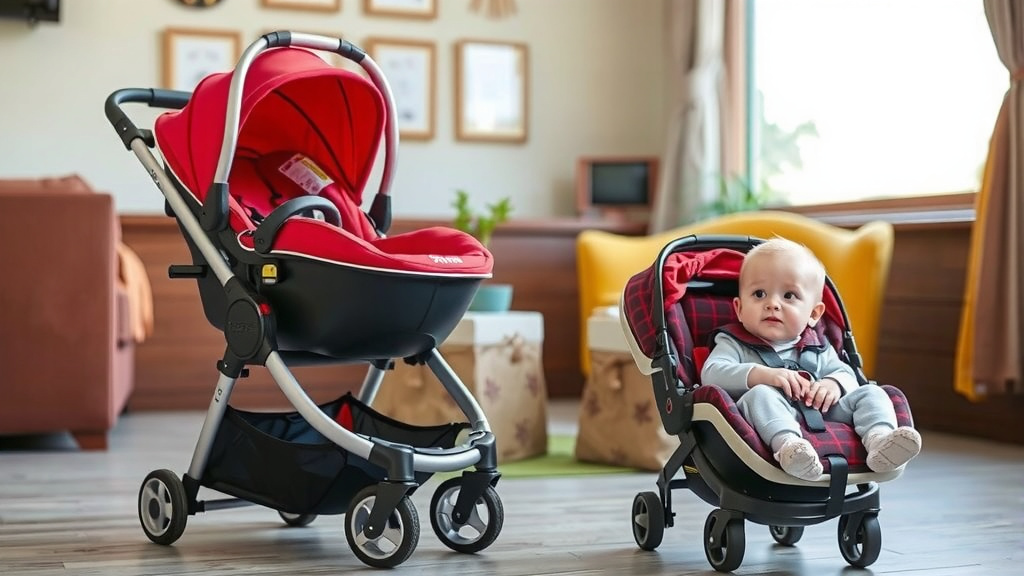
Making the Switch: From Infant Car Seat to Stroller Seat
So, when you notice these signs, what’s the next step? It typically involves moving your baby from the infant car seat carrier to the built-in seat of your stroller.
Understanding the Stroller Seat Options
Most full-sized strollers are designed with multiple stages. They often start with a bassinet option or a compatible infant car seat. Once the baby is ready, you can transition them to the main stroller seat.
These stroller seats are usually larger and can often be positioned in multiple ways. Some can face forward or backward, and many recline to different angles. This offers more flexibility as your baby grows.
When to Transition to the Toddler Seat
The general rule is to transition to the stroller’s toddler seat when:
- Your baby has outgrown the infant car seat’s weight or height limits.
- Your baby can sit up unassisted for a significant amount of time.
- Your baby seems uncomfortable or too big for the infant car seat carrier.
- You prefer a more upright and spacious seating arrangement for your child.
This switch usually happens between 6 and 12 months, but again, it’s entirely dependent on your child’s development and the gear you’re using.
Key Takeaways for Car Seat and Stroller Usage
Let’s recap the essential points to keep in mind:
- Check Limits Religiously: Always know your infant car seat’s weight and height limits. This is your primary guide.
- Observe Your Baby: Pay attention to your baby’s comfort and development. Are they growing out of the seat physically or developmentally?
- Safety First: Never compromise on safety. Stick to the manufacturer’s guidelines for all your baby gear.
- Stroller Seat Benefits: A stroller seat offers more room and can grow with your child.
- Consult Manuals: Refer to both your car seat and stroller manuals for specific transition guidance.
| Factor | Typical Age Range | Notes |
|---|---|---|
| Weight Limit Reached | 6-12 Months | The most common reason for transition. |
| Height Limit Reached | 6-12 Months | Check specific measurements for your seat. |
| Baby’s Comfort | Can vary | Squirming, feeling cramped. |
| Developmental Readiness | 6-9 Months | Good head control, can sit upright. |
Navigating these transitions can feel like a big step. But by understanding the limits and watching your baby’s cues, you can make the move to the stroller seat confidently and safely!
Conclusion
You’ve learned that your baby will typically use their infant car seat with a stroller for about 6 to 12 months. Remember, the most important factors are your baby’s weight and height, along with their overall comfort and development. Always check the specific limits on your car seat and stroller manuals. When your little one outgrows the car seat or seems ready for more space, transitioning to the stroller’s toddler seat is a natural next step. Trust your instincts and prioritize safety as you make this change for your growing child.
Frequently Asked Questions
Can I use my infant car seat with my stroller indefinitely?
No, you cannot use your infant car seat with a stroller indefinitely. Each car seat has a specific weight and height limit set by the manufacturer. Once your baby reaches these limits, they have outgrown the seat for safety reasons, and you’ll need to transition to a different solution.
What if my baby seems uncomfortable but hasn’t reached the weight limit?
If your baby is squirming a lot, seems cramped, or their legs look too long for the seat, it’s a good sign they might be ready for a change. Even if they haven’t hit the weight limit, comfort and development are key indicators for transitioning to a more spacious stroller seat.
How do I know if my baby has outgrown the height limit of the car seat?
For rear-facing infant car seats, watch where your baby’s head sits. If their eyes are level with or higher than the top of the headrest, or their head is significantly above the shell, they may have outgrown it by height. Also, if their feet are consistently touching the back of the seat and look cramped, it’s time to transition.
Are there any safety risks if my baby is slightly over the weight limit?
Yes, there are serious safety risks. Exceeding the weight limit means the car seat’s safety features, like the harness and impact absorption, may not function correctly in a crash. It’s crucial to always follow the manufacturer’s specified limits for your baby’s safety.
When should I switch to the stroller’s toddler seat if my baby is a preemie?
If your baby was born prematurely, they might stay in their infant car seat longer based on weight and height milestones, not necessarily age. Pay close attention to the car seat’s limits and your pediatrician’s advice. Your baby is ready for the stroller seat when they meet the car seat’s requirements and show signs of developmental readiness like good head control.
![10 Best All In One Baby Car Seat And Stroller [2026]](https://bestbabystrollerjudge.com/wp-content/uploads/2026/09/10-best-all-in-one-baby-car-seat-and-stroller-2026-featured-768x432.jpg)
![10 Baby Stroller Best Rated [2026]](https://bestbabystrollerjudge.com/wp-content/uploads/2026/09/10-baby-stroller-best-rated-2026-featured-768x432.jpg)