
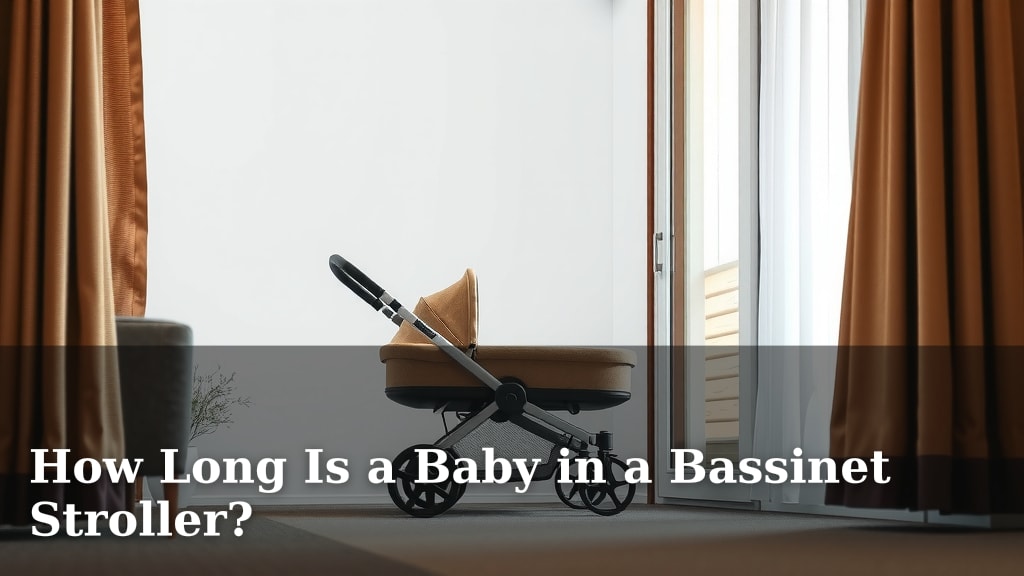
How Long Is a Baby in a Bassinet Stroller?
So, how long is a baby in a bassinet stroller? Most babies can use their bassinet stroller attachment for about 6 months, or until they can push up on their hands and knees. This is because a bassinet offers a safe, flat surface for newborns to sleep. It’s designed for them to lie down completely flat. Once your baby starts getting mobile, it’s time to switch to the regular stroller seat for their safety.
The exact timeline can vary for each baby, of course. You’ll want to watch your little one’s developmental milestones closely. Many parents find the bassinet stage is wonderfully convenient for those early weeks. It provides a cozy, enclosed space much like a crib. But always prioritize your baby’s safety over trying to extend the bassinet use.
- Bassinet strollers are great for newborns.
- They offer a flat, safe sleeping surface.
- Most babies outgrow them around 6 months.
- Watch for signs of mobility, like pushing up.
- Safety is the biggest reason to switch seats.
Let’s dive into what makes a bassinet stroller so useful and when it’s time to consider transitioning to the standard stroller seat.
When Do Babies Outgrow Their Bassinet Stroller Attachment?
You’re probably wondering how long your sweet baby can enjoy the cozy embrace of a bassinet stroller. Generally speaking, a bassinet attachment is designed for infants from birth up to around **6 months old**. This timeframe is a guideline, and the most important factor is your baby’s individual development and size. It’s all about ensuring they remain safe and comfortable while you’re out and about.
Understanding the Bassinet Stroller’s Purpose and Limitations
A bassinet stroller attachment is a fantastic feature for newborns. It provides a **flat, secure surface** for your little one to sleep or recline. Think of it as a portable crib that lets you keep your baby lying down completely flat. This is essential for infants who cannot yet support their own heads and need a safe space to rest. The enclosed nature of the bassinet also offers a snug, womb-like feeling that many babies find comforting.
Why a Flat Surface Matters for Newborns
Newborns spend a lot of time sleeping. A bassinet ensures they do so safely. Medical professionals recommend that infants sleep on a **firm, flat surface** to reduce the risk of SIDS (Sudden Infant Death Syndrome) (CDC). Bassinets attached to strollers are designed with this crucial recommendation in mind. They prevent the baby’s chin from slumping onto their chest, which can obstruct breathing. This is a key reason why they are so popular during the early months.
The Weight and Length Limits to Watch
Every bassinet stroller model comes with specific weight and length limits. These are set by the manufacturer to ensure safety. You’ll find these details in your stroller’s manual. Typically, bassinets are rated for babies up to about **15-20 pounds**. Some might have a length limit, too, often around **27 inches**. Exceeding these limits can compromise the structural integrity of the bassinet and put your baby at risk. Always check your specific model’s guidelines to be absolutely sure.
Signs Your Baby is Ready to Transition from the Bassinet
Your baby is a growing individual, and they’ll show you when it’s time to move on from the bassinet. The primary indicator is a change in their **physical abilities and mobility**. It’s less about hitting a specific age and more about observing their development. When your little one starts becoming more aware of their surroundings and eager to explore, they might outgrow the confined space of the bassinet.
The “Pushing Up” Milestone
One of the most common and significant signs that your baby is ready for a change is when they begin to push up on their hands and knees. This is a precursor to crawling. If your baby can lift their chest off the bassinet surface or start to roll, the bassinet is no longer a safe environment. They could potentially push themselves over the edge or get into an unsafe position. This milestone typically happens around **4-6 months**, but it varies widely.
Increased Awareness and Mobility
As babies get older, their curiosity grows. They might start trying to reach for things outside the bassinet or push against the sides. This increased **awareness and desire to move** means they are outgrowing the passive recline of the bassinet. Their attempts to maneuver can be a clear signal that a more upright and secure seating position is needed. You might notice them wiggling more vigorously.
When the Bassinet Feels Too Small
Sometimes, it’s as simple as your baby physically outgrowing the space. If your baby’s feet are nearing the end of the bassinet or their head is bumping against the canopy, it’s likely time for a change. Even if they haven’t reached the weight limit, a feeling of being **cramped or restricted** is a good reason to switch. A comfortable baby is a happy baby, and a cramped baby might become fussy.
Making the Switch to the Stroller Seat
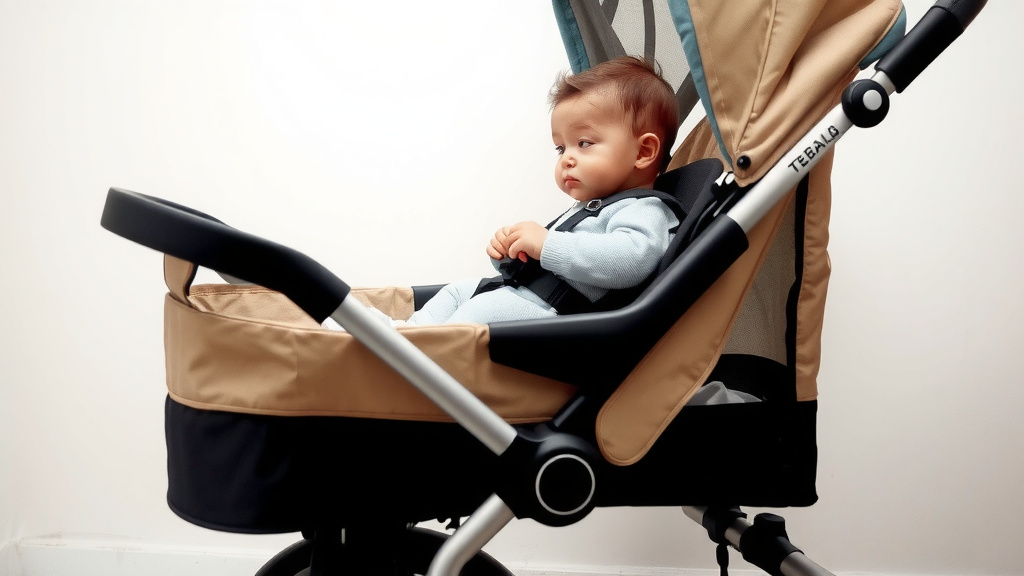
Transitioning your baby to the regular stroller seat is an exciting step! It means your little one is growing and developing. Most stroller seats can be used in a reclined position suitable for infants, or they offer adjustable recline options for older babies. It’s important to ensure the seat provides adequate support for your baby’s head and neck, especially if they are still a bit wobbly.
Understanding Stroller Seat Suitability
Many modern stroller seats are designed to be used from birth or shortly after. They often have multi-position recline features. A near-flat recline can mimic the safety of a bassinet for younger infants who have outgrown their bassinet attachment. As your baby grows stronger and can sit up with support, you can gradually adjust the recline to a more upright position. Always consult your stroller’s manual for the **recommended usage for infants** in the main seat.
Safety Features to Look For in a Stroller Seat
When using the regular stroller seat for a younger baby, pay close attention to the harness system. A **five-point harness** is crucial. It secures your baby at the shoulders and hips, preventing them from slipping out. Ensure the straps are snug but comfortable. For very young babies, consider using infant inserts or padding to provide extra support and a cozier fit in the larger seat. These inserts help cradle their head and body.
A Quick Checklist for Transitioning
Here’s a simple checklist to help you decide when it’s time to switch from the bassinet to the stroller seat:
- Has your baby reached the weight limit for the bassinet?
- Is your baby pushing up on hands and knees, or trying to roll?
- Does your baby seem cramped or too big for the bassinet?
- Is your baby showing increased mobility and trying to push off the sides?
- Are your baby’s feet touching the end of the bassinet?
- Is your baby able to sit up with some support (ready for a more upright seat)?
Conclusion
You’ve learned that a baby typically uses a bassinet stroller attachment for around 6 months. This timeframe hinges on your baby’s growth and developmental milestones, not just age. Always prioritize your baby’s safety by watching for signs of increased mobility, like pushing up on hands and knees. When these signs appear, it’s time to transition to the regular stroller seat. This ensures they remain secure and comfortable on your adventures together. Keep an eye on those milestones, and enjoy this exciting stage of your baby’s development!
Frequently Asked Questions
Can I use my bassinet stroller attachment longer if my baby is small?
While your baby’s size is a factor, the primary reason to switch is their mobility. If your little one is starting to push up or roll, it’s no longer safe in the bassinet, even if they are on the smaller side. Always watch for developmental cues.
What should I do if my baby outgrows the bassinet but isn’t ready for a fully upright seat?
Many stroller seats offer a multi-position recline. You can often use the seat in a near-flat or slightly reclined position for infants who have outgrown the bassinet but still need support. Check your stroller’s manual for infant recommendations.
Are there weight limits for bassinet stroller attachments?
Yes, every bassinet stroller has manufacturer-specified weight and length limits. You can usually find these details in your stroller’s manual. Exceeding these limits can compromise safety, so be sure to check them.
My baby loves sleeping in the bassinet. How can I ensure a smooth transition?
When you transition to the stroller seat, try using the most reclined position first. Adding familiar blankets or a small, safe toy can help them feel more secure. Gradually adjust the recline as they become more comfortable and gain head control.
What if my baby’s feet are touching the end of the bassinet but they aren’t mobile yet?
If your baby’s feet are nearing the end of the bassinet or they seem cramped, it’s generally time to switch, even if they haven’t started pushing up. A feeling of being restricted can be uncomfortable for them and indicates they are outgrowing the space.

![10 Best Baby Stroller For Grandparents [2026]](https://bestbabystrollerjudge.com/wp-content/uploads/2026/08/10-best-baby-stroller-for-grandparents-2026-featured-768x432.jpg)
![10 Baby Bargains Best Travel Stroller [2026]](https://bestbabystrollerjudge.com/wp-content/uploads/2026/09/10-baby-bargains-best-travel-stroller-2026-featured-768x432.jpg)