How Long Should a Baby Be in a Bassinet Stroller?
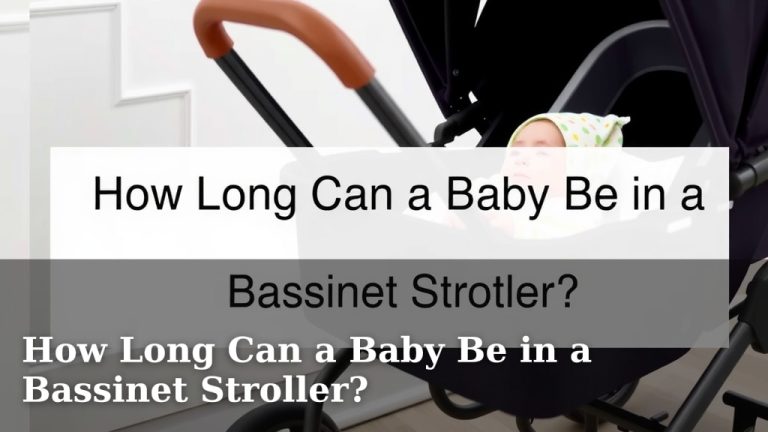
You can typically use a bassinet stroller attachment for your baby until they are around 4-6 months old. This is usually when they start to show signs of pushing up or rolling over, and it becomes safer for them to sit upright in a stroller seat. Always check your specific bassinet and stroller manufacturer guidelines for exact age and weight limits.
A bassinet stroller is a fantastic way to keep your newborn comfortable and close while you’re on the go. It offers a flat, secure surface, mimicking their crib. However, as your baby grows and develops new physical skills, their needs change, and it’s important to transition them to a different seating option for their safety and development.
- Babies usually outgrow bassinet strollers around 4-6 months.
- Look for signs of rolling or pushing up.
- Always follow manufacturer instructions.
- Safety is key when transitioning.
Let’s walk through exactly when it’s time to say goodbye to the bassinet attachment and hello to a new stroller setup for your growing little one.
When Your Baby Outgrows the Bassinet Stroller
You’re likely wondering about the timeline for using that cozy bassinet attachment on your stroller. Generally, most babies can comfortably and safely use a bassinet stroller for about 4 to 6 months. This timeframe is a guideline, and your baby’s individual development plays a bigger role than the calendar. It’s all about their ability to interact with their environment and their physical milestones.
Understanding Bassinet Stroller Guidelines
These attachments are designed to give your newborn a flat, secure space that’s similar to their crib. This is fantastic for those early months when they spend a lot of time sleeping and can’t hold their head up. Think of it as a mobile bassinet, perfect for keeping your little one comfortable and close while you run errands or enjoy a stroll. The key is to ensure it provides a safe, lie-flat position, which is essential for a newborn’s delicate spine and breathing.
Key Milestones to Watch For
The most important factor in deciding when to transition is your baby’s physical development. As they grow, they start developing new skills. You’ll notice them becoming more aware and active. Your baby will begin to push up with their arms, try to roll over, or even sit up independently. These are all signs that they’re outgrowing the confines of a bassinet.
The Rolling Over Rule
Many manufacturers and safety experts highlight the rolling over milestone as a critical point. Once your baby can roll from their back to their tummy, or vice versa, the bassinet is no longer safe. They could potentially roll themselves out of the bassinet or become trapped in an unsafe position. It’s a clear indicator that they need a more upright and secure seating arrangement.
Pushing Up and Sitting
Similarly, when your baby starts to push themselves up using their hands and knees, or even attempts to sit up without support, they are getting too big and strong for a bassinet. This newfound strength means they can exert more force within the bassinet. They might tip it, or their movements could compromise the safety features. Many parents find this happens around the same time as the rolling milestone.
Weight and Length Limits: What the Manual Says
Beyond developmental cues, always consult your stroller and bassinet manufacturer’s instructions. They provide specific weight and length limits for the bassinet attachment. Exceeding these limits can compromise the stroller’s stability and the bassinet’s safety. These guidelines are based on rigorous testing. For example, some sources suggest a maximum weight limit around 20 pounds for most bassinet attachments, but this can vary.
You’ll usually find this information in the user manual that came with your stroller. If you can’t find it, a quick search on the manufacturer’s website for your specific stroller model should provide the details. It’s a good habit to check these limits periodically, especially if your baby is on the larger side.
Making the Transition: What Comes Next?
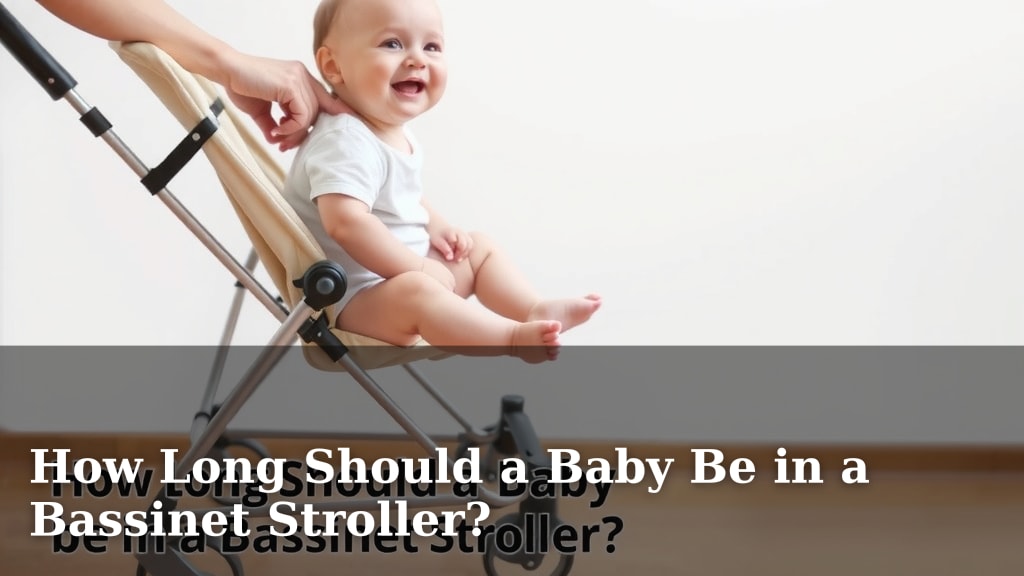
So, your baby is showing signs of outgrowing the bassinet. What’s the next step? Most strollers come with a traditional seat that can be used in an upright or reclined position. This seat is designed to accommodate older babies and toddlers. It offers a more secure harness system to keep your active little one safely in place.
Understanding Stroller Seat Options
When you transition, you’ll typically move to the stroller’s main seat. These seats are designed for babies who can sit up unassisted. They feature adjustable recline positions, which are still beneficial for younger babies who might need a nap on the go. You can recline the seat slightly for comfort while still keeping your baby securely fastened in a 5-point harness.
The 5-Point Harness: Your Best Friend
The 5-point harness is a significant safety upgrade. It consists of two straps over the shoulders and two straps at the hips, all meeting at a buckle between the legs. This system ensures your baby is snugly and safely secured in the seat. It prevents them from slouching, sliding down, or attempting to climb out. A properly fitted harness is key to stroller safety for babies past the bassinet stage.
Forward-Facing vs. Parent-Facing
Many stroller seats offer the option to be used in a parent-facing or forward-facing position. For babies who are transitioning from a bassinet, continuing with a parent-facing mode is often recommended. This allows you to keep an eye on your baby, monitor their cues, and offer comfort. As they get older and more curious about the world, you can then switch to the forward-facing position.
When is the Stroller Seat Fully Safe?
The stroller seat is typically safe for use once your baby can sit up unsupported for a period. This usually aligns with the developmental stages where they’ve outgrown the bassinet. The American Academy of Pediatrics recommends ensuring your baby can sit up steadily before using a forward-facing stroller seat without an adult’s constant supervision.
A Checklist for Transitioning
Ready to make the switch? Here’s a quick checklist to make sure you’re prepared:
- Check your baby’s ability to sit up unassisted for at least a minute.
- Confirm your baby has not started rolling over.
- Review the stroller seat’s weight and height limits in the manual.
- Ensure the 5-point harness is correctly fitted and adjusted.
- Consider using the stroller seat in a reclined position initially.
- Decide if parent-facing or world-facing is best for your baby’s current needs.
Safety First: Always Prioritize Your Baby’s Well-being
The most critical aspect of stroller use is safety. Always remember that these are guidelines, and your baby’s individual development is the best indicator. Never force a transition before your baby is ready. If you have any doubts, it’s always best to err on the side of caution and consult with your pediatrician.
Common Mistakes to Avoid
One common mistake parents make is keeping their baby in the bassinet for too long, especially if the baby is showing signs of being ready to move. This can lead to an unsafe situation. Conversely, rushing the transition before the baby can safely use the stroller seat is also a concern. Always ensure the harness is properly secured before every outing.
The Role of the Pediatrician
Your pediatrician is an excellent resource for understanding your baby’s developmental milestones. They can offer personalized advice on when your baby is developmentally ready for different types of seating and gear. Don’t hesitate to ask them about stroller safety and when it’s appropriate to transition from a bassinet attachment to the regular stroller seat. They have seen countless babies and can provide expert guidance.
Conclusion
You’ve learned that your baby will typically outgrow their bassinet stroller attachment between 4 to 6 months. Keep a close eye on their physical development, watching for signs like rolling over or pushing up. Always double-check your specific manufacturer’s guidelines for weight and age limits. Transitioning your baby to the stroller seat with its secure 5-point harness is a natural next step for safety and comfort. By prioritizing these developmental cues and safety checks, you’ll ensure a smooth and secure ride for your growing little one.
Frequently Asked Questions
Can I use a bassinet stroller past 6 months if my baby seems fine?
It’s generally not recommended to use a bassinet stroller past 6 months, or once your baby shows signs of rolling or sitting up. Even if they seem fine, their increased strength and mobility could lead to unsafe situations, like getting stuck or tipping. Always prioritize safety over convenience.
What if my baby is small for their age? Can they stay in the bassinet longer?
While size is a factor, your baby’s developmental milestones are more important. If your smaller baby starts pushing up, rolling, or showing more independent movement, it’s time to transition. Their ability to control their body within the bassinet is the key safety indicator.
How do I know if the 5-point harness is fitted correctly?
A properly fitted harness should be snug but not constricting. You should be able to fit two fingers comfortably between the harness straps and your baby’s shoulders. The chest clip should be at armpit level. Always ensure it’s buckled securely before every outing.
Is it okay to recline the stroller seat all the way when transitioning from a bassinet?
Yes, it’s often recommended to use the stroller seat in a reclined position initially, especially if your baby still naps frequently. This offers a safer, more supported sleeping surface than a fully upright seat. As your baby gets more confident sitting up, you can gradually increase the recline angle.
What should I do if my baby cries in the regular stroller seat after being used to the bassinet?
It can take some adjustment for your baby to get used to the stroller seat. Try using the seat in the parent-facing position so you can offer reassurance. Ensure the seat is reclined enough for comfort and that the harness is snug but not too tight. Gradually introduce them to the new seat for shorter periods.