
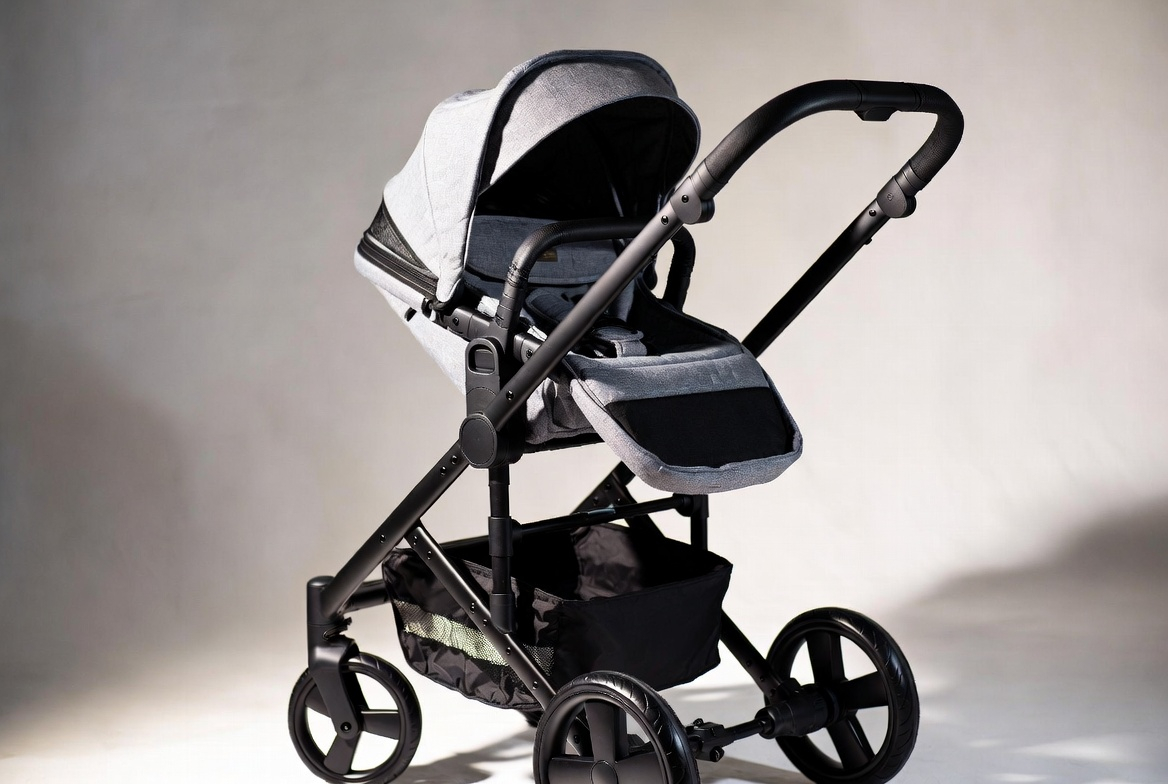
How to Put Baby in Nuna Mixx Stroller Correctly: A Parent’s Complete Guide
When you’re a new parent, figuring out how to use your stroller safely can feel overwhelming. The Nuna Mixx is an excellent choice for families, but like any piece of baby gear, it comes with its own setup process. If you’re wondering how to properly place your baby in the Nuna Mixx stroller, you’ve come to the right place. I’m going to walk you through every step, making sure you feel confident and your little one stays safe and comfortable.
Understanding Your Nuna Mixx Stroller Before You Begin
Before you even think about putting your baby in the Nuna Mixx, it’s important to understand what you’re working with. The Nuna Mixx is a versatile stroller system that grows with your child. It can transform from a bassinet configuration for newborns all the way through to a toddler seat. Think of it as a stroller that evolves as your baby does. The flexibility is wonderful, but it also means there are different configurations depending on your child’s age and size.
The first thing you should do is familiarize yourself with the user manual that comes with your stroller. I know, I know—who actually reads those things? But trust me, spending fifteen minutes with the manual will save you from confusion later. You’ll understand the weight limits, the proper harness adjustments, and safety features specific to your model.
Preparing the Nuna Mixx for Your Baby
Step One: Ensure the Stroller is Fully Assembled and Locked
Safety starts with proper assembly. Make sure every latch, click, and connection is secure. The last thing you want is for your stroller to accidentally collapse while your baby is in it. I’ve seen parents panic when a wheel suddenly gives way because something wasn’t properly locked. Check that the frame is fully extended, all wheels are properly attached, and the brake system is functioning. Give the stroller a gentle shake. If it feels wobbly or unstable, something isn’t right.
Step Two: Choose Your Configuration Based on Baby’s Age
The Nuna Mixx works differently depending on how old your baby is. For newborns up to about four months, you’ll use the bassinet unit. This lies flat and is perfect for sleeping infants. For babies around four to six months who can sit up with support, you’ll transition to the reversible seat unit. Finally, for toddlers who can sit independently, you’ll use the forward-facing toddler mode. Make sure you’re using the right configuration for your child’s developmental stage.
Step Three: Add Proper Padding and Support
Comfort matters. If you’re using the bassinet configuration, add a firm mattress pad designed for the Nuna Mixx. Never use pillows, bumpers, or soft bedding—these create a suffocation hazard. The padding should be snug and secure, almost like tucking in hospital corners on a bed. If you’re using the seat unit, ensure any additional padding you add is minimal and won’t interfere with the harness system.
Placing Your Newborn in the Bassinet Configuration
How to Position Your Newborn Correctly
When your baby is a newborn and you’re using the bassinet mode, positioning is crucial. First, make sure the bassinet is securely attached to the stroller frame and locked in place. You should hear or feel a distinct click. Now, gently place your baby on their back. This is the safest sleep position. Your baby’s head should be on the mattress pad, with their body fully supported. Think of it like you’re laying them down in their crib—flat, straight, and centered.
Never place your baby in the bassinet on their side or stomach. Even if it seems like they’d be more comfortable, the back position is recommended by pediatricians because it reduces the risk of Sudden Infant Death Syndrome. I understand the temptation to adjust their position for what looks comfy, but this is one area where safety trumps comfort aesthetics.
Adjusting the Bassinet Recline Position
The Nuna Mixx bassinet can recline at different angles. For newborns, you’ll want it in a fairly upright or semi-reclined position. Check your manual for the exact angle recommendations, as these can vary depending on your baby’s age. Some parents make the mistake of fully reclined bassinet position for newborns, but this can restrict airflow and isn’t ideal. The semi-upright position allows for proper breathing and helps prevent reflux issues that plague many newborns.
Transitioning to the Reversible Seat Unit
When to Make the Switch from Bassinet to Seat
Around four to six months, depending on your baby’s development and the weight guidelines, you’ll transition from the bassinet to the reversible seat unit. This is an exciting milestone because it means your baby is growing and developing. However, don’t rush this transition. Your baby should be able to hold their head up steadily and show signs of sitting up with support before making this change. Some babies reach this point at five months, while others might not be ready until seven months. There’s no magic age—it’s about your individual child’s readiness.
Installing the Reversible Seat Unit
To attach the reversible seat unit to the Nuna Mixx frame, line up the connectors on both the seat and the frame. You’ll hear or feel clicks as the seat locks into place. Double-check by gently tugging on the seat—it shouldn’t move or shift. Some parents worry they’re going to break something by pulling too hard during this check, but you need to make sure it’s truly secure. A loose seat is a safety hazard.
Positioning Your Baby in the Seat Unit
Now comes the part where you actually place your baby in the seat. Gently lower your baby into the seat, supporting their head and neck with your hand. Their bottom should settle into the seat naturally. Make sure their back is against the seat back, and they’re positioned centrally in the seat. You don’t want them leaning to one side or the other. It’s similar to buckling a toddler into a car seat—centered positioning is essential for safety.
Understanding and Using the Harness System
The Five-Point Harness Explained
The Nuna Mixx uses a five-point harness system. This means you have two shoulder straps, two hip straps, and one crotch strap. This design distributes force across your baby’s strongest points—the shoulders and hips—in case of sudden stops or impacts. It’s similar to how race car drivers are strapped in, just adapted for babies.
To properly fasten the harness, first adjust all the straps to the right length for your baby. There’s a general rule: after buckling, you should be able to fit one finger between the strap and your baby’s body. Not two fingers—one. If you can fit more than that, the harness is too loose and won’t protect your baby effectively. If you can’t fit a finger, it’s too tight and could be uncomfortable.
Step-by-Step Harness Fastening Process
Here’s exactly how I recommend fastening the harness:
- Start with the crotch strap. Bring it up between your baby’s legs and secure it to the center buckle
- Next, pull the shoulder straps over your baby’s shoulders from the back
- Thread each shoulder strap through the adjustment slots if your Nuna Mixx has them
- Fasten the shoulder straps to the center buckle
- Bring the hip straps around your baby’s sides and secure them to the lower buckles
- Double-check that nothing is twisted, pinched, or uncomfortable
- Finally, do that one-finger test on each strap
Adjusting Harness Height as Your Baby Grows
As your baby grows, the harness will need to be adjusted so it fits properly. The Nuna Mixx has adjustment slots that allow you to move the harness points higher as your child grows taller. Check your manual for specific instructions on how to access these adjustment points. Many parents skip this step and just keep the harness loose, but that defeats the entire purpose of having a harness system. Proper fit is everything.
Common Mistakes Parents Make When Placing Babies in the Nuna Mixx
Mistake One: Loose Harness Straps
This is the number one problem I see. Parents loosen the harness because they think it will be more comfortable for their baby. But a loose harness doesn’t protect your child. In fact, it makes them less safe. Your baby might wiggle around more or slide in the seat, neither of which is ideal. Keep that harness snug but not uncomfortably tight.
Mistake Two: Using Inappropriate Padding or Blankets
I understand the urge to make your baby extra cozy with soft blankets and padding. But the Nuna Mixx is designed to work with minimal additional padding. Too much soft material can be a suffocation hazard for young babies. Additionally, excess padding can interfere with proper harness fitting. Keep it simple and safe.
Mistake Three: Incorrect Recline Angle
Different age groups require different recline angles. Some parents set the recline angle based on what they think looks comfortable rather than following the manufacturer’s recommendations. This is a mistake. The recommended angles are there for safety reasons, particularly relating to breathing and airway positioning.
Mistake Four: Forgetting to Lock Everything in Place
Every connection point on the Nuna Mixx should be locked. The reversible seat to the frame, the wheels to the axles, the brakes—everything needs to be secured. I’ve seen strollers partially collapse because a parent forgot to lock a connection. Make this your pre-stroll checklist item number one.
Using the Nuna Mixx in Reversible Mode
Placing Your Baby to Face You
One of the great features of the Nuna Mixx is that the seat is reversible. This means you can have your baby facing toward you or away from you. When facing you, your baby can see your face, and you can easily check on them. This configuration is wonderful for younger babies who benefit from that connection and for parents who want to maintain eye contact during walks.
To reverse the seat, first ensure your baby is safely secured, then unlock the seat from the frame, rotate it one hundred eighty degrees, and re-lock it. Make sure it clicks securely into place. Some parents worry about disturbing their sleeping baby during this maneuver, so if your baby is napping, you might want to do this when they’re awake and alert.
Placing Your Baby to Face Away
As your baby gets older and more curious about the world, facing away from you becomes appealing. This position lets your baby see what’s happening around them—the birds, the trees, other people. It encourages environmental awareness and keeps them entertained during walks. Make sure your baby is properly harnessed and secured before walking, just as you would in the parent-facing position.
Temperature and Comfort Considerations
Dressing Your Baby Appropriately
The stroller environment affects your baby’s temperature. When your baby is in the Nuna Mixx, they’re somewhat enclosed, especially in the bassinet configuration with any canopy coverage. You don’t need to dress them as heavily as you might dress them for being outside in a carrier. Pay attention to signs of overheating like sweating, flushed cheeks, or rapid breathing. Conversely, make sure they have adequate coverage in cold weather.
Using the Canopy and Ventilation
The Nuna Mixx comes with a canopy that provides sun protection. Make sure it’s properly adjusted to protect your baby from direct sunlight without blocking airflow. You want shade without creating a sauna effect. Open the ventilation panels if available and check on your baby periodically to make sure they’re comfortable temperature-wise.
Safety Checks Before Every Outing
Creating Your Pre-Walk Checklist
Before you head out the door with your baby in the Nuna Mixx, do a quick safety inspection. Check that the frame is locked, the seat is secured, all harnesses are properly fastened, the wheels are attached, the brake works, and the canopy is positioned correctly. This should take less than two minutes but could prevent a serious problem. Think of it like checking your car before a road trip.
Regular Maintenance for Safe Use
Keep your Nuna Mixx in good condition by regularly checking for wear and tear. Inspect the harness for fraying, the wheels for debris, and the frame for cracks. Clean the seat area regularly to prevent buildup of food, dirt, or other materials that could cause discomfort or hygiene issues. A well-maintained stroller is a safe stroller.
Transitioning to Forward-Facing Toddler Mode
When Your Baby is Ready for Toddler Mode
Eventually, your baby will outgrow the reversible seat and be ready for the forward-facing toddler mode. This usually happens around eighteen months to two years, though it depends on your child’s size and development. Your toddler should be able to sit upright independently, and their weight should fall within the recommended range for the toddler mode configuration.
Positioning Your Toddler in Forward-Facing Mode
The forward-facing position is more straightforward than the bassinet or reversible seat modes. Your toddler simply sits facing forward. Make sure they’re seated centrally with their back against the seat back. Their legs should have room to extend without jamming. Go through the harness fastening process just as you would with the reversible seat, ensuring everything is snug and secure.
Conclusion
Putting your baby in the Nuna Mixx stroller correctly is all about understanding the system, following the manufacturer’s guidelines, and paying attention to detail. Whether you’re using the bassinet configuration for your newborn, the reversible seat for your growing infant, or the forward-facing seat for your toddler, the principles remain the same: secure everything, adjust harnesses properly, and perform safety checks before every outing. Remember that your baby’s safety is worth the few extra minutes it takes to do things right. The Nuna Mixx is an excellent stroller choice, and with the knowledge you now have, you can confidently use it for years to come. Trust your instincts, don’t hesitate to consult your manual when you’re unsure, and enjoy your walks with your little one knowing they’re safely secured.
Frequently Asked Questions About the Nuna Mixx Stroller
At what age can I start using the Nuna Mixx stroller with my baby?
You can use the Nuna Mixx from birth. The bassinet configuration is specifically designed for newborns and can be used until your baby reaches approximately four to six months old, depending on their development and weight. Always check your specific model’s guidelines to ensure your baby meets the weight and developmental requirements for each configuration.
How do I know if my baby’s harness is too tight or too loose?
The golden rule is the one-finger test. After fastening the harness, you should be able to fit exactly one finger between the strap and your baby’s body. If you can fit

![10 Baby Stroller [2026]](https://bestbabystrollerjudge.com/wp-content/uploads/2026/09/10-baby-stroller-2026-featured-768x432.jpg)