
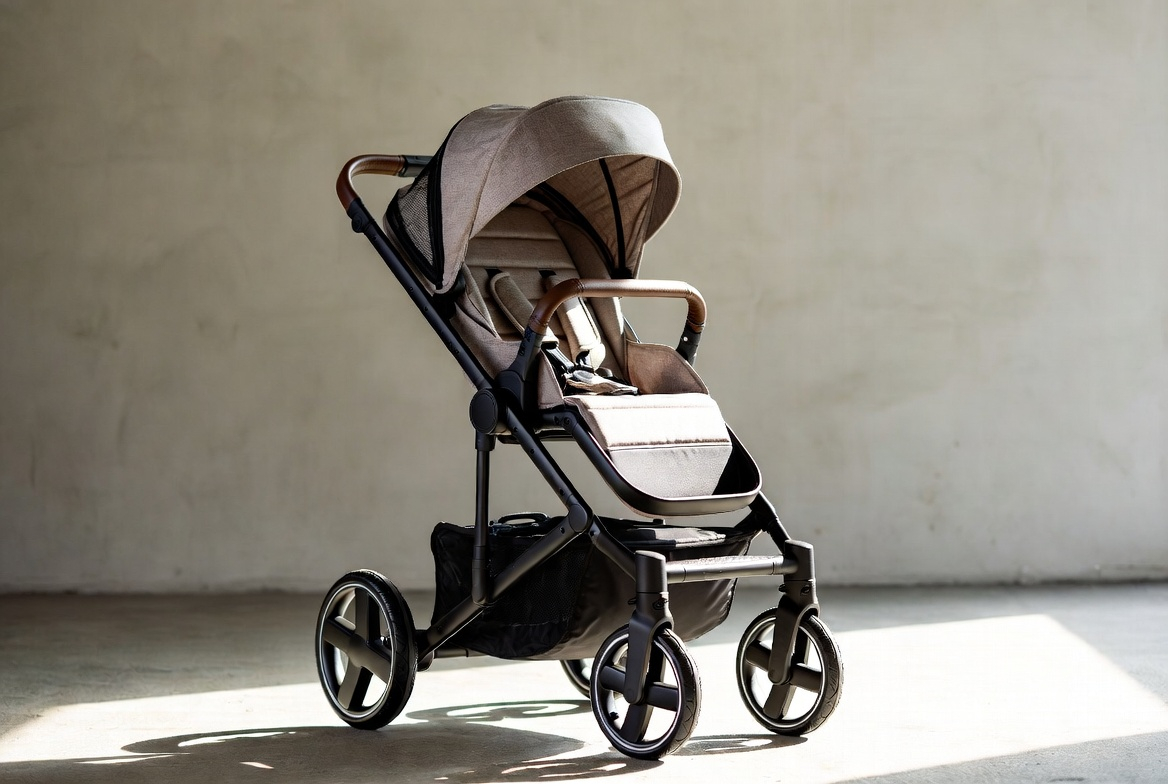
How to Protect Your Baby From Sun in Stroller: A Comprehensive Guide for Parents
As a parent, you’ve probably experienced that moment when you’re pushing your baby’s stroller on a beautiful sunny day, and suddenly you’re hit with a wave of concern. Is my little one getting too much sun exposure? Am I doing enough to keep them safe? These worries are completely valid, and honestly, they show you care about your baby’s wellbeing.
Sun protection for babies isn’t just about preventing a painful sunburn, though that’s certainly important. We’re talking about safeguarding your child from long-term damage that can affect their skin health for decades to come. The good news? With the right knowledge and tools, protecting your baby from the sun while strolling around your neighborhood is entirely manageable.
Understanding Why Sun Protection Matters for Babies
Think of your baby’s skin as a delicate piece of fabric that hasn’t been weathered by time. Unlike adult skin, which has developed some natural defenses through years of exposure, a baby’s skin is incredibly vulnerable. This vulnerability stems from the fact that melanin, the pigment that provides natural sun protection, is still developing in infants and young children.
Here’s what many parents don’t realize: the damage done by sun exposure in childhood can accumulate over time. It’s like making small deposits into an account that you’ll pay interest on for the rest of your child’s life. Excessive sun exposure during the early years significantly increases the risk of skin cancer, premature aging, and other skin conditions later on.
The American Academy of Pediatrics recommends that babies under six months old should be kept out of direct sunlight entirely. For babies older than six months, sun protection becomes a joint effort between shade, clothing, and sunscreen. Understanding these guidelines is your first step toward becoming a sun-safety expert for your little one.
Timing Your Outdoor Activities Strategically
The Golden Hours: When to Plan Your Stroller Walks
You’ve probably heard the term “golden hour” in photography, but did you know it applies to sun safety too? The sun’s rays are most intense between 10 a.m. and 4 p.m., when UV radiation is at its peak. During these hours, the sun sits higher in the sky, and its rays are more direct—think of it as nature’s strongest spotlight.
The best times to take your baby out in the stroller are early morning, before 10 a.m., or late afternoon, after 4 p.m. During these times, the sun is lower on the horizon, and its rays travel through more atmosphere before reaching your baby’s skin. This natural filtering significantly reduces UV exposure.
Early morning stroller walks have the added bonus of being cooler and often less crowded. You might find your baby sleeps better after a pleasant morning outing, and you’ll have more peace of mind knowing you’re following best practices for sun safety.
Seasonal Variations and UV Index Monitoring
The intensity of the sun changes throughout the year, and this affects how carefully you need to manage outdoor time. Summer, of course, brings the strongest UV rays, but don’t make the mistake of thinking winter is completely safe. Even on cloudy winter days, UV rays penetrate cloud cover and can reflect off snow, doubling the exposure.
I’d recommend checking the daily UV index before heading out. Most weather apps include this information, and it’s incredibly helpful for planning. An index of 3 or lower means you can be more relaxed about protection, while anything above 8 calls for extra precautions.
Investing in the Right Stroller Accessories
Stroller Canopies and Sun Shades: Your First Line of Defense
The stroller canopy is like your baby’s personal umbrella, and a quality one can make all the difference. Many standard strollers come with basic canopies, but they’re often not designed with maximum sun protection in mind. If your stroller’s canopy doesn’t extend far enough to shield your baby from direct sunlight, it’s worth considering an upgrade or an add-on.
Extended canopies and universal stroller shades are available from various manufacturers. These typically provide superior coverage compared to standard canopies, and some even offer UPF (ultraviolet protection factor) ratings of 50+. When shopping for a shade, look for one that covers not just the top of the stroller but also extends to protect your baby from side angles.
Reflective shades are another excellent option. These work by reflecting the sun’s rays away from your baby rather than just blocking them. They’re particularly useful on hot days because they also help keep the stroller cooler, reducing the temperature inside the seat area.
Mosquito Nets with Sun Protection Properties
Here’s a clever solution that many parents overlook: breathable mosquito nets designed specifically for strollers often come with built-in UV protection. These serve double duty by keeping insects away while filtering harmful sun rays. They’re particularly useful if you’re in an area with mosquitoes or other insects.
The key is choosing a net that’s specifically designed for sun protection rather than just bug protection. The mesh should be fine enough to block UV rays while still allowing adequate airflow so your baby doesn’t overheat.
Choosing the Right Clothing for Sun Protection
UPF Clothing: More Than Just Regular Fabrics
You might think that regular clothing provides the same protection as special UPF wear, but here’s where you’d be mistaken. UPF (ultraviolet protection factor) clothing is specifically engineered to block harmful rays. A regular white cotton t-shirt might only offer UPF 5, while specially designed UPF 50+ clothing can block 98% of UV rays.
When dressing your baby for outdoor time, consider lightweight, long-sleeved shirts and pants made from UPF fabric. I know what you’re thinking—won’t my baby overheat? Modern UPF clothing is designed to be breathable and moisture-wicking, so it actually helps keep your baby cooler while providing protection.
Colors matter too. Darker colors tend to offer better UV protection than lighter ones, though specialized UPF fabrics work regardless of color. The weave and weight of the fabric are more important factors than the shade.
Hats: Protecting the Most Vulnerable Area
Your baby’s face, ears, and scalp are particularly vulnerable to sun damage because they receive direct exposure. A wide-brimmed hat is essential for any baby spending time in the sun. The wider the brim, the more protection it provides—aim for at least two to three inches all around.
Look for hats made from tightly woven fabrics with UPF ratings. Bucket hats are excellent for babies because they provide coverage all the way around, including the back of the neck. Some parents worry about their babies pulling hats off, but securing the hat with a chin strap can solve this problem.
Sunscreen: Application and Selection for Your Baby
Mineral vs. Chemical Sunscreen: Which is Better for Babies?
When it comes to sunscreen for babies, not all products are created equal. The two main types are mineral and chemical sunscreens, and they work in fundamentally different ways.
Mineral sunscreen, also called physical sunscreen, contains zinc oxide or titanium dioxide. These ingredients sit on top of the skin and reflect UV rays like tiny mirrors. Chemical sunscreen, on the other hand, is absorbed into the skin and converts UV rays into heat. For babies under six months, mineral sunscreen is the preferred choice because it’s less likely to cause irritation or be absorbed through their delicate skin.
Even for older babies, many pediatricians recommend starting with mineral sunscreen. Yes, it might leave a white cast on your baby’s skin, which can feel like you’re applying paint, but this actually tells you exactly where the product is and ensures complete coverage.
When and How to Apply Sunscreen Correctly
Timing matters when it comes to sunscreen application. You should apply it about fifteen minutes before going outside, which gives it time to fully set. For babies over six months, apply sunscreen generously—don’t skimp on the amount. A common mistake is using too little product, which significantly reduces effectiveness.
Here’s the detailed process: apply sunscreen to all exposed areas, including the tops of ears, the back of the neck, the part in hair, and the tops of your baby’s feet if they’re exposed. Don’t forget often-neglected areas like the sides of the face and the area around the eyes.
Reapplication is crucial. Sunscreen should be reapplied every two hours and immediately after swimming or sweating. When you’re out with a stroller, set a reminder on your phone so you don’t forget this important step.
- Apply sunscreen 15 minutes before outdoor time
- Use SPF 30 or higher
- Cover all exposed areas generously
- Reapply every two hours
- Reapply immediately after water exposure
- Check expiration dates regularly
Avoiding Sunscreen Ingredients to Watch Out For
While most sunscreens are safe, certain ingredients are worth avoiding for babies. Oxybenzone and avobenzone are chemical sunscreen ingredients that some parents prefer to skip. Similarly, products containing fragrance or added chemicals might be unnecessary for your baby’s delicate skin.
Look for sunscreens specifically formulated for babies and children. These products are typically gentler and have been tested for use on sensitive skin. Reading labels carefully helps you understand exactly what you’re applying to your baby’s skin.
Planning Your Route and Environment
Seeking Shade Along Your Walking Route
One strategy many experienced parents use is planning stroller routes that naturally provide shade. Trees lining the sidewalk, parks with shaded areas, and routes along buildings that cast shadows are all excellent choices. When you know your usual walking paths, you can identify which ones offer the most natural shade coverage.
Parks with mature trees are perfect for stroller time because the canopy overhead provides substantial protection. Walking near tall buildings during certain times of day ensures you’re in shade. Even pushing your stroller along a tree-lined street makes a significant difference compared to open, exposed areas.
Understanding Reflection and Ambient UV Exposure
Here’s something that surprises many parents: you can get significant UV exposure even when you’re in shade. This happens because UV rays reflect off surfaces like water, sand, concrete, and even grass. If you’re at the beach sitting under an umbrella, you’re still getting substantial UV exposure from reflected rays.
This is why the canopy on your stroller is so important—it protects against both direct sun and these reflected rays. When choosing where to walk, avoid highly reflective surfaces like beaches or parking lots during peak sun hours. Grassy parks and tree-covered areas provide better overall protection.
Managing Heat and Dehydration Alongside Sun Protection
Keeping Your Baby Cool While Protected
Sun protection measures like long sleeves and extended canopies can actually cause your baby to overheat. Balancing sun safety with temperature management is essential. Breathable, lightweight fabrics help with this, and adequate ventilation in the stroller area prevents heat buildup.
Reflective stroller covers and light-colored canopies reflect heat rather than absorbing it. Some parents use portable fans designed for strollers to improve air circulation. On particularly hot days, consider limiting outdoor time or choosing shaded routes exclusively.
Hydration and What Your Baby Should Drink
Babies under six months get all their hydration from breast milk or formula, so you don’t need to give them water. For babies over six months who are eating solids, offering small amounts of water during stroller outings is appropriate. The general rule is that babies don’t need much water, but on hot days, a few sips can help.
For toddlers in strollers, bringing a sippy cup with water ensures they stay hydrated during outdoor activities. Dehydration can actually make sun sensitivity worse, so this is an important part of your sun safety strategy.
Special Considerations for Different Skin Types
Sun Protection for Darker Skin Tones
While darker skin tones do provide more natural protection against UV damage due to higher melanin levels, this doesn’t mean sun protection is less important. Babies and children with darker skin can still experience sun damage, and they’re equally susceptible to skin cancer. Sun protection recommendations apply to all skin types.
That said, some sun protection products are formulated specifically for darker skin tones to avoid leaving white residue. If you’re struggling with sunscreen application on your baby’s darker skin, look for brands that market toward people of color, as these often work better for this purpose.
Sensitive Skin and Allergies
Some babies have particularly sensitive skin or known allergies to certain ingredients. If this describes your baby, patch testing new sunscreen products before full application is wise. Apply a small amount to your baby’s arm and wait 24 hours to check for any reaction.
Fragrance-free, hypoallergenic formulas designed for sensitive skin are available. When your baby has skin sensitivities, maximizing physical barriers like clothing and shade becomes even more important as you have fewer sunscreen options.
Common Mistakes Parents Make With Sun Protection
Understanding what not to do is just as important as knowing what to do. Let me share the most common pitfalls I’ve observed parents making:
First, relying solely on sunscreen without other protective measures is risky. Sunscreen is one layer of protection, but it shouldn’t be your only one. Combine it with clothing, shade, and timing your outings.
Second, many parents assume their baby can’t get sunburned because they have darker skin. This is a dangerous misconception. All skin types can burn and suffer UV damage.
Third, forgetting to reapply sunscreen is incredibly common. Setting phone reminders really does help you stay consistent with this crucial step.
Fourth, using expired sunscreen defeats the purpose entirely. Check those dates and replace products annually.
Finally, many parents neglect to protect themselves. If you’re burned or at risk, you’re more likely to take shortcuts with your baby’s protection too.
Products Worth Investing In
Essential Gear Checklist
Building a sun-safety kit for your stroller doesn’t require excessive spending, but investing in quality products pays dividends. Here’s what you should consider:
- Extended stroller canopy or universal sun shade
- UPF 50+ rated clothing in various sizes
- Wide-brimmed hat with chin strap
- Mineral-based sunscreen SPF 30 or higher
- Sunglasses designed for babies and toddlers
- Reflective stroller cover for heat management
- Portable umbrella for emergencies
Creating a Sun Safety Routine
Making sun protection a habit rather than something you think about each time is the key to consistency. Before every outdoor outing, go through a mental checklist: Is the UV index high today? What time am I going out? Do I have sunscreen, appropriate clothing, and hat? Is my stroller’s canopy extended?
Teaching your older toddlers to remind you about sun protection also helps. When they understand that we wear hats and use sunscreen to keep our skin healthy, they become part of your safety team.
Conclusion
Protecting your baby from the sun while using a stroller is absolutely achievable with the right knowledge and preparation. It’s not about keeping your baby indoors or avoiding outdoor activities—it’s about being smart and intentional about when, how, and where you venture outside.
Remember, you’re not just preventing an uncomfortable sunburn. You’re
![10 Seat Baby Stroller [2026]](https://bestbabystrollerjudge.com/wp-content/uploads/2026/09/10-seat-baby-stroller-2026-featured-768x432.jpg)