
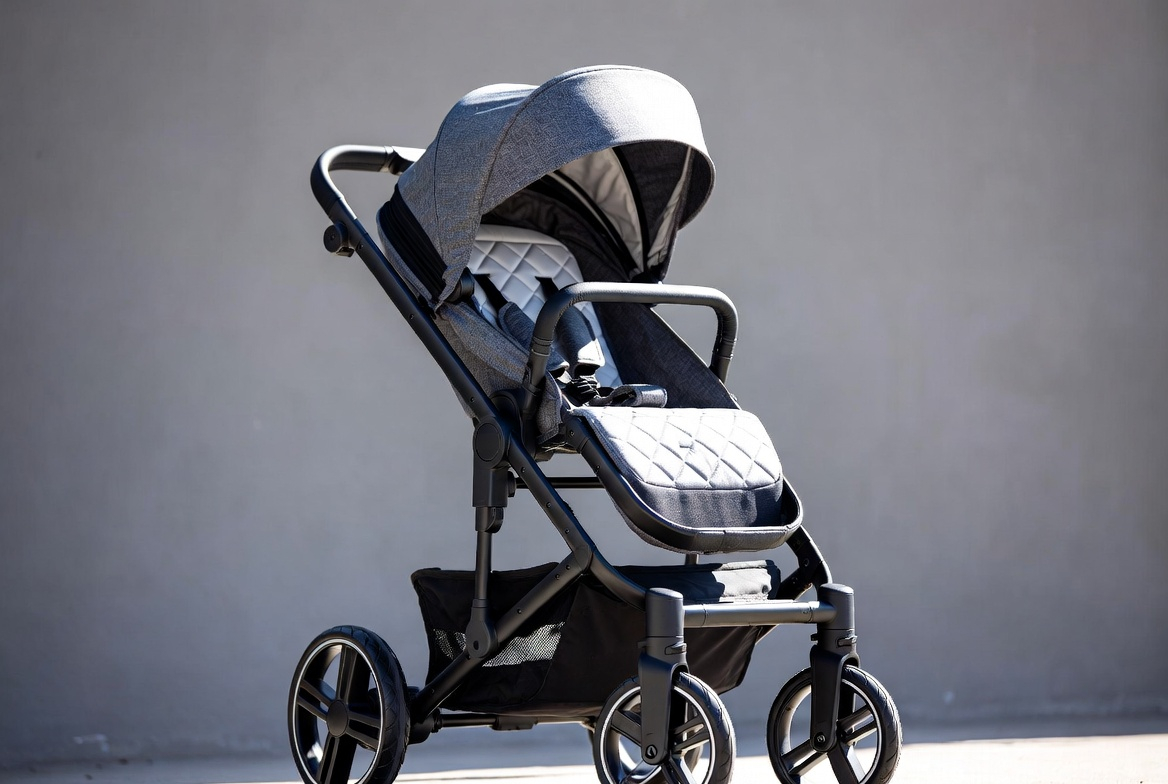
How to Keep Baby Warm in Stroller in Winter: A Complete Guide for Parents
When winter arrives and the temperature drops, keeping your little one cozy during outdoor stroller walks becomes one of your top priorities. I’ve been there—bundling up my baby, only to second-guess whether they’re actually warm enough or overdressed. The truth is, there’s a sweet spot between comfort and safety that every parent needs to find, and I’m here to help you navigate it.
Winter outings with your baby don’t have to be stressful or risky. With the right knowledge and preparation, you can enjoy those crisp morning walks while ensuring your child stays perfectly warm throughout the journey. Let me walk you through everything you need to know.
Understanding Why Baby Temperature Regulation Matters
Before we dive into specific products and techniques, let’s talk about why keeping your baby warm is so crucial. Babies can’t regulate their body temperature the way adults can. Their bodies are still developing this ability, which means they’re more vulnerable to both extreme heat and cold. Think of it like this—while you might feel chilly in a 50-degree environment and adjust by putting on a jacket, your baby’s body is working much harder to maintain its core temperature in the same conditions.
Hypothermia is a real concern during winter months, and it can develop faster in infants than in adults. On the flip side, overheating can also be dangerous, which is why finding that perfect balance is essential. The key is layering strategically and monitoring your baby regularly to ensure they’re comfortable.
The Layering System: Your Secret Weapon Against Winter Cold
The most effective way to keep your baby warm isn’t by using one thick blanket or heavy coat. Instead, I recommend the layering approach. This system works by trapping warm air between different materials, creating an insulating effect that’s far superior to a single heavy layer.
Base Layer: The Foundation of Warmth
Your baby’s base layer should be made from moisture-wicking material. Cotton-polyester blends or specialized thermal fabrics work wonderfully here. The purpose of this layer is to keep sweat away from your baby’s skin, which would otherwise make them feel cold. Avoid pure cotton for the base layer, as it absorbs moisture and retains it, defeating the purpose.
Middle Layer: The Insulation Zone
This is where you add warmth. Fleece or wool sweaters make excellent middle layers because they trap air and provide serious insulation without being bulky. I personally love fleece because it’s soft against a baby’s delicate skin and easy to wash. A well-fitting sweater can make the difference between a fussy baby and a content one on a chilly walk.
Outer Layer: Protection from Elements
Your baby’s outer layer needs to block wind and moisture. A quality winter coat or snow suit designed specifically for infants provides this protection. Look for options with water-resistant outer material and warm inner lining. The fit should be snug enough to keep cold air out but loose enough that your baby can move comfortably.
Choosing the Right Winter Coat or Snow Suit
Not all winter outerwear is created equal, and picking the right one for your stroller-bound baby requires some thought. When I was shopping for my daughter’s first winter coat, I was overwhelmed by the options. Here’s what I learned matters most.
Insulation Type: Down Versus Synthetic
Down insulation is incredibly warm and compressible, which means your baby won’t feel bulky. However, it can be problematic if your baby spends extended periods in the stroller, as down can compress under their weight and lose some effectiveness. Synthetic insulation like polyester or microfiber doesn’t compress as much and offers consistent warmth even when your baby is sitting for long periods. For stroller use specifically, I’d lean toward synthetic insulation.
Sizing: The Goldilocks Principle
A coat that’s too tight restricts movement and can actually reduce its insulating properties by compressing the material. A coat that’s too loose allows cold air to seep in around the edges. You want a snug fit that still allows your baby to move their arms and legs freely. A good test is checking whether you can comfortably fit two fingers between the coat and your baby’s body.
Features to Look For
- Mittens or mittens attachments to keep tiny hands warm
- A hood that covers the head and ears without obstructing vision
- Reinforced seams that won’t leak cold air
- Easy-access closures for diaper changes and feeding
- Water-resistant outer material for wet conditions
The Bottom Half: Don’t Forget About Legs and Feet
I see many parents focusing entirely on their baby’s upper body during winter walks, but legs and feet need equal attention. Your baby’s extremities are particularly vulnerable to cold because the body prioritizes keeping the core warm.
Thermal Pants and Leggings
Thermal leggings under regular pants provide an extra layer of insulation. Look for materials that are both stretchy and warm—your baby needs to be comfortable for naps in the stroller. Avoid anything too baggy, as this creates air pockets that pull heat away from the skin rather than trapping it for warmth.
Socks and Booties: The Often-Overlooked Essential
A baby’s feet can lose heat rapidly, and cold feet can make an otherwise content baby irritable. I always pack an extra pair of socks in my diaper bag because wet socks are practically useless for insulation. Wool or wool-blend socks are superior to cotton for winter walks, as they maintain their insulating properties even if they get slightly damp. Insulated booties that attach securely to the stroller also work well.
Stroller-Specific Warming Solutions
Your choice of stroller and accessories can significantly impact how warm your baby stays during winter outings.
Stroller Blankets: A Traditional Favorite
A quality stroller blanket isn’t just decorative—it’s functional. Look for blankets made from fleece or wool blends that you can tuck securely around your baby without covering their face. The blanket should be large enough to cover your baby completely but not so large that it becomes a tangled mess. I prefer blankets with handles so I can secure them to the stroller frame without worry.
Footmuff and Sleeping Bag Alternatives
If blankets feel too cumbersome, consider a stroller footmuff or sleeping bag designed specifically for winter use. These zip or snap onto your stroller and keep your baby warm from waist down. They’re particularly popular in cold climates and work well for babies who might kick off a blanket. Many modern options are designed to accommodate car seat bases, making the transition from car to stroller seamless.
Stroller Liners and Weather Shields
Some strollers come with thermal liners that provide additional insulation around the seating area. If yours doesn’t, aftermarket thermal liners are available and can make a noticeable difference. Wind shields or weather shields create a barrier against cold air while still allowing visibility and airflow.
Accessories That Make a Real Difference
Beyond clothing and stroller covers, certain accessories can boost your baby’s warmth significantly.
Hats and Head Covering
Did you know that babies lose a tremendous amount of body heat through their heads? A properly fitting winter hat or bonnet is non-negotiable. Look for hats that cover the ears completely and have a chin strap to prevent your curious baby from pulling it off. Wool or fleece options provide the best insulation.
Neck Warmers and Scarves
While traditional scarves pose a strangulation hazard around a baby, neck warmers specifically designed for infants offer warmth without the safety risk. These usually slip over the head and stay snugly in place without loose ends.
Hand Protection
Mittens are more effective than gloves for babies because they keep all fingers together for maximum warmth. Mittens that attach to coat sleeves prevent the frustrating problem of your baby losing one and arriving home with a cold hand.
Signs Your Baby Is Cold: What to Watch For
Even with all these precautions, you need to actively monitor your baby during winter walks. Cold babies can’t tell us they’re uncomfortable, so we need to watch for these signs:
- Shivering or trembling
- Unusual fussiness or crying
- Reduced activity level or lethargy
- Skin that feels cold to the touch on the chest or back
- A blue-tinged complexion, particularly around lips
- Difficulty breathing or wheezing
If you notice any of these signs, it’s time to head indoors immediately. Don’t wait to see if they’ll warm up on their own.
Signs Your Baby Might Be Overheating
It’s also possible to go overboard with the layering, and overheating carries its own risks. Watch for these warning signs:
- Excessive sweating or damp hair
- Flushed cheeks and face
- Rapid breathing
- Irritability or lethargy
- Warm skin that feels hot to the touch
If your baby shows signs of overheating, remove a layer or two and let them cool down. It’s a balancing act, but you’ll get better at reading your baby’s comfort level as winter progresses.
Timing Your Winter Walks Strategically
When you choose to go for a stroller walk makes a difference in how much warm clothing you’ll need. Midday walks when the sun is highest tend to be warmer than early morning or evening ventures. On particularly cold days, shorter, more frequent walks might be better than one long excursion.
Checking Weather and Wind Conditions
Temperature alone doesn’t tell the whole story. Wind chill can make a 30-degree day feel like 10 degrees. Before heading out, check both the temperature and wind chill. On high-wind days, you might need to bundle up more substantially or postpone the walk altogether.
Sunny Days Versus Cloudy Days
Even in winter, sunshine provides warmth. A walk on a sunny 25-degree day might require less insulation than a cloudy 35-degree day with wind. Use this to your advantage when planning your outings.
Preparing Your Diaper Bag for Winter Walks
Your diaper bag becomes even more important during winter. Here’s what you should always have on hand:
- Extra socks and mittens (at least two pairs of each)
- A backup sweater or layer
- A dry blanket separate from the one on the stroller
- Moisturizer and lip balm for chapped skin
- Hand warmers (though keep these away from direct contact with skin)
- Extra burp cloths to keep your baby dry if they spit up
Managing Feeding and Hydration in Cold Weather
Babies still need to eat and drink in winter, and managing this while keeping them warm requires some planning. Breast-feeding offers a natural solution—your body heat helps keep your baby warm during feeding sessions. If you bottle-feed, keep bottles in an insulated bag and warm them just before feeding. Avoid letting your baby hold a cold bottle for extended periods.
Conclusion
Keeping your baby warm in a stroller during winter doesn’t have to be complicated or overwhelming. By understanding the layering system, choosing appropriate clothing and accessories, and actively monitoring your baby’s comfort level, you can enjoy winter outings with confidence. Remember that every baby is different—what works perfectly for one might need adjustment for another. Pay attention to your individual child’s cues, trust your instincts as a parent, and don’t hesitate to head home if conditions become uncomfortable. Winter doesn’t have to keep you and your little one indoors. With the right preparation, you can create cozy, enjoyable outdoor memories while keeping your baby safe and warm.
Frequently Asked Questions About Keeping Babies Warm in Winter Strollers
Is it safe to use a heavy blanket over my baby’s face in the stroller?
No, blankets should never cover your baby’s face, as this poses a suffocation risk. Instead, tuck blankets securely around the sides and bottom of the stroller, leaving the face completely clear. Your baby’s head should be covered with a hat rather than blanket material. A good practice is to arrange blankets so they create a warm cocoon around your baby while maintaining complete facial visibility.
What’s the ideal temperature range for winter stroller walks?
Most pediatricians recommend that babies under six months avoid outdoor temperatures below 32 degrees Fahrenheit, especially for extended periods. For older babies, walking in temperatures as low as 15 degrees can be safe with proper clothing and layering, though wind chill should factor into your decision. Always err on the side of caution—if conditions feel too harsh for you, they’re probably too harsh for your baby.
Can I use a stroller cover or weather shield instead of dressing my baby heavily?
A stroller cover helps significantly, but it shouldn’t replace proper clothing. Think of it as working together with clothing to create a comprehensive warming system. A cover alone without adequate layers won’t keep your baby warm enough in truly cold conditions. The combination of layered clothing plus stroller protection provides the best results.
How often should I check on my baby during a winter walk?
I recommend checking on your baby every five to ten minutes during winter walks. Feel their chest or back to assess their temperature, look for signs of discomfort, and make sure they’re sleeping peacefully if they’ve dozed off. More frequent checks are warranted on particularly cold days or if your baby is unusually fussy.
Are wool materials safe for babies with sensitive skin?
Quality merino wool is typically safe even for sensitive skin, but regular wool can be irritating. If your baby has sensitive skin, look for soft merino wool options or wool blends designed for infants. Always wash new items before wearing them to soften fibers, and consider putting a cotton layer between wool and your baby’s skin if irritation occurs. When in doubt, consult your pediatrician about materials suitable for your baby’s specific skin condition.
“`
![10 Best Luxury Baby Stroller [2026]](https://bestbabystrollerjudge.com/wp-content/uploads/2026/08/10-best-luxury-baby-stroller-2026-featured-768x432.jpg)
![10 Best Baby Stroller 3 In 1 With Car Seat [2026]](https://bestbabystrollerjudge.com/wp-content/uploads/2026/08/10-best-baby-stroller-3-in-1-with-car-seat-2026-featured-1-768x432.jpg)


2 Comments