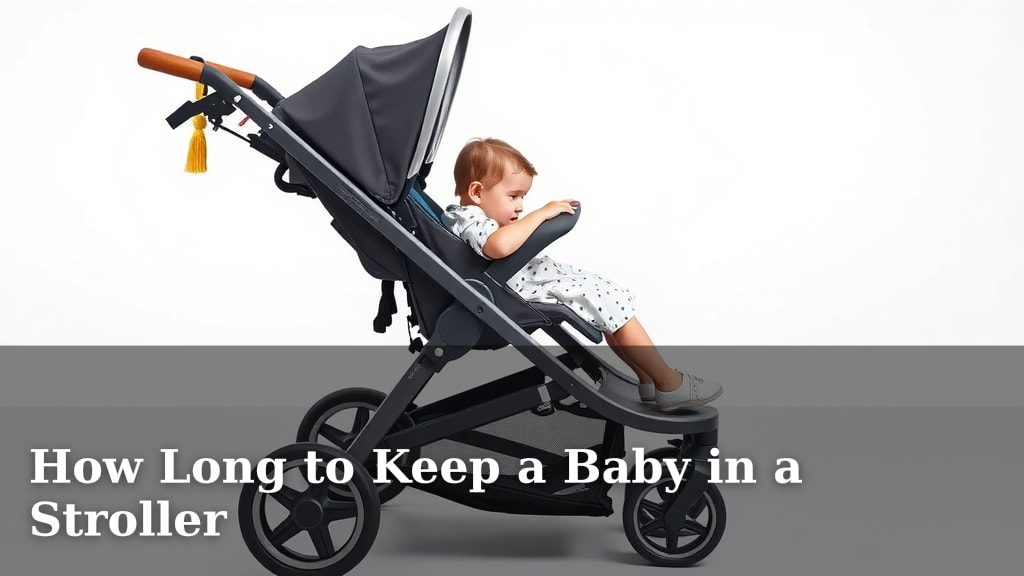
How Long to Keep a Baby in a Stroller
There’s no single “right age” to stop using a stroller. Most babies can safely ride in a stroller until they are around 3 to 4 years old, or when they reach the stroller’s weight limit. You’ll know it’s time to transition when your child starts outgrowing the stroller’s capacity or shows a strong desire to walk independently. It’s all about your child’s individual development and safety.
Thinking about stroller use can bring up so many questions. How long is too long? When should you switch to a different mode of transport? We’ve researched common practices and expert advice to help you navigate this common parenting question. Understanding the signs your child is ready to ditch the stroller is key for their mobility and independence.
- Strollers are generally safe up to 3-4 years old.
- Always check the stroller’s weight and height limits.
- Watch for your child’s desire to walk and explore on their own.
- Safety and your child’s development are the main factors.
Let’s dive into the specifics of knowing when your little one is ready to say goodbye to stroller rides and hello to more walking adventures.
“`htmlKnowing When Your Toddler is Ready for More Walking
So, you’re wondering how long your little one will be a stroller regular? It’s a question many parents ponder as their child grows. Generally, most children can ride in a stroller safely until they are about 3 to 4 years old. Of course, this isn’t a hard-and-fast rule. Your child’s individual development and the stroller’s limits play a big role.
Checking the Stroller’s Weight and Height Limits
Before anything else, let’s talk about the stroller itself. Every stroller comes with specific weight and height restrictions. These aren’t just suggestions; they are there for your child’s safety. Exceeding these limits can make the stroller unstable and potentially unsafe.
You can usually find this information on a tag attached to the stroller or in its manual. Many standard strollers are designed for children up to 50 pounds. Once your child approaches this limit, it’s a clear sign it might be time to consider alternatives. Keep this number in mind as your child grows!
Observing Your Child’s Cues for Independence
Beyond the stroller’s limits, your child will often tell you when they’re ready to walk more. Have you noticed your little one starting to resist getting into the stroller? Do they pull on the straps or seem eager to get out as soon as you stop?
These are classic signs that your toddler is craving independence. They want to explore the world on their own two feet. This desire to walk and run is a natural part of their development and their growing curiosity about their surroundings.
The “I Want to Walk!” Phase
It’s common for children between 2 and 3 years old to enter this phase. They might have the stamina for short walks but still need the stroller for longer outings. You might hear them say “I walk!” or try to pull away from your hand to toddle off on their own. This is wonderful progress!
When this happens, try to accommodate their desire to walk. Even if it means slower trips, allowing them this freedom is beneficial. It builds their confidence and physical coordination. Think of it as a stepping stone to longer independent journeys.
Safety First: When Strollers Become a Hazard
Safety is always the top priority. While your child might still fit within the stroller’s weight limit, there are other safety considerations. Is your child able to climb out of the stroller unassisted? Are they tall enough to try and stand up and reach over the side?
If your child can easily unbuckle themselves or has the mobility to try and climb out, the stroller might no longer be the safest option. This is especially true for younger toddlers who may not fully grasp the risks involved. We want to avoid any accidental tumbles.
Assessing Your Child’s Physical Readiness
Think about your child’s overall physical development. Can they walk steadily for a reasonable distance? Do they have good balance? While most 3-year-olds can walk quite well, some might still tire easily. It’s about finding that balance for your specific child.
Consider their ability to navigate different terrains. Can they walk on sidewalks, grass, or slightly uneven paths without frequent falls? If they are still quite unsteady, a stroller might still be necessary for longer trips. The goal is to support their development without compromising their safety.
Alternatives to the Traditional Stroller
So, your child is getting big, but maybe not quite ready for long walks without a break? Don’t worry, there are great alternatives! These options can ease the transition and still provide a safe way for them to get around when they get tired.
Introducing the Ride-On Board or Toddler Scooter Attachment
Many strollers have the option to attach a ride-on board. This is a small platform where an older sibling or a tired toddler can stand. It’s perfect for those moments when they’ve walked a good portion of the way but need a little help for the rest. It keeps them involved in the outing without being fully seated.
Some strollers also have attachments that function like a mini scooter. This adds an element of fun and independence while still being connected to you and the stroller. It’s a great way to keep them engaged and prevent meltdowns on long walks.
Encouraging Walking with Fun and Games
Making walking an adventure can make a huge difference. Turn your walk into a game! Who can spot the most red cars? Let’s race to the big oak tree! You can also sing songs or tell stories as you walk.
Sometimes, a simple child-sized backpack with a favorite toy or snack can make them feel like a “big kid” ready for a long trek. The feeling of responsibility and fun can go a long way in encouraging them to walk more.
A Checklist for Transitioning Away from the Stroller
Here’s a quick rundown to help you decide if it’s time to pack away the stroller more often:
- Weight Limit Check: Is your child approaching the stroller’s maximum weight capacity?
- Height Assessment: Is your child outgrowing the stroller’s seating height or harness system?
- Independence Cues: Does your child frequently try to climb out or express a desire to walk?
- Mobility Skills: Can your child walk steadily for at least 15-20 minutes without excessive fatigue?
- Safety Behaviors: Does your child understand and obey safety rules, like staying close when walking?
- Stroller Resistance: Does your child often fuss or protest when it’s time to get into the stroller?
When to Seek Professional Advice
While we’ve covered general guidelines, every child is different. If you have specific concerns about your child’s developmental milestones or physical abilities related to walking and mobility, it’s always a good idea to chat with your pediatrician. They can offer personalized advice based on your child’s unique needs and progress.
“`
Conclusion
Knowing when your little one is ready to graduate from the stroller is a journey. You’ve learned that it’s a blend of their age, reaching stroller limits, and crucially, their own desire for independence. Pay attention to their cues – the ‘I want to walk!’ moments are signs of their growth. Remember to always prioritize safety and consider fun alternatives like ride-on boards as you transition.
Your next step? Observe your child closely on your next outing. See if they’re eager to explore on foot or if they still enjoy the secure space of the stroller. This observation will guide you best as you both navigate this exciting developmental phase together.
Frequently Asked Questions
What is the average age to stop using a stroller?
While there’s no single magic age, most children transition away from strollers between 3 and 4 years old. This is often when they’ve outgrown the stroller’s capacity or are confidently walking longer distances.
My child loves the stroller, does that mean they aren’t ready to walk more?
Not necessarily. Some children simply enjoy the security and comfort of a stroller, especially on longer outings. Continue to offer opportunities to walk and observe if they show increasing interest in exploring independently.
What should I do if my child can walk but gets tired easily?
Consider transitional tools like a stroller board or a scooter attachment. These allow your child to walk some of the way and ride the rest, offering a balance between independence and support.
Can a stroller still be safe if my child is under the weight limit but can climb out?
No, safety is compromised if your child can climb out unassisted. Even if they are within the weight limit, their ability to escape the stroller makes it an unsafe option.
What if my child’s developmental milestones for walking seem delayed?
If you have concerns about your child’s walking ability or mobility, it’s always best to consult your pediatrician. They can provide personalized advice based on your child’s specific development.
![10 Best Baby Car Seat Stroller Combo [2026]](https://bestbabystrollerjudge.com/wp-content/uploads/2026/08/10-best-baby-car-seat-stroller-combo-2026-featured-768x432.jpg)

![10 Best Baby Stroller Travel System [2026]](https://bestbabystrollerjudge.com/wp-content/uploads/2026/08/10-best-baby-stroller-travel-system-2026-featured-768x432.jpg)