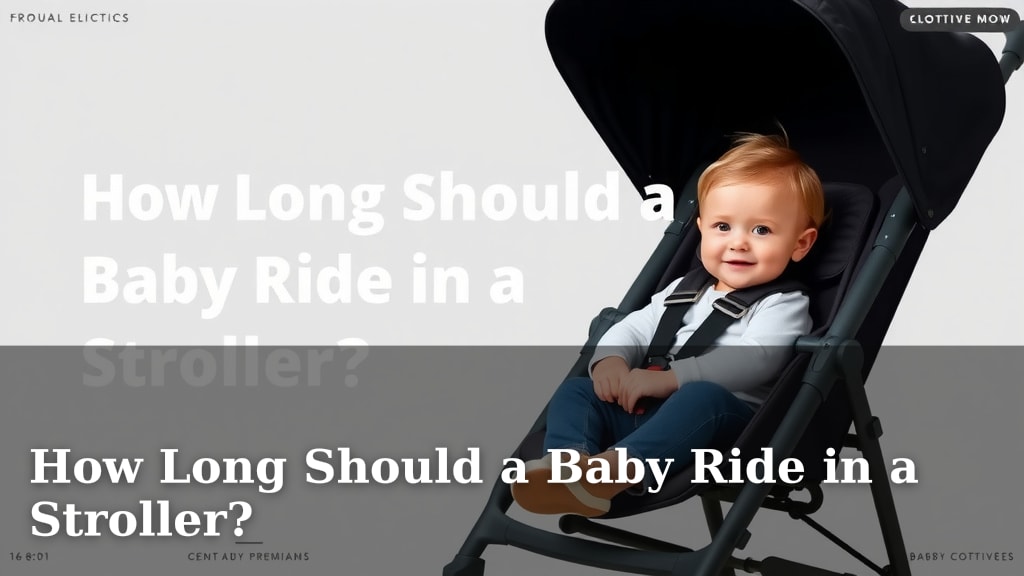
How Long Should a Baby Ride in a Stroller?
There’s no strict age limit for a baby to ride in a stroller, but the key is choosing a stroller that safely supports your baby’s development. For newborns, a lie-flat stroller or one compatible with an infant car seat is essential. As your baby grows and can hold their head up, you can transition to a stroller with a more upright seat, typically around 4-6 months. Always ensure the stroller meets current safety standards.
The stroller you use will change as your child does. What works for a tiny infant won’t be suitable for a toddler who wants to explore. We found that understanding the different stages of baby development helps you pick the right stroller for each phase. It’s about comfort, safety, and giving your child a good view of the world.
- Babies can ride in strollers from birth if the stroller is designed for newborns.
- Look for strollers that recline fully flat or accept infant car seats for the first few months.
- Around 4-6 months, when your baby can support their head, a more upright seat is usually okay.
- Always check that the stroller’s weight and height limits are suitable for your child.
- Prioritize safety features like a secure harness and stable base.
Let’s walk through exactly how stroller choices change as your little one grows, and what to look for at each stage.
When Can Babies Start Riding in a Stroller?
You’re probably wondering, “When exactly can my little one hop into a stroller?” The good news is, with the right setup, your baby can start enjoying stroller rides right from birth! It’s all about matching the stroller to their developmental stage.
For those first few weeks and months, your baby needs full support. They can’t hold their head up yet. So, the stroller must provide a safe, cozy environment. Think of it like a tiny, portable bassinet. You want to keep them as comfortable and secure as possible.
Stroller Stages: Matching Your Ride to Your Baby’s Growth
Your baby goes through so many changes in their first year. From needing constant support to wanting to sit up and see everything, their needs evolve. We found that understanding these stages helps you make the best stroller choices. It ensures safety and comfort at every step.
Newborn Stage (0-4 Months): The Lie-Flat Life
During the newborn phase, your baby’s neck muscles are still developing. They need support for their entire body. This is why a stroller that lies completely flat is your best friend. It mimics a crib or bassinet. This position is vital for healthy breathing and preventing pressure on their delicate spine (American Academy of Pediatrics).
Lie-Flat Strollers
These strollers offer a true bassinet-like experience. The seat reclines all the way back. This creates a safe space for newborns. Many brands offer stroller systems. You can add a bassinet attachment for the ultimate cozy ride. This is ideal for long walks or naps on the go.
Infant Car Seat Compatibility
Another popular option is a stroller that clicks with an infant car seat. This is super convenient for busy parents. You can move your sleeping baby from the car to the stroller without waking them. Just ensure the car seat is properly installed in your vehicle. And always check that your stroller model is compatible with your specific car seat.
For this age, look for a stroller with a secure 5-point harness. This keeps your baby snug and safe. Also, ensure the stroller has good suspension. Little bumps shouldn’t jolt your precious cargo. We found that a stroller with a large canopy is also helpful. It provides much-needed shade and protection from the elements.
Transitional Stage (4-6 Months): Sitting Up and Looking Around
As your baby reaches about 4 to 6 months, you’ll notice a big change. They’ll start to gain better head and neck control. They might even be able to sit up with support. This is when you can begin thinking about a stroller with a more upright seat.
When Can They Sit Up?
The key milestone is when your baby can hold their head up steadily for extended periods. They should be able to support their weight when reclined slightly. Many parents find their baby shows interest in sitting up around this time. They want to see the world! Before then, a full recline is still best.
Adjustable Recline is Key
Many strollers designed for older babies have multi-position recline. You can adjust the seat to a gentle incline. This is perfect for when they get sleepy. It’s also great for those moments when they want to be a bit more upright. You don’t need a fully flat seat anymore. But a slight recline is still important for naps and comfort.
We found that this is a good time to introduce a stroller where your baby can face outwards. When they can sit up well, they often enjoy seeing what’s going on. Just be mindful of overstimulation. Sometimes, facing you is still the most comforting position for them.
Older Baby and Toddler Stage (6+ Months): Exploring the World
Once your baby is reliably sitting independently and has good head control, their stroller options expand even more. They are curious little explorers now! They want to see, touch, and experience everything.
Forward-Facing Fun
Most standard strollers work well from this stage onward. Your baby can sit more upright. They can likely handle forward-facing seats. This gives them an excellent view of their surroundings. Think of it as their personal front-row seat to the world!
Weight and Height Limits
It’s crucial to always be aware of your stroller’s weight and height limits. As your child grows, they’ll get heavier. They’ll also get longer. You don’t want to exceed the manufacturer’s recommendations. This ensures the stroller remains stable and safe. Check the stroller manual regularly.
Many toddler-ready strollers come with features like snack trays and cup holders. These are lifesavers for parents on the go! Look for durable materials and easy-to-clean fabrics. Toddlers can be messy eaters, can’t they? A sturdy frame and reliable brakes are non-negotiable. Your child’s safety is the top priority.
Safety First: Always Your Top Priority
No matter the age or stage, safety should always be your number one concern. Stroller safety standards have come a long way. Always buy from reputable brands. Look for compliance with current safety regulations, like those set by the Consumer Product Safety Commission (CPSC).
Key safety features to check for include:
- A secure 5-point harness system.
- A sturdy frame that won’t tip over easily.
- Reliable brakes that lock firmly.
- No small parts that could detach.
- A stable base, especially when a child is standing or climbing.
We found that regularly inspecting your stroller is a good habit. Check for loose bolts, worn fabric, or any damage. A well-maintained stroller is a safe stroller.
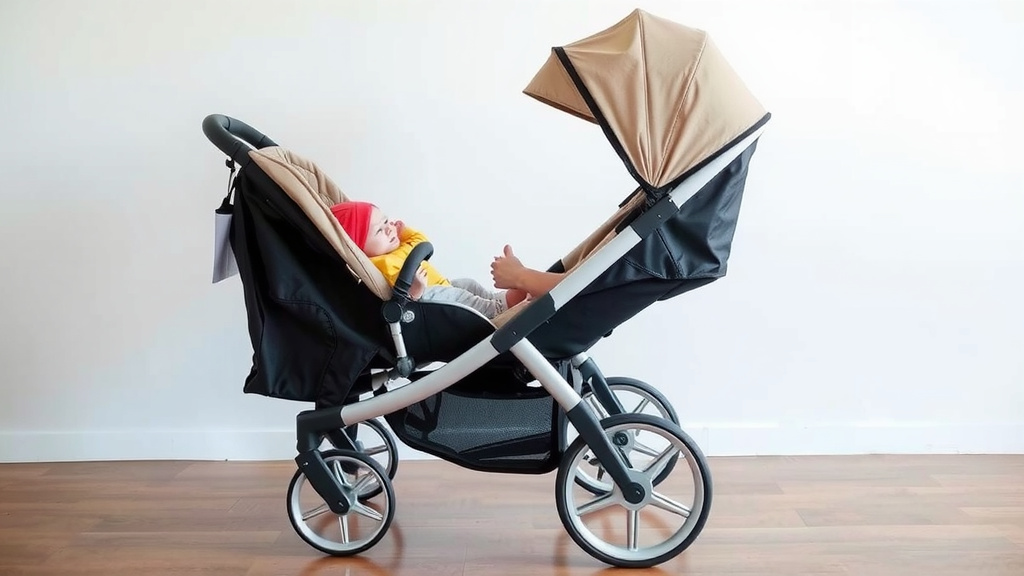
Making the Transition: Smoothly Moving Up
Transitioning to a new stroller can feel like a big step. But it’s usually a gradual process. You might start by using a more upright seat for short periods. Then, as your baby gets more comfortable, you can extend that time.
Consider your lifestyle. Do you need a lightweight stroller for travel? Or a robust one for off-road adventures? Think about storage space in your home and car. A stroller that is easy to fold and carry can make a world of difference. Many parents find that having a couple of stroller options works best. One for quick trips, and another for longer outings.
Checklist for Choosing the Right Stroller
Here’s a quick checklist to help you pick the best stroller for your baby’s current stage:
- Can it recline fully flat for newborns?
- Does it accept an infant car seat if needed?
- Does the seat offer a comfortable upright position for older babies?
- Does it meet current safety standards?
- Is the weight and height limit appropriate for your child’s size?
- Are the harness and brakes secure and reliable?
By keeping these points in mind, you can ensure your little one enjoys safe and comfortable rides as they grow. It’s all about providing them with a secure and engaging way to see the world.
Conclusion
Choosing the right stroller for your baby is about adapting to their growth and developmental needs. Remember, from birth, full support is key with lie-flat options or car seat compatibility. As your little one gains head control around 4-6 months, an adjustable seat becomes more suitable. For older babies and toddlers, a forward-facing seat with robust safety features is ideal. Always prioritize safety standards and check weight limits. By matching your stroller to your child’s stage, you ensure safe, comfortable journeys for everyone. Your next step is to look at your current stroller and see if it still meets your baby’s needs, or if it’s time to consider an upgrade.
Frequently Asked Questions
Can a newborn ride in any stroller?
No, a newborn needs a stroller that offers complete support. This means a stroller that lies fully flat or is compatible with an infant car seat is essential. A truly flat surface is vital for their developing neck and spine. Always ensure the stroller is rated safe for newborns.
When can my baby face outwards in a stroller?
Your baby can typically face outwards when they have strong head and neck control and can sit up unsupported, usually around 4-6 months. This allows them to engage with their surroundings. If they seem overstimulated or fussy, consider turning them back to face you for comfort.
How often should I check my stroller’s weight limit?
You should check your stroller’s weight and height limits whenever your child reaches a new developmental milestone, or if you notice the stroller seems less stable. Regularly reviewing the manufacturer’s guidelines ensures you’re always using the stroller safely as your child grows.
Are there specific safety standards I should look for?
Yes, always look for strollers that meet current safety standards set by organizations like the Consumer Product Safety Commission (CPSC) in the US. Key features include a secure 5-point harness, reliable brakes, and a stable frame. Reputable brands usually adhere to these standards.
Can I use a stroller past its weight limit if it seems fine?
It’s not recommended to exceed your stroller’s weight limit, even if it appears to be holding up. Pushing these limits can compromise the stroller’s stability and structural integrity, posing a safety risk to your child. Always follow the manufacturer’s guidelines for safety.
![10 Best All Terrain Baby Stroller [2026]](https://bestbabystrollerjudge.com/wp-content/uploads/2026/08/10-best-all-terrain-baby-stroller-2026-featured-768x432.jpg)