How Many Months Can a Baby Sit in a Stroller?
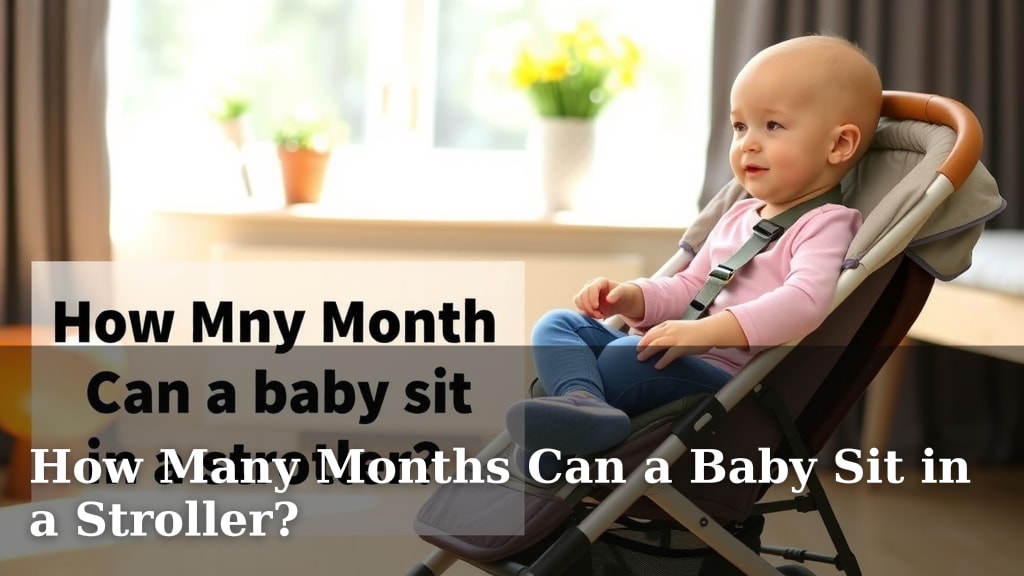
A baby can typically sit up independently in a stroller for many months, often starting around 6 months of age or when they can hold their head up steadily. Most strollers are designed with this milestone in mind, but it’s always best to check your specific stroller’s manual for age and weight recommendations to ensure your baby’s safety and comfort.
The transition to sitting upright is a big step for your little one. It means they can start to engage more with the world around them. We found that this newfound ability can make stroller rides much more enjoyable for both baby and parent, opening up new possibilities for outings and adventures.
- Babies usually sit up in a stroller around 6 months.
- This is when they gain head and neck control.
- Always check your stroller’s manual for specific guidelines.
- A securely sitting baby gets more out of stroller rides.
Let’s walk through exactly when your baby might be ready to sit up and enjoy the view from their stroller.
“`htmlWhen Can Your Baby Sit Up in a Stroller?
Most babies can begin sitting up in a stroller once they have achieved good head and neck control. This is usually around the 6-month mark. However, every baby develops at their own pace. Some might be ready a little earlier, while others might need a bit more time. Your baby’s readiness is key to their comfort and safety in the stroller.
Assessing Your Baby’s Readiness for Sitting Upright
You’ll know your baby is likely ready when they can sit up independently for short periods without toppling over. This milestone indicates they have developed the necessary muscle strength. Look for these signs:
- Your baby can hold their head up steadily during movements.
- They can push themselves up onto their arms when lying on their tummy.
- They can sit without support for at least a few seconds.
Many pediatricians suggest waiting until your baby is at least 6 months old. This aligns with when most babies start showing these signs of physical development (CDC). It’s always a good idea to discuss your baby’s development with your pediatrician. They can offer personalized advice based on your child’s specific progress.
Stroller Features That Support Sitting Babies
Once your baby is ready, you’ll want a stroller that can accommodate their new sitting ability. Modern strollers offer features designed for this transition. Look for strollers with:
- Adjustable recline positions: This allows you to start with a more reclined seat and gradually move to a more upright position as your baby gains confidence.
- Good lumbar support: A well-structured seat helps keep your baby from slumping.
- A secure five-point harness: This is essential for keeping your baby safely in place, whether they are sitting up or reclining.
Some strollers have a fully upright seat option. This is perfect for babies who are eager to see everything. Others might have a slightly reclined seat that still offers plenty of support. We found that a stroller with a reversible seat can be a fantastic option. It lets you see your baby as they adjust to sitting up.
The Transition Period: From Reclined to Upright
The shift to sitting up in a stroller isn’t usually an overnight change. You might start by using a partially reclined position. Gradually increase the uprightness of the seat over several outings. This helps your baby get used to the new posture and the increased stimulation.
Making the First Upright Rides Enjoyable
Keep initial upright outings short and sweet. A trip around the block might be enough. Observe your baby for signs of fatigue or discomfort. If they seem tired or fussy, recline the seat slightly. Your baby is still learning to hold themselves upright for extended periods. Don’t push it too soon.
We found that bringing a favorite toy can help your baby feel more secure. It also gives them something to interact with. Clear visibility of their surroundings is often a big motivator for babies ready to sit up. They love watching the world go by!
Safety First: Always Prioritize Your Baby’s Well-being
The most critical factor is ensuring your baby is safe. Never force your baby into a fully upright position if they aren’t ready. A baby who slumps or leans excessively might not have the core strength yet. This can lead to breathing difficulties or discomfort.
Always ensure the harness is snug but not too tight. The straps should be positioned correctly over their shoulders and hips. Check that the stroller is stable and won’t tip over, especially when your baby is sitting up and moving around. Following the manufacturer’s weight and height limits is also non-negotiable.
Age and Weight Guidelines for Stroller Use
While 6 months is a common starting point for sitting up, stroller manufacturers provide specific age and weight recommendations. These guidelines are based on safety testing. Always consult your stroller’s manual for these details.
A typical stroller might have a weight limit of anywhere from 25 to 50 pounds. This means your baby can usually use the upright seating position for a considerable amount of time. Many toddlers continue to use strollers for naps or longer outings. They might be well past the 6-month mark but still benefit from the stroller’s support.
| Baby’s Age/Milestone | Typical Stroller Use | Key Considerations |
|---|---|---|
| 0-4 Months | Fully reclined or bassinet attachment | Requires full back support. Focus on comfort and protection. |
| 4-6 Months | Partial recline with head support | Baby gaining head control. May need extra padding. |
| 6+ Months | Semi-upright to fully upright (when ready) | Baby has head and neck control. Can sit unsupported briefly. |
| 12+ Months | Fully upright, potentially facing forward | Toddler is mobile and curious. Harness security is vital. |
This table offers a general overview. Your baby’s individual development should always guide your decisions. What works for one baby might not be ideal for another.
Troubleshooting Common Stroller Sitting Challenges
Sometimes, babies can be a bit fussy when transitioning to sitting up. They might prefer lying down or feel a bit unsteady. If your baby seems uncomfortable, try these tips:
- Gradual introduction: Start with just a few minutes of upright time.
- Gentle rocking: The motion of the stroller can be calming.
- Engage them: Talk to your baby, point out interesting things.
- Comfort items: A favorite blanket or soft toy can help.
- Check the seat: Ensure there are no pressure points or discomfort from the harness or seat structure.
We found that sometimes, a baby might simply be overstimulated. If the world feels too big, a slight recline can offer a bit more comfort and a sense of security. Pay attention to their cues. They’ll tell you what they need!
Making the Most of Upright Stroller Rides
Once your baby is comfortable sitting up, a whole new world of experiences opens up. They can engage more with their environment. This can make outings more enjoyable for everyone.
Think about the benefits: better views for your baby, increased interaction with you, and the opportunity for them to observe the world around them more keenly. It’s a step towards their growing independence.
A Quick Checklist for Transitioning Your Baby to Sitting Upright in the Stroller:
- Confirm your baby has achieved good head and neck control.
- Ensure your baby can sit unsupported for at least a few seconds.
- Check your stroller’s manual for specific age and weight limits.
- Start with a partially reclined seat and gradually increase uprightness.
- Always use the five-point harness securely.
- Observe your baby for signs of fatigue or discomfort during rides.
Conclusion
Knowing when your baby can safely sit up in a stroller is a wonderful milestone. Remember, it’s usually around 6 months, coinciding with their developing head and neck control. Always watch for your baby’s individual cues – they’ll show you when they’re ready for more upright adventures. By checking your stroller’s features and respecting your baby’s pace, you can ensure safe and enjoyable outings. Your next step is to observe your baby’s muscle development and confidence. When you see them sitting steadily on their own for a few moments, you’ll know they’re likely ready for that exciting new view!
Frequently Asked Questions
Can my baby sit up in a stroller before 6 months?
Some babies develop head and neck control earlier and might be ready before 6 months. Watch for signs like steady head holding and sitting unsupported for short periods. If you’re unsure, it’s always best to consult with your pediatrician for personalized advice.
What if my stroller doesn’t have an adjustable recline?
If your stroller has a fixed seat, it might not be suitable for babies who are just learning to sit up. Look for strollers that offer at least a semi-upright position or consider using an infant insert for extra support if recommended by the manufacturer.
How long can my baby sit in an upright stroller?
Your baby can typically sit in an upright stroller from around 6 months until they outgrow the stroller’s weight or height limits, which can be well into toddlerhood. Pay attention to their cues; if they seem tired or uncomfortable, it’s time for a break or a reclined position.
Is it safe for my baby to face forward in the stroller?
Once your baby has good head and neck control and is comfortable sitting upright, facing forward can be a great way for them to explore the world. Many strollers offer reversible seats, allowing you to switch between parent-facing and world-facing as you both prefer.
My baby seems unsteady when sitting up in the stroller. What should I do?
If your baby appears unsteady, they might not have developed enough core strength yet. Try a more reclined position or ensure their five-point harness is snug and properly adjusted. Gradual introductions to shorter upright periods can also help build their confidence and stability.
![10 Best Baby Travel Stroller [2026]](https://bestbabystrollerjudge.com/wp-content/uploads/2026/08/10-best-baby-travel-stroller-2026-featured-768x432.jpg)
![10 Baby Bargains Best Lightweight Stroller [2026]](https://bestbabystrollerjudge.com/wp-content/uploads/2026/09/10-baby-bargains-best-lightweight-stroller-2026-featured-768x432.jpg)