
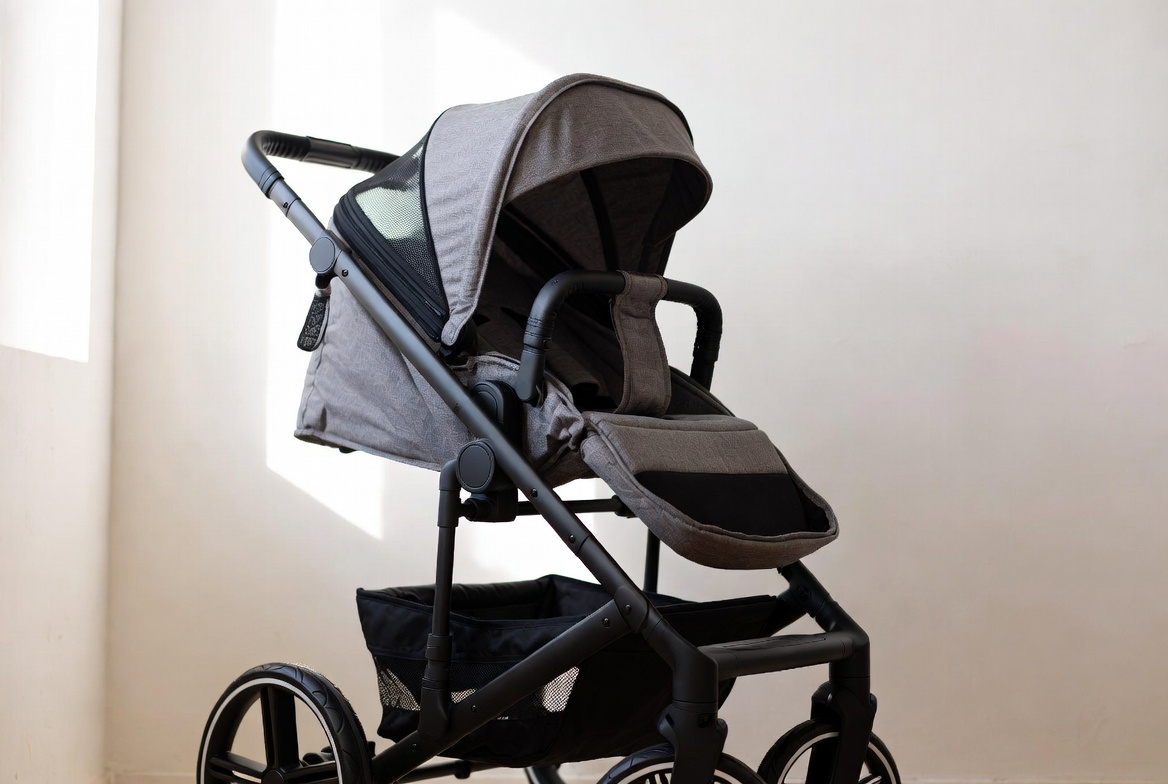
Baby Stroller: How to Choose the Perfect Match for Your Family
Becoming a parent is one of life’s greatest adventures, and let me tell you, choosing a baby stroller ranks right up there with some of the biggest decisions you’ll make. It’s not just about picking any stroller off the shelf. Think of it like selecting a reliable companion who’ll be with you through countless walks, errands, and adventures with your little one. The right stroller can make your life infinitely easier, while the wrong choice might leave you frustrated and regretful.
When my first child was born, I remember standing in the baby store, completely overwhelmed by the endless options. There were lightweight strollers, jogging strollers, travel systems, and everything in between. I didn’t know where to begin, and honestly, I made some mistakes. That’s why I’m writing this guide today—to help you navigate this important purchase with confidence and clarity.
Understanding Your Lifestyle and Needs
Before you even think about specific brands or models, you need to have an honest conversation with yourself about your lifestyle. What does your day-to-day look like? Are you someone who loves outdoor activities, or do you prefer staying close to home? Do you live in a city apartment or a suburban neighborhood? These questions matter more than you might think.
Your Living Environment Matters More Than You’d Expect
If you’re living in a densely populated urban area with tight apartment elevators and narrow doorways, a bulky stroller might become your biggest headache. Urban parents often find themselves wrestling with oversized strollers in crowded subways or trying to navigate narrow coffee shop aisles. On the other hand, if you’re in the suburbs with wide streets and spacious homes, you might have more flexibility with size and features.
City dwellers typically benefit from compact, lightweight strollers that fold easily and won’t take up half your apartment when stored. Suburban families might prioritize comfort features and durability over portability. The key is matching the stroller to your environment, not fighting against it every single day.
Assessing Your Activity Level and Routine
How active are you really? Be honest here. If you’re someone who goes for daily runs or hikes on weekends, a jogging stroller or all-terrain stroller becomes essential rather than a luxury. However, if your typical outing involves short trips to the grocery store or leisurely strolls around the park, a standard stroller will serve you perfectly well.
- Do you frequently use public transportation?
- Will you be traveling by plane with your stroller?
- Do you plan to use the stroller for multiple children?
- Will you be navigating stairs or rough terrain regularly?
These practical considerations should heavily influence your decision. I once knew a family who bought a premium jogging stroller only to realize they were too busy with work to use it more than once a month. Meanwhile, they struggled constantly with its bulk for their everyday errands.
Types of Baby Strollers Explained
Now let’s talk about the main categories you’ll encounter. Understanding these different types will help you narrow down your search significantly.
Standard or Full-Size Strollers
Standard strollers are the workhorses of the stroller world. They offer excellent suspension, spacious seating, large storage baskets, and generally impressive stability. These are your go-to choice if you want maximum comfort and features. They’re perfect for parents who do most of their outings locally and aren’t concerned about portability.
The downside? They’re typically heavier and bulkier. If you’re constantly folding and unfolding your stroller or storing it in tight spaces, a standard stroller might feel cumbersome. But if those factors don’t bother you, this category offers tremendous value and longevity.
Lightweight and Compact Strollers
These are the nimble athletes of the stroller category. Lightweight strollers are designed for parents who are always on the go—whether that’s navigating city streets, using public transportation, or traveling frequently. They fold down to almost nothing and weigh significantly less than standard models.
The trade-off is reduced features. You might have a smaller basket, less recline adjustment, or fewer under-seat storage options. But if convenience and portability are your priorities, the streamlined design is absolutely worth it.
Jogging Strollers
If you’re an active parent who loves running or trail walking, a jogging stroller is worth serious consideration. These specialized strollers feature larger wheels, superior suspension systems, and aerodynamic designs that make them suitable for vigorous activity. The fixed front wheel and wide wheelbase provide stability at higher speeds.
Here’s the thing though: jogging strollers aren’t ideal for casual shopping trips. They’re specialized equipment, similar to how you wouldn’t wear running shoes to a formal dinner. If you only occasionally jog with your baby, a standard stroller with good suspension might be a better all-around choice.
Travel Systems
Travel systems combine a stroller with a removable car seat, offering incredible convenience in those early months. You can click the infant seat directly into the stroller frame without waking your sleeping baby. This is genuinely life-changing when you’re managing a newborn.
However, travel systems tend to be bulkier and heavier, and you’re eventually going to outgrow the infant seat component. Many parents find that purchasing a high-quality standard stroller and a separate car seat offers better long-term value and flexibility.
Double and Multi-Child Strollers
Planning to have multiple children, or already managing more than one? Double strollers come in tandem (one seat behind the other) or side-by-side configurations. Side-by-side models offer easier interaction between children but are wider. Tandem models are narrower but can make it harder for an older child to see over a younger sibling.
Key Features to Evaluate Carefully
Now that you understand the main types, let’s dive into the specific features that genuinely matter. Not every feature is essential, but understanding what each one does helps you make informed compromises.
Wheel Quality and Terrain Capability
Wheels are absolutely foundational to your stroller experience. Large wheels generally roll more smoothly and handle varied terrain better than small wheels. If you’ll be navigating rough sidewalks, gravel paths, or grass, larger wheels are non-negotiable. They’re like the difference between cycling on a mountain bike versus a road bike—the wrong choice makes the journey miserable.
Consider whether you need:
- Swivel front wheels for maneuverability in tight spaces
- Fixed front wheels for stability on uneven terrain
- All-terrain wheels for off-road adventures
- Air-filled versus foam-filled tires (air-filled offer better suspension but can puncture)
Suspension System and Ride Comfort
A good suspension system makes a remarkable difference in your baby’s comfort and your pushing ease. Strollers with excellent suspension absorb bumps and vibrations, providing a smoother ride for your child. This matters more if you live in an area with less-than-perfect sidewalks or if you frequently walk on varied surfaces.
Some strollers use spring-based suspension, while others use shock-absorption technology. Both work well—it’s more about finding what feels smooth when you’re pushing it yourself.
Recline and Seating Position Options
How your baby sits in the stroller affects their comfort and your convenience. Most strollers offer multiple recline positions, from fully upright for older babies to nearly flat for newborns who need to lie down. This matters if your baby is particularly sensitive to position or if you plan to use the stroller for napping.
Some parents love the seat that goes fully flat, viewing it as essential for newborns. Others feel that an upright position is better for older babies’ development. Think about your preferences and your baby’s needs when evaluating this feature.
Storage and Basket Space
You’d be surprised how much you need to carry when you’re out with a baby. Diapers, wipes, bottles, extra clothes, snacks—it adds up quickly. A generous storage basket is genuinely practical, not just a bonus feature. If you’re doing grocery shopping or errands, you want a stroller with a large basket underneath.
However, if you’re primarily doing short walks and you have a diaper bag, a smaller basket might be perfectly sufficient. Be realistic about whether you’ll actually use that massive under-seat storage or if you’ll end up using a backpack anyway.
Weight and Folding Mechanism
How much does the stroller actually weigh, and can you fold it with one hand? These questions become incredibly important in daily use. If you’re constantly transferring between a car and store, or navigating stairs, a stroller that’s easy to fold and relatively lightweight changes everything.
Test the folding mechanism yourself if possible. Some strollers require a two-handed operation or have unintuitive folding systems that frustrate you every single time. Others fold smoothly with minimal effort. This seemingly small detail significantly impacts your satisfaction over months of use.
Budget Considerations and Value Assessment
Baby stroller prices range from under three hundred dollars to well over a thousand. So how much should you actually spend? The answer isn’t straightforward because value means different things to different families.
Premium Versus Budget Strollers
Expensive strollers offer superior build quality, premium materials, and often better suspension and components. If you plan to use the same stroller for multiple children or you’ll be using it extensively, investing in a quality model makes sense. You’ll spend less money overall compared to buying cheaper replacements.
However, budget strollers have improved dramatically in recent years. A mid-range stroller from a reputable brand often provides excellent value, offering good quality without the luxury price tag. You don’t necessarily need to spend a fortune to get a reliable stroller.
Resale Value Matters More Than You Think
Here’s something many first-time parents don’t consider: stroller resale value. Premium brands like certain European manufacturers hold their value remarkably well. If you purchase a quality stroller and later need something different, you might recover fifty to seventy percent of your investment by selling it online.
Budget strollers, unfortunately, don’t resell well. If you factor in the low resale value, that “cheaper” option suddenly becomes more expensive overall. Think about the complete cost equation, not just the initial price tag.
Testing Before You Buy
Never purchase a stroller without testing it in person if possible. Online reviews are helpful, but they can’t replicate how a stroller actually feels when you’re pushing it through a crowded store or over bumpy terrain.
What to Test During Your In-Store Visit
- Push the stroller around the store and notice how it handles
- Test the folding mechanism multiple times
- Sit in a chair and see how you access the storage basket
- Adjust the handle height if possible—does it feel comfortable for your height?
- Check the visibility—can your baby see out, or are they blocked by your view?
- Open and close the canopy to ensure it works smoothly
- Lift the stroller to assess the actual weight
This hands-on testing reveals details that no description or review can convey. You might fall in love with a stroller online only to discover it doesn’t feel right in person, or vice versa.
Safety Features Every Parent Should Know About
Beyond comfort and convenience, safety is paramount. Your stroller should meet safety standards and include protective features that give you peace of mind.
Essential Safety Components
A reliable brake system is non-negotiable. Test the brakes thoroughly before purchasing. They should lock firmly and prevent the stroller from rolling even on slight inclines. Some strollers have dual brake systems for added security.
A five-point harness system keeps your baby securely seated and prevents accidental tumbles. Ensure the harness adjusts easily and fits your growing baby properly. Your stroller should also have a stable, wide wheelbase that resists tipping.
Check that the stroller has been tested and certified by relevant safety organizations. This information is typically available in the product documentation or on the manufacturer’s website.
Seasonal and Climate Considerations
Where you live and what climate you experience dramatically affects stroller suitability. A stroller perfect for sunny California might be inadequate for snowy winters in Minnesota.
Hot Weather Stroller Needs
In warm climates, you want excellent ventilation and a canopy that provides substantial sun protection. Look for strollers with breathable seat fabrics and large, adjustable canopies that fully shade your baby. Some parents invest in separate canopy extensions or shade attachments for additional protection.
Cold Weather and Winter Considerations
If you live where winters are harsh, you need a stroller compatible with winter gear. Can you easily attach a weather shield? Will bulky winter clothing make it difficult for your baby to fit in the seat? Consider whether the stroller’s suspension and wheels handle snow and ice adequately, or if you’ll need a separate stroller for winter months.
Brand Reputation and Customer Service
When something goes wrong with your stroller—and something eventually will, whether it’s a wheel issue or a broken component—how well does the manufacturer respond? Brand reputation matters because it reflects the company’s commitment to their customers.
Research what other parents say about specific brands’ customer service. Do they replace defective parts quickly? Are replacement components readily available? A company that stands behind its products gives you confidence in your purchase.
Making Your Final Decision
After considering all these factors, you’re ready to make your decision. But before you finalize the purchase, ask yourself one final question: does this stroller align with my lifestyle and needs, or am I buying features I’ll never use?
The perfect stroller isn’t the most expensive one or the one with the most features. It’s the one that fits seamlessly into your life, making your days with your baby easier and more enjoyable. It’s the one you’ll actually use regularly without frustration.
Conclusion
Choosing the right baby stroller is a personal decision that depends on your unique lifestyle, living situation, budget, and priorities. There’s no universally perfect stroller—only the perfect stroller for you and your family. Start by honestly assessing your lifestyle and daily routines. Understand the different stroller types and their purposes. Evaluate features based on what actually matters to you, not on comprehensive checklists. Test strollers in person whenever possible, paying attention to how they feel rather than just how they look. Consider the long-term value proposition, including resale potential. Finally, prioritize safety features and choose a brand with a good reputation for customer service.
Remember, this investment will serve you through countless adventures with your little one. Take the time to get it right, and you’ll make parenting life so much easier. Your future self—the one pushing that stroller through your neighborhood on a sunny afternoon while your baby smiles contentedly—will thank you for making a thoughtful choice.
Frequently Asked Questions
At what age can a baby start using a stroller instead of a bassinet or car seat?
Most babies can start using a regular stroller seat around three to four months old, once their neck muscles are strong enough to support their head. However, many parents prefer travel systems with infant car seats for the first few months because they can keep their baby in the car seat for both car rides and stroller walks, minimizing disruption to their sleep. Always check your specific stroller’s guidelines
![10 Best Stroller For Baby [2026]](https://bestbabystrollerjudge.com/wp-content/uploads/2026/08/10-best-stroller-for-baby-2026-featured-768x432.jpg)
![10 Best Lightweight Baby Stroller [2026]](https://bestbabystrollerjudge.com/wp-content/uploads/2026/08/10-best-lightweight-baby-stroller-2026-featured-768x432.jpg)
3 Comments