How Old to Use an Umbrella Stroller?
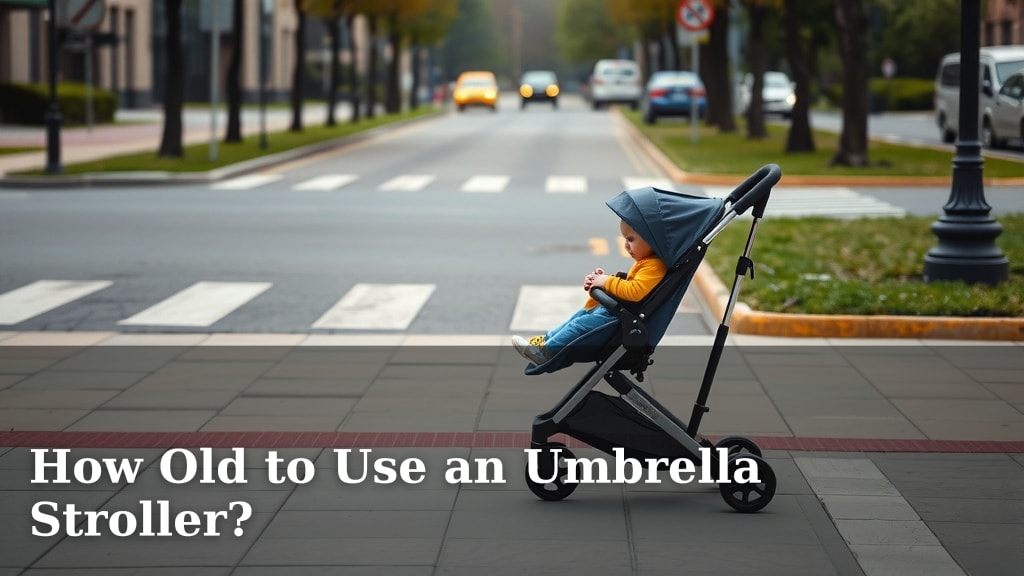
You can generally use an umbrella stroller when your child can **sit up unassisted**, typically around 6 months old. Always check the manufacturer’s specific weight and age guidelines for the model you choose. These strollers offer a lightweight way to get around with your little one.
Choosing the right stroller is a big decision for parents. Umbrella strollers are designed for convenience and portability. They are a great option for travel or quick trips when you don’t need all the features of a larger stroller. But knowing the right age is key for safety.
- Umbrella strollers are best for babies who can sit up independently.
- This is usually around 6 months of age.
- Always double-check the stroller’s manual for specific age and weight limits.
- Safety and proper support are the most important factors.
Let’s walk through exactly when your little one is ready for an umbrella stroller and what to look for.
When Can Your Little One Safely Use an Umbrella Stroller?
The answer usually comes down to one key developmental milestone: sitting up unassisted. Most babies achieve this around 6 months of age. So, if your little one can hold their head up and sit without tumbling over, they might be ready. It’s less about the exact calendar month and more about their physical readiness.
Think of it like this: an umbrella stroller typically doesn’t offer the full reclining support of a traditional stroller. Your baby needs to be strong enough to sit upright for a reasonable period. This ensures they aren’t slouching or struggling to breathe.
Understanding the “Sit Up Unassisted” Milestone
What does “sit up unassisted” really mean? It means your baby can balance themselves on their bottom. They can maintain an upright posture for at least a few minutes without needing you to prop them up. They’ll likely still wobble a bit, but they have good core strength.
You might notice your baby starting to do this during tummy time or when you’re holding them. They push up with their arms and lift their chest. Then, they start to experiment with sitting. This usually happens before they’re crawling or walking.
Signs Your Baby is Ready for More Upright Seating
Look for these cues that signal your baby’s readiness:
- Strong Head and Neck Control: They can hold their head steady and follow moving objects with their eyes.
- Pushing Up During Tummy Time: They lift their chest high, showing good upper body strength.
- Attempting to Sit: They might lean forward on their hands or arch their back to try and balance.
- Interest in Their Surroundings: They want to see what’s going on and will try to sit up to get a better view.
Beyond 6 Months: Other Factors to Consider
While 6 months is a common guideline, it’s not the only thing to check. You also need to look at the stroller itself. Every umbrella stroller is designed a bit differently. Some might offer a little more support than others.
The manufacturer’s recommendations are your best friend here. They test their products thoroughly. So, their age and weight limits are there for a very good reason: your child’s safety and comfort.
Checking the Stroller’s Manual is Key
Before you even think about putting your baby in a new umbrella stroller, grab that manual. It will clearly state the minimum age and weight requirements. It might also mention specific features, like whether the seat reclines or if a head support insert is needed for younger babies.
This manual is the **ultimate guide** for your specific stroller model. Don’t guess or assume. What works for one umbrella stroller might not work for another. It’s a small step that makes a big difference in safety.
Weight Limits: Equally Important as Age
Just as crucial as the age is the weight limit. Even if your baby is 7 months old but weighs more than the stroller can safely handle, it’s not a good match. An overloaded stroller can be unstable. This could lead to tipping or difficulty maneuvering.
Always err on the side of caution. You’ll find weight limits clearly listed. Make sure your baby is well within that range. This ensures the stroller performs as intended and keeps your little one secure.
When is an Umbrella Stroller NOT the Right Choice?
So, we’ve talked about when they *are* ready. But what if your baby isn’t quite there yet? If your baby is still a newborn or premature, an umbrella stroller is likely not suitable. Newborns need a flat, supportive surface to lie on. This helps with breathing and spinal development.
Many umbrella strollers do not offer a full recline. They also may lack adequate head and neck support for a tiny infant. For this stage, a bassinet attachment on a larger stroller or a car seat that clicks into a travel system is a better, safer option.
Babies Who Need Extra Support
Even if your baby is around 6 months, but seems a bit wobbly or has specific physical needs, take extra care. Some babies need more time to develop their core strength. If your pediatrician has any concerns about your baby’s muscle tone or development, always consult them first.
You might also consider strollers with added features if your baby struggles with sitting upright. Look for models that offer adjustable back support or padded inserts. It’s all about ensuring your child is comfortable and safe.
Benefits of Using an Umbrella Stroller at the Right Age
When your baby is ready, umbrella strollers are fantastic! They are incredibly lightweight and easy to fold. This makes them perfect for quick trips to the grocery store or for travel. Think airport security lines or navigating crowded sidewalks.
Their slim design means they are easy to store at home. They tuck away neatly in a closet or car trunk. Plus, many are quite durable and can handle regular use. It’s all about that **convenience factor** for busy parents on the go.
Making the Switch: A Checklist for Readiness
Here’s a quick rundown to help you decide if it’s time:
- Can your baby sit independently for several minutes?
- Does your baby have good head and neck control?
- Have you checked the stroller’s specific age and weight limits?
- Does the stroller offer adequate seating support for your baby’s size?
- Are you planning short trips where a lightweight stroller is ideal?
- Have you consulted your pediatrician if you have any developmental concerns?
If you can confidently answer yes to most of these, your little one is likely ready to enjoy the ease and simplicity of an umbrella stroller!
Conclusion
Knowing when your little one is ready for an umbrella stroller is all about their development. The key milestone is being able to sit up unassisted, usually around 6 months. Always remember to check your stroller’s specific age and weight limits. These guidelines are there to ensure your baby is safe and comfortable. When your child is ready, an umbrella stroller offers fantastic convenience for quick trips and travel. Make the switch when your baby shows those signs of readiness, and enjoy the ease it brings to your busy life!
Frequently Asked Questions
Can a newborn use an umbrella stroller?
No, a newborn should not use a standard umbrella stroller. Newborns need a flat, supportive surface for proper breathing and spinal development. Most umbrella strollers lack this full recline and head support, making them unsuitable for infants under 6 months.
What if my baby can sit up but isn’t 6 months old yet?
While 6 months is a common guideline, your baby’s individual development is more important. If your baby can reliably sit up unassisted, has good head and neck control, and you’ve checked the stroller’s manual for lower age recommendations, they might be ready.
Are all umbrella strollers the same regarding age limits?
Not at all. While the “sit up unassisted” milestone is a general rule, each umbrella stroller model has its own specific age and weight restrictions. Always consult the manufacturer’s manual for your exact stroller model.
How do I know if my baby has good enough head and neck control for an umbrella stroller?
Your baby should be able to hold their head steady without wobbling and turn their head to look at things. They will also be able to push up during tummy time, demonstrating strong upper body strength needed to maintain an upright posture.
What’s the biggest risk of using an umbrella stroller too early?
The main risk is that your baby won’t have adequate support. This can lead to slouching, which can make breathing difficult. It can also strain their developing spine. Furthermore, an unsupported baby is more likely to be uncomfortable and fussy.
![10 Best Baby Stroller Singapore [2026]](https://bestbabystrollerjudge.com/wp-content/uploads/2026/08/10-best-baby-stroller-singapore-2026-featured-768x432.jpg)