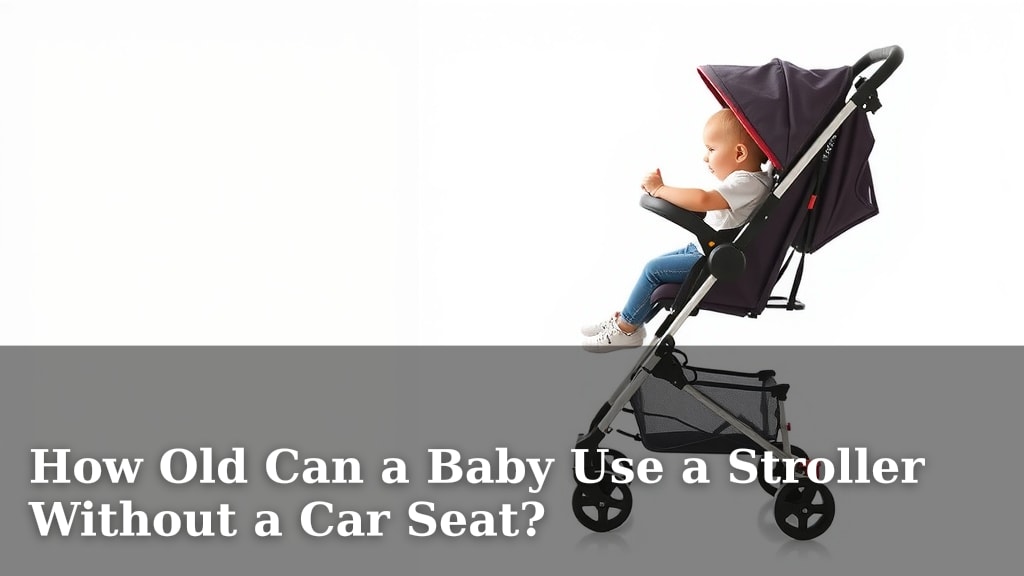
How Old Can a Baby Use a Stroller Without a Car Seat?
You can typically stop using a car seat in a stroller once your baby reaches a certain age or size. Most strollers are designed for infants from birth up to around 6 months to 1 year. After this point, your baby can usually sit up unassisted and might be ready for a stroller seat without the car seat attachment.
It’s important to know when your little one has outgrown their infant car seat for stroller use. Factors like their ability to hold their head up and support their body are key indicators. Transitioning too early or too late can impact your baby’s comfort and safety.
- Your baby can usually use a stroller without a car seat after about 6 months.
- Look for signs your baby can sit up well on their own.
- Check your specific stroller and car seat weight limits.
- Always ensure your baby is secure in the stroller harness.
Let’s walk through exactly when and how to make that transition safely for your growing adventurer.
When to Transition Your Baby Out of a Car Seat on the Stroller
You’re probably wondering when your little adventurer is ready to ditch the car seat attachment on your stroller. It’s a common question for parents! Most babies can start using the regular stroller seat around 6 months of age. This is often when they begin to meet key developmental milestones.
Developmental Readiness: The Key Indicators
The biggest factor is your baby’s ability to sit up independently. Before they can hold their head steady and support their torso, they need the snug, secure embrace of an infant car seat. This is because the car seat offers proper neck and back support.
Head and Neck Control
Can your baby hold their head up without wobbling? This is a huge sign they are getting stronger. Many pediatricians suggest waiting until your baby has consistent head control for at least a few months. This typically happens around the 4-6 month mark.
Sitting Up Independently
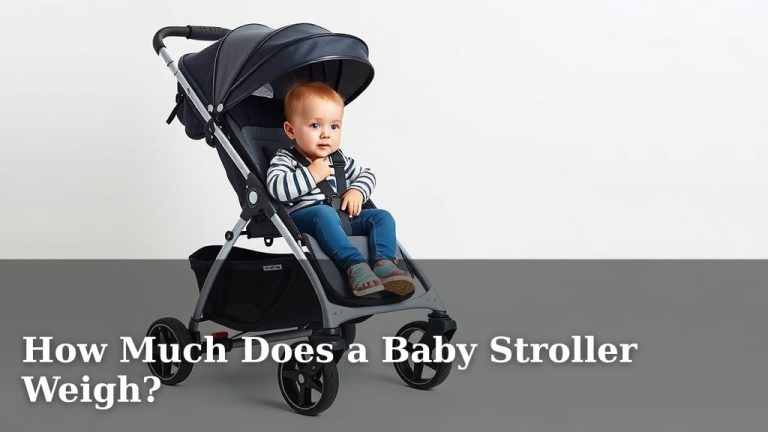
This is the golden ticket! When your baby can sit upright for a decent amount of time without toppling over, they are likely ready for the stroller seat. They don’t need to be perfectly upright like an adult, but they should be able to maintain a seated position with good posture. This usually develops between 6 and 9 months of age.
What Experts Recommend
The American Academy of Pediatrics suggests that babies can transition to a stroller seat once they have adequate head and trunk control. This means they can sit up well on their own. They also stress that while the car seat is great for travel, it’s not ideal for extended periods of sitting for infants. It’s important for development that babies have time to sit in more upright positions.
Understanding Your Stroller and Car Seat Limits
Beyond your baby’s development, your stroller and car seat themselves have important weight and age limits. These are not suggestions; they are safety guidelines. Ignoring them can put your baby at risk.
Car Seat Specifics
Infant car seats have weight and height maximums. Once your baby reaches these limits, they have outgrown the car seat entirely. This might happen before they are developmentally ready to sit in the stroller seat. In such cases, you’d move to a convertible car seat installed in your vehicle. But for stroller use, you’d still need to wait until they can sit unsupported.
Stroller Seat Weight Limits
Most stroller seats are designed for older babies and toddlers. They typically have higher weight limits than infant car seats. You’ll find these details on a tag on your stroller or in the user manual. Always check these numbers to ensure you are using the stroller safely. Exceeding these limits can affect the stroller’s stability.
The “Snap-In” Transition
Many strollers have a travel system feature. This allows you to click your infant car seat directly onto the stroller frame. This is super convenient for those early months. However, remember that your baby is still inside the car seat, so the car seat’s limitations apply. You’ll know it’s time to transition when your baby outgrows the car seat or is developmentally ready to sit in the stroller seat itself.
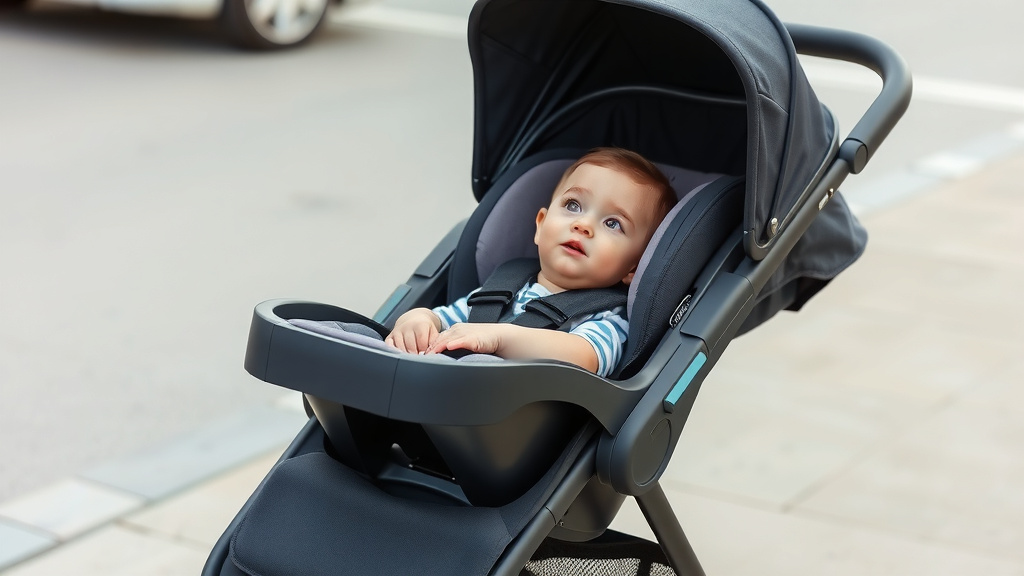
Making the Switch: Practical Tips for a Smooth Transition
Transitioning your baby to the regular stroller seat can feel like a big step. Here are some tips to make it easier and safer for everyone.
Start Gradually
Don’t feel like you have to jump straight into a long outing. Start with short trips around the block or to the grocery store. This allows your baby to get used to the new seating position. You can also start with the seat reclined and gradually increase the upright position as they get more comfortable.
Prioritize Comfort and Support
Even if your baby can sit up, they might still need some extra support. Many stroller seats have padded inserts or recline options that can help. Ensure the harness is snug and your baby is secure. A good harness system is essential for safety in any stroller.
Observe Your Baby’s Cues
Your baby will tell you if they are uncomfortable! Watch for signs of fussiness, leaning forward excessively, or trying to get out of the seat. If they seem unhappy or tired, it might be time for a break or to adjust their position.
Checklist for Transitioning
Here’s a quick checklist to help you decide if your baby is ready:
- Baby consistently holds their head and neck steady.
- Baby can sit independently for several minutes without slumping.
- Baby meets the minimum age recommendation for the stroller seat.
- Baby has not reached the weight or height limit of their infant car seat.
- You have reviewed your stroller’s user manual for specific guidelines.
- Your baby seems comfortable and content in the upright position.
A Little Something to Keep in Mind
Think of it like learning to walk. Your baby doesn’t just get up and run a marathon. They take wobbly steps first. Your baby’s transition to a stroller seat is similar. They might need some adjustments and a bit of practice to feel completely at home. Patience is key!
Conclusion
Transitioning your baby from a car seat on the stroller to the main stroller seat is a milestone. It’s a sign of your little one’s growth and development. Remember to look for key signs like consistent head and neck control and the ability to sit up independently. Always check the weight and height limits for both your car seat and stroller. By prioritizing your baby’s comfort and safety, you can confidently make this exciting switch. Enjoy these new adventures together!
Frequently Asked Questions
How do I know if my baby is truly ready to sit in the stroller without a car seat?
Your baby is likely ready when they can sit up independently for at least a few minutes without slumping. They should also have good head and neck control, meaning they can hold their head steady without support. Watching for these developmental cues is key.
What if my baby meets the age but not the developmental milestones for the stroller seat?
Developmental readiness is more important than age alone. If your baby isn’t sitting up well or lacks head control, continue using the car seat on the stroller. Pediatricians recommend waiting until they can support themselves properly to avoid strain and ensure safety.
Can I use a bassinet attachment on my stroller instead of a car seat?
Yes, many strollers offer bassinet attachments that provide a flat, supportive surface for newborns. These are often suitable from birth up to a certain weight limit, providing an alternative to a car seat when the stroller is not part of a travel system.
Is there a maximum age a baby can use a car seat with a stroller?
Typically, the age limit for using a car seat with a stroller is around 6 months to a year, or until your baby outgrows the car seat’s weight or height limit. The main factor is when they can sit up unsupported, not just a specific age.
What should I do if my baby seems uncomfortable in the upright stroller seat?
If your baby seems fussy or leans excessively, try adjusting the seat to a more reclined position. Ensure the harness is snug and well-adjusted. Sometimes, shorter outings and gradual introductions help babies adjust to the new seating position.