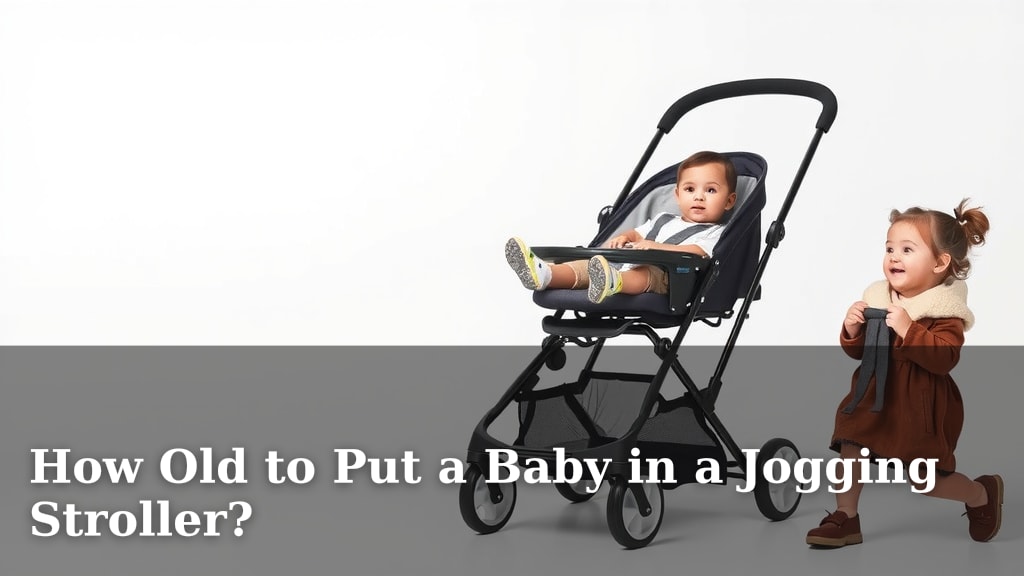
How Old to Put a Baby in a Jogging Stroller?
Wondering when your little one can join you on those energetic jogs? You can typically put a baby in a jogging stroller once they can **sit up unassisted**, which is usually around 6 months old. Some strollers might allow for younger infants with a special insert, but the general rule prioritizes your baby’s neck and head strength.
Before you hit the pavement, it’s essential to know the safety guidelines. Jogging strollers are designed for more than just casual strolls. They offer better suspension and larger wheels for bumpy terrain. Your baby needs to be able to hold their head up to handle the motion of jogging.
- Babies usually need to sit up unassisted before jogging.
- This is typically around 6 months of age.
- Always check your stroller’s specific manual.
- Some strollers offer special infant inserts for younger babies.
Let’s get into the details about making jogging stroller rides safe and comfortable for your baby.
“`htmlWhen Can Your Baby Safely Ride in a Jogging Stroller?
You’re eager to get back to your fitness routine, and that includes bringing your little one along. But when is the right time for your baby to experience the thrill of a jogging stroller? The general consensus among experts and stroller manufacturers is that your baby needs to be able to sit up unassisted. This milestone typically occurs around the 6-month mark.
Why the wait? A baby’s neck and head muscles are still developing in the early months. A jogging stroller, with its greater speed and potential for bumps, requires a baby to have sufficient core strength and head control to manage the movement. Forcing a baby who isn’t ready into a jogging stroller can pose a risk to their developing spine and neck. Always consult your pediatrician if you have concerns about your baby’s development.
Understanding the Difference: Standard vs. Jogging Strollers
It’s important to understand that jogging strollers aren’t just souped-up versions of your everyday stroller. They are engineered for a specific purpose: to provide a stable and relatively smooth ride during higher-impact activities like jogging or running.
Key Features of Jogging Strollers
What sets them apart? You’ll notice a few distinct features:
- Larger Wheels: Typically three, with the front wheel often locking for stability or swiveling for maneuverability at slower speeds.
- Suspension System: This is a big one! Jogging strollers have suspension to absorb shocks from uneven surfaces.
- Hand Brake: Many models include a hand brake for better control on downhill slopes.
- Ergonomic Handlebars: Designed for comfort during longer runs.
Why These Features Matter for Your Baby
These design elements are precisely why a baby needs to be more developed to ride in one. The suspension and larger wheels help, but the motion is still more vigorous than a leisurely walk. Your baby’s ability to support their own head and trunk is key to preventing jarring movements from affecting them negatively.
Assessing Your Baby’s Readiness for the Jog
So, how do you know for sure if your little one is ready? It’s more than just hitting a certain age.
The “Sit Up Unassisted” Benchmark
This is the gold standard. Can your baby sit upright on their own for several minutes without toppling over? This indicates they have the necessary trunk and neck strength to handle the motion of jogging. Think of it like this: if they can sit independently on the floor without a prop, they’re likely developing the strength needed for a stroller.
Head Control is Key
Watch how your baby handles being held upright. Do they keep their head steady, or does it flop around? Good head control means they can manage the subtle shifts in balance and position that occur when you’re running. This strength helps them stay stable and comfortable.
Checking the Stroller’s Manual
Every stroller is a little different. Your jogging stroller’s manual is your best friend here. It will detail the manufacturer’s specific recommendations for age and weight limits. Some high-end models may offer specialized bassinet attachments or infant car seat adapters that allow for younger babies, but this is not standard. Always prioritize the manufacturer’s guidelines.
Infant Inserts and Adapters: What You Need to Know
You might see accessories designed for younger babies. These can be a game-changer for some families.
What Are Infant Inserts?
These are padded inserts that provide extra support and create a more cocoon-like environment for younger infants. They help to cradle the baby and offer additional head and neck support. Many are designed to position the baby in a more reclined or semi-reclined position, which can be safer for those still developing head control. Research has shown that a reclined position can reduce pressure on a baby’s airway (CDC).
Using Car Seat Adapters
Some jogging strollers allow you to click in a compatible infant car seat using an adapter. This is a popular option because your baby remains securely in their car seat. However, it’s crucial to note that prolonged time in an infant car seat is not recommended for newborns. Experts suggest limiting car seat time to 1-2 hours per day to prevent positional asphyxiation and allow for proper physical development (American Academy of Pediatrics).
If you use an adapter, keep your outings relatively short. As soon as your baby can sit up independently, it’s generally better to transition them to the stroller seat itself, often with the insert for added comfort and support.
Safety First: Essential Checks Before You Jog
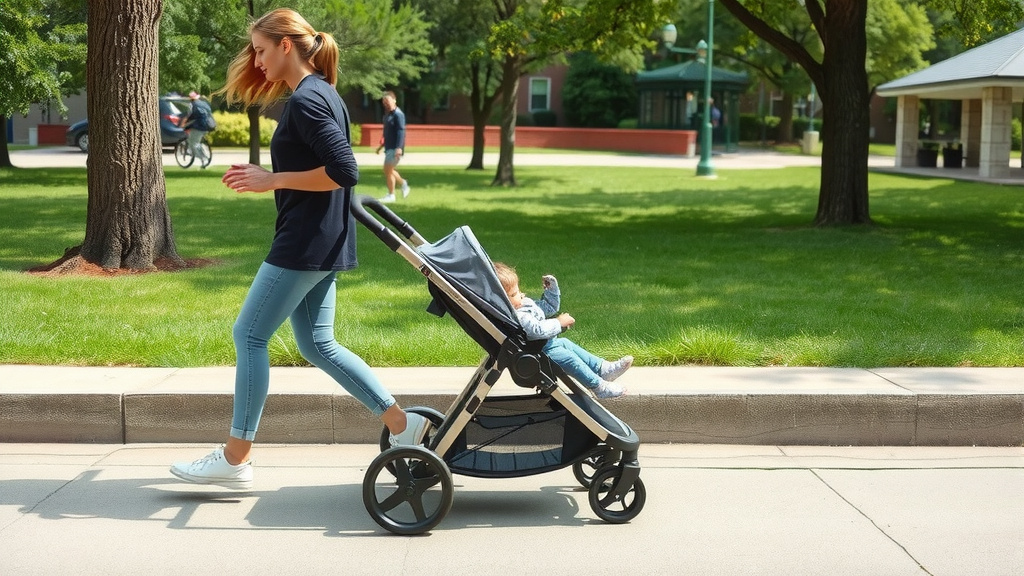
Once you’ve determined your baby is ready and you have the right stroller, there are a few final checks to make your jogging adventures safe and sound.
The 5-Point Harness is Non-Negotiable
This is your most important safety feature. Ensure the harness is snug but not too tight. You should be able to fit two fingers between the harness straps and your baby’s shoulders or hips. The straps should lie flat and not be twisted. A loose harness offers no real protection.
Locking the Front Wheel
For jogging, you’ll almost always want to lock the front wheel straight. This provides stability and prevents the stroller from veering unpredictably on uneven surfaces. If your stroller has a swiveling front wheel, only use that feature for walking or slow maneuvering.
Check Brakes and Suspension
Before each outing, give the brakes a test run to ensure they engage properly. Feel the stroller’s suspension – does it seem to absorb impact reasonably well? A stroller that feels overly stiff might not be ideal for your baby’s comfort.
Consider the Environment
Think about your running route. Are there a lot of curbs to hop? Deep potholes? Steep hills? Stick to smoother, well-maintained paths when you’re starting out. Also, be mindful of the weather. Extreme heat or cold can be dangerous for infants. Ensure your baby is dressed appropriately and has sun protection.
Your Baby’s Comfort is Paramount
Listen to your baby! If they seem distressed, uncomfortable, or fussy during a jog, it might be a sign they aren’t enjoying it or are feeling the bumps too much. Don’t push it. A happy baby makes for a much more enjoyable run for both of you.
Jogging Stroller Checklist for Baby’s First Ride
Ready to roll? Here’s a quick checklist to ensure everything is perfect:
- Baby can sit up unassisted.
- Baby has good head and neck control.
- Jogging stroller manual reviewed for age/weight limits.
- 5-point harness is properly adjusted and snug.
- Front wheel is locked for jogging.
- Brakes are tested and functioning.
Conclusion
You’re ready to get back to your runs with your little one in tow! Remember, the key is waiting until your baby can sit up unassisted, typically around 6 months old. Always consult your stroller’s manual for specific guidelines and ensure your baby has adequate head and neck strength. Prioritize safety with the 5-point harness and a locked front wheel. Your next step is to review your stroller’s manual one last time and schedule that first short, scenic jog!
Frequently Asked Questions
Can I use a jogging stroller for my newborn?
Generally, no. Newborns lack the head and neck control needed for a jogging stroller. While some models offer special inserts or car seat adapters, prolonged time in an infant car seat isn’t recommended, and your baby must still meet the “sit up unassisted” milestone for the stroller seat.
What if my baby can sit up but still seems wobbly?
If your baby can sit up independently for a few minutes but still appears unsteady, it’s best to wait a bit longer. Good, consistent head and trunk control is essential to prevent jarring movements from affecting their developing spine and ensure their comfort.
Are infant inserts safe for younger babies in jogging strollers?
Infant inserts can offer extra support and a more secure feeling for younger babies in the stroller seat, often positioning them more reclined. However, they do not replace the need for adequate head and neck strength, and you should always check the stroller manufacturer’s recommendations.
How long should my baby’s first jogging stroller ride be?
Start with short outings, around 15-20 minutes. Pay close attention to your baby’s cues. If they seem fussy or uncomfortable, it’s time to head home. Gradually increase the duration as your baby gets used to the motion.
What’s the difference between a jogging stroller and a regular stroller for babies?
Jogging strollers have larger wheels, better suspension, and often a fixed or lockable front wheel for stability at speed. Regular strollers are designed for slower, smoother terrain. These differences make jogging strollers require a baby with more developed core and neck strength to handle the more vigorous motion.
![10 Best Car Seat Stroller Combo That Grows With Baby [2026]](https://bestbabystrollerjudge.com/wp-content/uploads/2026/08/10-best-car-seat-stroller-combo-that-grows-with-baby-2026-featured-768x432.jpg)
![10 Best Off Road Baby Stroller [2026]](https://bestbabystrollerjudge.com/wp-content/uploads/2026/08/10-best-off-road-baby-stroller-2026-featured-768x432.jpg)