
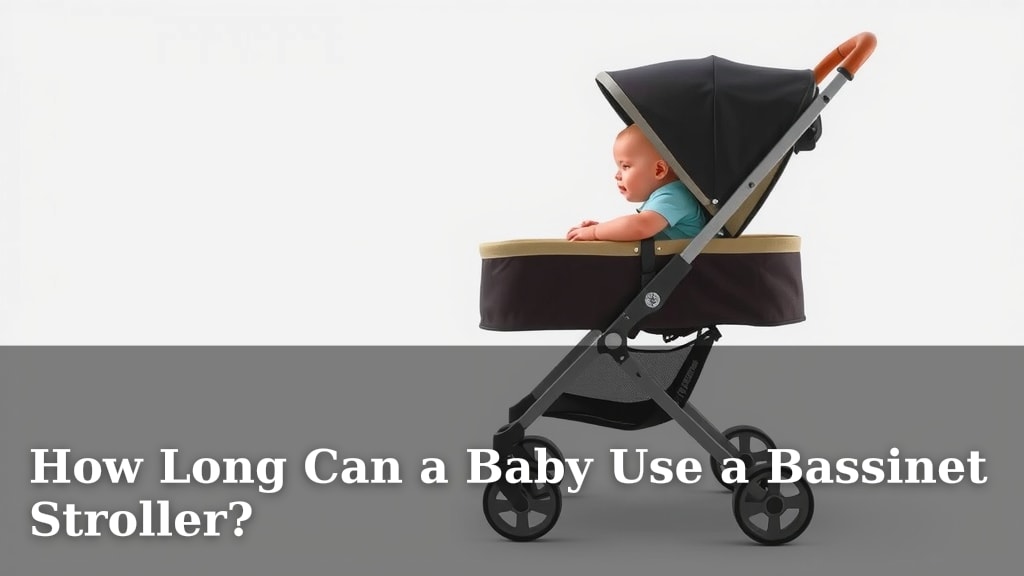
How Long Can a Baby Use a Bassinet Stroller?
A baby can typically use a bassinet stroller attachment until they reach about 20 pounds or 6 months old. This is when they usually start to roll over or push up on their hands and knees. Safety is the top priority, so checking your stroller’s specific weight and age limits is essential.
While the bassinet offers a cozy, flat surface for newborns, it’s important to transition your child to a standard stroller seat when they outgrow it. This ensures they are safely and comfortably supported as they grow and become more mobile. You’ll want to monitor their development closely for signs they’re ready for the change.
- Bassinet strollers are best for newborns up to 20 lbs or 6 months.
- Always check your stroller’s specific weight and age limits.
- Transition to a regular seat when your baby shows signs of rolling over.
- Safety and proper support are key as your baby grows.
We understand you want the best for your little one. Let’s look closer at how long your baby can safely enjoy their bassinet stroller attachment.
Your Baby’s Bassinet Stroller Timeline
You’re probably wondering about the lifespan of your baby’s bassinet stroller attachment. It’s a great question for any parent looking to maximize the use of their gear. Most bassinets are designed for the earliest stages of your baby’s life. They offer a cozy, flat sleeping space that’s ideal for newborns.
When Do Babies Outgrow Their Bassinet Stroller?
Generally, a bassinet stroller attachment is suitable for your baby until they reach about 20 pounds. You can also look at it from an age perspective, which is typically around 6 months old. These are the most common limits found across many brands. It’s like a tiny bed on wheels, perfect for those first few months.
Weight Limits: A Hard Number
The weight limit is usually the first thing to check. Manufacturers set these limits for a reason. Exceeding them can make the stroller unstable and unsafe. We found that most bassinets top out around 20 pounds. Always double-check the specific weight limit for your stroller model. It’s usually printed on a tag or in the manual.
Age Milestones: When Mobility Takes Over
Beyond weight, your baby’s development plays a huge role. Babies usually start to become more mobile around 6 months. This is when they might begin to roll over, push themselves up, or try to sit independently. These milestones mean they are outgrowing the confines of the bassinet. It’s a sign they need more room and better support.
Signs Your Baby is Ready to Transition
You’ll know it’s time to move on from the bassinet when you see certain changes in your baby. These are natural developmental leaps. They’re not a negative thing; they’re a sign of a healthy, growing baby!
The Rolling Over Indicator
The most common sign is when your baby starts to roll over. Whether it’s from back to tummy or tummy to back, this movement can be dangerous in a bassinet. They could tip themselves or get stuck. Safety experts highly recommend stopping bassinet use once rolling begins (CDC).
Pushing Up and Sitting Up
Another clear sign is when your baby starts to push up on their hands and knees. They might be working towards crawling. They might also be able to sit up with support or even by themselves. These actions show they need a seat that can accommodate their growing strength and mobility.
Discomfort or Restlessness
Sometimes, your baby will tell you themselves. If they seem fussy or uncomfortable in the bassinet, it might be too small. They might not have enough room to stretch out or change positions. This is their way of communicating that they’ve outgrown this cozy space.
Maximizing Your Bassinet Stroller’s Usefulness
While the bassinet is fantastic for newborns, it’s a temporary solution. Here’s how you can get the most out of it while it’s still suitable for your little one.
Understanding the “Why” Behind Bassinets
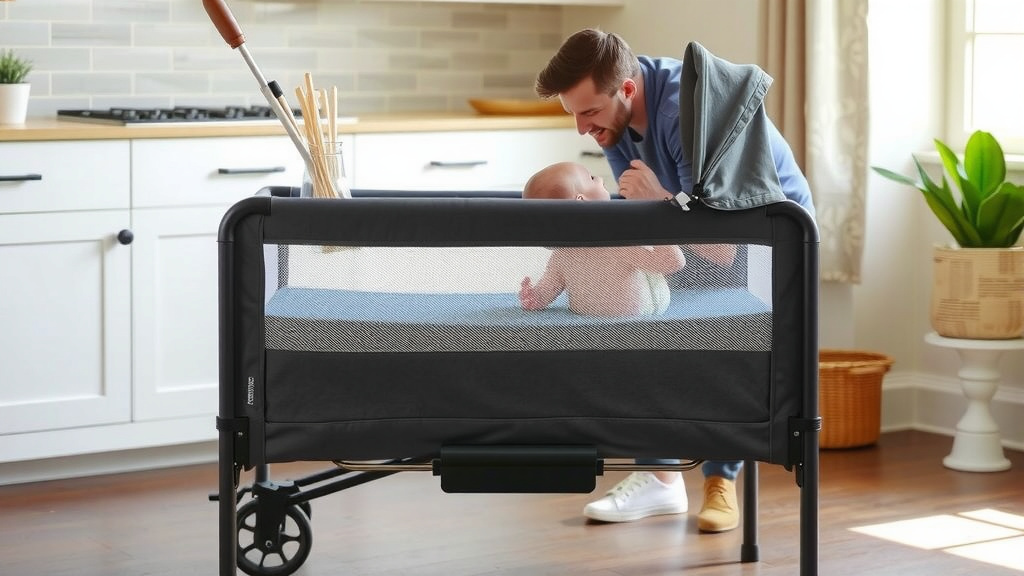
Bassinets offer a lie-flat surface. This is considered the safest sleeping position for young infants. It helps with proper spinal alignment and breathing. It also keeps your baby close and comfortable during those early months. It’s like a portable bassinet that attaches to your stroller frame.
When to Switch to the Standard Stroller Seat
Once your baby has passed the bassinet’s weight limit or is showing those developmental signs, it’s time to switch. Most strollers convert easily from bassinet mode to a standard seat. The standard seat usually offers more adjustability and support for older babies and toddlers.
The standard seat often allows for multiple recline positions. It also has a harness system to keep your baby secure. This is essential as they become more active. We found that transitioning can be done gradually if you want. Some seats can even face the parent, which can be comforting for babies used to the closeness of the bassinet.
What to Look For in a Toddler Stroller Seat
When you make the switch, look for features that will keep your older baby safe and comfortable. A secure five-point harness is a must. Adjustable footrests and recline options are also great. They allow you to customize the seat to your child’s needs as they grow.
Safety First: The Harness System
The harness is your main tool for safety. A five-point harness secures your child at the shoulders, waist, and between the legs. This prevents them from climbing out or falling. Always ensure it’s snug but not too tight.
Comfort for Longer Rides
As your child gets bigger, they’ll enjoy longer outings. A seat with adjustable recline positions is a big plus. It allows for naps on the go. An adjustable footrest can also make them more comfortable. It supports their legs as they grow.
Checklist: Transitioning Your Baby to the Stroller Seat
Here’s a quick checklist to help you decide when to make the switch:
- Baby weighs over 20 pounds.
- Baby is 6 months old or older.
- Baby can consistently roll over.
- Baby is pushing up on hands and knees.
- Baby shows signs of wanting more freedom to move.
- Baby seems cramped or uncomfortable in the bassinet.
| Feature | Bassinet Attachment | Standard Stroller Seat |
|---|---|---|
| Best For | Newborns (0-6 months) | Babies 6+ months and toddlers |
| Surface Type | Flat, firm mattress | Seat with harness support |
| Mobility Support | Limited; for resting | Accommodates sitting, moving |
| Weight Limit | Typically 20 lbs | Much higher (e.g., 40-50 lbs) |
| Safety Feature | Bassinet walls | Five-point harness |
Making the transition from a bassinet to a standard stroller seat is a natural part of your baby’s growth. By paying attention to weight limits and developmental cues, you ensure your child is always safe and comfortable during your adventures together.
Conclusion
You’ve learned that your baby’s bassinet stroller attachment is a wonderful, safe space for their first few months. Generally, it’s suitable until they reach about 20 pounds or 6 months old. Always remember to check your specific stroller’s manual for exact limits. Watch for key developmental signs like rolling over, pushing up, or signs of discomfort. These indicate it’s time to transition to the standard stroller seat. Making this switch ensures your child continues to be secure and comfortable on all your adventures. Prioritize safety and your baby’s developmental milestones when making this important change.
Frequently Asked Questions
What if my baby is under 20 pounds but can roll over?
If your baby can consistently roll over, even if they haven’t reached the weight limit, it’s time to transition. Rolling poses a safety risk in a bassinet, as they could potentially tip themselves over or get stuck. Always prioritize safety milestones over weight limits when deciding.
Can I use a bassinet stroller attachment for overnight sleeping?
While bassinets offer a flat surface, they are generally not recommended for unsupervised overnight sleep outside of your stroller’s frame. Always refer to your stroller manufacturer’s guidelines. For dedicated overnight sleep, a crib or bassinet designed for that purpose is the safest option.
How do I know if the standard stroller seat is safe for my baby?
Ensure the standard stroller seat has a secure five-point harness that fits snugly. Look for adjustable recline options for comfort and check that the weight limit for the seat is appropriate for your child’s current weight. Always confirm it meets current safety standards.
My baby seems a bit cramped in the bassinet. What should I do?
If your baby appears uncomfortable, fussy, or can no longer stretch out fully in the bassinet, it’s a strong signal they’ve outgrown it. This discomfort, even before reaching weight or age limits, means it’s time to switch to the more spacious stroller seat for their well-being.
What if I want to use the bassinet for a second child later?
Most bassinet attachments are durable if cared for properly. Store it clean and dry in a place protected from extreme temperatures and moisture. Check your stroller manual for any specific storage recommendations to ensure it remains safe and functional for future use.
![10 Best Affordable Lightweight Baby Stroller [2026]](https://bestbabystrollerjudge.com/wp-content/uploads/2026/09/10-best-affordable-lightweight-baby-stroller-2026-featured-768x432.jpg)
![10 Best Stroller For Toddler And Baby [2026]](https://bestbabystrollerjudge.com/wp-content/uploads/2026/08/10-best-stroller-for-toddler-and-baby-2026-featured-768x432.jpg)