
How Old Until a Baby Can Sit in a Stroller?
Your baby can sit in a stroller once they have good head and neck control. For most babies, this happens around 4 to 6 months old. You might be eager to get out and about, and a stroller is a great way to do that. Just make sure your little one is ready first.
Before that milestone, a bassinet attachment or a car seat is usually the best option. These provide the necessary support for newborns. Waiting until your baby can sit unassisted ensures their safety and comfort in a standard stroller seat. We’ve gathered key information to help you decide.
- Most babies are ready for a regular stroller seat around 4-6 months.
- Look for good head and neck control as the main sign.
- Newborns need a bassinet or car seat for proper support.
- Always check your stroller’s specific age and weight guidelines.
Let’s walk through exactly when and how your baby can safely enjoy a stroller ride.
When Can Your Baby Safely Ride in a Stroller?
You’re likely excited to get out and about with your little one. A stroller makes it so much easier! But when exactly can your baby ditch the car seat or bassinet and sit up in a standard stroller seat? The key is head and neck control. Most babies develop this around 4 to 6 months of age. This is when their muscles are strong enough to support themselves.
Understanding Baby’s Development for Stroller Use
The Importance of Head and Neck Control
Think about it: can your baby hold their head up steadily without wobbling? If their head flops forward, backward, or to the side when you hold them, they aren’t ready for a regular stroller seat. This control is essential for breathing and prevents their chin from resting on their chest, which can restrict airflow. Experts agree this is the primary milestone to watch for (American Academy of Pediatrics).
Why Newborns Need Extra Support
Newborns are simply too fragile for a standard stroller seat. Their necks aren’t strong enough to hold their heads up. A stroller seat’s recline might not be enough to keep their airway open. That’s why options like a bassinet attachment or a compatible infant car seat are so important for the first few months. These provide a flat or nearly flat surface and secure support.
Signs Your Baby is Ready for a Standard Stroller Seat
Physical Milestones to Look For
Beyond just holding their head up, you might notice other signs. Your baby can likely push themselves up on their arms when they are on their tummy. They might also be able to sit with a little support for short periods. These actions show developing core strength and coordination. If your baby is consistently showing good head and neck stability, they are a good candidate.
Testing Their Sitting Ability
You can gently test their readiness. Try sitting your baby on your lap or a stable surface. See if they can maintain an upright position without much wiggling or support. Can they look around without their head falling? If they seem sturdy and secure, they’re likely ready. Always remember that every baby develops differently, so focus on your child’s specific progress.
Stroller Options for Different Stages
Newborn Essentials: Bassinets and Car Seat Adapters
For those first few months, your stroller needs to be more like a cozy, safe bed. A bassinet attachment offers a fully flat and enclosed space. It’s perfect for naps on the go. Infant car seats click into adapters, making transitions from car to stroller super easy. This keeps your baby securely supported without needing head control.
Transitioning to the Standard Seat
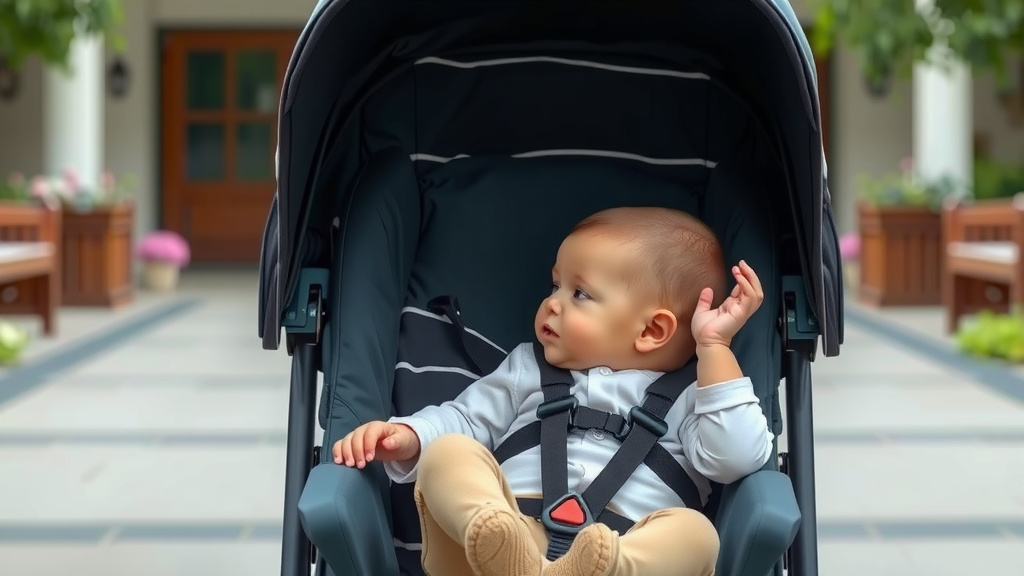
Once your baby has that strong head and neck control, you can usually transition them to the regular stroller seat. Many stroller seats recline to several positions. You can start with a more reclined angle for comfort and gradually move to a more upright position as they grow stronger and more interested in the world around them. Always ensure the harness is properly fitted and snug.
Navigating Stroller Features and Safety Guidelines
Checking Your Stroller’s Manual
Every stroller is different. It’s super important to read the manufacturer’s instructions for your specific stroller model. They will list the recommended age and weight limits for different configurations. Some strollers have a “newborn mode” even with the standard seat, often achieved by fully reclining and using specific inserts. Others require a bassinet or car seat for infants.
Understanding Recline Positions
If your stroller seat fully reclines to a flat position, it might be suitable for younger babies who lack head control. However, many experts still recommend a dedicated bassinet or car seat for the safest sleep environment when out and about. A partially reclined seat needs your baby to have good head control to avoid slouching and potential breathing issues (The Centers for Disease Control and Prevention).
Stroller Safety Checklist for Parents
Getting ready for stroller adventures? Here’s a quick rundown to ensure a safe and happy ride for your baby:
- Confirm Head Control: Can your baby hold their head steady without support?
- Review Stroller Manual: Check age/weight limits for each seating mode.
- Use Newborn Attachments: Opt for a bassinet or car seat for infants under 4-6 months.
- Secure the Harness: Always use the 5-point harness and ensure it’s snug.
- Check Recline Settings: Ensure the seat is at a safe angle for your baby’s age.
- Inspect Regularly: Make sure brakes, wheels, and frame are in good working order.
Conclusion
You’ve learned that your baby’s readiness for a standard stroller seat hinges on one key development: head and neck control. This milestone typically arrives between 4 and 6 months, but always watch your individual baby’s progress. Prior to this, ensure newborns are safely supported in a bassinet or car seat. Always check your stroller’s manual for specific guidelines. Your next step is to gently assess your baby’s head and neck strength. When they show consistent stability, you’ll know they’re ready for more upright stroller adventures.
Frequently Asked Questions
Can I put my newborn in a stroller if the seat lays flat?
While a flat-recline seat offers more support than an upright one, most experts still recommend a dedicated bassinet or infant car seat for newborns. These options provide a more secure and consistently flat surface to ensure your baby’s airway remains open and safe.
My baby can sit up with pillows, are they ready for the stroller?
Sitting up with pillows is a good sign of developing core strength. However, the critical factor for a stroller seat is independent head and neck control without external support. If your baby’s head still wobbles significantly, they may not be ready for the standard seat yet.
How long should my baby use a bassinet attachment?
Your baby can use a bassinet attachment until they outgrow its weight limit or until they can push themselves up onto their hands and knees. This is usually around 4 to 6 months, coinciding with when they develop good head and neck control and are ready for a standard stroller seat.
What if my stroller has a special “newborn insert” for the regular seat?
Some strollers offer inserts designed to support newborns in their regular seat. Always check your stroller’s manual to see if this configuration is approved for infants. Even with an insert, ensure the recline is appropriate and that your baby has adequate head support and an open airway.
My baby is 5 months but their head still flops a little. What should I do?
It’s best to wait until your baby has consistent and steady head and neck control. Development varies greatly between babies, so don’t rush it. Continue using a bassinet or car seat attachment for their safety and comfort until you are confident in their ability to hold their head up without support.

![10 Best Baby Stroller With Bassinet [2026]](https://bestbabystrollerjudge.com/wp-content/uploads/2026/08/10-best-baby-stroller-with-bassinet-2026-featured-768x432.jpg)
![10 Baby Jogger Best Stroller [2026]](https://bestbabystrollerjudge.com/wp-content/uploads/2026/09/10-baby-jogger-best-stroller-2026-featured-768x432.jpg)