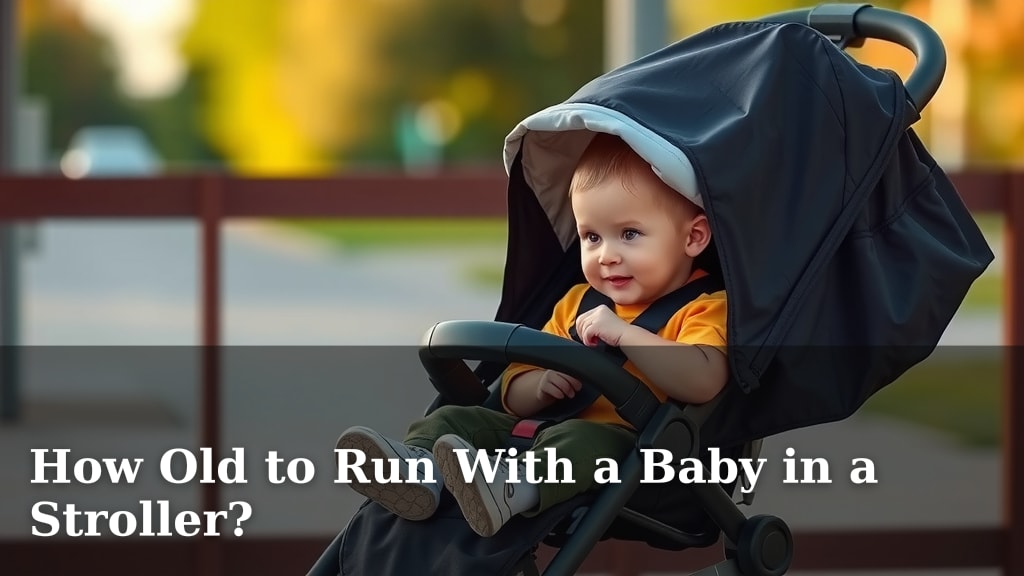
How Old to Run With a Baby in a Stroller?
You can typically start running with your baby in a stroller once they are about six months old. This general guideline is based on the baby’s ability to hold their head up independently and offers better support in the stroller. Always check with your pediatrician before beginning any new exercise routine with your baby.
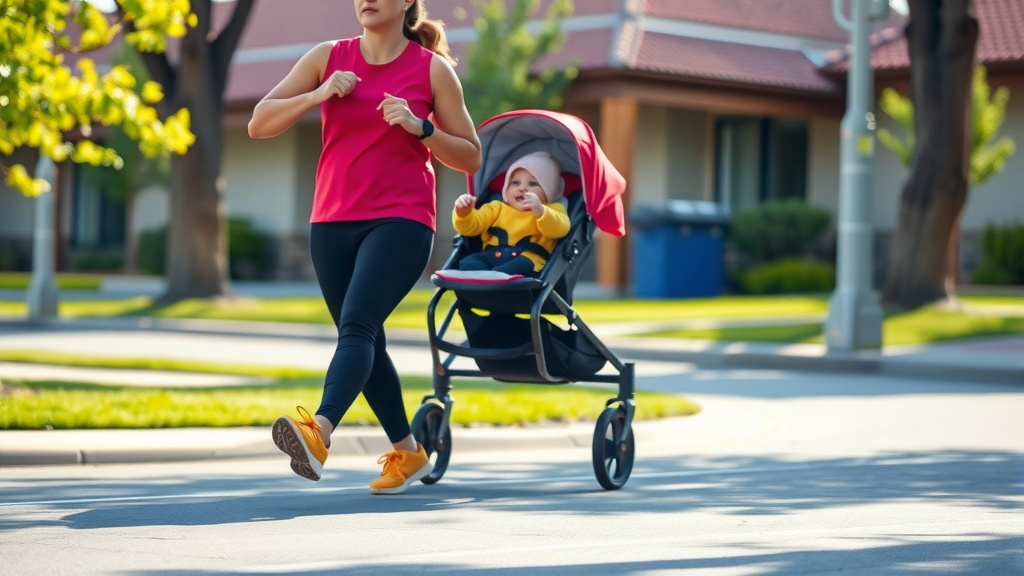
When you run with your baby, it’s important to use a jogging stroller designed for this activity. These strollers have features like larger wheels and suspension for a smoother ride. Ensuring your baby is properly secured and comfortable is key to a happy and safe outing for both of you.
- Generally, wait until your baby is 6 months old.
- Ensure your baby can hold their head up steadily.
- Use a jogging stroller designed for running.
- Always consult your pediatrician first.
- Prioritize your baby’s comfort and safety.
Let’s walk through the specifics of when and how to get started running with your little one.
Getting Started: When Can You Run With Your Baby?
So, you’re eager to get back to your running routine and want your little one to join you? That’s fantastic! Many parents wonder about the right time to introduce their baby to stroller running. Generally, you can start jogging with your baby once they reach about six months of age.
This age is a common benchmark because most babies at this stage have developed enough neck and torso strength to hold their head up independently. This head control is vital for their safety and comfort while bouncing along on a run. Think of it like a little bird ready to peek out of the nest!
Understanding Baby’s Developmental Milestones
Before you lace up your running shoes, it’s essential to assess your baby’s readiness. The primary factor is that steady head control. Can your baby sit upright in a high chair without their head flopping forward? Do they actively hold their head up when you’re holding them?
If your baby can sit unassisted for a reasonable period and has good neck strength, they are likely approaching the readiness window. Remember, every baby develops at their own pace. Some might be ready slightly before six months, while others might need a little more time.
Why Six Months is the General Guideline
Why six months specifically? Many child development experts and organizations suggest this timeframe. The reason is simple: muscular development. A baby’s neck and back muscles are still maturing in the early months. Until these muscles are strong enough, they can’t adequately support their head and spine during the jarring motion of running.
Running involves more vigorous movement than a leisurely stroll. Your baby needs to be able to withstand these forces. When they can hold their head up reliably, it means their core muscles are developing well. This is a good indicator they can handle the ride.
The Importance of the Right Equipment: Jogging Strollers
You wouldn’t try to run a marathon in flip-flops, right? The same logic applies to stroller running. Using a dedicated jogging stroller is non-negotiable for safety and comfort. These aren’t your average, everyday strollers.
What makes a jogging stroller different? For starters, they have larger, air-filled tires. These bigger wheels provide a smoother ride over bumps and uneven terrain. Think of them like shock absorbers for your baby’s journey.
Key Features of a Jogging Stroller
Beyond the wheels, jogging strollers often come with advanced suspension systems. This further minimizes the bumps your baby experiences. You’ll also find a longer wheelbase, which offers greater stability when you’re moving at a faster pace.
Look for a stroller with a secure five-point harness. This is crucial for keeping your baby safely strapped in. Adjustable handlebars are also a nice-to-have feature, allowing you to find a comfortable running position. And don’t forget the parking brake – essential for stopping safely.
Are All Strollers Suitable for Running?
Absolutely not! Standard strollers are designed for flat, smooth surfaces and slow speeds. Their smaller wheels and lack of suspension mean they can easily get stuck or tip over on rougher paths. Attempting to run with a non-jogging stroller can be dangerous for both you and your baby.
The stroller could become unstable, leading to a fall. Plus, the ride would be incredibly uncomfortable for your little one. Always invest in a stroller specifically designed for jogging. Your baby’s safety and your peace of mind are worth it.
Safety First: What to Consider Before You Run
Safety is the absolute top priority when you decide to run with your baby. It’s not just about the age or the stroller; there are other factors to consider. Have you discussed this with your pediatrician? Many experts recommend getting the all-clear from your doctor before starting any new physical activity with your infant.
Your pediatrician knows your baby’s health history and can offer personalized advice. They can confirm if your baby is developmentally ready for the motion and vibrations associated with running.
Preparing Your Baby for the Ride
Once you have the green light, ensure your baby is dressed appropriately for the weather. Check the stroller’s seat to make sure it’s reclined enough for comfort, but not so much that it compromises their posture. The five-point harness should be snug but not constricting.
Consider using a stroller insert or supportive padding if the seat feels too rigid for your baby. A sunshade or visor is a must-have to protect their delicate skin from the sun. And always pack essentials like diapers, wipes, a drink, and a small toy to keep them entertained.
Your Running Readiness Check
Just as your baby needs to be ready, so do you! Don’t jump back into your pre-pregnancy mileage immediately. Start slowly with shorter, less intense runs. Focus on your own recovery and gradually build up your endurance.
Listen to your body. If you’re feeling fatigued or sore, take a rest day. The goal is to enjoy this new activity together, not to push yourselves too hard too soon. A happy parent makes for a happy baby!
Tips for a Smooth and Enjoyable Run
The first few runs might be a bit of an adventure. Babies can be unpredictable! Start with short distances on familiar, relatively flat paths. This helps you get used to the weight and balance of the stroller while running.
Pay attention to your baby’s cues. Are they fussing? Do they seem uncomfortable? If so, it might be time to shorten your run or stop for a break. Sometimes, a quick cuddle or a snack can make all the difference.
On the Go: What to Pack
Having the right gear for your baby in the stroller is key. Think about what you’d need for a short outing:
- Plenty of water or milk for your baby.
- A few diapers and wipes.
- A light blanket or extra layer, depending on the weather.
- A favorite, lightweight toy to keep them occupied.
- Sunscreen and a hat for sunny days.
When to Take a Break or Call It Quits
You know your baby best. If they are unusually fussy, seem overtired, or are showing signs of discomfort, it’s okay to end your run early. It’s better to have a short, positive experience than a long, stressful one. Maybe they just aren’t feeling it today, and that’s perfectly fine!
You might also want to adjust your running schedule. Early morning runs are often cooler and quieter, which can be more pleasant for both of you. Consider naps and feeding schedules too, to avoid running during their most sensitive times.
Conclusion
Getting back into your running routine with your baby can be a wonderfully rewarding experience. Remember, the general guideline is around six months old, but your baby’s individual development, especially their ability to hold their head up steadily, is the most important factor. Always prioritize using a dedicated jogging stroller for safety and comfort.
Before you hit the pavement, ensure you’ve chatted with your pediatrician. Start with short runs and pay close attention to your baby’s cues. You’ve got this! Your next step is to check in with your doctor and research a suitable jogging stroller. Happy running!
Frequently Asked Questions
Can I run with my baby if they are younger than six months old?
Generally, it’s recommended to wait until your baby is around six months old. This is because babies younger than that may not have developed enough neck and torso strength to safely support their heads during the jarring motion of running. Always consult your pediatrician for personalized advice based on your baby’s development.
What if my baby can hold their head up but is still under six months?
While head control is a key milestone, the six-month mark is a widely suggested guideline due to overall muscular development and the vibrations involved in running. If your baby is showing excellent head control and you’re considering starting sooner, a detailed conversation with your pediatrician is essential. They can help you assess if your baby is truly ready for the unique demands of stroller running.
Are all jogging strollers the same?
No, not all jogging strollers are the same. True jogging strollers have larger, air-filled tires, advanced suspension systems, and a longer wheelbase for stability, designed to handle varied terrain and speeds. Regular strollers lack these features and are not safe for running.
How can I tell if my baby is uncomfortable during a run?
Pay close attention to your baby’s signals. Fussing, crying, arching their back, or seeming generally agitated can indicate discomfort. If you notice these signs, it’s best to stop, check on your baby, and perhaps shorten your run or try again another day. Adjusting the recline or adding padding might help, but sometimes a break is all they need.
What should I do if my baby falls asleep during a run?
A sleeping baby on a run can be a peaceful experience! Ensure their five-point harness is securely fastened even when they are asleep. Also, check that their head is well-supported and not flopping around. You might want to keep the run relatively smooth and avoid sudden stops or turns.
![10 The Best Stroller For Baby [2026]](https://bestbabystrollerjudge.com/wp-content/uploads/2026/08/10-the-best-stroller-for-baby-2026-featured-768x432.jpg)
![10 Best Two Baby Stroller [2026]](https://bestbabystrollerjudge.com/wp-content/uploads/2026/08/10-best-two-baby-stroller-2026-featured-768x432.jpg)