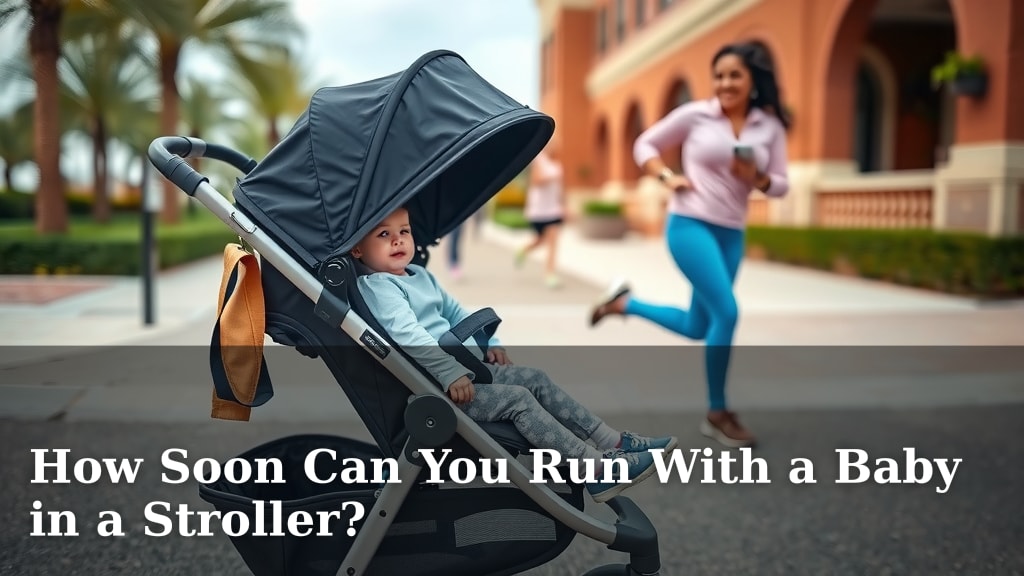
How Soon Can You Run With a Baby in a Stroller?
Yes, you can often run with a baby in a stroller sooner than you might think. Many experts suggest you can begin jogging with your little one once they are **at least six months old** and can hold their head up **unassisted for extended periods**. Always consult your pediatrician before starting any new exercise routine with your baby.
Getting back to running after having a baby is exciting, but safety is key. It’s not just about your baby’s ability to sit up; your own physical recovery plays a big part. We found that proper stroller selection and ensuring a **smooth, steady gait** are crucial for a comfortable ride for both of you.
- Generally, wait until your baby is 6 months old.
- Ensure your baby can hold their head up steadily.
- Talk to your doctor first.
- Invest in a running stroller designed for babies.
- Start with short, slow runs.
Ready to lace up your sneakers? Below, we’ll walk through exactly what you need to know to get started safely and comfortably.
Getting Back to Running with Your Baby: When and How
You’re eager to get back on the road, and running with your baby in a stroller can be a fantastic way to do it. But when is the right time? We’ve found that most experts suggest waiting until your baby is around six months old. This is generally when they develop the necessary neck strength and head control to handle the movement of a stroller safely. Before this point, their developing spines aren’t quite ready for the vibrations and jolts that running can involve.
Baby’s Readiness: More Than Just Sitting Up
It’s not just about age; it’s about your baby’s physical development. Can your baby hold their head up steadily for an extended period, without wobbling? This is a key indicator. Think about car seats – they have similar guidelines for head support. If your baby’s head flops forward or to the side, they aren’t ready for stroller running yet. Many pediatricians recommend waiting until the six-month mark as a general guideline, as this is when most babies achieve this milestone consistently (CDC).
Your Body’s Recovery: A Two-Part Equation
While your baby’s readiness is vital, your own physical recovery after childbirth is equally important. Running puts stress on your body, especially your pelvic floor and core. We found that many women benefit from starting with gentle walking and gradually increasing intensity. Listen to your body. If you experienced a C-section or have any postpartum complications, you’ll need to allow more time for healing. Always get clearance from your doctor or midwife before resuming any strenuous activity like running.
Choosing the Right Stroller for Your Runs
Not all strollers are created equal when it comes to jogging. You absolutely need a stroller designed specifically for running. These strollers have a different construction than your everyday city stroller. They are built for stability, shock absorption, and smooth motion.
Key Features of a Running Stroller
What makes a running stroller different? We’ve identified a few critical features:
- Three Large Wheels: These provide better shock absorption and stability. The front wheel is often lockable for straight-line running.
- Suspension System: Good suspension is key to a smoother ride for your baby, minimizing jarring movements.
- Hand Brake: This is a lifesaver for controlling speed on downhills and providing extra braking power.
- Adjustable Handlebar: This allows you to find a comfortable running stride without hunching over.
- Five-Point Harness: Ensures your baby is securely and comfortably fastened in.
Safety Checks Before Every Run
Before you even push off, a quick safety check is a must. Is the harness snug? Are the brakes working? Is the front wheel properly locked or swiveling as intended? We found that a few seconds spent checking these things can prevent bigger issues down the road. Make sure there are no loose parts and that the stroller feels stable.
Your First Stroller Runs: Starting Slow and Steady
Okay, you and your baby are ready. Now what? The key is to start gently. Think of your first few outings as test runs, not marathon training.
The “Walk-Run” Approach
We found that starting with short intervals of running interspersed with walking is a smart way to begin. For example, you might jog for 30 seconds, then walk for two minutes. Gradually increase the jogging time and decrease the walking time as you and your baby get more comfortable. Keep your pace relaxed and focus on a smooth stride.
Monitoring Your Baby’s Comfort
Pay close attention to your baby’s cues. Are they fussy? Do they seem uncomfortable? If so, it might be too soon, the ride isn’t smooth enough, or you’re going too fast. We learned that babies can get overheated easily, so ensure they are dressed appropriately and that the stroller has good ventilation. A sunshade is also essential for protecting their delicate skin.
Stroller Running Checklist for Beginners
Here’s a quick checklist to help you prepare for your initial stroller runs:
- Confirm your baby meets the age and head-control requirements.
- Get the all-clear from your doctor.
- Invest in a dedicated running stroller.
- Check that the stroller’s brakes and harness are secure.
- Start with short, slow walk-run intervals.
- Observe your baby for any signs of discomfort.
Factors Affecting Your Decision
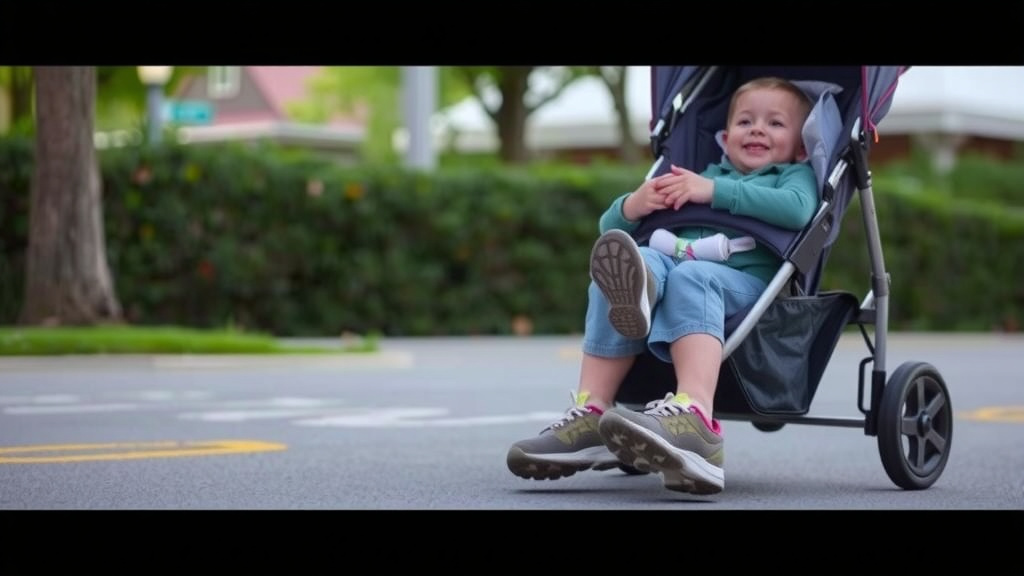
While six months is a common guideline, several other factors can influence when you can safely start running with a stroller. Your individual postpartum recovery, the specific type of running stroller you use, and even the terrain you plan to run on all play a role.
Terrain Considerations
Smooth, paved paths are ideal for your first few runs. Bumpy trails or sidewalks with cracks can jostle your baby too much. As your baby gets more accustomed to the ride and you gain confidence, you can slowly explore slightly more varied surfaces, but always with a running stroller designed for such conditions.
Weather and Temperature
The weather can also impact your running schedule. Extremely hot or cold temperatures can be unsafe for babies. Always check the forecast and dress your baby in appropriate layers. If the weather is too extreme, it’s better to stick to indoor activities or shorter, shaded walks.
Conclusion
Getting back to running with your baby is an exciting journey, but it requires careful planning and patience. Remember, your baby’s safety and comfort are the top priorities. By waiting until around six months, ensuring they have good head control, and investing in a proper running stroller, you’re setting yourselves up for success. Always listen to your body and your baby’s cues. Your next step is to gather your gear, get your doctor’s okay, and plan your very first gentle walk-run outing together!
Frequently Asked Questions
Can I run with my baby in a regular stroller?
It’s generally not recommended to use a standard everyday stroller for running. Running strollers are specifically designed with features like superior suspension, larger wheels, and hand brakes to provide a smoother, safer ride for your baby and better control for you.
What if my baby seems uncomfortable during a run?
If your baby becomes fussy or seems uncomfortable, it’s a sign to stop or slow down. Check their harness, ensure they aren’t too hot or cold, and that the ride is as smooth as possible. You might need to adjust your pace or the stroller’s suspension if it has adjustable settings.
How long should my first stroller runs be?
Start very short and slow. Aim for 15-20 minute sessions that include more walking than running. Gradually increase the duration and the running intervals over several weeks as you both build stamina and get used to the motion.
Is it safe to run with a baby in cold or hot weather?
Extreme temperatures can be dangerous for infants. Always check the weather forecast and ensure your baby is dressed in appropriate layers. If it’s too hot, too cold, or too windy, it’s best to skip the run and opt for an indoor activity or a stroller walk in a shaded area.
Do I need to lock the front wheel on my running stroller?
Most running strollers have a lockable front wheel. For straight-line running on smooth surfaces, locking the front wheel provides better stability. If you’re jogging on a path with turns or uneven terrain, you might prefer to unlock it for easier maneuverability.
![10 Best Stroller For Babies [2026]](https://bestbabystrollerjudge.com/wp-content/uploads/2026/08/10-best-stroller-for-babies-2026-featured-768x432.jpg)