
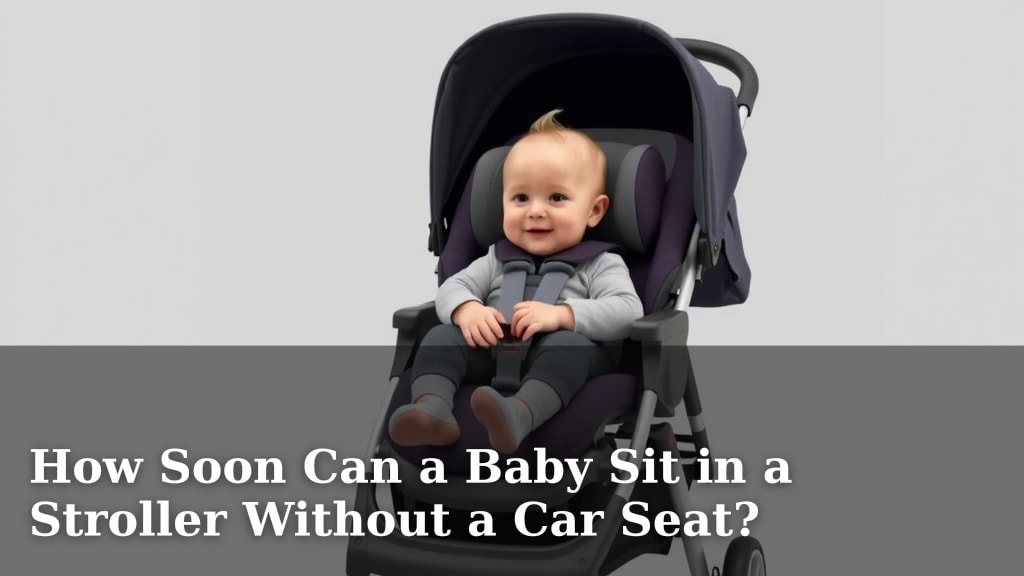
How Soon Can a Baby Sit in a Stroller Without a Car Seat?
You can typically sit your baby in a stroller without a car seat once they can sit up unassisted, usually around 4 to 6 months old. This milestone means their neck and core muscles are strong enough to support their head and torso. Before this stage, they need the added support of an infant car seat or a stroller bassinet for proper spinal alignment and safety.
Transitioning your little one to a stroller involves checking a few developmental cues. While age is a guide, your baby’s individual strength is key. Many parents wonder about the best time to make this switch for their baby’s comfort and security. We found that looking for specific signs of physical readiness will help you make the best decision for your child.
- Babies can usually move from car seats to stroller seats around 4-6 months.
- The key is that your baby can sit up independently.
- Look for strong neck and torso control.
- Always check your specific stroller’s weight and age limits.
- Infant inserts can provide extra support for younger babies in larger seats.
Let’s walk through exactly what to look for and how to make this stroller transition smoothly and safely for your little one.
When Can Your Baby Safely Use a Stroller Seat?
You’re probably wondering when your little one can ditch the infant car seat for a traditional stroller seat. The general consensus among pediatricians and child safety experts is that your baby can move to a stroller seat once they can sit up unassisted. This usually happens between 4 to 6 months of age.
What does “sit up unassisted” really mean? It means your baby can hold their head and trunk upright without any help. They can balance themselves when placed in a sitting position. This is a big developmental milestone! It shows their neck, back, and core muscles have developed enough to support their weight and maintain good posture (CDC). Before this stage, their tiny bodies need the secure, snug fit of an infant car seat or a bassinet attachment for proper spinal alignment and safety.
Understanding Your Baby’s Developmental Readiness
Age is just a guideline, and every baby hits developmental milestones at their own pace. The most important factor is your baby’s physical development. You know your baby best, so trust your instincts. We found that looking for a few key signs will tell you if they’re ready for the big stroller seat switch.
Key Indicators for Stroller Seat Transition
Before you click that car seat out of the stroller frame, take a good look at your baby. Are they showing these signs of readiness?
Head and Neck Control
This is probably the most critical sign. Can your baby hold their head up steadily? Do they no longer bob their head forward or to the sides when you’re holding them upright? Strong head and neck control is essential. It means their muscles can manage their relatively heavy heads.
Torso Strength and Stability
Beyond just head control, your baby needs core strength. Can they sit upright on their own for short periods? Do they have the stability to stay balanced without slumping over? This core strength helps them remain upright and comfortable in a stroller seat.
Showing Interest in Their Surroundings
Does your baby love to look around? Are they curious about the world beyond their immediate space? Babies who can sit up often enjoy being in a more upright position because it gives them a better view. If your baby is constantly craning their neck to see, they might be ready for a more open seating experience.
Why the Transition Matters for Comfort and Safety
Why is this developmental readiness so important? Using an infant car seat in a stroller frame is fantastic for newborns. It provides a safe, secure cocoon that supports their underdeveloped muscles. However, as they grow, these seats can become too confining. Plus, babies often end up in a more reclined position than they would be if they were sitting upright.
Transitioning to a stroller seat allows for more comfort and a better view for your older infant. It also means they are supported correctly for their developmental stage. We found that babies seem happier when they can see more of what’s going on around them!
Types of Strollers and Seat Options
Not all stroller seats are created equal, and understanding the options can help you make the best choice for your baby.
Full-Size Strollers and Their Seats
Most full-size strollers are designed to accommodate babies once they can sit unassisted. The seats often have adjustable recline positions, which can be helpful if your baby still naps on the go.
Recline Features
Look for stroller seats that offer multiple recline options. A near-flat recline can be useful for very young infants who aren’t quite sitting independently yet, or for nap times. However, as your baby gains strength, you’ll want to use the more upright positions.
Harness Systems
A secure five-point harness is a must. This is the standard for stroller safety, keeping your baby snug and preventing falls. Ensure the harness is adjustable to fit your growing child comfortably.
Specialized Stroller Seats and Inserts
Some strollers are designed specifically for newborns and can be used without a car seat. These often come with a bassinet attachment or a seat that reclines fully flat.
Infant Inserts
For stroller seats that are a bit too big or upright for a younger baby transitioning from an infant car seat, infant inserts can be a lifesaver. These padded inserts offer extra support for the head, neck, and body. Many manufacturers offer these as accessories. We found that these can make a standard stroller seat much more secure for babies who are just starting to sit.
Toddler-Style Seats
As your child grows, they’ll likely move into a toddler-style seat. These are typically more upright and designed for older babies and toddlers who can sit independently for extended periods. They often have features like tray tables and higher backrests.
Making the Stroller Seat Transition Smoothly
Ready to make the switch? Here’s a simple checklist to ensure a safe and happy transition for your little one.
- Confirm your baby can sit up independently without slumping.
- Check that your baby has good head and neck control.
- Ensure the stroller seat is appropriate for their age and weight.
- Adjust the harness snugly to fit your baby securely.
- Start with short outings to get your baby used to the new seat.
- Always consult your stroller’s manual for specific guidelines.
Checking Your Stroller’s Specific Requirements
While developmental cues are key, don’t forget to consult your stroller’s manufacturer manual. Every stroller has specific weight and age limits for its different seating configurations. Some strollers are designed for newborns and can be used from birth with a bassinet or fully reclined seat, while others require the child to meet certain developmental milestones before using the main seat.
We found that checking the manual is a crucial step. It provides manufacturer-backed safety information tailored to your specific stroller model. This ensures you’re using the product as intended and safely.
What About Premature or Low-Birth-Weight Babies?
If your baby was born prematurely or has a low birth weight, they might need a bit more time to reach developmental milestones like sitting up unassisted. In these cases, it’s always best to consult with your pediatrician. They can provide personalized guidance on when your baby will be ready to transition from an infant car seat to a stroller seat.
Your pediatrician can assess your baby’s specific development and offer tailored advice. We found that these medical professionals are an excellent resource for any concerns about your baby’s readiness for major developmental leaps.
Stroller Seat Safety Checklist
Before you head out for your first adventure in the new stroller seat, run through this quick safety check:
- Harness Check: Is the five-point harness fastened correctly and snug? You should only be able to fit two fingers between the harness and your baby’s chest.
- Seat Recline: Is the seat in the most upright position your baby can comfortably manage? Avoid fully reclined positions unless your baby is napping.
- Head Support: Does your baby’s head remain stable, or is it flopping around? If flopping occurs, consider a head and neck support insert.
- Footrest: Is the footrest positioned appropriately? It should offer support for their legs without being too high or too low.
- Clear View: Can your baby see out comfortably? Ensure nothing is obstructing their view unnecessarily.
Conclusion
You’ve learned that your baby’s ability to sit up unassisted is the main signal for transitioning from a car seat to a stroller seat, typically around 4 to 6 months. Trusting your baby’s developmental cues – like strong head and neck control – is more important than just age. Not all stroller seats are the same, so always check your stroller’s manual for weight and age limits.
By understanding your baby’s readiness and your stroller’s features, you can ensure a safe and comfortable experience for both of you. Ready to enjoy new adventures? Next, confirm your baby meets these readiness signs and then take your first outing in the stroller seat!
Frequently Asked Questions
How do I know if my baby is strong enough to sit in a stroller without a car seat?
Your baby is likely ready when they can sit up steadily on their own for at least a few minutes without slumping. Look for good head and neck control, meaning their head doesn’t wobble when you hold them upright. This shows their core and neck muscles are developed enough for support.
Can I use an infant car seat in a stroller forever?
While infant car seats offer great support for newborns, they aren’t meant for permanent use in a stroller. Once your baby can sit up unassisted, they’re usually ready for a standard stroller seat for better posture and a more engaging view of their surroundings. Continuing to use an infant car seat beyond this stage can be overly confining.
Are there any special accessories for younger babies in stroller seats?
Yes, infant inserts are fantastic for this! If your stroller seat feels a bit too big or not upright enough for your baby who is just transitioning, an infant insert provides crucial extra padding and support for their head, neck, and body. We found these make a big difference in comfort and security.
What if my baby was born prematurely or is small for their age?
Babies who were born prematurely or are low birth weight might need a little more time to reach developmental milestones like sitting independently. It’s always best to consult with your pediatrician for personalized advice. They can assess your baby’s specific development and guide you on the best timing for this transition.
How long should my baby be able to sit up on their own before using a stroller seat?
Aim for your baby to be able to sit upright without support for at least a couple of minutes. They should demonstrate stability and not fall over easily. This ability signifies that their back and core muscles are strong enough to maintain posture in a stroller seat.
![10 Best Baby Stroller For Grandparents [2026]](https://bestbabystrollerjudge.com/wp-content/uploads/2026/08/10-best-baby-stroller-for-grandparents-2026-featured-768x432.jpg)
![10 What Is The Best Baby Stroller And Car Seat [2026]](https://bestbabystrollerjudge.com/wp-content/uploads/2026/08/10-what-is-the-best-baby-stroller-and-car-seat-2026-featured-768x432.jpg)
![10 Baby Jogger Best Stroller [2026]](https://bestbabystrollerjudge.com/wp-content/uploads/2026/09/10-baby-jogger-best-stroller-2026-featured-768x432.jpg)