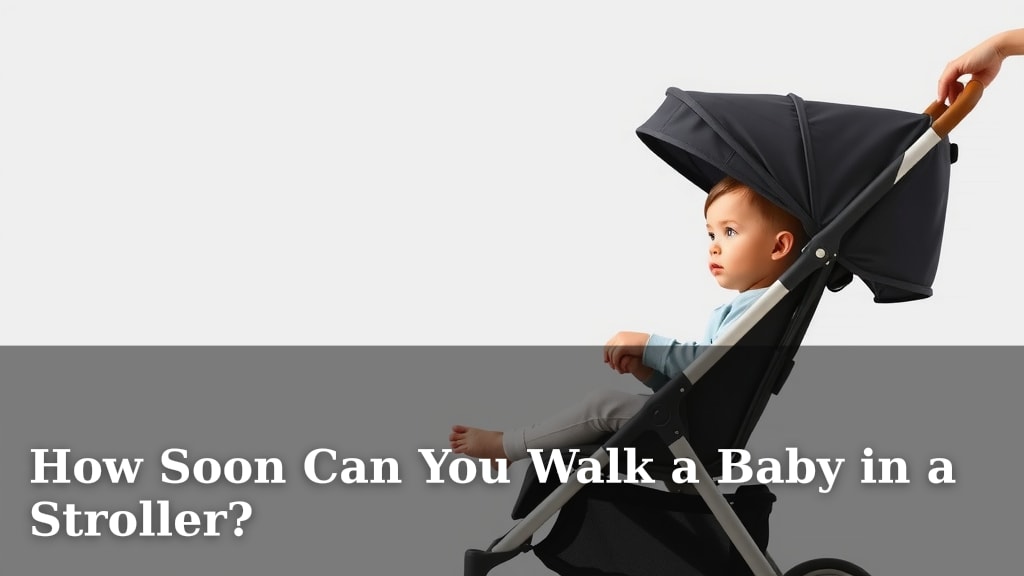
How Soon Can You Walk a Baby in a Stroller?
Yes, you can generally walk a baby in a stroller almost immediately after birth, provided you choose the right stroller and accessories. Many experts recommend using an infant car seat or a bassinet attachment for newborns. This ensures your baby is fully supported and protected during those early stroller rides. Your baby’s safety and comfort are the top priorities.
When your little one is very young, think of the stroller as a safe, cozy cocoon. You’ll want a stroller that reclines nearly flat or accepts an infant carrier. This is crucial for proper spinal development and breathing. Many parents find that starting with short, gentle walks is best. You can gradually increase the duration as both you and your baby get accustomed to the routine. Always check that your stroller is approved for newborns.
- You can often stroll with a newborn right away.
- Look for strollers that accept infant car seats or have bassinet options.
- Ensure the stroller reclines flat for proper support.
- Start with short, easy walks.
- Always prioritize your baby’s safety and comfort.
Let’s get into the specifics of what to look for and how to make those first stroller outings a wonderful experience for you both.
Hitting the Road with Your Newborn: When Can You Stroll?
So, you’re eager to get out and about with your little one. It’s a natural feeling! Many new parents wonder just how soon they can introduce their baby to the stroller. The good news is, you don’t have to wait too long. We found that most pediatricians and stroller manufacturers agree that you can start using a stroller with a newborn almost from day one.
Understanding Newborn Stroller Needs
For those first few weeks, your baby is incredibly fragile. Their neck muscles are still developing, and their tiny bodies need a lot of support. This is why the type of stroller and its configuration are so important. You can’t just plop a newborn into any old stroller seat, even if it reclines.
The Importance of Proper Support
Newborns need a near-flat surface. Think of it like a bassinet or a car seat. This position helps support their head and neck. It also ensures their airway stays open properly. Research suggests that keeping newborns in a semi-upright position for too long can put pressure on their developing lungs (American Academy of Pediatrics).
Stroller Configurations for Infants
This means you’ll be looking for specific stroller features. The most common and recommended options include:
- Strollers that accept infant car seats: These are super convenient. You can transfer your sleeping baby from the car to the stroller without disturbing them. Just ensure the car seat clicks securely into the stroller frame.
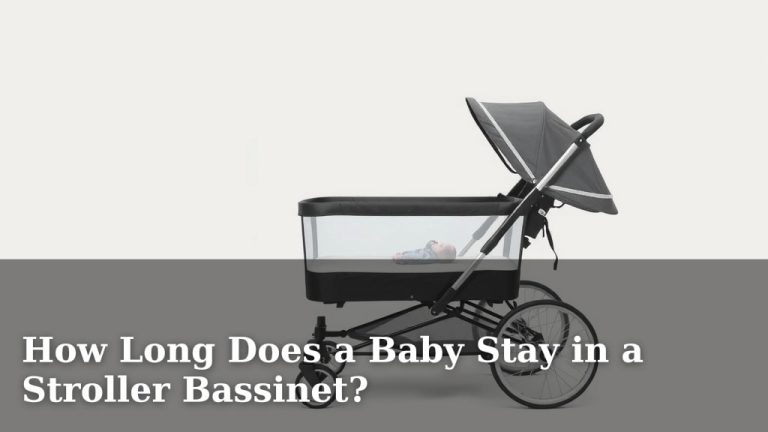
- Strollers with a bassinet or pram attachment: This creates a cozy, flat sleeping space for your baby. It’s like taking their crib on the go! These are often the most luxurious option for newborns.
- Strollers with a fully reclining seat: Some stroller seats recline almost completely flat. These can work well, but always double-check that the fabric and structure provide adequate head and neck support for a tiny baby.
Making Your First Outings Smooth and Safe
Once you have the right stroller setup, you’re almost ready to roll! But before you hit the pavement, consider a few things. Your baby’s comfort and well-being are your top priorities. We found that starting slow is key for everyone involved.
Start with Short and Sweet Walks
Don’t plan a marathon on your first outing. Begin with short walks around the block. Maybe 10-15 minutes is plenty. This helps your baby get used to the motion and sounds. It also gives you a chance to get comfortable with maneuvering the stroller. You can gradually increase the length of your walks as you both get the hang of it.
Timing is Everything
Try to time your walks when your baby is typically awake and content. Avoid times when they are usually fussy or hungry. A happy baby makes for a more relaxed stroll! Also, consider the weather. Very young babies can’t regulate their body temperature well. Avoid extreme heat or cold.
Essential Stroller Accessories
Depending on the season and your location, you might need a few extras. These can make your stroller ride more comfortable and safe:
- Sunshade: Essential for protecting delicate skin from the sun’s rays.
- Rain cover: Keeps your baby dry during unexpected showers.
- Bug net: Protects against pesky insects.
- Light blanket: For cooler days, just drape it over your baby. Avoid heavy blankets that could overheat them.
Remember, always check that accessories are compatible with your stroller model and are safely attached.
Choosing the Right Gear for Your Newborn Stroller Needs
The stroller market can feel overwhelming. But focusing on what a newborn *needs* simplifies the process. We’ve looked at what experts recommend for early stroller use.
What to Look for in a Newborn-Friendly Stroller
When you’re shopping, keep these features at the top of your list:
- Age/Weight Recommendations: Always check the stroller’s label. It should explicitly state it’s suitable for newborns or infants from birth.
- Recline Options: As we discussed, a near-flat recline is vital. Look for multiple recline positions.
- Suspension: A stroller with good suspension will offer a smoother ride. This is especially helpful on uneven sidewalks or park paths.
- Maneuverability: You’ll be pushing this thing a lot! Test how easy it is to steer, especially with one hand.
- Portability: Consider how easy it is to fold and lift into your car.
Stroller Types: A Quick Comparison
Here’s a simple breakdown of common stroller types and how they suit newborns:
| Stroller Type | Best for Newborns? | Key Features for Newborns |
|---|---|---|
| Travel System (Car Seat + Stroller Base) | Yes | Car seat clicks in; flat option via car seat. |
| Full-Size Stroller with Bassinet | Yes | Lie-flat bassinet provides cozy, supported sleep. |
| Lightweight/Umbrella Stroller | Generally No (unless specific model) | Often too upright; check for near-flat recline and infant insert. |
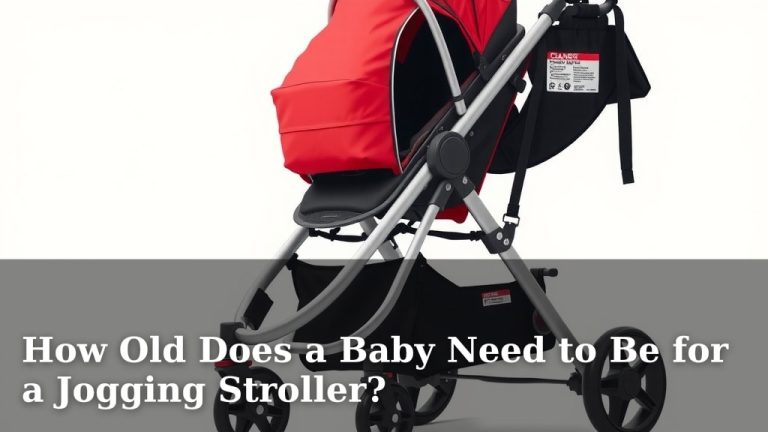
| Jogging Stroller | Yes (with car seat adapter or bassinet) | Requires specific infant car seat or bassinet attachment for initial use. |
We found that travel systems and strollers with dedicated bassinets are often the easiest transitions for parents of newborns.
Safety First, Always!
No matter the stroller, a few safety checks are non-negotiable.
- Five-Point Harness: Ensure it’s snug but not too tight.
- Brakes: Test them every time. Make sure they engage firmly.
- Stability: Never hang bags from the handlebar, as this can tip the stroller.
- Regular Checks: Periodically inspect the stroller for any wear and tear.
When in doubt, consult your stroller manual or the manufacturer’s website. Many resources are available to help you ensure your stroller is used safely.
When Can You Move to an Upright Position?
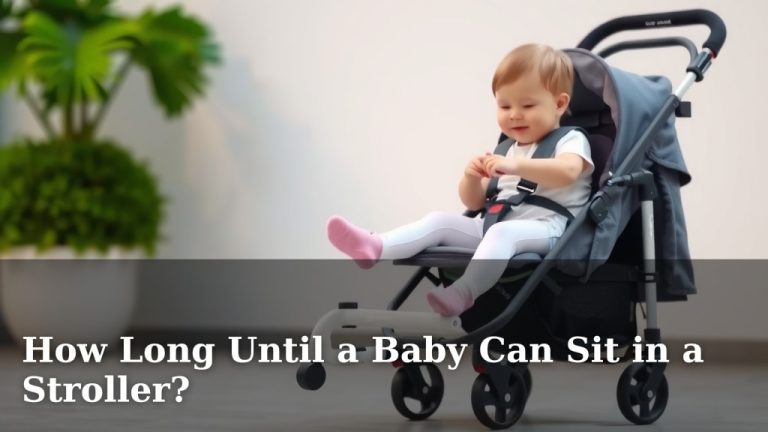
As your baby grows stronger, you’ll naturally wonder when they can sit up more. Most experts suggest waiting until your baby can sit up unassisted. This typically happens around 6 months of age. Before that, continuing with a near-flat position is best for their spine and breathing.
Once they can hold their head up and sit unsupported, you can gradually start using a more upright position in the stroller. Always start with short periods and monitor your baby for any signs of discomfort. Remember, every baby develops at their own pace.
Getting out for walks with your baby in a stroller can be a wonderful bonding experience. By choosing the right gear and following these simple guidelines, you can make those early outings safe, comfortable, and enjoyable for both of you. So, once you feel ready and have your newborn-approved stroller, there’s no need to wait!
Your Stroller Readiness Checklist:
- Have you confirmed your stroller is suitable for newborns?
- Does your stroller offer a near-flat recline or accept an infant car seat/bassinet?
- Is the harness snug and secure?
- Are the brakes working properly?
- Are you ready for short, gentle walks?
- Do you have essential accessories like a sunshade?
Conclusion
You can start enjoying stroller walks with your newborn almost right away, provided you have the right setup. Prioritizing a stroller that offers a near-flat surface or securely holds an infant car seat is key for your baby’s development and comfort. Remember to begin with short, gentle outings and gradually increase their length. We found that focusing on safety, support, and your baby’s cues makes those first adventures a wonderful experience. Now that you’re equipped with the knowledge, take that first step and hit the pavement!
Frequently Asked Questions
Can I use a regular stroller for my newborn if it reclines flat?
Yes, if your stroller’s seat reclines to a true near-flat position, it can be suitable for a newborn. Always ensure the recline provides adequate head and neck support. Research suggests this position is vital for their breathing and spinal development.
How long should my first stroller walks be with a newborn?
Start with very short walks, around 10-15 minutes, close to home. This helps both you and your baby adjust to the new routine. You can gradually extend the duration as you both become more comfortable and accustomed to stroller rides.
Are there any safety risks if my baby is too upright too soon?
Yes, keeping a newborn too upright for extended periods can put pressure on their developing lungs and spine. Their neck muscles aren’t strong enough to support their head. A near-flat position is recommended until they can sit up unassisted, typically around six months.
What’s the difference between a bassinet and an infant car seat in a stroller?
A bassinet offers a lie-flat, cozy space that feels like a mini-bed on wheels, ideal for newborns. An infant car seat clicks into the stroller frame, allowing you to transfer your baby without disturbing them. Both provide the necessary flat support for newborns.
Do I need special accessories for a newborn’s first stroller ride?
Essential accessories include a good sunshade to protect delicate skin and a rain cover for unexpected weather. A bug net can also be helpful depending on your location. A light blanket can provide warmth, but avoid anything that could cause overheating.