How to Adjust Straps on a Baby Jogger Stroller
Adjusting the straps on your Baby Jogger stroller is pretty straightforward. You’ll typically need to find the adjustment points on the shoulder straps and the waist straps. Most models feature a simple buckle or sliding mechanism for easy changes. You can usually tighten or loosen these straps within seconds to ensure your child is snug and secure for every adventure.
Getting the stroller straps just right is key to your baby’s comfort and safety. When they’re adjusted correctly, your little one will have a much more enjoyable ride. We found that parents often overlook the ease of these adjustments, leading to a less-than-ideal stroller experience. It’s important to make sure the fit is always snug but not too tight.
- Stroller straps need to be adjusted for safety.
- Check shoulder and waist strap adjustments.
- Look for buckles or sliding mechanisms.
- Tighten or loosen straps as needed.
- Ensure a snug but comfortable fit.
Let’s walk through exactly how to adjust those Baby Jogger stroller straps so your little co-pilot is perfectly settled for your next outing.
Ensuring your little one is snug and secure in their stroller is a top priority. Adjusting the straps on your Baby Jogger stroller correctly makes all the difference. It’s not just about comfort; it’s about safety for every ride. Let’s get those straps dialed in!
Getting Your Baby Jogger Stroller Straps Just Right
Properly adjusted stroller straps are essential. They prevent your child from slouching or slipping. Research suggests that an improperly fitted harness can be a safety concern (Consumer Product Safety Commission). When the straps are snug, your child stays in the optimal position. This means they can enjoy the ride more. It also means you can push them with greater confidence.
Understanding the Harness System
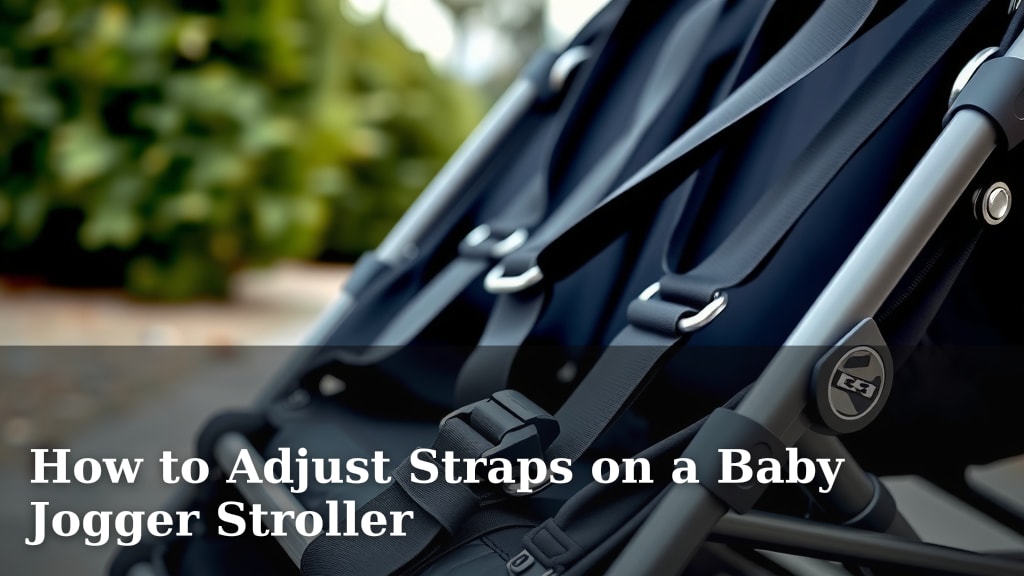
Most Baby Jogger strollers use a 5-point harness system. This includes two shoulder straps, two waist straps, and a connecting strap between the legs. This design is widely recommended for child safety. It distributes pressure evenly. It also prevents accidental release. You’ll usually find adjustment points on the shoulder straps and the buckle area.
Shoulder Strap Adjustments
The shoulder straps are key for keeping your child upright. You’ll want them to be snug against their shoulders. Too loose, and they could slide down. Too tight, and it might be uncomfortable. Look for a mechanism where the straps feed through a slot. You might need to press a button or slide a buckle.
Waist Strap Adjustments
These straps secure your child’s hips. They should fit snugly around your child’s waist. They work with the shoulder straps to keep your child centered. Like the shoulder straps, these often slide through buckles. Finding the right tension here is important for comfort.
The Crotch Strap (Connecting Strap)
This strap is located between your child’s legs. It prevents them from sliding down. It also keeps the shoulder and waist straps from slipping off. Ensure this strap is comfortable and not pinching. It should connect securely to the buckle.
Step-by-Step Guide to Adjusting Your Straps
Adjusting the straps is a simple process once you know where to look. We found that a quick check before each outing is a good habit. It only takes a moment but can save a lot of fuss later.
1. Loosen the Straps Completely
Before you place your child in the stroller, loosen all the straps. This gives you plenty of slack to work with. You should be able to pull the straps easily. This makes it easier to position your child correctly. You don’t want to struggle to get the buckles fastened.
2. Position Your Child in the Seat
Have your child sit comfortably in the stroller seat. Ensure they are sitting upright as much as possible. This is the best starting position for strap adjustment. You want them to be settled before you begin tightening.
3. Adjust Shoulder Straps First
Bring the shoulder straps up and over your child’s shoulders. Look for the adjustment point on each strap. You might need to thread the strap through a slot in the back of the seat. Slide the buckle until the strap is snug. It should rest comfortably on your child’s shoulders. Many Baby Jogger models have height-adjustable shoulder straps. You may need to move the entire strap assembly up or down. This ensures the straps are at the correct height for your child’s shoulders. Experts recommend the harness straps be at or just below shoulder level when the child is facing forward (American Academy of Pediatrics).
4. Secure the Waist Straps
Next, bring the waist straps to the center. Fasten them into the buckle. Then, adjust their tightness. They should be snug against your child’s hips. Think of it like a firm hug around their waist. Too loose, and they might slouch. Too tight, and it’s uncomfortable.
5. Tighten the Harness System
Once the shoulder and waist straps are in place, connect them. You will then tighten the entire harness. Most systems have a central buckle where all straps connect. There’s usually a single adjuster strap. Pull this strap to tighten the harness. It should be snug enough that you can’t pinch any slack. The straps should lie flat against your child. They should not be twisted.
6. Check the Crotch Strap and Buckle
Finally, ensure the crotch strap is positioned correctly. It should not be digging in or causing discomfort. Fasten it securely into the main buckle. Give a final tug on the main adjustment strap. Make sure everything feels secure but not constricting.
Common Baby Jogger Stroller Strap Adjustment Types
Different Baby Jogger models might have slight variations. However, the core adjustment principles remain the same. Understanding these common types will help you adapt.
| Strap Type | Adjustment Method | What to Look For |
|---|---|---|
| Shoulder Straps | Sliding buckle, ladder lock, or removable strap system. | Straps should be at shoulder height. Easily slides for adjustment. |
| Waist Straps | Sliding buckle. | Snug around the hips. Prevents slouching. |
| Crotch Strap | Connects to the main buckle. | Comfortable and secure. Keeps child from sliding. |
| Harness Buckle | Central buckle with one main adjustment strap. | All straps connect here. Tighten for secure fit. |
Troubleshooting Common Strap Issues
Sometimes, things don’t go as smoothly as planned. Don’t worry, these are usually easy fixes!
Straps Won’t Tighten or Loosen
If your straps feel stuck, check for debris. Lint or small objects can jam the sliders. Gently try to clear the path. Sometimes, wiggling the strap can help. Many experts suggest checking your stroller’s manual for specific instructions.
Straps Seem Too Short
Is your child getting bigger? They might be outgrowing the current strap length. Check if your stroller model has height-adjustable shoulder straps. This feature allows you to move the strap anchor points. If the straps are truly too short, it might be time to consider a different stroller or seating option.
Uneven Tension
If one side feels tighter than the other, re-adjust. Sometimes, the adjuster strap can get caught. Fully loosen the harness, then re-tighten evenly. Make sure both shoulder straps have the same amount of tension.
Quick Checklist for Perfect Fit
Use this quick list before each outing:
- Loosen: Start with loose straps.
- Seat: Child seated comfortably.
- Shoulders: Straps at or below shoulder level.
- Waist: Waist straps snug and flat.
- Harness: No slack, flat against child.
- Crotch: Strap secure and comfortable.
Conclusion
You’ve now learned how essential correctly adjusted straps are for your baby’s safety and comfort on your Baby Jogger stroller. We’ve walked through the 5-point harness, from shoulder to waist and crotch straps, and provided a step-by-step guide to achieve that perfect fit. Remember, a quick check before each outing is your best bet for a secure ride. Don’t hesitate to re-adjust if your child wiggles or if you notice any looseness. Your child’s secure and happy ride is just a few simple adjustments away!
Frequently Asked Questions
How often should I adjust the stroller straps?
It’s best to check and adjust the stroller straps before each outing. Even if they seemed fine last time, your child might have shifted. This quick check ensures the harness remains snug and secure for every trip.
My Baby Jogger stroller straps seem too short for my older child. What can I do?
Some Baby Jogger models offer height-adjustable shoulder straps. You may need to move the strap anchor points up or down. If they are truly too short for your child’s comfort and safety, it might be time to explore larger stroller options.
What does “snug but not too tight” actually mean for stroller straps?
It means you should not be able to pinch any slack between the strap and your child’s body. The straps should lie flat and feel firm, like a gentle hug. They should not restrict breathing or leave red marks on your child’s skin.
Can I adjust the straps while my child is already in the stroller?
While it’s possible for minor adjustments, we strongly recommend loosening the straps completely before placing your child in the seat. This makes it much easier to position them correctly and ensure an even, secure fit without pinching or struggling.
My stroller harness buckle is stiff and hard to fasten. Is this normal?
Sometimes, dirt or debris can get into the buckle mechanism, making it stiff. Try cleaning the buckle with a damp cloth and a mild soap. If it remains difficult to fasten, consult your stroller manual or contact Baby Jogger customer service for assistance.
![10 Best Baby Stroller 3 In 1 [2026]](https://bestbabystrollerjudge.com/wp-content/uploads/2026/08/10-best-baby-stroller-3-in-1-2026-featured-768x432.jpg)
![10 Best Baby Stroller 3 In 1 With Car Seat [2026]](https://bestbabystrollerjudge.com/wp-content/uploads/2026/08/10-best-baby-stroller-3-in-1-with-car-seat-2026-featured-1-768x432.jpg)