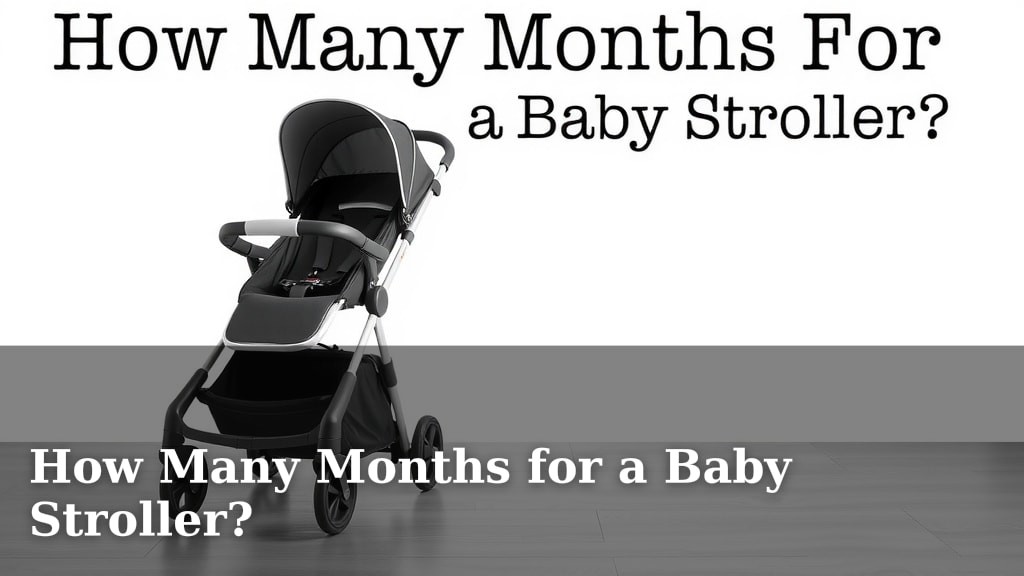
How Many Months for a Baby Stroller?
The answer to how many months a baby stroller is needed really depends on your child and your family’s lifestyle. Generally, babies can use a stroller from birth up until they are about 3 to 4 years old. You’ll want a stroller that can **recline fully** for newborns and offer **good support** as they grow.
When choosing a stroller, think about your needs. Do you need something for **long walks**, quick trips to the store, or travel? Many parents find they use a stroller for a solid four years or more. It’s a big purchase, so picking one that fits your life is key.
- Babies can use strollers from birth to about 3-4 years old.
- Look for full recline for newborns.
- Consider your family’s lifestyle and needs.
- A stroller can be a long-term investment.
Let’s break down the different stages and stroller types to help you decide what’s best for your little one.
“`htmlYour Stroller Timeline: From Birth to Beyond
So, you’re wondering about the stroller lifecycle? How long will this trusty sidekick actually be in service? It’s a question many parents ponder as they navigate the world of baby gear. The short answer is: for quite a while! Most families find they use a stroller consistently for about three to four years, sometimes even longer.
Think of it less as a fixed-term rental and more as a flexible tool that adapts to your child’s growth and your family’s adventures. The key is finding a stroller that can grow with your child, offering different features and functionalities as they hit different milestones. We’ve found that understanding these stages can really help you make the best choice.
The Newborn Stage: Safety First and Full Support
When your little one is brand new, their needs are very specific. They can’t hold their head up yet, so they require a stroller that offers complete support. This means a seat that can lay completely flat, creating a safe bassinet-like environment.
Many strollers designed for newborns feature a fully reclining seat or come with a compatible bassinet attachment. This is essential for their delicate spines and allows them to sleep comfortably and safely while you’re out and about. We found that a stroller with an adjustable footrest is also a bonus, providing extra leg support as they grow.
Why a Flat Recline Matters for Newborns
The American Academy of Pediatrics recommends that infants lay flat when possible to prevent positional asphyxiation. This is why a stroller seat that goes all the way down is so critical in those early months. It ensures their airway remains open and breathing is unobstructed.
Beyond the recline, look for a stroller with a secure five-point harness to keep your baby safely in place. Good padding also adds to their comfort, making those initial outings a pleasant experience for everyone involved. Many parents appreciate a stroller that offers a smooth ride, minimizing jolts and bumps.
Infancy and Early Toddlerhood: Comfort and Exploration
As your baby grows, they’ll start to want to see the world! Around 4-6 months, most babies can hold their heads up and are ready to face forward. This is when the stroller’s versatility really shines.
You’ll want a stroller that allows for multiple seating positions, including an upright one for curious explorers. Many models offer reversible seats, letting you choose whether your child faces you for interaction or faces outwards to take in the sights. We’ve found that this flexibility is a huge win for parents.
Features to Look For During This Phase
During these months, think about ease of use. A sturdy canopy with UV protection is a must for sunny days. Large storage baskets are also incredibly helpful for stashing diaper bags, snacks, and any impromptu purchases. And, of course, a smooth maneuverability makes navigating crowded sidewalks or grocery store aisles much simpler.
Consider the weight of the stroller, too. If you’re frequently lifting it into a car trunk, a lighter model will feel like a godsend. We’ve heard from many parents that a stroller that folds easily with one hand becomes a non-negotiable feature over time.
The Toddler Years: Durability and Functionality
Your little one is now a busy toddler, likely walking and running, but still needing a stroller for longer outings, travel, or when their little legs get tired. This is where the stroller’s durability and weight capacity come into play.
Most strollers are designed to hold children up to 50 pounds or more, which typically covers a 4-year-old. Look for sturdy construction and robust wheels that can handle various terrains, from smooth park paths to slightly uneven sidewalks. This is also the time you might start thinking about secondary strollers.
When a Second Stroller Might Be Necessary
Some families find that as their child approaches the 2-3 year mark, they might need a lighter, more compact stroller for quick trips or travel. A large, all-terrain stroller might be fantastic for long walks, but it can feel cumbersome for popping into a few stores. This is where umbrella strollers or lightweight travel strollers shine.
We found that many parents invest in a high-quality primary stroller and then add a secondary, more portable option later on. It’s about having the right tool for the right job. The good news is that even a more basic umbrella stroller often holds up well until your child is ready to walk everywhere.
Factors Influencing Your Stroller’s Lifespan
Beyond your child’s age, several lifestyle factors can influence how long you’ll be using a stroller. Think about your daily routine and how often you’ll be on the go.
Your Family’s Lifestyle Matters
Are you an urban family who walks everywhere? Do you frequent parks and nature trails? Or are your outings mostly short car trips to the grocery store? Your answers will shape the type of stroller you need and how long it remains relevant.
- Active Families: If you love hiking or live in a city, a robust stroller with good suspension and large wheels will serve you well for years.
- Frequent Travelers: A lightweight, compact stroller that folds easily is key for airport trips and navigating new places.
- Occasional Users: If stroller use is infrequent, you might not need the most feature-rich model, and it might be retired sooner.
Considering the Stroller’s Design and Features
The design and features of a stroller play a big role in its longevity. A stroller with a reversible seat, adjustable handlebar, and multiple recline positions offers more adaptability as your child grows.
We found that strollers made from durable materials and with a reputation for reliability tend to last longer. Even if your child outgrows the need for a stroller for long journeys, you might still use it for naps on the go or for shorter outings when they’re feeling tired. It’s a tool that offers convenience for a significant period.
When to Say Goodbye to the Stroller
The moment your child consistently chooses to walk or run everywhere, and can manage longer distances without tiring, is a good indicator. This often happens between 3 and 5 years old. They might still ask for a ride occasionally, especially if they’re tired or it’s a long day, but it won’t be a daily necessity.
Ultimately, the decision is yours. You’ll know when your child has outgrown the need for a stroller when it starts collecting dust more often than it’s being used. For many, this marks the end of a long and useful chapter. Remember, many parents find they use a stroller for a good four years or more, making it a worthwhile investment in your family’s mobility.
Your Stroller Checklist: Key Considerations
To help you navigate the stroller decision, keep this quick checklist in mind:
- Does it fully recline for newborns?
- Is the harness secure and easy to use?
- Is it comfortable for naps and upright viewing?
- Can it handle the terrain you typically encounter?
- Does it fold easily and fit in your car?
- Is the storage basket large enough for your needs?
Conclusion
Choosing the right stroller is about finding a companion for your parenting journey. You’ll likely use a stroller for at least three to four years, and often longer. Remember to select a stroller that accommodates your newborn with a full recline and transitions with your child through their toddler years. Consider your lifestyle and how you’ll use it most often.
Think about durability, ease of use, and features that make outings smoother for your family. Your stroller is an investment in convenience and safety. Now that you know the general timeline, you can confidently choose a stroller that fits your needs and lasts for years to come.
Frequently Asked Questions
Can a newborn use any stroller?
No, newborns require a stroller with a seat that lays completely flat or can accommodate a bassinet attachment. This flat position is vital for their safety and to ensure their airway remains open. Always check the manufacturer’s guidelines for infant use.
How long do parents typically use a stroller?
Most parents find they use a stroller consistently for about three to four years. Some families continue using it for longer, especially for travel or when their child gets tired on longer outings. The stroller’s lifespan often aligns with when a child can comfortably walk longer distances.
What if my child outgrows the stroller early?
Children grow at different rates, and some may become independent walkers sooner. If your child starts walking everywhere reliably before age three, you might phase out the stroller for daily use. However, it can still be useful for travel or nap times on the go.
Should I buy a second stroller later on?
Many parents find they need a second, lighter stroller as their child gets older. A bulky stroller might be great for newborns and long walks, but a compact umbrella stroller can be more convenient for quick errands or travel. It’s about having the right tool for different situations.
Are there strollers designed for older toddlers?
Yes, many strollers are designed with higher weight capacities, often up to 50 pounds or more, which accommodates most four-year-olds. These strollers usually feature more robust construction and features suitable for active toddlers who still need a ride.
![10 Best Car Seat Stroller Combo That Grows With Baby [2026]](https://bestbabystrollerjudge.com/wp-content/uploads/2026/08/10-best-car-seat-stroller-combo-that-grows-with-baby-2026-featured-768x432.jpg)
![10 Best Stroller For Baby [2026]](https://bestbabystrollerjudge.com/wp-content/uploads/2026/08/10-best-stroller-for-baby-2026-featured-768x432.jpg)